

Polyrhachis marginata
- Scientific Name
- Polyrhachis marginata
- Subgenus
- Chariomyrma
- Tribe
- Camponotini
- Subfamily
- Formicinae
- Author
- Smith, 1859
- Distribution
- Found in 1 countries
Polyrhachis marginata Overview
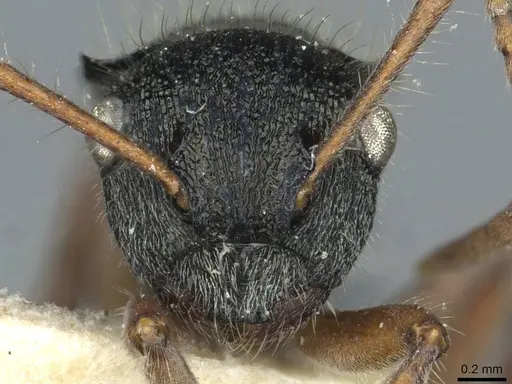
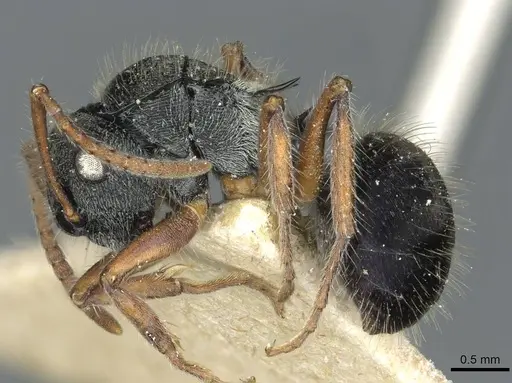
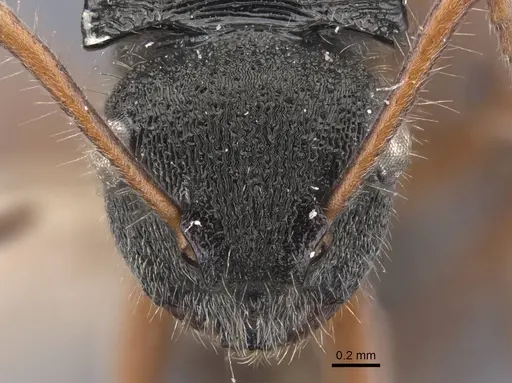
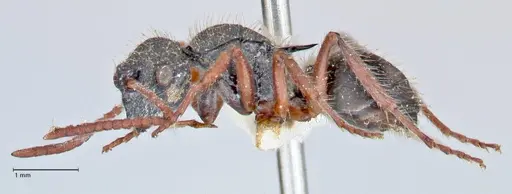
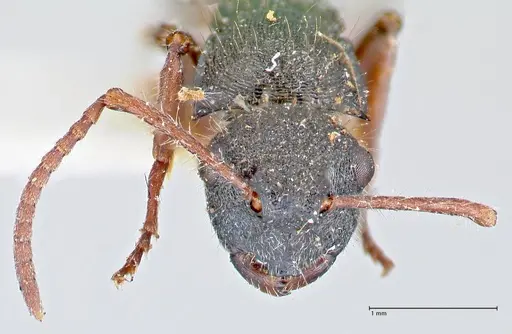
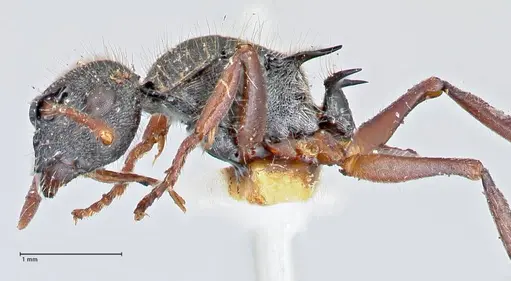
Polyrhachis marginata is an ant species of the genus Polyrhachis. It is primarily documented in 1 countries , including Indonesia. Detailed taxonomic data and occurrence records can be further explored via authoritative databases such as AntWeb or the Global Biodiversity Information Facility (GBIF).
Polyrhachis marginata
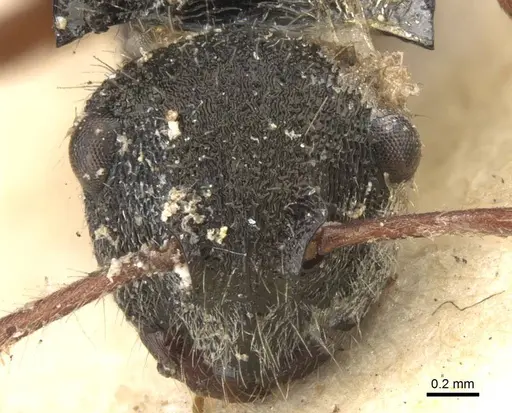
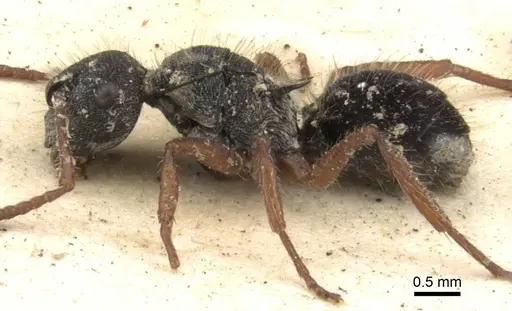
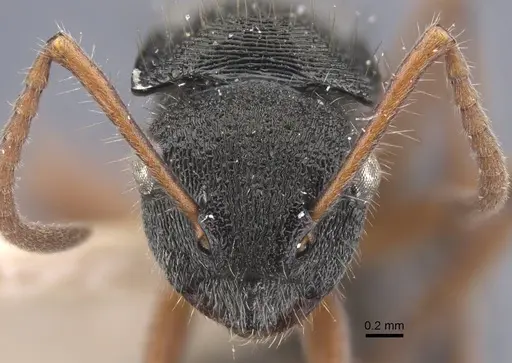
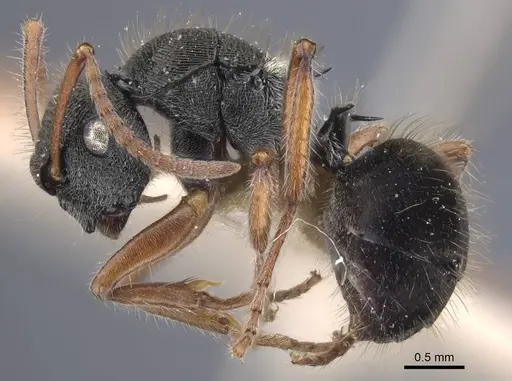
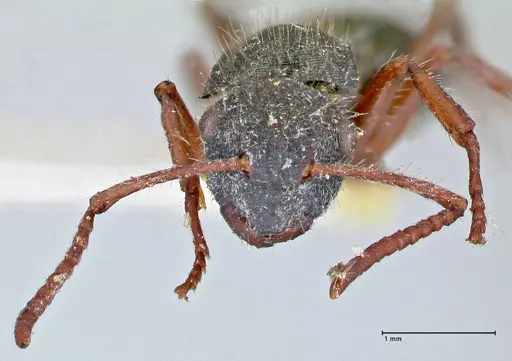
Polyrhachis marginata is a medium-sized ant species native to the Australasian and Indomalayan regions, found throughout New Guinea, Indonesia, and the Philippines [1][2]. Workers are typically dark in coloration with a distinctive appearance typical of the Polyrhachis genus, which includes spiny projections on the thorax that help distinguish them from other Formicine ants. The genus Polyrhachis contains over 500 species worldwide, many of which are arboreal or nest in elevated locations rather than in soil. This species was originally described by Frederick Smith in 1859 from specimens collected in the Aru Islands [3]. Given its tropical distribution across New Guinea and island chains in Indonesia and the Philippines, this ant thrives in warm, humid conditions typical of lowland rainforest environments.
Quick Summary
- Difficulty: Medium
- Origin & Habitat: Native to New Guinea, Indonesia (including Aru Islands, Bachian, Halmahera, Batjan, Wigeo), and the Philippines. Found in tropical Australasian and Indomalayan regions [1][2][3]. In nature, they likely nest in forested areas, possibly in elevated locations or within vegetation rather than in soil, following typical Polyrhachis nesting patterns.
- Colony Type: Colony structure is unconfirmed. Polyrhachis species are typically monogyne (single queen per colony), though some species in the genus can be polygynous. More research is needed on this specific species.
- Size & Growth:
- Queen: Estimated 10-14mm based on genus typical size for Polyrhachis medium species
- Worker: Estimated 6-9mm based on genus typical size
- Colony: Estimated several hundred workers based on typical Polyrhachis colony sizes
- Growth: Moderate, inferred from tropical Formicine patterns
- Development: Estimated 6-8 weeks at optimal tropical temperatures (25-28°C), based on typical Formicinae development (Development timeline is estimated from related Formicinae species, specific data for P. marginata is not available)
- Antkeeping:
- Temperature: Keep at 24-28°C. As a tropical species from New Guinea and Indonesia, they require warm conditions year-round. A heating cable on one side of the nest creates a suitable gradient. Room temperature in heated homes may be adequate if kept in the low-to-mid 20s°C.
- Humidity: Keep humidity moderate to high, around 60-80%. Mist the outworld occasionally and ensure the nest substrate stays slightly moist. Tropical ants appreciate a water tube for constant access to moisture.
- Diapause: No, this is a tropical species that does not require hibernation. Maintain warm temperatures year-round.
- Nesting: Use a nest that retains humidity well, such as a Y-tong (AAC) nest, plaster/nest platform, or a well-moistened naturalistic setup. Polyrhachis often prefer slightly elevated or enclosed nest spaces. Ensure good ventilation while maintaining humidity.
- Behavior: Polyrhachis marginata workers are typically docile and not aggressive toward keepers. They are moderate foragers and will explore their outworld for food. Workers are medium-sized and can climb smooth surfaces reasonably well, though they are not particularly strong escape artists compared to some smaller species. They are primarily active during warmer parts of the day. As with most Polyrhachis species, they may show territorial behavior around the nest entrance but rarely pose any danger to keepers. Escape prevention should be standard, use Fluon on rim edges and ensure fitting lids.
- Common Issues: tropical species requires consistent warmth, cold temperatures below 20°C can slow or stop brood development, humidity must be maintained, drying out can be fatal, especially during founding, limited availability in the antkeeping hobby means established colonies may be difficult to find, specific dietary preferences are unknown, start with standard ant foods and observe what they accept, wild-caught colonies may carry parasites or diseases that can affect captive success
Housing and Nest Setup
Polyrhachis marginata does well in nests that hold humidity well while providing good ventilation. A Y-tong (AAC) nest works excellently for this species, the acrylic chambers retain moisture properly and allow you to observe colony activity easily. Alternatively, a plaster nest or a well-moistened naturalistic setup with soil substrate can mimic their natural environment. Since this is a tropical species, the nest should be kept away from cold drafts and air conditioning vents. Provide a water test tube connected to the nest for humidity and drinking water. The outworld can be a simple plastic container with smooth walls to contain the colony. Use standard escape prevention measures like Fluon on rim edges.
Feeding and Diet
In the wild, Polyrhachis species are generalist foragers that collect honeydew from aphids and scale insects, hunt small invertebrates, and may tend sap-feeding insects. For captive colonies, offer a varied diet: sugar water or honey water as a constant energy source, and protein sources like small crickets, mealworms, fruit flies, or other small insects. Fresh fruit can also be offered occasionally. Feed protein every 2-3 days for established colonies, and keep sugar water available at all times. Remove uneaten prey after 24-48 hours to prevent mold. Since specific dietary preferences for P. marginata are not documented, observe what your colony accepts best and adjust accordingly.
Temperature and Seasonal Care
As a tropical species from New Guinea and the Philippines, Polyrhachis marginata requires warm temperatures year-round. Keep the nest area at 24-28°C for optimal brood development. Temperatures below 20°C can slow development significantly and prolonged cold can be fatal. A small heating cable placed on one side of the nest can create a temperature gradient, allowing the ants to choose their preferred zone. Unlike temperate species, they do not require a winter diapause or hibernation period. Maintain consistent warmth throughout the year. Room temperature in heated indoor spaces is often suitable, but monitor with a thermometer.
Colony Founding and Growth
Queen founding behavior for this specific species has not been documented in scientific literature. Based on typical Formicinae patterns, the queen likely seals herself in a chamber and raises the first brood alone (claustral founding), living off her stored fat reserves until nanitic workers emerge. The first workers will be smaller than mature workers (nanitics) and the colony will grow gradually over the following months. Expect the first workers within 6-8 weeks under optimal warm conditions, though this is an estimate based on related species. Growth rate is moderate, a healthy colony may reach several hundred workers over 1-2 years under good care. Be patient during the founding phase as the colony is most vulnerable.
Behavior and Temperament
Polyrhachis marginata workers are generally docile and calm compared to some more aggressive ant species. They are not known to sting significantly and pose no real danger to keepers. Workers are moderately active and will forage for food in the outworld, establishing clear trails once the colony is established. They are competent climbers but are not extreme escape artists, standard containment measures are usually sufficient. The genus name Polyrhachis means 'many-spined' referring to the spiny projections on their thorax, which gives them a distinctive appearance. They are primarily diurnal and most active during warmer parts of the day. Overall, they make for an interesting and manageable tropical ant species.
Frequently Asked Questions
How long does it take for Polyrhachis marginata to produce first workers?
Based on typical Formicinae development, expect first workers (nanitics) in approximately 6-8 weeks when kept at optimal temperatures of 25-28°C. This is an estimate since specific development data for this species is not available.
What temperature do Polyrhachis marginata ants need?
Keep them at 24-28°C. As a tropical species from New Guinea and Indonesia, they require warm conditions year-round. Avoid temperatures below 20°C.
Can I keep Polyrhachis marginata in a test tube?
Test tubes can work for founding colonies, but you will need to move them to a proper nest (like a Y-tong or plaster nest) once the colony reaches 20-30 workers, as they need more space and humidity control.
What do Polyrhachis marginata ants eat?
They are generalists. Offer sugar water or honey water constantly, and protein sources like small insects (fruit flies, mealworms, small crickets) every 2-3 days. They likely also accept honeydew and fruit.
Do Polyrhachis marginata ants need hibernation?
No. As a tropical species from New Guinea and the Philippines, they do not require hibernation or winter cooling. Keep them warm year-round.
How big do Polyrhachis marginata colonies get?
Based on typical Polyrhachis species, colonies likely reach several hundred workers over 1-2 years. The exact maximum is unknown for this specific species.
Is Polyrhachis marginata good for beginners?
This species is rated as Medium difficulty. While not the easiest tropical ant, it is generally docile and manageable. The main challenges are maintaining proper warmth and humidity year-round, and finding an established colony since they are not common in the hobby.
When should I move Polyrhachis marginata to a formicarium?
Move them from the founding test tube setup once the colony reaches 20-30 workers or when the test tube becomes cramped. A Y-tong or plaster nest works well for this species.
How do I set up humidity for Polyrhachis marginata?
Keep nest substrate slightly moist but not waterlogged. A water tube connected to the nest helps maintain humidity. Mist the outworld occasionally and aim for 60-80% humidity around the nest area.
References

This caresheet is licensed under CC BY-SA 4.0 .
CASENT0901802
View on AntWeb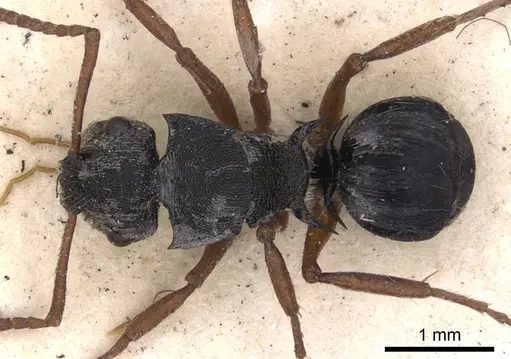
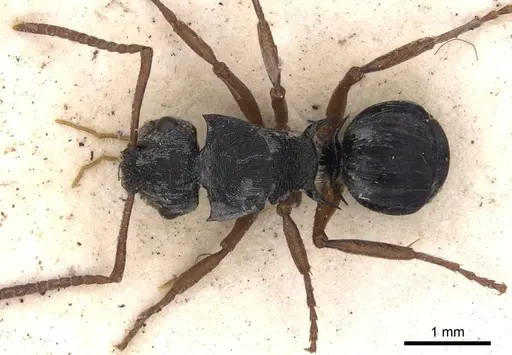
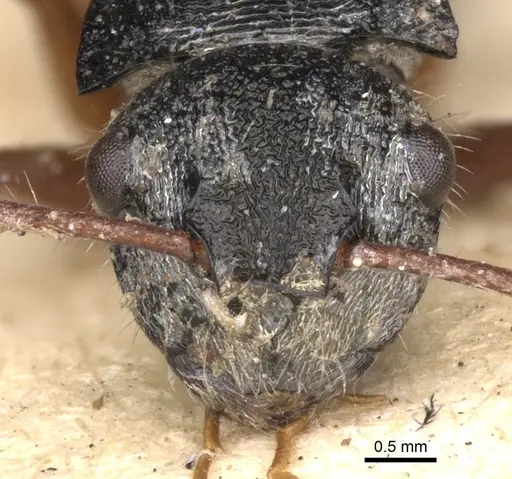
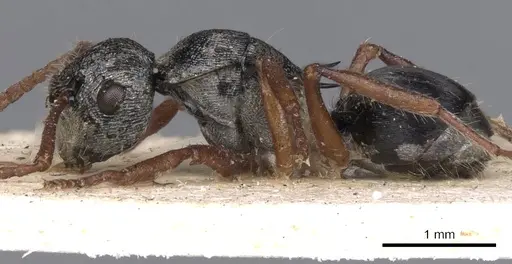
CASENT0906742
View on AntWeb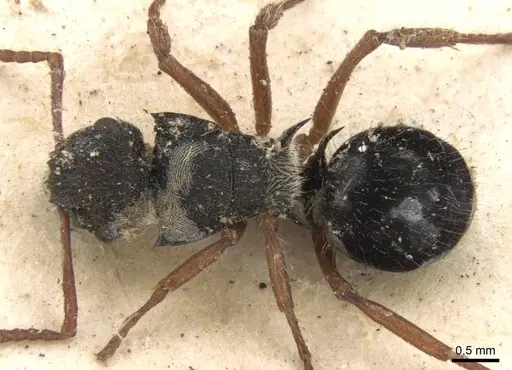
CASENT0912097
View on AntWeb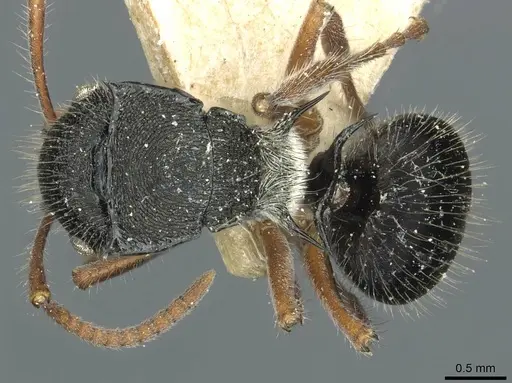
CASENT0917185
View on AntWeb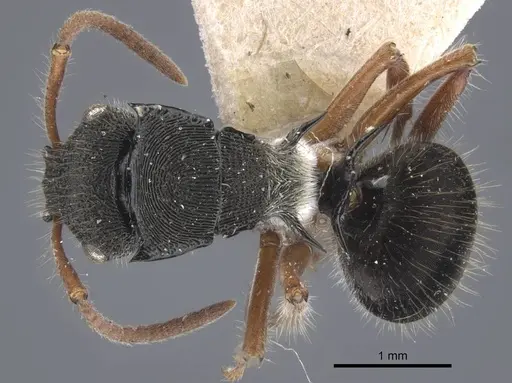
FOCOL2607
View on AntWeb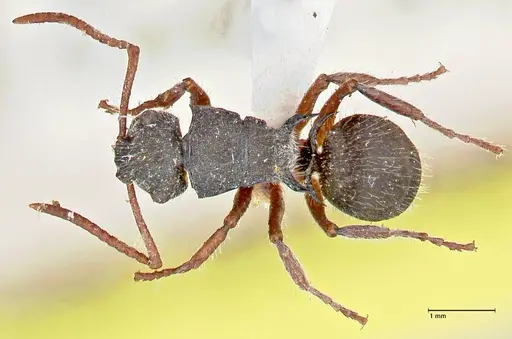
FOCOL2608
View on AntWeb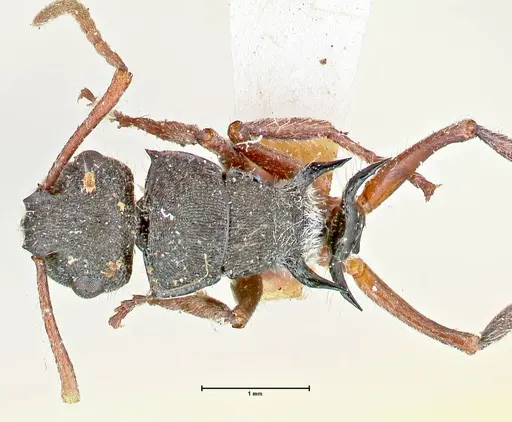
Literature
Loading...Loading products...