

Polyrhachis mackayi
- Scientific Name
- Polyrhachis mackayi
- Subgenus
- Cyrtomyrma
- Tribe
- Camponotini
- Subfamily
- Formicinae
- Author
- Donisthorpe, 1938
- Distribution
- Found in 1 countries
Polyrhachis mackayi Overview
Polyrhachis mackayi is an ant species of the genus Polyrhachis. It is primarily documented in 1 countries , including Australia. Detailed taxonomic data and occurrence records can be further explored via authoritative databases such as AntWeb or the Global Biodiversity Information Facility (GBIF).
Polyrhachis mackayi
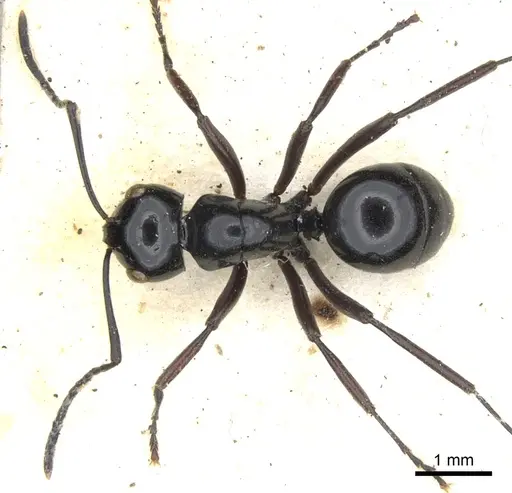
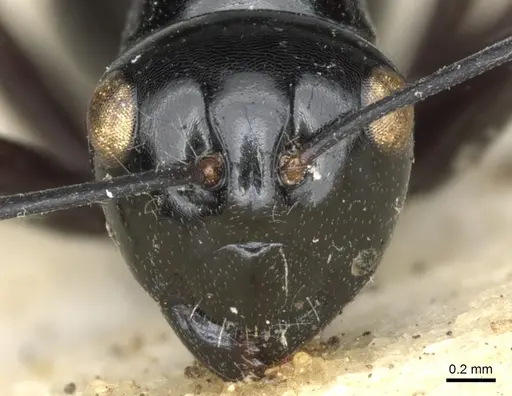
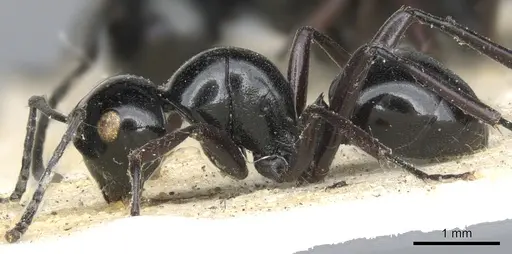
Polyrhachis mackayi is a medium-sized arboreal ant native to eastern Australia. Workers measure around 4.7mm and queens reach 6.3mm [1]. They have a distinctive black, shining body with dark brown legs and black antennae. Unlike many Polyrhachis species known for their spines, this species has a completely unarmed propodeum (the rear section of the thorax) and relatively short, equal petiolar spines [1]. The mesosomal dorsum is evenly convex with rounded pronotal shoulders, giving them a smooth, streamlined appearance [1].
This species is notable for its arboreal nesting habits, they build their nests between the leaves of trees and shrubs using silk to bind foliage together [2]. This makes them unique among Australian ants, as most species nest in soil or rotting wood. Their range is relatively limited, extending from just north of Mackay in Queensland down to Taree in northern New South Wales, representing the southernmost limit of the Cyrtomyrma subgenus in Australia [1].
Quick Summary
- Difficulty: Medium
- Origin & Habitat: Eastern Australia, from northern Queensland to northern New South Wales. Found along margins of lowland rainforests and woodlands at elevations of 200-600m [1].
- Colony Type: Likely single-queen colonies (monogyne) based on typical Polyrhachis patterns, though colony structure is not specifically documented for this species.
- Colony: Monogyne
- Founding: Claustral
- Size & Growth:
- Queen: 6.3mm [1]
- Worker: 4.7mm [1]
- Colony: Unknown for this specific species, related Polyrhachis species typically reach several hundred workers
- Growth: Moderate, based on typical Formicinae development patterns
- Development: Estimated 6-8 weeks based on related Formicinae species at optimal temperature (Development time is inferred from genus-level data, specific timing for P. mackayi has not been documented)
- Antkeeping:
- Temperature: Keep around 24-28°C. Being an Australian rainforest/wetland species, they prefer warm, stable conditions with some humidity. A gentle gradient is beneficial.
- Humidity: Moderate to high, they naturally live in rainforest margins where humidity is elevated. Keep the nest area moderately humid but ensure good ventilation to prevent mold.
- Diapause: Likely required, Australian temperate ants typically need a winter rest period. Provide a cool period around 15-18°C for 2-3 months during winter months.
- Nesting: Arboreal nesters, they build nests between leaves using silk. In captivity, provide a naturalistic setup with live plants, moss, or artificial foliage that allows for silk weaving behavior. Alternatively, a Y-tong or acrylic nest with damp substrate can work, but include materials they can manipulate.
- Behavior: Generally calm and non-aggressive compared to many ant species. They are arboreal and will spend most of their time in the upper portions of their enclosure. Workers are active foragers that search for honeydew and small prey. Escape risk is moderate, they are not particularly small but can climb well. Ensure enclosures have smooth barrier edges. They are not known for stinging and pose no danger to keepers.
- Common Issues: arboreal nature requires vertical space and climbing structures, horizontal-only setups may cause stress, silk-weaving behavior may be disrupted in standard formicariums, provide appropriate materials, humidity control is important, too dry and colonies struggle, too wet causes mold, winter diapause is likely required, skipping it may weaken colonies over time, limited availability in the antkeeping hobby means established colonies are uncommon
Nest Preferences and Housing
Polyrhachis mackayi is an arboreal species that naturally builds nests between the leaves of trees and shrubs. They use silk produced by their larvae to bind leaves together, creating secure shelter in the canopy [2]. Unlike many ant species, they do not construct underground nests, this is a key difference that affects how you should house them.
For captive care, the best approach is a naturalistic setup that mimics their arboreal lifestyle. This means including live plants, moss, or artificial foliage where they can build their silk nests. A tall enclosure with branches or vines for climbing works well. The outworld (foraging area) should have vertical elements.
If you prefer a more standard formicarium, use a Y-tong or acrylic nest but provide plenty of climbing structures and materials they can use for nesting. Keep the nest chambers moderately humid. Avoid fully horizontal, soil-based setups, these don't match their natural arboreal preferences.
Feeding and Diet
In nature, Polyrhachis mackayi forages for honeydew from aphids and scale insects, and hunts small insects and other arthropods. They are omnivorous like most Formicinae ants.
In captivity, offer a varied diet: sugar water or honey should be available constantly, especially for the queen and developing brood. For protein, provide small insects like fruit flies, small crickets, or mealworms. Since they are arboreal and relatively small, prey items should be appropriately sized.
Feed protein sources 2-3 times per week, and keep sugar water or honey available at all times. Remove any uneaten food after 24-48 hours to prevent mold. Observing their foraging behavior can be enjoyable, they will send workers out to collect food and bring it back to the nest.
Temperature and Seasonal Care
As a species from the Australian wet tropics and rainforest margins, Polyrhachis mackayi prefers warm, humid conditions. Keep the nest area around 24-28°C during the active season. A slight temperature gradient allows the colony to regulate its own conditions.
During Australian winter (roughly June-August in the southern hemisphere), you should provide a diapause period. Reduce temperatures to around 15-18°C for 2-3 months. This mimics their natural seasonal cycle and helps maintain colony health long-term. Keep feeding minimal during this period, the colony will be less active.
Avoid keeping them too cold or exposing them to temperatures below 15°C for extended periods. Similarly, avoid temperatures above 30°C, which can stress the colony. Stable, warm conditions year-round (except during diapause) work best. [1]
Behavior and Colony Dynamics
Polyrhachis mackayi is a relatively calm species compared to many ants. Workers go about their foraging activities without excessive aggression. They are arboreal by nature, so they will spend most of their time climbing and foraging in the upper parts of their enclosure.
The colony will likely establish a nest in a chosen location and expand it gradually. As the colony grows, you may see more workers patrolling and foraging. The queen remains in the nest tending to brood.
These ants are not dangerous to keepers, they may bite if handled roughly, but they lack a painful sting and are not considered a threat. Their moderate size and calm demeanor make them interesting display ants, especially in naturalistic setups where their silk-weaving behavior can be observed.
Frequently Asked Questions
Can I keep Polyrhachis mackayi in a test tube?
A test tube setup can work for founding colonies, but this species is arboreal and prefers to nest between leaves using silk. For long-term housing, a naturalistic setup with plants or climbing structures is better. If using a test tube, provide a vertical outworld with materials they can manipulate.
How long until first workers appear in Polyrhachis mackayi?
Based on typical Formicinae development, expect first workers (nanitics) around 6-8 weeks after the queen lays eggs, assuming temperatures around 25°C. Development may be slightly faster or slower depending on exact conditions.
Do Polyrhachis mackayi ants need hibernation?
Yes, they likely require a winter diapause period. As an Australian species from a temperate region, provide 2-3 months at 15-18°C during winter. This helps maintain natural seasonal rhythms and colony health.
Are Polyrhachis mackayi good for beginners?
This species is rated as medium difficulty. While not aggressive, their arboreal nature and specific nesting requirements make them better suited for keepers who have some experience with ant keeping. Their silk-weaving behavior is unique and rewarding for those who can meet their needs.
What do Polyrhachis mackayi eat?
They are omnivorous. Offer sugar water or honey constantly, and supplement with small insects like fruit flies, small crickets, or mealworms 2-3 times per week. They will also collect honeydew if aphids are available.
How big do Polyrhachis mackayi colonies get?
Colony size is not specifically documented, but related Polyrhachis species typically reach several hundred workers. Growth is moderate, expect a slow build-up during the first year, accelerating as the colony establishes.
When should I move Polyrhachis mackayi to a formicarium?
Move them when the test tube setup becomes too cramped or the water reservoir is depleted. For this species, consider a naturalistic setup with live plants or artificial foliage to allow their natural silk-weaving behavior.
Can I keep multiple Polyrhachis mackayi queens together?
This species is likely monogyne (single queen). Combining unrelated queens is not recommended as they would likely fight. If you acquire a colony, assume it has one reproductive queen.
Why is my Polyrhachis mackayi colony not building a silk nest?
They may not weave silk if appropriate materials aren't available. Provide leaves, moss, or artificial foliage they can manipulate. In standard formicariums without these materials, they will nest in available cavities instead of weaving.
References

This caresheet is licensed under CC BY-SA 4.0 .
CASENT0903417
View on AntWeb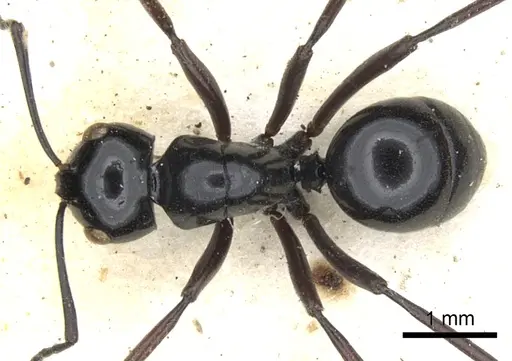
Literature
Loading...Loading products...