

Polyrhachis lydiae
- Scientific Name
- Polyrhachis lydiae
- Subgenus
- Hagiomyrma
- Tribe
- Camponotini
- Subfamily
- Formicinae
- Author
- Forel, 1902
- Distribution
- Found in 1 countries
Polyrhachis lydiae Overview
Polyrhachis lydiae is an ant species of the genus Polyrhachis. It is primarily documented in 1 countries , including Australia. Detailed taxonomic data and occurrence records can be further explored via authoritative databases such as AntWeb or the Global Biodiversity Information Facility (GBIF).
Polyrhachis lydiae
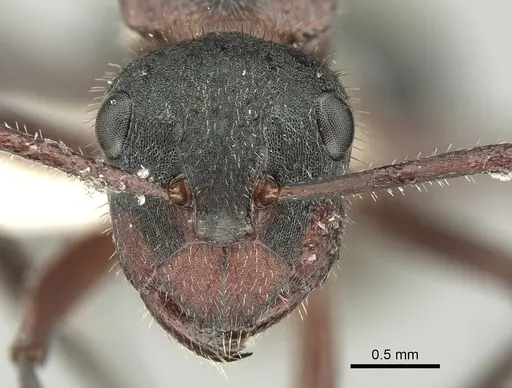
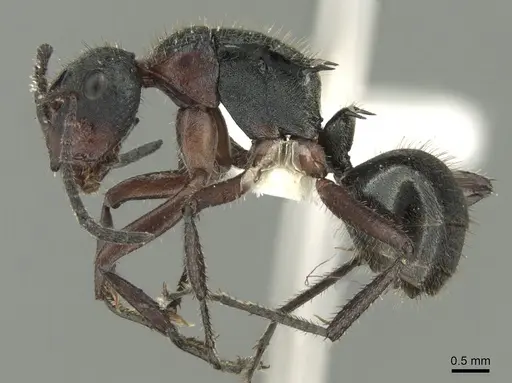
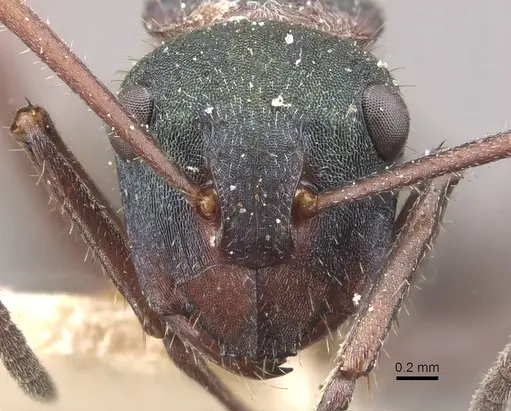
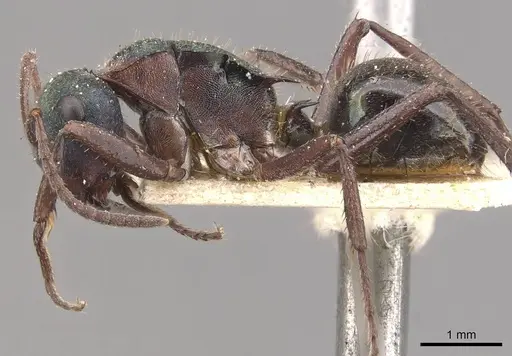
Polyrhachis lydiae is a medium-sized ant native to eastern Australia, easily recognized by its striking metallic green to greenish-black coloration with a distinctive reddish-brown patch on the front of its pronotum (the middle body section). This color combination is unique among Australian Polyrhachis species [1]. Workers measure 5.64-6.65mm, while queens are larger at 7.21-7.51mm [1]. The species belongs to the schenckii species-group within the subgenus Hagiomyrma. In the wild, these ants nest in the ground with entrances hidden under stones or tufts of grass, commonly found in open eucalypt forests and savannah woodlands along the eastern Australian coast from Townsville to near Newcastle [1][2].
This is a ground-nesting species that builds subterranean colonies. Like other Formicinae ants, they lack a functional stinger but can defend themselves by biting and spraying formic acid. They are known hosts of the zombie-ant fungus Ophiocordyceps nooreniae, though this is not a concern for captive colonies [3].
Quick Summary
- Difficulty: Medium
- Origin & Habitat: Eastern Australia, from Townsville in north Queensland to just north of Newcastle in New South Wales. Found in open eucalypt forests and savannah woodlands [1][2].
- Colony Type: Likely monogyne (single-queen colonies) based on typical Polyrhachis patterns. Colony size data is limited but related species typically reach several hundred workers.
- Colony: Monogyne
- Founding: Claustral
- Size & Growth:
- Queen: 7.21-7.51 mm [1]
- Worker: 5.64-6.65 mm [1]
- Colony: Estimated several hundred workers based on related species
- Growth: Moderate, estimated 6-10 weeks from egg to first worker at optimal temperature
- Development: 6-10 weeks (estimated based on related Formicinae species) (Development time is inferred from genus-level data since specific development studies are not available for this species)
- Antkeeping:
- Temperature: Keep at 24-28°C. They are a warm-climate Australian species that benefits from moderate heating. A heating cable on one side of the nest creates a suitable gradient.
- Humidity: Moderate humidity around 50-70%. These ground-nesting ants prefer substrate that is slightly moist but not waterlogged. Allow some drying between waterings.
- Diapause: Likely minimal or no true diapause, Australian tropical/subtropical species may slow down in cooler months but probably don't require hibernation like temperate species.
- Nesting: Naturalistic setup works well given their ground-nesting habits. A substrate-based nest or Y-tong with soil chambers mimics their natural subterranean nests. Keep the nest area dark as they prefer dim conditions.
- Behavior: Generally calm temperament but will defend the colony if threatened. Like other Formicinae, they can bite and spray formic acid as defense. Workers are moderately active foragers. Escape risk is moderate, their medium size means standard formicarium barriers are usually sufficient, but check for gaps.
- Common Issues: colonies may slow significantly if temperatures drop below 20°C, ground-nesting species needs appropriate substrate depth for nesting, escape prevention should be checked regularly as workers can squeeze through small gaps, limited availability in the antkeeping hobby, may be difficult to source, zombie-ant fungus is a natural pathogen but unlikely to affect captive colonies
Housing and Nest Setup
Polyrhachis lydiae is a ground-nesting species that prefers subterranean nests. In captivity, a naturalistic setup with a soil substrate works best, this allows the ants to dig their own chambers like they would in the wild. Use a substrate depth of at least 3-5cm to accommodate their nesting behavior. Alternatively, a Y-tong (AAC) nest with narrow chambers can work, but provide some soil or damp substrate in the outworld for foraging opportunities. Keep the nest area relatively dark, these ants naturally nest underground and prefer dim conditions. Include stones or decorations in the outworld that can hide nest entrances, mimicking their natural habitat under stones or grass tufts [1].
Feeding and Diet
Like most Polyrhachis species, these ants are omnivorous. Offer a varied diet including sugar sources (honey water, sugar water) and protein (small insects like fruit flies, mealworms, crickets). They will likely accept honeydew as well if you keep aphids. Feed them every 2-3 days, removing any uneaten prey after 24 hours. A constant sugar water supply is recommended. Because they are medium-sized ants, their prey items can be slightly larger than what you'd offer to tiny ants, but keep portions reasonable.
Temperature and Heating
As an Australian species from a warm climate, Polyrhachis lydiae benefits from temperatures in the 24-28°C range. Room temperature may be sufficient in warmer homes, but a heating cable or small heat mat on one side of the nest can help maintain optimal conditions. Create a temperature gradient so workers can choose their preferred spot. Avoid temperatures below 20°C for extended periods, this species is not adapted to cold conditions and colonies may become sluggish or stop brood development entirely. Monitor colony behavior to find the ideal temperature for your specific setup.
Humidity and Water
These ants prefer moderate humidity around 50-70%. Keep the nesting substrate slightly moist but not waterlogged, the substrate should feel damp but you shouldn't see standing water. Allow the substrate to dry partially between waterings rather than keeping it constantly wet. A water tube in the outworld provides drinking water. Mist the outworld occasionally but avoid excessive moisture in the nest area as this can lead to mold problems.
Behavior and Defense
Polyrhachis lydiae has a generally calm temperament and is not particularly aggressive toward keepers. However, like all Formicinae ants, they can defend themselves by biting and spraying formic acid. The formic acid spray is their primary chemical defense and may cause skin irritation in sensitive individuals. When working with the colony, move slowly and avoid disturbing the nest directly. Workers are moderately active and will forage in the outworld for food. They are not particularly fast-moving, making them relatively easy to observe.
Frequently Asked Questions
How long does it take for Polyrhachis lydiae to raise first workers?
Based on related Formicinae species, expect 6-10 weeks from egg to first worker at optimal temperature (around 26°C). Development may be slower at cooler temperatures. Patience is key, these ants grow at a moderate pace compared to some faster-growing genera.
Can I keep Polyrhachis lydiae in a test tube?
Test tubes can work for founding colonies, but these ground-nesting ants will do better in a naturalistic or Y-tong setup with soil substrate once the colony reaches 10-20 workers. The substrate allows them to create natural nest chambers and helps maintain appropriate humidity.
What temperature do Polyrhachis lydiae need?
Keep them warm at 24-28°C. This Australian species benefits from moderate heating. A heating cable on part of the nest or room temperature in warm homes is usually sufficient. Avoid temperatures below 20°C.
How big do Polyrhachis lydiae colonies get?
Based on related species, colonies likely reach several hundred workers over time. The exact maximum is unknown, but expect moderate colony growth over several years.
Are Polyrhachis lydiae good for beginners?
They are rated as medium difficulty. They have more specific temperature needs than common temperate species, but their care requirements are straightforward once established. They are not as challenging as some exotic species but may be harder to find in the hobby.
What do Polyrhachis lydiae eat?
They are omnivorous. Offer sugar water or honey constantly, and feed protein (small insects like fruit flies, mealworms) every 2-3 days. They will likely accept a varied diet including honeydew from aphids.
Do Polyrhachis lydiae need hibernation?
Probably not. As a subtropical Australian species, they likely do not require a true diapause period. They may slow down slightly in cooler months but should remain active year-round with proper heating.
Why is my Polyrhachis lydiae colony not growing?
Check temperature first, they need warmth (24-28°C) for proper brood development. Also ensure they have adequate protein and sugar. If the colony is still small after several months, verify humidity is appropriate and there are no pest issues.
References

This caresheet is licensed under CC BY-SA 4.0 .
CASENT0906594
View on AntWeb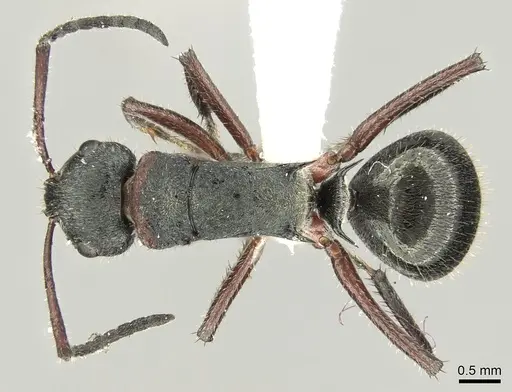
CASENT0910808
View on AntWeb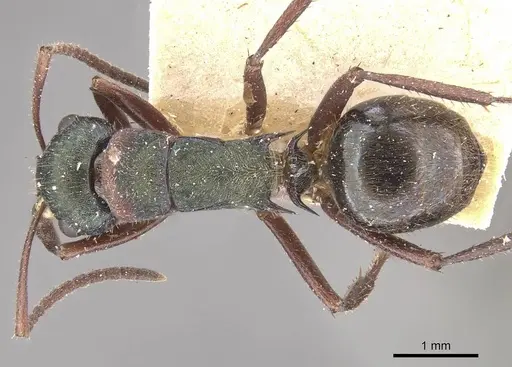
Literature
Loading...Loading products...