

Polyrhachis lownei
- Scientific Name
- Polyrhachis lownei
- Subgenus
- Chariomyrma
- Tribe
- Camponotini
- Subfamily
- Formicinae
- Author
- Forel, 1895
- Distribution
- Found in 1 countries
Polyrhachis lownei Overview
Polyrhachis lownei is an ant species of the genus Polyrhachis. It is primarily documented in 1 countries , including Australia. Detailed taxonomic data and occurrence records can be further explored via authoritative databases such as AntWeb or the Global Biodiversity Information Facility (GBIF).
Polyrhachis lownei
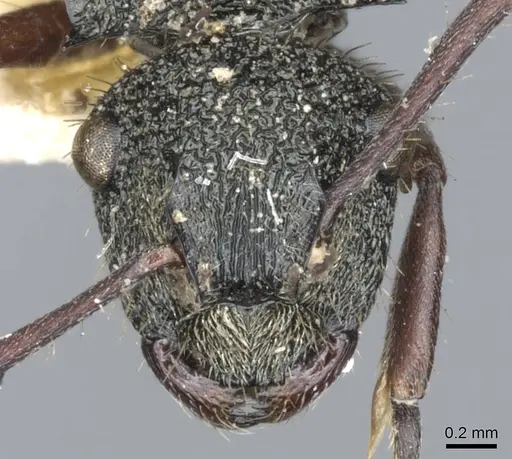
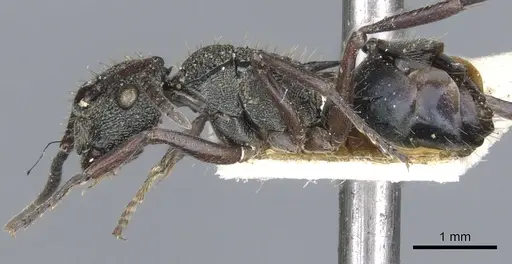
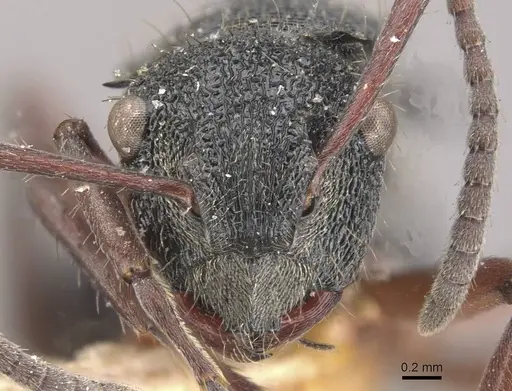
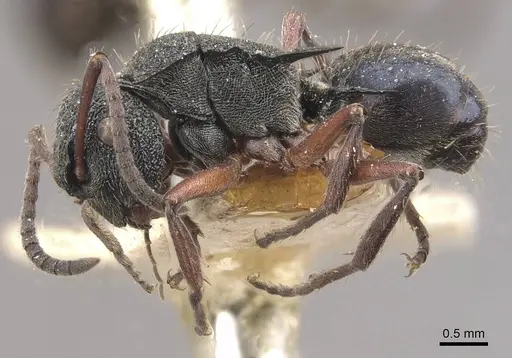
Polyrhachis lownei is an Australian ant species belonging to the subgenus Chariomyrma. Workers are medium-sized ants with the characteristic spiny projections on their thorax that give the genus its common name 'spiny ants.' They have a dark brown to black coloration and relatively robust build. This species nests underground in subterranean chambers, and unlike many ants in the genus, they produce cocooned pupae [1][2]. In their natural Australian habitat, they establish colonies in soil, typically in areas with adequate ground moisture.
Quick Summary
- Difficulty: Medium
- Origin & Habitat: Australia, found across various regions of the Australian continent. This species is native to Australia and not known to be established elsewhere. They inhabit subterranean nests in the soil, typically in natural and disturbed areas [1][2].
- Colony Type: Colony structure is not well documented in scientific literature. Based on typical Polyrhachis patterns, they are likely monogyne (single queen) colonies, though some related species can be polygyne. Ergatoid (wingless) replacement reproductives have not been documented for this specific species.
- Size & Growth:
- Queen: Estimated 10-12mm based on genus patterns for Chariomyrma subgenus, not directly measured for this species
- Worker: Estimated 6-8mm based on genus patterns, not directly measured for this species
- Colony: Unknown for this specific species, related Polyrhachis species typically reach several hundred to a few thousand workers
- Growth: Moderate, based on typical Polyrhachis development patterns
- Development: Estimated 8-12 weeks based on genus-level data for similar Polyrhachis species, not directly measured for P. lownei (Development time is inferred from related species in the genus. Cocoon production adds time compared to species that have naked pupae.)
- Antkeeping:
- Temperature: Keep at 24-28°C (warm room temperature). Australian species generally tolerate a range from 22-30°C. A gentle heat gradient allows workers to regulate their temperature [2].
- Humidity: Moderate to high humidity (60-80%). Subterranean nesting species need consistently moist substrate. Keep the nest area damp but not waterlogged, with some drier areas available for the ants to choose.
- Diapause: Likely required during Australian winter months. Based on typical Australian ant behavior, expect a reduced activity period during cooler months (roughly May-September in the southern hemisphere). Reduce temperature to 15-18°C during this period.
- Nesting: Subterranean nester, they dig chambers underground. In captivity, they do well in Y-tong (AAC) nests, plaster nests, or naturalistic setups with deep soil. Provide at least 10-15cm of substrate depth for digging. Test tubes can work for founding colonies but will need upgrading as the colony grows.
- Behavior: Polyrhachis lownei workers are moderately active and show typical ant foraging behavior. They are not particularly aggressive toward keepers but will defend their nest if threatened. Workers are medium-sized and relatively robust, making escape prevention straightforward compared to tiny species, standard barriers like fluon on test tube rims are usually sufficient. They accept sugar sources (honey, sugar water) and protein foods (insects). Their subterranean lifestyle means they spend more time underground than some arboreal Polyrhachis species.
- Common Issues: colonies may stagnate if temperature is too low, keep warm and stable, subterranean species need deep nesting areas, shallow nests cause stress and may lead to colony abandonment, cocoon-producing species have longer development times, don't panic if growth seems slow, wild-caught colonies may contain parasites, quarantine and observe new colonies carefully, overwatering can drown founding queens, keep substrate moist but not saturated
Housing and Nest Setup
Polyrhachis lownei is a subterranean nester, meaning they naturally dig underground chambers. For captive care, provide deep nesting space, at least 10-15cm of substrate depth is ideal. Y-tong (AAC) nests work well because they provide dark, enclosed chambers that mimic underground conditions. Plaster nests with built-in water reservoirs maintain the humidity this species needs. Naturalistic setups with deep soil allow for authentic digging behavior but require more maintenance. For founding colonies, a test tube setup with a dirt chamber works, but plan to upgrade to a larger formicarium as the colony grows beyond 20-30 workers. The key is providing a dark, humid environment that stays consistently moist.
Feeding and Diet
Like most Polyrhachis species, P. lownei is omnivorous and accepts a varied diet. Offer sugar sources consistently, a drop of honey or sugar water every few days provides energy. Protein is essential for brood development: small insects like fruit flies, small crickets, or mealworms are ideal. Based on typical genus behavior, they likely forage for honeydew and small prey in nature. Feed protein 2-3 times per week, adjusting based on colony size and consumption. Remove uneaten prey after 24-48 hours to prevent mold. A varied diet helps ensure healthy brood development.
Temperature and Heating
As an Australian species, Polyrhachis lownei prefers warm conditions. Keep the nest area at 24-28°C for optimal brood development. Room temperature in most homes (20-24°C) is acceptable, but colonies may grow faster with slight heating. A heating cable or heat mat placed on one side of the nest creates a temperature gradient, allowing ants to self-regulate. Avoid direct heat on the nest as it can dry out the substrate too quickly. During the active season (spring through fall), maintain warm temperatures consistently. If your room stays below 22°C, consider adding gentle bottom heat.
Humidity and Moisture
Subterranean ants like P. lownei need consistently moist substrate. The nest material should feel damp to the touch but never waterlogged. Check moisture levels every few days, if the surface appears dry, mist lightly or add water to the reservoir. Too much moisture causes mold and can drown ants, too little causes desiccation and stress. For Y-tong nests, keep the water channel filled but not overflowing. For naturalistic setups, mist the substrate directly. Providing a moisture gradient (some areas damper than others) lets the colony choose optimal conditions.
Seasonal Care and Overwintering
In their native Australia, P. lownei experiences seasonal changes that affect colony activity. During cooler months (roughly May-September in the southern hemisphere), reduce temperatures to 15-18°C to simulate winter. This diapause period slows colony activity but is generally beneficial for colony health, it mimics natural cycles and can improve longevity. Do not feed during deep hibernation, but provide a small water source. Gradually warm the colony in spring to restart normal activity. If you cannot provide cool temperatures, keeping them at room temperature (around 20°C) year-round is acceptable, though growth may be slightly faster with a winter cool-down.
Frequently Asked Questions
How long does it take for Polyrhachis lownei to produce first workers?
Based on typical Polyrhachis development, expect first workers (nanitics) approximately 8-12 weeks after the queen lays eggs. This is slower than many ants because P. lownei produces cocooned pupae, which take additional time to develop compared to naked pupae. Patience is key, don't disturb the founding chamber during this time.
What is the best nest type for Polyrhachis lownei?
Y-tong (AAC) nests or plaster nests work best because they provide the dark, humid underground conditions this subterranean species prefers. Naturalistic setups with deep soil are also suitable. Avoid nests with only small test tubes for established colonies, they need space to dig and expand.
Can I keep multiple queens together?
Polyrhachis lownei colony structure is not well documented, but based on typical genus patterns, they likely form single-queen colonies. Combining unrelated foundress queens is not recommended as they may fight. If you capture a founding queen, house her alone until workers emerge.
How big do Polyrhachis lownei colonies get?
Exact colony size is unknown for this species, but related Polyrhachis species typically reach several hundred to a few thousand workers. With proper care, expect your colony to grow to several hundred workers over 1-2 years.
What do Polyrhachis lownei eat?
They are omnivorous. Offer sugar sources (honey, sugar water) regularly and protein (small insects like fruit flies, pinhead crickets, mealworms) 2-3 times per week. Remove uneaten food promptly to prevent mold.
Do they need hibernation?
Yes, based on their Australian origin, a winter cool-down period is likely beneficial. Reduce temperatures to 15-18°C for several months during the year. If room temperature stays consistent year-round, a hibernation period is optional but may improve colony health.
Are Polyrhachis lownei good for beginners?
They are rated as medium difficulty. They are more forgiving than some tropical species but require attention to humidity and warmth. Their subterranean lifestyle and moderate size make them manageable for those with some antkeeping experience.
When should I move my colony to a formicarium?
Move from a test tube to a larger nest when the colony reaches 20-30 workers and the test tube shows signs of degradation (mold, low humidity retention). A Y-tong or plaster nest with multiple chambers accommodates growth.
Why is my colony growing slowly?
Slow growth is usually due to low temperature (keep at 24-28°C), insufficient feeding (offer more protein), or low humidity (keep substrate consistently moist). Cocooned pupae naturally take longer than naked pupae to develop, this is normal for the species.
References

This caresheet is licensed under CC BY-SA 4.0 .
CASENT0903349
View on AntWeb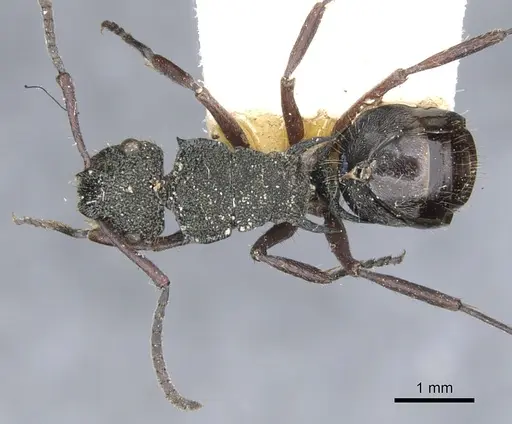
CASENT0910829
View on AntWeb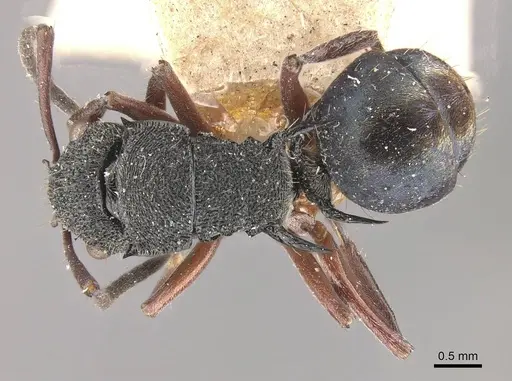
Literature
Loading...Loading products...