

Polyrhachis longiseta
- Scientific Name
- Polyrhachis longiseta
- Subgenus
- Myrma
- Tribe
- Camponotini
- Subfamily
- Formicinae
- Author
- Rigato, 2016
- Distribution
- Found in 1 countries
Polyrhachis longiseta Overview
Polyrhachis longiseta is an ant species of the genus Polyrhachis. It is primarily documented in 1 countries , including Congo. Detailed taxonomic data and occurrence records can be further explored via authoritative databases such as AntWeb or the Global Biodiversity Information Facility (GBIF).
Polyrhachis longiseta
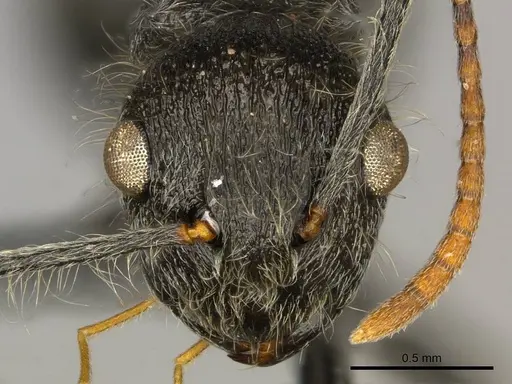
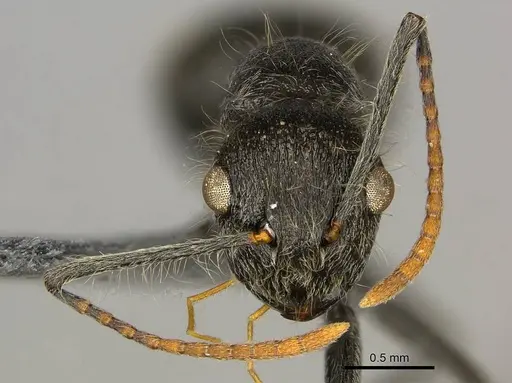
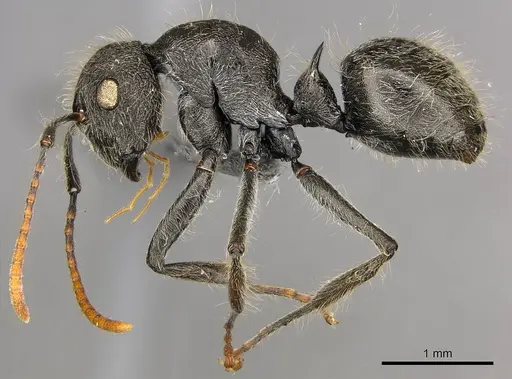
Polyrhachis longiseta is a recently described small ant species from the Afrotropical region, specifically found in Cameroon and the Republic of Congo. Workers measure around 1.2mm in head length, making them a tiny species in the Polyrhachis genus. They belong to the revoili species-group and can be identified by their abundant long standing hairs that exceed the width of their tibiae, and their evenly convex clypeal margin. These ants were collected from primary forest habitats, with one specimen collected via canopy fogging, suggesting they may be arboreal or canopy-dwelling [1].
This is a newly described species (2016) with limited documented biology. As a member of the subgenus Myrma, they likely share characteristics with other Polyrhachis ants, which typically include claustral colony founding and arboreal or semi-arboreal nesting preferences. Their long hairs are a distinctive feature that helps separate them from similar species like P. dubia in the same locality [1].
Quick Summary
- Difficulty: Unknown, likely Medium to Hard due to limited species-specific data
- Origin & Habitat: Primary forest in Cameroon and Republic of Congo (Afrotropical region) [1]
- Colony Type: Likely monogyne (single queen) based on typical Polyrhachis patterns, but colony structure is unconfirmed for this species
- Founding: Claustral
- Size & Growth:
- Queen: Undescribed, estimated 4-5mm based on genus patterns
- Worker: 1.2mm head length (HL 1.19-1.22mm) [1]
- Colony: Unknown, likely small colonies based on worker size and typical revoili-group patterns
- Growth: Unknown, estimated moderate based on genus patterns
- Development: Estimated 6-8 weeks at optimal tropical temperatures (24-28°C) based on related Polyrhachis species (No direct development data exists for this species, estimate based on genus-level patterns for small tropical ants)
- Antkeeping:
- Temperature: Keep warm at 24-28°C based on their tropical African origin. A gentle gradient allowing slight temperature variation is recommended. Room temperature may suffice if kept in a warm room (above 24°C)
- Humidity: Require high humidity (70-85%) mimicking their primary forest origin. Keep nest substrate consistently moist but not waterlogged. Regular misting or a water reservoir in the nest helps maintain humidity
- Diapause: Unlikely, as a tropical species from lowland forest, they probably do not require hibernation. However, a slight reduction in temperature during cooler months may be beneficial
- Nesting: Based on collection data (canopy fogging) and genus patterns, they likely prefer arboreal or semi-arboreal setups. Y-tong nests, plaster nests with high humidity, or naturalistic setups with rotting wood work well. They may nest in small cavities in wood or under bark
- Behavior: Temperament is likely calm and non-aggressive based on typical Polyrhachis behavior. They are small ants with no documented sting, though some Polyrhachis species can bite. Their tiny size (around 1.2mm workers) means excellent escape prevention is critical, they can squeeze through very small gaps. Foraging style is likely generalist, scavenging and tending honeydew-producing insects
- Common Issues: limited species-specific data makes care recommendations uncertain, some trial and error may be needed, tiny size creates high escape risk, use fine mesh and tight-fitting barriers, high humidity requirements can lead to mold if ventilation is inadequate, tropical species may decline if kept too cool, monitor temperatures closely, newly described species means wild colonies may have unknown parasites or diseases
Nest Preferences and Housing
Polyrhachis longiseta was collected from primary forest in Cameroon and Congo, with one specimen collected via canopy fogging suggesting they may be arboreal or canopy-dwelling [1]. Based on this and typical Polyrhachis behavior, they likely prefer humid, enclosed spaces similar to rotting wood cavities or under bark.
For captive care, Y-tong (acrylic) nests or plaster nests work well because they hold humidity effectively. A naturalistic setup with small pieces of rotting wood or bark also mimics their natural environment. The chambers should be appropriately scaled to their tiny 1.2mm worker size, narrow passages and small chambers help them feel secure. Test tubes can work for founding colonies but may need modification to maintain humidity.
Because they come from primary forest, they need consistently high humidity. Avoid dry setups or environments with significant temperature swings. A water reservoir connected to the nest helps maintain moisture levels over time.
Feeding and Diet
While specific feeding data for P. longiseta does not exist, Polyrhachis ants are typically generalist feeders that accept both carbohydrates and protein. In captivity, they will likely accept sugar water, honey, or diluted syrup as carbohydrate sources. For protein, small prey items like fruit flies, small mealworms, or other tiny insects work well.
As tiny ants, the prey items should be appropriately sized, much smaller than what you'd feed larger species like Camponotus. They may also tend honeydew-producing insects (aphids, scale insects) if given access, which can serve as a natural sugar source.
Feed small amounts of sugar water constantly (via a soaked cotton ball or small dish) and offer protein prey 2-3 times per week. Remove uneaten prey after 24-48 hours to prevent mold. Adjust feeding based on colony consumption, small colonies need less food than established ones.
Temperature and Seasonal Care
As a tropical species from Cameroon and Republic of Congo, P. longiseta requires warm conditions year-round. Keep the nest area at 24-28°C (75-82°F). This can be achieved through room temperature if your home is naturally warm, or by using a heating cable or heating mat on one side of the nest to create a gentle temperature gradient.
Place heating elements on top of the nest (never underneath) to avoid drying out the substrate. Monitor with a thermometer to ensure temperatures stay in range. Temperatures below 22°C may slow activity and development, while temperatures above 30°C risk stressing the colony.
Unlike temperate species, they likely do not require a winter dormancy period. However, slight temperature reductions during what would be their "winter" period (if any) may be natural and could be mimicked with a small drop of 2-3°C. Avoid sudden temperature changes. [1]
Behavior and Colony Dynamics
Polyrhachis ants are generally known for their calm temperament, and P. longiseta is unlikely to be an exception. They are not aggressive and rarely bite. Their small size (around 1.2mm workers) means they pose minimal threat to keepers.
The most significant behavioral consideration is their escape risk. At only 1.2mm, workers can squeeze through incredibly tiny gaps. Use excellent escape prevention including fine mesh (at least 0.5mm mesh size or tighter), tight-fitting lids, and barrier tape (fluon) on edges. Even small gaps in tubing or connections can allow escapes.
Colony growth is likely moderate, expect several months from founding to first workers (nanitics), and potentially a year or more to reach 50-100 workers. Be patient with small colonies as they develop slowly. [1]
Acquiring and Establishing a Colony
P. longiseta was only described in 2016,making it one of the more recently described Polyrhachis species available in the antkeeping hobby. Wild colonies may be difficult to find given their likely arboreal or canopy-dwelling habits and small size. If available, established colonies from other keepers are preferable to wild-caught founding queens.
If obtaining a founding queen, she will likely be claustral, sealing herself in a chamber and living off stored fat reserves until her first workers emerge. Provide a small, humid chamber (test tube setup works) and do not disturb her during this period. She should not be fed until nanitics emerge.
The species' limited distribution (Cameroon and Congo) and recent description mean that captive breeding efforts are valuable for the hobby. Document your colony's development to help build husbandry knowledge for this species. [1]
Frequently Asked Questions
How long does it take for Polyrhachis longiseta to produce first workers?
Exact timing is unknown for this species. Based on related Polyrhachis species and their small size, expect 6-8 weeks from egg to worker at optimal temperatures (24-28°C). The first workers (nanitics) will be small and may take additional time to develop into full-sized workers.
What size colony does Polyrhachis longiseta reach?
Colony size is unconfirmed for this species. Based on their small worker size (1.2mm) and typical revoili-group patterns, colonies likely remain relatively small, probably under 500 workers at maturity. Growth is likely moderate.
What temperature do Polyrhachis longiseta ants need?
Keep them warm at 24-28°C (75-82°F). As a tropical species from Cameroon and Congo, they need consistently warm conditions year-round. A heating cable on one side of the nest can create a suitable gradient if your room temperature is below this range.
Are Polyrhachis longiseta good for beginners?
This species is not ideal for beginners due to limited species-specific care data and their small size requiring excellent escape prevention. However, experienced antkeepers familiar with tropical species should find them manageable. Their high humidity needs and escape risk are the main challenges.
What do Polyrhachis longiseta ants eat?
While not specifically documented, Polyrhachis ants are generalists. Offer small protein sources (fruit flies, tiny mealworms) 2-3 times per week and provide constant access to sugar water, honey, or diluted syrup. Prey items must be very small given their 1.2mm worker size.
Do Polyrhachis longiseta need hibernation?
Unlikely. As a tropical lowland forest species from Cameroon and Congo, they do not experience cold winters that would trigger dormancy. Keep them at warm temperatures year-round without a hibernation period.
How do I house Polyrhachis longiseta?
Use a humid nest setup like a Y-tong (acrylic) nest or plaster nest. They likely prefer arboreal-style setups with small chambers. The nest should maintain high humidity (70-85%) and be appropriately scaled to their tiny 1.2mm worker size. Excellent escape prevention is critical.
Where is Polyrhachis longiseta found?
This species is known only from Cameroon (Mbalmayo) and the Republic of Congo (Niari Region) in the Afrotropical region. They were collected from primary forest habitats.
Why are my Polyrhachis longiseta dying?
Common causes include: temperatures below 22°C (tropical species need warmth), low humidity causing desiccation, escape through tiny gaps, mold from over-wetting with poor ventilation, or stress from disturbance during founding. Check all environmental parameters and ensure escape barriers are secure.
References

This caresheet is licensed under CC BY-SA 4.0 .
CASENT0250036
View on AntWeb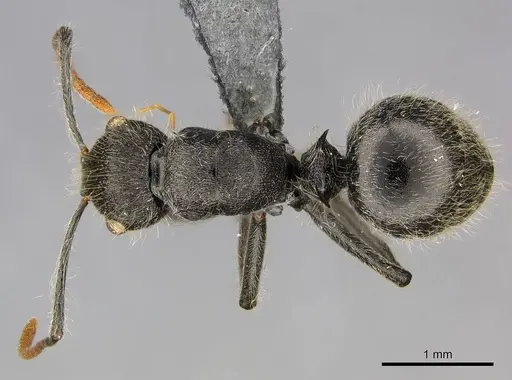
Literature
Loading...Loading products...