

Polyrhachis longipes
- Scientific Name
- Polyrhachis longipes
- Subgenus
- Myrmhopla
- Tribe
- Camponotini
- Subfamily
- Formicinae
- Author
- Smith, 1859
- Distribution
- Found in 0 countries
Polyrhachis longipes Overview
Polyrhachis longipes is an ant species of the genus Polyrhachis. It is primarily documented in 0 countries . Detailed taxonomic data and occurrence records can be further explored via authoritative databases such as AntWeb or the Global Biodiversity Information Facility (GBIF).
Polyrhachis longipes
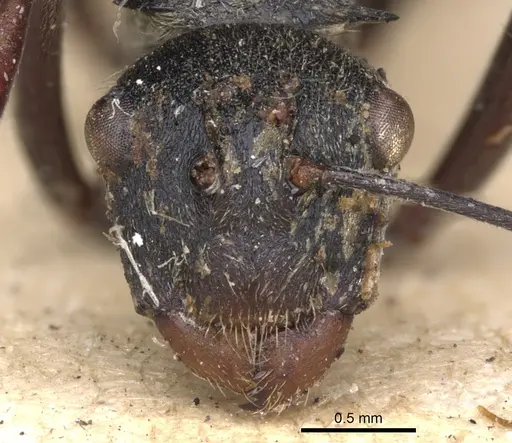
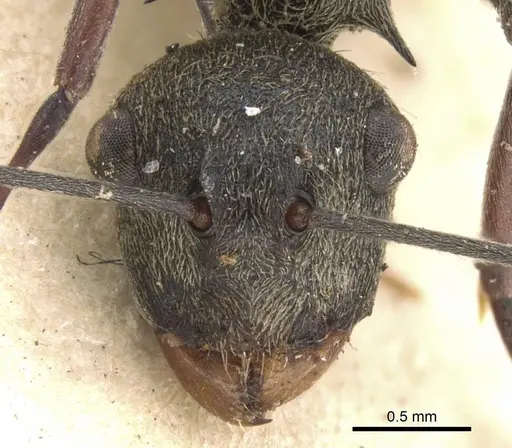
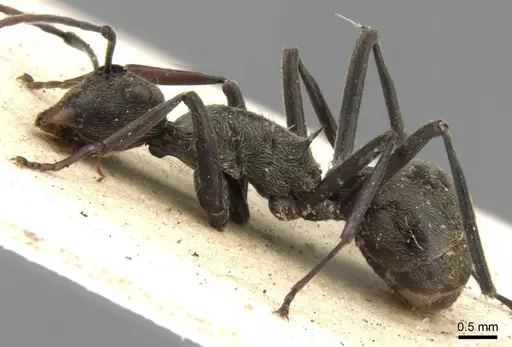
Polyrhachis longipes is a medium-sized ant species belonging to the Formicinae subfamily. Workers are characterized by their elongated legs and spiny dorsal projections typical of the genus. The species was originally described from the Aru Islands in Indonesia and is found throughout the Australasian region, including New Guinea and surrounding islands [1][2]. As a member of the subgenus Myrmhopla, these ants are part of a group known for their diverse nesting habits ranging from ground-nesting to arboreal. This species remains relatively understudied in the scientific literature, with most records focusing on its geographic distribution rather than detailed biology or behavior.
Quick Summary
- Difficulty: Medium
- Origin & Habitat: Native to the Australasian and Indomalayan regions, specifically found in New Guinea and the Aru Islands of Indonesia [1][2]. The species inhabits tropical forest environments where it typically nests in rotting wood, under bark, or among leaf litter. The warm, humid climate of its native range suggests specific temperature and humidity requirements for captive care.
- Colony Type: Colony structure is unconfirmed. Based on typical Polyrhachis genus patterns, likely single-queen (monogyne) colonies, though multi-queen arrangements have been observed in some related species. No specific data on ergatoid replacement reproductives for this species.
- Colony: Monogyne
- Founding: Claustral
- Size & Growth:
- Queen: Estimated 10-12mm based on genus patterns for Myrmhopla subgenus, not directly measured for this species
- Worker: Estimated 6-8mm based on original species description and genus averages
- Colony: Likely several hundred workers based on typical Polyrhachis colony sizes, unconfirmed for this species
- Growth: Moderate, inferred from related species
- Development: Estimated 6-8 weeks at optimal temperature based on typical Formicinae development patterns (Development time is estimated from genus-level data since specific measurements are unavailable for P. longipes)
- Antkeeping:
- Temperature: Keep nest area at 24-28°C. Provide a temperature gradient allowing workers to self-regulate. Related Polyrhachis species thrive in warm, stable conditions matching their tropical origin. Room temperature (around 24°C) is typically suitable, with slight increases during active growth periods.
- Humidity: Maintain moderate to high humidity (60-80%). The species originates from humid tropical environments, so keep the nest substrate consistently moist but not waterlogged. Provide a water tube for drinking water and occasional misting of the outworld. Monitor for condensation as an indicator of adequate humidity.
- Diapause: Unconfirmed. Based on tropical origin, likely no true diapause required. Some reduction in activity during cooler months may occur, but this is not a hibernation period. Keep temperatures stable year-round.
- Nesting: Polyrhachis species typically prefer nesting in rotting wood, under bark, or in hollow plant stems. For captivity, a Y-tong (AAC) nest or plaster/naturalistic setup with wood cavities works well. Provide a dark, secure nesting area with multiple chambers. The nest should retain humidity without becoming soggy.
- Behavior: Polyrhachis ants are generally calm and not particularly aggressive toward keepers. Workers are active foragers that search for food both on the ground and may climb. They have a moderate escape risk due to their size, standard barrier methods like Fluon on test tube rims are usually sufficient. The genus is known for some species' ability to construct silk-like material for nest reinforcement, though this varies by species. Workers communicate through chemical trails and may form foraging columns to food sources.
- Common Issues: humidity control is critical, too dry and colonies stagnate, too wet and mold becomes a problem, temperature drops below 22°C can slow or stop brood development, wild-caught colonies may carry parasites that are difficult to treat in captivity, slow initial growth can lead to keeper impatience and overfeeding, causing mold problems, nesting preferences are specific, they may reject nests that are too exposed or bright
Housing and Nest Setup
Polyrhachis longipes does well in a variety of nest types, but prefers dark, humid environments that mimic its natural forest floor habitat. A Y-tong (acrylic) nest with narrow chambers works well, as does a plaster nest with built-in water reservoir. Naturalistic setups using rotting wood pieces or cork bark can also be successful. The key is providing a nest that maintains stable humidity while allowing proper ventilation. Avoid nests that are too bright or exposed, these ants prefer darkness and may reject overly visible nesting areas. The outworld should be simple with a water tube and minimal decorations to reduce mold risk.
Feeding and Nutrition
Like most Polyrhachis species, P. longipes is omnivorous with a preference for protein-rich foods. Offer small insects like fruit flies, small crickets, or mealworms as primary protein sources. They will also accept sugar water, honey, or diluted syrup as an energy source. Some keepers report that Polyrhachis species enjoy honeydew from aphids if available. Feed every 2-3 days, removing uneaten prey after 24 hours to prevent mold. A constant sugar water supply is recommended once workers are actively foraging.
Temperature and Seasonal Care
Maintain temperatures between 24-28°C for optimal colony health and brood development. These ants come from tropical regions and do not tolerate cold well. A small heating cable on one side of the nest can create a gradient, but ensure the heating element is placed on top of the nest rather than underneath to prevent excessive drying. No true hibernation or diapause is required, but you may notice slightly reduced activity during cooler periods. Avoid placing the colony near air conditioning vents or drafty windows. Room temperature is typically adequate for this species.
Colony Founding and Early Development
A newly mated queen will typically seal herself into a small chamber and raise her first brood alone. This claustral founding means the queen does not leave to forage, she survives on stored fat reserves until the first workers (nanitics) emerge. During this period, provide the queen with a quiet, dark location and do not disturb her. Once workers emerge, they will begin foraging for food. Early colonies grow slowly, so patience is essential. The first major growth surge usually occurs after the nanitics are established and the colony has 10-20 workers.
Behavior and Handling
Polyrhachis longipes workers are relatively calm compared to many ant species. They are active foragers but generally non-aggressive toward humans. When threatened, they may raise their abdomen or bite, but their bite is mild and rarely breaks skin. Workers communicate through chemical pheromones and will form trails to food sources. The species shows typical Formicinae behavior with workers performing various tasks including foraging, nest maintenance, and brood care. They are not known for stinging.
Frequently Asked Questions
How long does it take for Polyrhachis longipes to produce first workers?
Expect first workers (nanitics) in approximately 6-8 weeks under optimal conditions (24-28°C). This is an estimate based on typical Formicinae development, as specific timing for P. longipes has not been documented. Growth is slowest during the claustral founding phase when the queen is alone.
What do Polyrhachis longipes ants eat?
They are omnivorous. Offer small insects (fruit flies, pinhead crickets, small mealworms) as primary protein, plus sugar water, honey, or diluted syrup for carbohydrates. Remove uneaten prey after 24 hours to prevent mold.
What temperature is best for Polyrhachis longipes?
Keep them at 24-28°C. They are tropical ants that do not tolerate cold well. Room temperature is usually suitable, but you may need a small heat source during cooler months or in air-conditioned spaces.
Do Polyrhachis longipes need hibernation?
No. As a tropical species, they do not require a diapause or hibernation period. Maintain stable temperatures year-round. You may notice slightly reduced activity during cooler periods, but this is not true hibernation.
How big do Polyrhachis longipes colonies get?
Based on typical Polyrhachis colony sizes, expect several hundred workers at maturity. Specific colony size data for this species is not documented, but related species in the genus typically reach 200-500 workers.
Can I keep multiple Polyrhachis longipes queens together?
This is not recommended. While some Polyrhachis species can be polygynous, combining unrelated foundress queens typically results in fighting. Start with a single queen for best success.
What humidity level do Polyrhachis longipes need?
Maintain 60-80% humidity. Keep the nest substrate consistently moist but not waterlogged. A water tube in the outworld provides drinking water. Monitor for condensation as a sign of adequate humidity.
Is Polyrhachis longipes good for beginners?
This species is rated as Medium difficulty. While not the most challenging ant, it requires attention to temperature and humidity. Beginners should have some experience with basic antkeeping before attempting this species.
When should I move Polyrhachis longipes to a formicarium?
Wait until the colony has at least 30-50 workers and is actively foraging in the outworld. Moving too early can stress the colony. A test tube setup works well for founding colonies, then transition to a formicarium as the colony grows.
References

This caresheet is licensed under CC BY-SA 4.0 .
CASENT0901804
View on AntWeb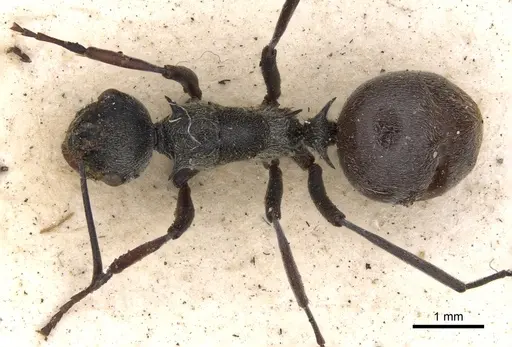
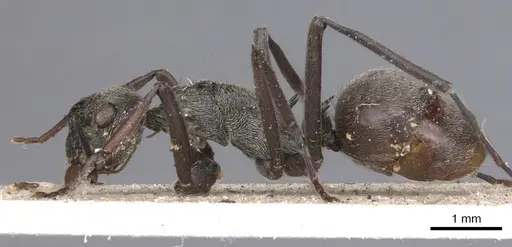
CASENT0906780
View on AntWeb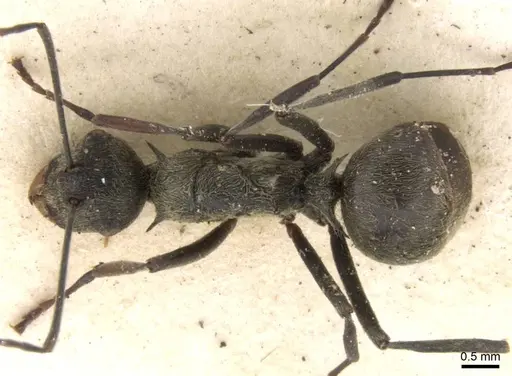
Literature
Loading...Loading products...