

Polyrhachis limbata
- Scientific Name
- Polyrhachis limbata
- Subgenus
- Chariomyrma
- Tribe
- Camponotini
- Subfamily
- Formicinae
- Author
- Emery, 1897
- Distribution
- Found in 1 countries
Polyrhachis limbata Overview
Polyrhachis limbata is an ant species of the genus Polyrhachis. It is primarily documented in 1 countries , including Papua New Guinea. Detailed taxonomic data and occurrence records can be further explored via authoritative databases such as AntWeb or the Global Biodiversity Information Facility (GBIF).
Polyrhachis limbata
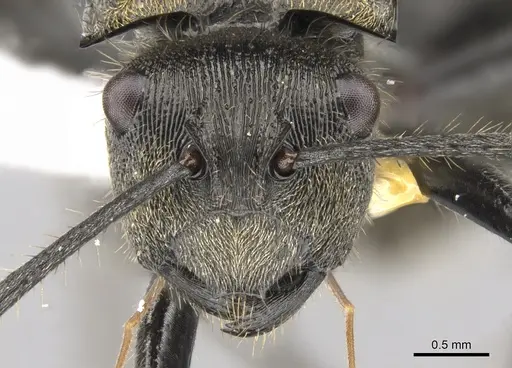
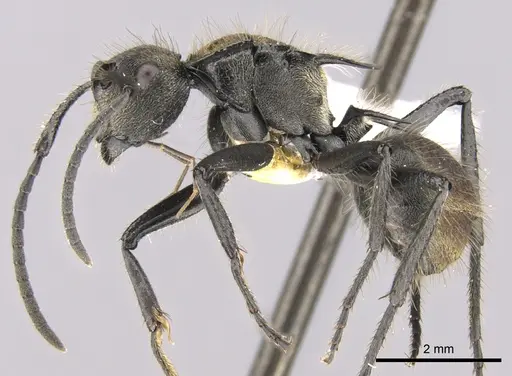
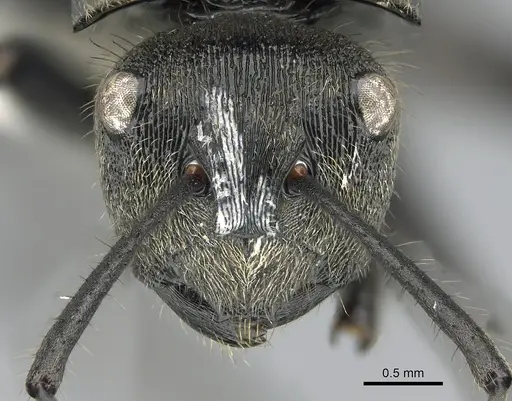
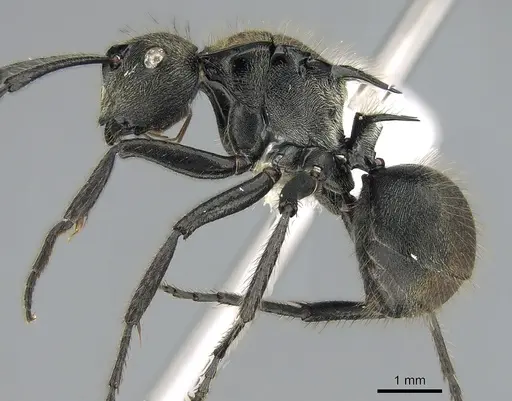
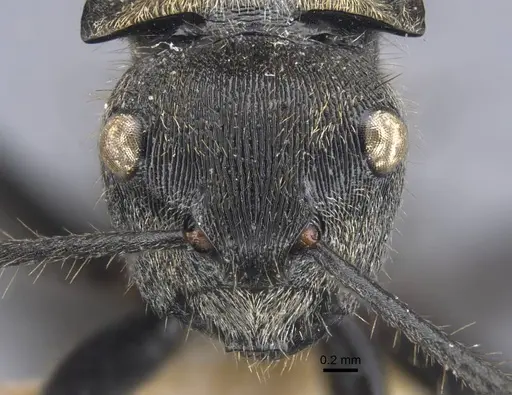
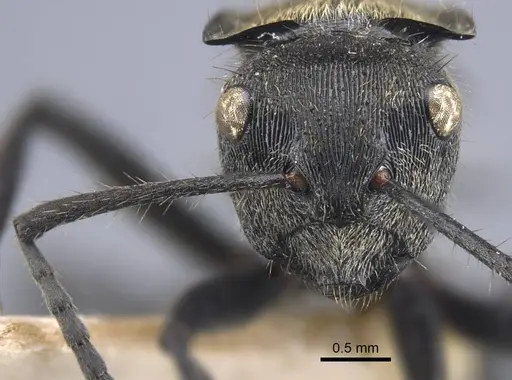
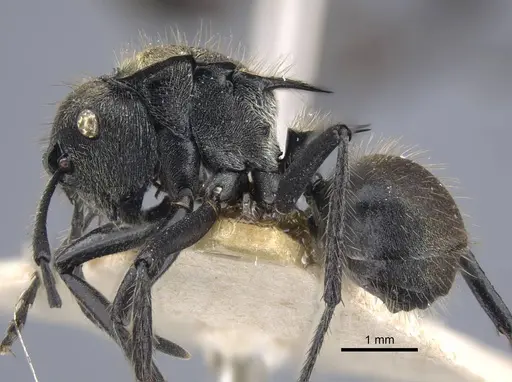
Polyrhachis limbata is a medium-sized ant species native to the Australasian region, specifically found throughout New Guinea, New Britain, and the Aru Islands [1]. Workers are characterized by their distinctive appearance featuring spines along the thorax and gaster, typical of the Polyrhachis genus, with a dark brown to black coloration and lighter appendages. This species belongs to the subgenus Chariomyrma and constructs nests in both subterranean locations and rotting wood [2][3]. Like all ants in the Formicinae subfamily, they lack a functional stinger and instead defend themselves by spraying formic acid. The species was first described by Emery in 1897,with some historical confusion in taxonomy that was resolved by Kohout in 1998,who confirmed verticalis as a synonym of limbata [1].
Quick Summary
- Difficulty: Medium
- Origin & Habitat: New Guinea region including Papua New Guinea, New Britain, and Aru Islands, tropical rainforest environment with high humidity and warm temperatures year-round
- Colony Type: Likely monogyne (single queen) based on typical genus patterns, though colony structure is not specifically documented for this species
- Colony: Monogyne
- Founding: Claustral
- Size & Growth:
- Queen: Estimated 10-12mm based on genus typical sizes, not directly measured for this species
- Worker: Estimated 6-8mm based on genus typical sizes, worker described in original description but exact measurements not specified [1]
- Colony: Unknown for this specific species, genus-level estimates suggest colonies may reach several hundred workers
- Growth: Moderate, tropical species with year-round development potential
- Development: Estimated 6-8 weeks at optimal tropical temperatures (25-28°C), based on typical Polyrhachis development patterns (Development time inferred from genus-level data, specific timeline for P. limbata not documented)
- Antkeeping:
- Temperature: Keep at 24-28°C, tropical species requiring warm, stable conditions. A heating cable on one side of the nest can create a gentle gradient.
- Humidity: High humidity required, aim for 70-85%. Keep the nest substrate consistently moist but not waterlogged. Mist occasionally and provide a water tube for drinking.
- Diapause: No, being a tropical species from New Guinea, they do not require hibernation or winter rest. Maintain warm temperatures year-round.
- Nesting: Accepts multiple nest types. In nature they nest both subterranean and in rotting wood [2][3]. Y-tong (AAC) nests, plaster nests, or naturalistic setups with both soil areas and wood pieces work well. Provide a moisture source.
- Behavior: Generally calm and non-aggressive compared to many ant species. Workers are active foragers, primarily hunting small insects and tending aphids for honeydew. They do not have a functional stinger but will spray formic acid when threatened. Escape risk is moderate, use standard barrier methods. They are primarily nocturnal or crepuscular in activity patterns, which is typical for many Polyrhachis species.
- Common Issues: tropical humidity requirements can lead to mold problems if ventilation is poor, warm temperatures must be maintained year-round, cold snaps can stress or kill colonies, limited availability in the antkeeping hobby means established colonies may be difficult to find, cocoon-spinning means they need appropriate nesting material that allows pupal development, wild-caught colonies may carry parasites that can cause problems in captivity
Housing and Nest Setup
Polyrhachis limbata accepts various nest types due to their flexible natural nesting preferences. They naturally nest both underground and in rotting wood [2][3], so you have several good options. Y-tong (AAC) nests work well because they provide dark, secure chambers and allow you to easily monitor humidity. Plaster or soil nests are also suitable and help maintain the high humidity this species needs. For the outworld, use a standard foraging area with a water tube and feeding dishes. Since they are tropical ants, avoid any drafty locations and keep the entire setup away from air conditioning vents or cold windows. Escape prevention should be moderate, these ants are not particularly small, so standard barriers like fluon on container rims work adequately.
Feeding and Diet
In the wild, Polyrhachis limbata workers are generalist foragers that hunt small insects and arthropods, and they also tend aphids and scale insects for honeydew. In captivity, offer a varied diet including protein sources like small crickets, mealworms, fruit flies, and other small insects. Sugar is important too, provide honey water, sugar water, or commercial ant nectar mixes. Feed protein roughly twice weekly and keep sugar sources available constantly. Remove uneaten prey after 24-48 hours to prevent mold. Some keepers report that Polyrhachis species accept cat food or other prepared protein, but live prey encourages natural foraging behavior.
Temperature and Humidity
As a tropical species from New Guinea, Polyrhachis limbata requires warm temperatures between 24-28°C. Temperature below 22°C can slow development and stress the colony, while temperatures above 30°C may be harmful. Use a heating cable or mat on one side of the nest to create a warm zone, but always provide unheated areas so ants can regulate their own temperature. Humidity should remain high at 70-85%. Keep the nest substrate moist but not soggy, overwatering leads to mold and fungal problems. A water tube in the outworld provides drinking water. Monitor for condensation inside the nest, some condensation is good, but excessive moisture indicates problems.
Colony Development and Growth
Polyrhachis limbata produces cocoons during pupation, which is a key characteristic of the genus [2]. The queen seals herself in a claustral chamber to raise the first brood, living off her stored fat reserves until nanitic (first) workers emerge. Development from egg to worker likely takes 6-8 weeks at optimal temperatures, based on typical Polyrhachis patterns. Colonies grow moderately, expect the first batch of workers (maybe 5-15 nanitics) within 1-2 months after founding. Subsequent broods develop faster as the colony grows and can have more workers. Mature colonies may reach several hundred workers. Unlike some ants, they do not require a diapause period due to their tropical origin.
Behavior and Temperament
Polyrhachis limbata is generally calm and less aggressive than many ant species. Workers go about their foraging activities methodically rather than frantically. When threatened, they rely on formic acid spray rather than stinging, this is important to know if you handle them, as the spray can irritate eyes and skin. They are primarily active during cooler parts of the day, often showing crepuscular or nocturnal patterns. Workers communicate using chemical trails to guide nestmates to food sources. They are not known for being particularly escape-prone compared to some tiny species, but standard barrier methods are still recommended. The spines on their bodies give them a distinctive appearance and may serve as defensive structures.
Frequently Asked Questions
How long does it take for Polyrhachis limbata to raise first workers?
From egg to first worker, expect approximately 6-8 weeks at optimal temperatures (25-28°C). This is based on typical Polyrhachis development patterns since specific timeline for P. limbata is not documented. The queen is claustrally sealed and raises the first brood alone, so patience is needed during the founding stage.
Can I keep Polyrhachis limbata in a test tube?
Test tubes can work for founding colonies, but you will likely need to move them to a more substantial nest as the colony grows. Their large size and need for humidity make Y-tong or plaster nests better long-term options. A test tube setup with a cotton water reservoir can work for the founding stage.
What temperature do Polyrhachis limbata ants need?
Keep them warm at 24-28°C. This tropical species from New Guinea does not tolerate cool temperatures well. Use a heating cable on part of the nest if your room temperature is below this range, but always provide unheated areas so ants can self-regulate.
Do Polyrhachis limbata need hibernation?
No, being a tropical species from New Guinea, they do not require hibernation or diapause. Maintain warm temperatures year-round. Cold temperatures can stress or kill the colony.
How big do Polyrhachis limbata colonies get?
Based on typical genus patterns, colonies likely reach several hundred workers. The exact maximum is not documented for this specific species, but Polyrhachis colonies are generally moderate-sized compared to some genera that reach thousands.
What do Polyrhachis limbata ants eat?
They are generalist feeders. Offer protein like small insects (fruit flies, small crickets, mealworms) roughly twice weekly, and keep sugar sources available constantly (honey water, sugar water, or commercial ant nectar). They also tend aphids in the wild for honeydew.
Are Polyrhachis limbata good for beginners?
They are rated as medium difficulty. They require warm, humid tropical conditions year-round, which can be challenging for beginners. However, they are generally calm and less aggressive than many ant species. If you can maintain consistent warmth and humidity, they can be a rewarding species to keep.
Why is my Polyrhachis limbata colony dying?
Common causes include: temperatures below 22°C (cold stress), humidity too low or too high (mold or dehydration), poor ventilation leading to mold, or stress from disturbance during the founding stage. Check your temperature and humidity levels first. Also consider whether wild-caught colonies might have parasites.
When should I move my Polyrhachis limbata to a formicarium?
Move them when the test tube or founding setup becomes crowded, typically when you see 20+ workers and the queen is actively producing brood. Make sure the new nest has appropriate humidity control. Moving too early can stress the colony, so wait until they are established.
References

This caresheet is licensed under CC BY-SA 4.0 .
CASENT0281357
View on AntWeb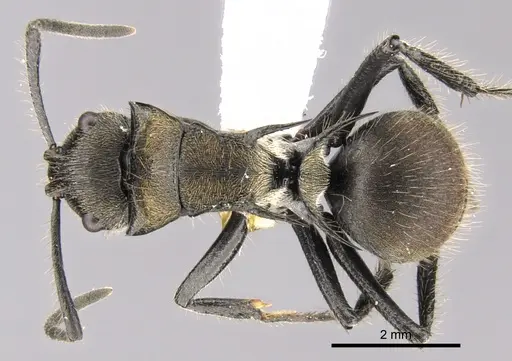
CASENT0281372
View on AntWeb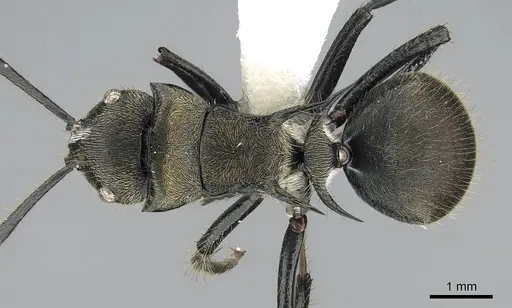
CASENT0905822
View on AntWeb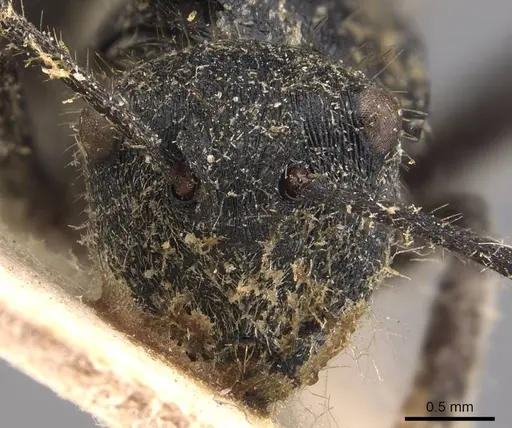
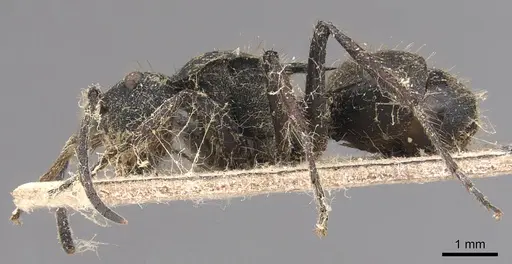
CASENT0917182
View on AntWeb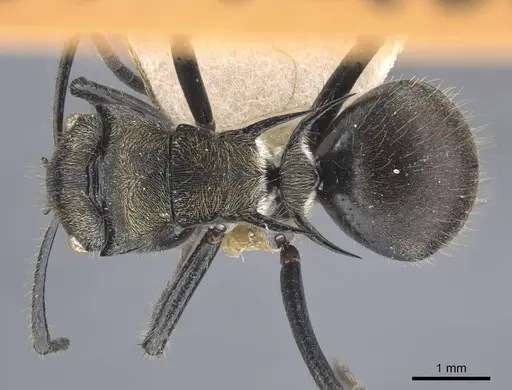
Literature
Loading...Loading products...