

Polyrhachis lestoni
- Scientific Name
- Polyrhachis lestoni
- Subgenus
- Myrma
- Tribe
- Camponotini
- Subfamily
- Formicinae
- Author
- Bolton, 1973
- Distribution
- Found in 2 countries
Polyrhachis lestoni Overview
Polyrhachis lestoni is an ant species of the genus Polyrhachis. It is primarily documented in 2 countries , including Congo, Kenya. Detailed taxonomic data and occurrence records can be further explored via authoritative databases such as AntWeb or the Global Biodiversity Information Facility (GBIF).
Polyrhachis lestoni
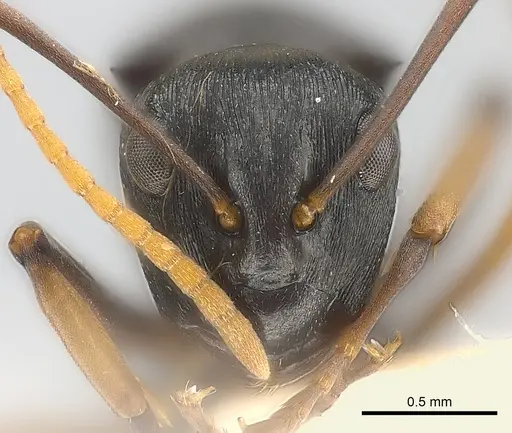
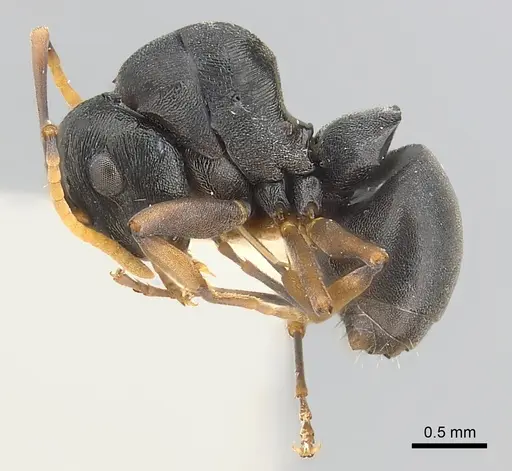
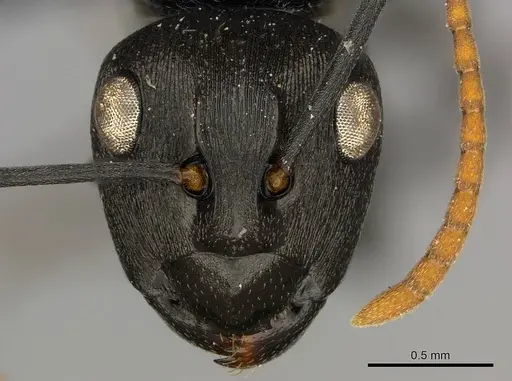
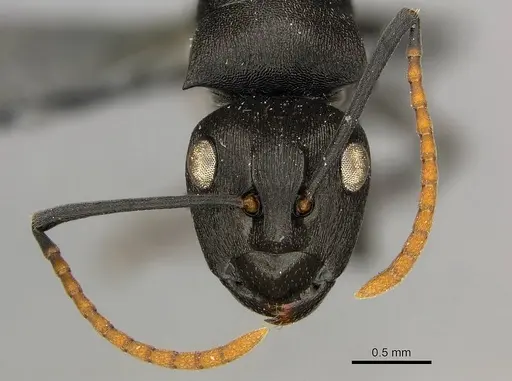
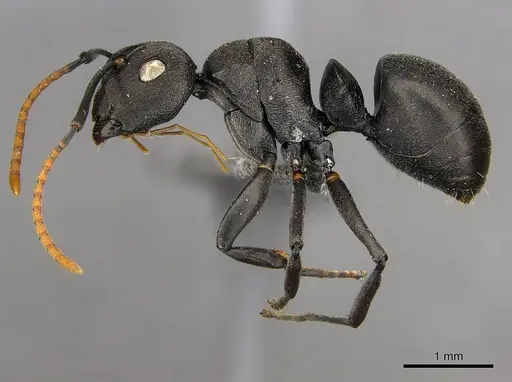
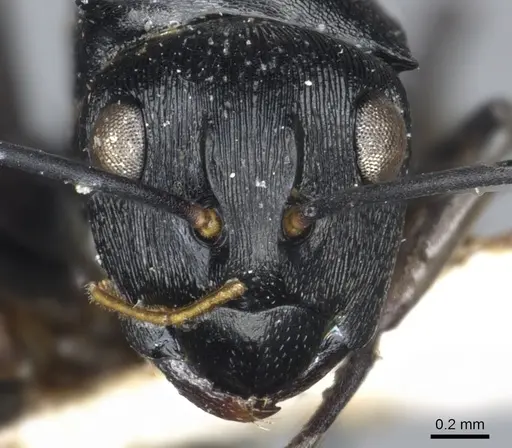
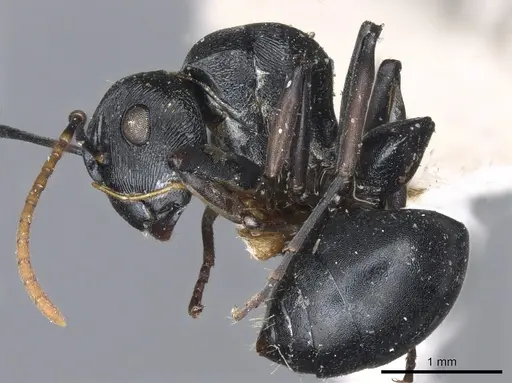
Polyrhachis lestoni is a medium-sized African ant belonging to the Formicinae subfamily, part of the alexisi species group. Workers measure 5.5-5.7mm in length with distinctive morphological features including a petiole armed only with a pair of lateral teeth and a weakly developed transverse ridge between the propodeal dorsum and declivity [1]. The species was originally described from Ghana and is now known across central to east Africa, including Kenya's Kakamega Forest, the Central African Republic, and Republic of Congo [1]. These ants inhabit primary forest environments and are typically collected through canopy fogging, indicating they are arboreal or canopy-dwelling species [2].
The genus Polyrhachis is known for their often spiny appearance and diverse nesting behaviors. P. lestoni stands out within its species group for the simplified petiolar armature, having only lateral teeth rather than the more elaborate spines seen in related species. This makes them relatively easy to identify among African Polyrhachis. Their natural history suggests they are forest-floor to canopy inhabitants, which influences their care requirements in captivity.
Quick Summary
- Difficulty: Medium
- Origin & Habitat: Central Africa (Ghana, Central African Republic, Republic of Congo, Kenya, Kakamege Forest). Inhabits primary tropical forest, typically collected from canopy level via fogging at elevations around 375m [3][1].
- Colony Type: Colony structure is not directly documented in available research. Based on typical Polyrhachis patterns, likely single-queen (monogyne) colonies.
- Colony: Monogyne
- Founding: Claustral
- Size & Growth:
- Queen: Not directly measured in available literature, estimated 7-9mm based on worker size and genus patterns
- Worker: 5.5-5.7mm (HL 1.25-1.35mm, HW 1.11-1.19mm) [1]
- Colony: Unknown from available data, likely moderate colonies of 100-500 workers based on genus patterns
- Growth: Moderate, estimated based on related Formicinae species
- Development: Estimated 6-10 weeks at optimal temperature based on typical Formicinae development (Development time is estimated, no direct species-specific data available. Temperature will significantly affect development speed.)
- Antkeeping:
- Temperature: Keep at 24-28°C (warm tropical conditions). A gentle gradient allowing workers to self-regulate is ideal. Room temperature in most homes may be adequate if kept in a warm room.
- Humidity: Moderate to high humidity (60-80%). These forest-dwelling ants prefer stable moisture conditions. Provide a water tube for drinking access and ensure the nest substrate remains lightly damp but not waterlogged.
- Diapause: Likely minimal or no true diapause, being a tropical species, they probably experience year-round activity with possible slowdowns during drier seasons. No specific hibernation data available.
- Nesting: In captivity, they do well in Y-tong (AAC) nests, plaster nests, or naturalistic setups with multiple chambers. They are not strict cavity-nesters and may accept various nest types. Provide vertical spaces and multiple chambers for colony expansion.
- Behavior: Polyrhachis lestoni is generally calm and not particularly aggressive. Workers are active foragers, likely hunting small insects and tending honeydew-producing insects in nature. They are moderate escape artists, not tiny enough to slip through standard barriers, but active enough to find gaps. Use standard escape prevention (Fluon on rim edges) but they are not as problematic as tiny species. They show typical Formicinae behavior with workers patrolling and foraging individually rather than in massive raids.
- Common Issues: tropical species may suffer if kept too cool, monitor for sluggish behavior indicating temperature stress, wild-caught colonies may carry parasites or diseases that can decimate captive colonies, limited availability means established colonies are valuable, prioritize colony survival over growth speed, humidity fluctuations can cause stress, avoid placing nest near heating elements or in dry rooms, escape prevention should still be practiced despite moderate size, active foragers will explore any gaps
Housing and Nest Setup
Polyrhachis lestoni adapts well to various captive setups. Y-tong (AAC) nests work excellently, the acrylic chambers allow you to observe colony behavior while providing appropriate chamber sizes. Plaster nests are also suitable, offering good humidity retention. For a naturalistic approach, use a terrarium with soil substrate and provide multiple hiding spots (cork bark, stones, leaf litter). The key is providing enough vertical space for the colony to expand as it grows. A small outworld connected to the nest allows workers to forage away from the brood area. Ensure the nest has multiple connected chambers so the colony can regulate temperature and humidity by moving brood between areas. Escape prevention should include Fluon applied to rim edges and a barrier around the outworld, while not tiny, these active foragers will explore gaps.
Feeding and Diet
In the wild, Polyrhachis species are omnivorous, feeding on honeydew from aphids and scale insects, small insects, and nectar. In captivity, offer a varied diet: sugar water or honey water (always available), protein sources like small crickets, mealworms, or fruit flies 2-3 times per week, and occasional treats like tiny fruit pieces. Remove uneaten prey after 24-48 hours to prevent mold. Fresh water should always be available, a small water tube with a cotton plug works well. These ants are moderate feeders, they will consume what they need but are not aggressive foragers like some species. Adjust feeding frequency based on colony size and activity levels. A well-fed colony will have workers with distended abdomens (physogastric appearance in workers storing food).
Temperature and Seasonal Care
As a tropical species from central African primary forests, P. lestoni requires warm conditions. Maintain temperatures between 24-28°C for optimal colony health and brood development. A heating cable or mat on one side of the nest creates a temperature gradient, allowing workers to move brood to their preferred zone. Avoid temperatures below 20°C for extended periods, this species is not cold-tolerant. Room temperature in heated homes (around 22-24°C) is often adequate, but monitor colony behavior. If workers become sluggish or cluster tightly in one area, consider adding gentle heat. Unlike temperate species, they likely do not require a true hibernation period. However, slight temperature reductions during winter months in unheated spaces may trigger slower activity, which is natural.
Humidity Management
Maintain moderate to high humidity (60-80%) to mimic their primary forest habitat. The nest substrate should remain consistently damp but never waterlogged, standing water in the nest can drown brood and encourage mold. A water tube attached to the nest provides drinking access and helps maintain humidity through evaporation. Observe condensation levels: heavy condensation that never dries may indicate too much moisture, while complete absence of condensation suggests the nest is too dry. Mist the outworld occasionally but avoid direct misting of the nest. If using a Y-tong nest, the water chamber should be refilled before it empties completely. Good ventilation helps prevent mold while maintaining humidity.
Colony Development and Growth
Polyrhachis lestoni colonies grow at a moderate pace. A newly mated queen will seal herself in a chamber (claustral founding) and lay eggs after 1-2 weeks. The first workers (nanitics) typically emerge 6-10 weeks later, depending on temperature. Initial colony size is small, often just 5-15 workers in the first few months. Growth accelerates once the first nanitics begin foraging. A mature colony may reach several hundred workers over 2-3 years under optimal conditions. The queen has a long lifespan, potentially living several years, with workers living several months each. Colony growth can be encouraged by maintaining optimal temperature, providing consistent nutrition, and avoiding disturbances during founding. Patience is key, this is not a fast-growing species.
Behavior and Observation
Polyrhachis lestoni workers are active and curious, making them engaging to observe. They forage individually rather than in large groups, patrolling their territory systematically. Workers communicate through chemical trails and will quickly discover food sources, recruiting nestmates. Unlike some aggressive ant species, they are generally docile, they may bite if threatened but rarely sting. Their moderate size (5-7mm) makes them easy to observe without being difficult to contain. You may notice workers tending to small insects or collecting honeydew in the outworld, this is natural foraging behavior. The species shows typical Formicinae social organization with clear division of labor between queen, workers, and brood. Regular observation helps you understand your colony's specific preferences for temperature, humidity, and food.
Frequently Asked Questions
How long does it take for Polyrhachis lestoni to produce first workers?
Expect first workers (nanitics) to emerge 6-10 weeks after the queen lays eggs, assuming optimal temperature of 24-28°C. Cooler temperatures will significantly slow development. The queen seals herself in during founding and relies on stored energy until her first workers hatch.
What do Polyrhachis lestoni ants eat?
They are omnivorous. Offer sugar water or honey water constantly, protein sources (small crickets, mealworms, fruit flies) 2-3 times weekly, and occasional fruit or other treats. Remove uneaten prey after 24-48 hours. Fresh water must always be available.
What temperature do Polyrhachis lestoni colonies need?
Keep them warm at 24-28°C. They are tropical ants and do not tolerate cool temperatures well. A heating cable on one side of the nest creates a gradient for self-regulation. Avoid temperatures below 20°C.
Are Polyrhachis lestoni good for beginners?
They are rated as medium difficulty. They require warm, stable conditions typical of tropical ants, but their moderate size and docile temperament make them manageable. The main challenges are maintaining proper temperature/humidity and their relatively slow growth compared to some common species.
How big do Polyrhachis lestoni colonies get?
Based on genus patterns, mature colonies likely reach 100-500 workers over 2-3 years under optimal conditions. Exact colony size for this species is not documented in available literature.
Do Polyrhachis lestoni need hibernation?
Probably not. As a tropical species from central Africa, they likely remain active year-round with possible slowdowns during natural dry seasons. No true diapause is required.
Can I keep multiple Polyrhachis lestoni queens together?
This is not recommended. While colony structure is not directly documented, Polyrhachis species are typically single-queen colonies. Combining unrelated queens risks fighting and colony failure.
Why is my Polyrhachis lestoni colony declining?
Common causes include: temperature stress (too cold), humidity problems (too dry or waterlogged), parasites, disease from wild-caught colonies, or insufficient nutrition. Review temperature, humidity, and feeding. Wild-caught colonies often carry pathogens that can devastate captive colonies, quarantine and monitor new colonies carefully.
References

This caresheet is licensed under CC BY-SA 4.0 .
CASENT0088927
View on AntWeb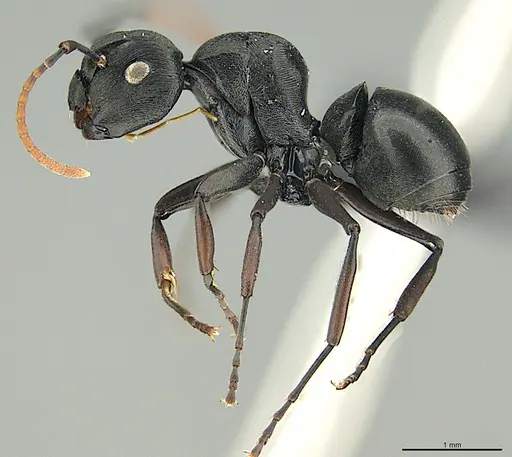
CASENT0178252
View on AntWeb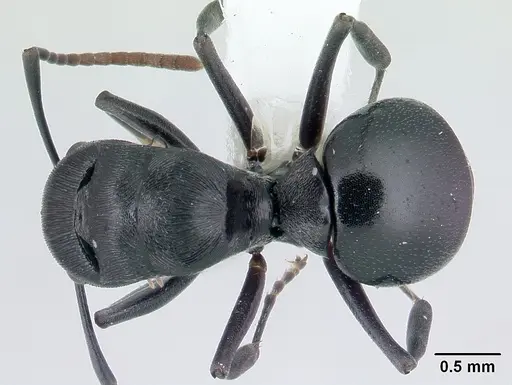
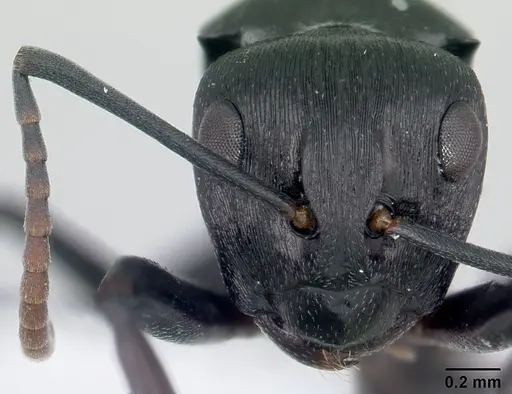
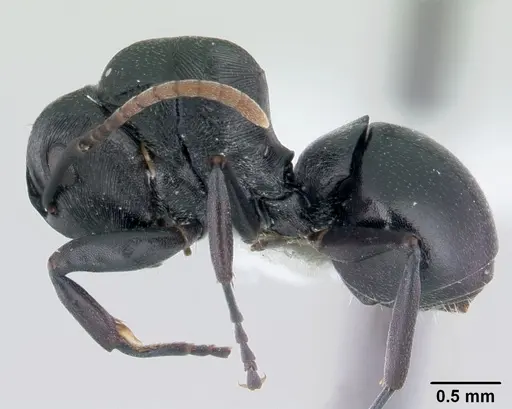
CASENT0227539
View on AntWeb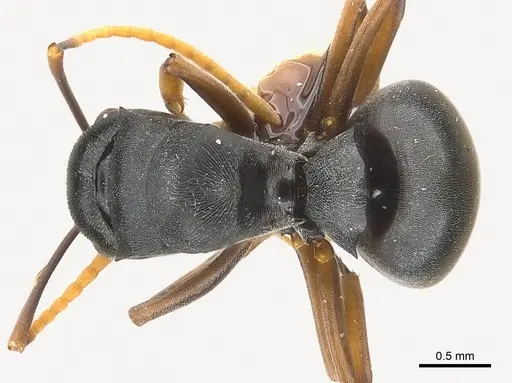
CASENT0250030
View on AntWeb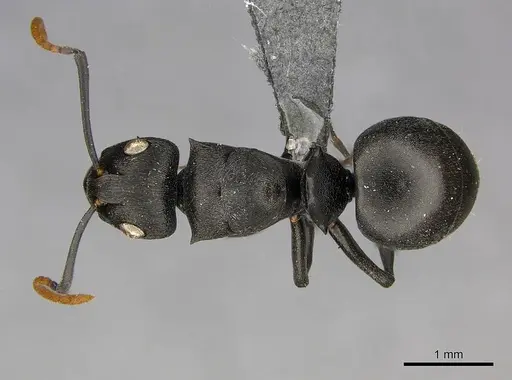
CASENT0903459
View on AntWeb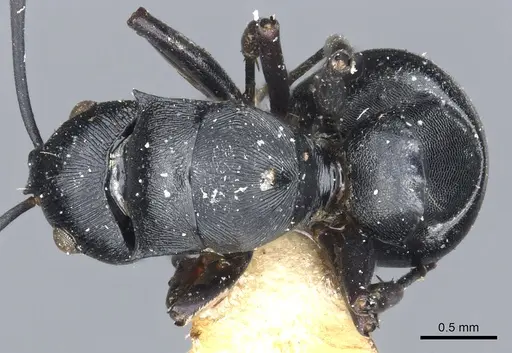
Literature
Loading...Loading products...