

Polyrhachis lepida
- Scientific Name
- Polyrhachis lepida
- Subgenus
- Cyrtomyrma
- Tribe
- Camponotini
- Subfamily
- Formicinae
- Author
- Kohout, 2006
- Distribution
- Found in 1 countries
Polyrhachis lepida Overview
Polyrhachis lepida is an ant species of the genus Polyrhachis. It is primarily documented in 1 countries , including Malaysia. Detailed taxonomic data and occurrence records can be further explored via authoritative databases such as AntWeb or the Global Biodiversity Information Facility (GBIF).
Polyrhachis lepida
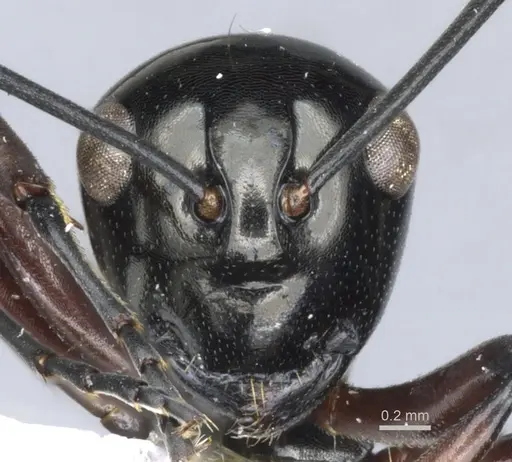
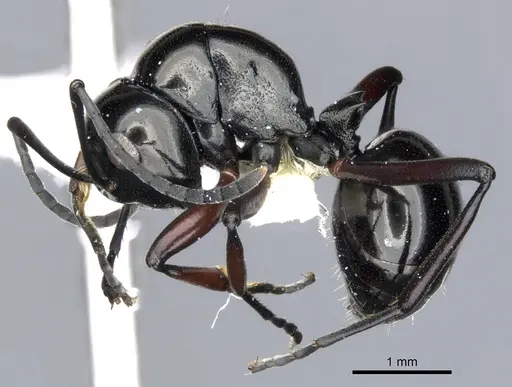
Polyrhachis lepida is a medium-sized arboreal ant endemic to Borneo, measuring 5.6-6.0mm for workers and 6.8-7.6mm for queens [1]. They have a distinctive black body with reddish-brown legs, and their most striking feature is the petiolar spines, they have a pair of short dorsal teeth and a pair of distinctly longer, slender lateral spines [1]. The species can be distinguished from the similar P. rastellata by its smaller size, more convex back of the head, and longer antennae. These ants are relatively common along the edges of rainforest clearings across Borneo, from lowland areas to higher altitudes [2].
Unlike many ground-nesting ants, P. lepida builds nests between leaves in the lower arboreal zone, essentially weaving temporary nests in vegetation like many other Polyrhachis species. However, researchers have also found them nesting in unusual locations, including inside hollow sections of dry bamboo stems lying on the ground [2]. This flexibility in nesting sites is interesting for keepers, as it suggests they can adapt to various captive setups.
Quick Summary
- Difficulty: Medium
- Origin & Habitat: Endemic to Borneo (Indonesia, Malaysia, Singapore), found in rainforest edges from lowlands to higher altitudes [2]
- Colony Type: Likely single-queen colonies (monogyne) based on typical genus patterns, colony structure has not been specifically documented for this species
- Colony: Monogyne
- Founding: Claustral
- Size & Growth:
- Queen: 6.8-7.61mm [2]
- Worker: 5.64-6.00mm [1]
- Colony: Unknown, no colony size data available for this species
- Growth: Unknown, no development data available
- Development: Unconfirmed, no direct development data exists. Based on typical Polyrhachis patterns, expect 6-10 weeks at warm temperatures (Development timeline has not been studied. Related Polyrhachis species suggest several months from egg to first worker)
- Antkeeping:
- Temperature: Aim for 24-28°C, these are tropical rainforest ants that prefer warm, stable conditions. Room temperature (24-26°C) is likely suitable. A slight gradient allows them to choose their preferred spot.
- Humidity: Keep moderately humid (60-80%). As arboreal nesters, they need moisture but not saturation. Mist the outworld occasionally and provide a water source.
- Diapause: No, these are tropical ants from Borneo and do not require hibernation. Keep them warm year-round.
- Nesting: Provide a naturalistic setup with climbing structures, branches, leaves, or cork bark that allows them to build between surfaces. A Y-tong or acrylic nest with connecting outworld also works. They prefer tight, enclosed spaces for the queen.
- Behavior: Polyrhachis ants are generally calm and not aggressive toward keepers. Workers are active foragers that can climb well. They may be moderate escape artists due to their size, use standard barrier methods. The genus is known for weaving behavior, using larval silk to bind leaf edges together for nests [2].
- Common Issues: tropical species needs warmth, temperatures below 22°C may slow activity and affect brood development, escape prevention is important, they can climb and squeeze through small gaps despite their moderate size, no specific colony data means keepers must observe and adjust care based on colony response, wild-caught colonies may carry parasites or diseases that can cause colony failure
Nest Preferences and Housing
In the wild, Polyrhachis lepida typically builds nests between leaves in the lower arboreal zone, weaving together leaf edges using silk from their larvae [2]. This makes them different from ground-nesting ants that dig in soil. One specimen was also found nesting inside a hollow bamboo stem on the ground, showing some flexibility [2].
For captive care, provide a naturalistic setup with vertical climbing space. Cork bark, branches, or artificial leaves connected to a formicarium work well. The ants will attempt to weave their own nests between these surfaces if given the opportunity. A Y-tong nest or acrylic nest with a connected outworld also works, just ensure there are appropriate climbing surfaces and enough vertical space for their arboreal lifestyle. Keep the nest chamber relatively small and enclosed for the founding queen.
Feeding and Diet
Polyrhachis ants are generalist omnivores. They likely feed on honeydew from aphids and scale insects in the wild, along with small insects and nectar. In captivity, offer sugar water or honey as a constant energy source. For protein, provide small insects like fruit flies, small crickets, or mealworms. Polyrhachis species are known to be fond of sweet liquids, so honey water or sugar water should be readily accepted.
Feed the colony 2-3 times per week with protein sources, and keep a sugar source available at all times. Remove uneaten prey after 24-48 hours to prevent mold. Observe your colony's preferences, some colonies may favor certain foods over others. Fresh fruit slices can also be offered as an additional sugar source.
Temperature and Seasonal Care
As a tropical species from Borneo, Polyrhachis lepida requires warm conditions year-round. Keep the nest and outworld at 24-28°C. Room temperature in most homes (around 24-26°C) should be suitable. If your room is cooler, use a heating cable on one side of the nest to create a gentle gradient, place it on top of the nest, not underneath, to avoid drying out the nest too quickly.
These ants do not require hibernation or diapause. Maintaining consistent warmth is key, sudden temperature drops or cold drafts can stress the colony and slow or stop brood development. No winter cooling is needed. Keep them away from air conditioning vents and cold windows during winter months.
Behavior and Colony Dynamics
Polyrhachis lepida is a relatively calm species that doesn't show aggressive swarming when the nest is disturbed. Workers are active foragers that will explore both the ground and vertical surfaces. The genus is known for its 'weaver ant' behavior, using larval silk to bind leaves together into nest structures. While your colony won't build large woven nests in captivity, you may observe them binding materials together in corners of their enclosure.
Queens are relatively large (6.8-7.6mm) and robust. The species appears to have only one queen per colony based on typical genus patterns, though this hasn't been specifically documented. Workers are moderate in size (5.6-6.0mm) and can climb well. They are not particularly aggressive but can bite if handled roughly. Escape prevention should be taken seriously, they can grip surfaces well and may find gaps in setups. [1][2]
Frequently Asked Questions
How long does it take for Polyrhachis lepida to produce first workers?
The exact development timeline is unconfirmed for this species. Based on typical Polyrhachis patterns, expect 6-10 weeks from egg to first worker at optimal warm temperatures (around 26°C). Be patient, this species may develop slower than more common temperate ants.
What do Polyrhachis lepida ants eat?
They are omnivores. Offer a constant sugar source (honey water or sugar water) and protein sources like small insects (fruit flies, small crickets, mealworms) 2-3 times per week. They will also accept fresh fruit.
Do Polyrhachis lepida ants need hibernation?
No. These are tropical ants from Borneo and do not require hibernation. Keep them warm year-round at 24-28°C.
What size colony do Polyrhachis lepida reach?
Colony size data is not available for this specific species. Based on related Polyrhachis species, expect moderate colony sizes of perhaps several hundred workers over several years.
Can I keep multiple Polyrhachis lepida queens together?
This has not been documented for the species. Based on typical genus patterns, they are likely single-queen colonies. It is not recommended to introduce additional queens to an established colony.
Are Polyrhachis lepida good for beginners?
They are rated as medium difficulty. They require warm, humid conditions year-round and need arboreal-style housing with climbing space. They are not as commonly kept as Lasius or Camponotus, so less care information is available. Some antkeeping experience is helpful.
How do I set up a colony founding setup for Polyrhachis lepida?
Use a test tube setup with a water reservoir. Since they are likely claustral, the queen will seal herself in and raise the first brood alone. Keep the setup warm (26°C), dark, and undisturbed. After workers emerge, you can gradually introduce them to a larger outworld.
Where is Polyrhachis lepida found in the wild?
This species is endemic to Borneo, found in Indonesia, Malaysia, and Singapore. They live in rainforest edges from lowland areas to higher altitudes and build nests between leaves in vegetation.
References

This caresheet is licensed under CC BY-SA 4.0 .
CASENT0903391
View on AntWeb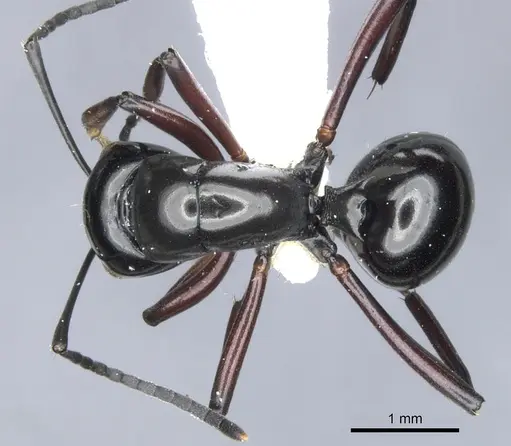
Literature
Loading...Loading products...