

Polyrhachis leae
- Scientific Name
- Polyrhachis leae
- Subgenus
- Campomyrma
- Tribe
- Camponotini
- Subfamily
- Formicinae
- Author
- Forel, 1913
- Distribution
- Found in 1 countries
Polyrhachis leae Overview
Polyrhachis leae is an ant species of the genus Polyrhachis. It is primarily documented in 1 countries , including Australia. Detailed taxonomic data and occurrence records can be further explored via authoritative databases such as AntWeb or the Global Biodiversity Information Facility (GBIF).
Polyrhachis leae
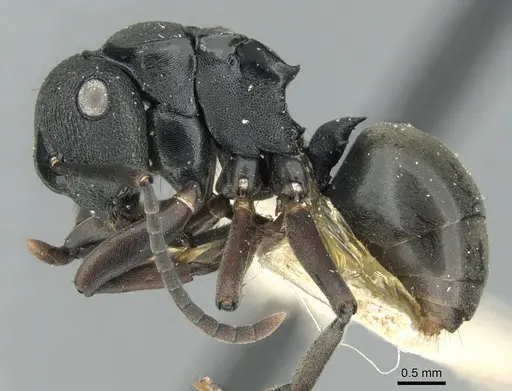
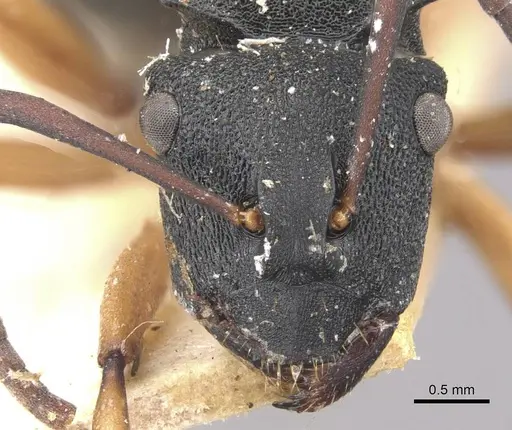
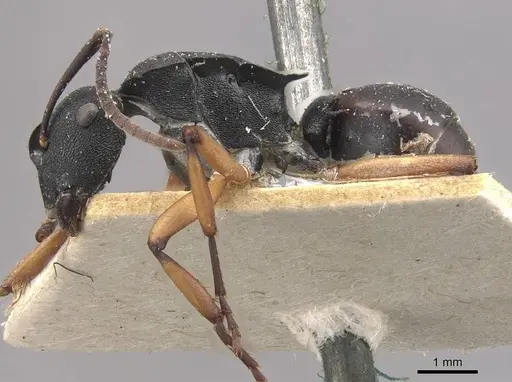
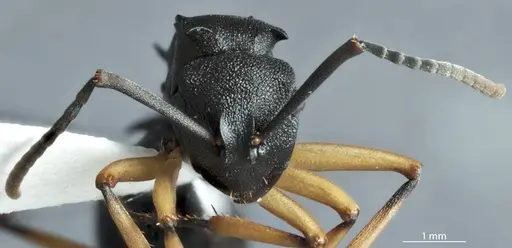
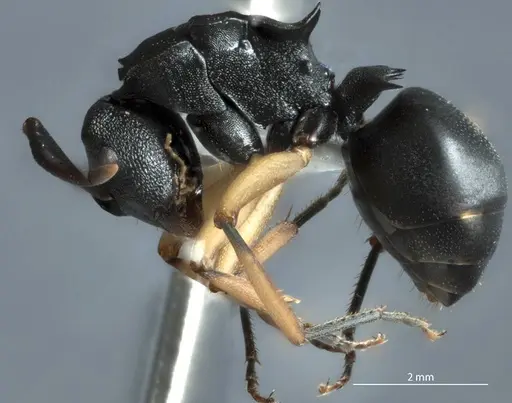
Polyrhachis leae is a medium-sized ant species native to Australia, found primarily in Tasmania and parts of Western Australia. Workers are characterized by their distinctive spiny thorax, a common trait of the Polyrhachis genus, and measure around 6-8mm. The species was first described by Forel in 1913 and belongs to the subgenus Campomyrma. These ants are typically found in wetter coastal regions and are associated with nesting in tree bark, particularly in eucalyptus forests. Unlike some related Polyrhachis species that build woven leaf nests, P. leae appears to be a bark-nesting species. The genus Polyrhachis is known for being generally docile and non-aggressive, making them an interesting choice for antkeepers interested in Australian species.
Quick Summary
- Difficulty: Medium
- Origin & Habitat: Native to Australia, specifically Tasmania and southwestern Western Australia. Found in wetter coastal areas and eucalyptus forests, nesting in tree bark [1][2].
- Colony Type: Colony structure is unconfirmed. Most Polyrhachis species are monogyne (single queen), but this has not been directly documented for P. leae.
- Size & Growth:
- Queen: Estimated 8-10mm based on genus patterns [2]
- Worker: Approximately 6-8mm [1]
- Colony: Unknown for this specific species, Polyrhachis colonies typically reach several hundred to a few thousand workers [2]
- Growth: Moderate, based on typical Polyrhachis development
- Development: Estimated 6-10 weeks based on related Formicinae species at optimal temperature (Development time is estimated from genus-level data since specific studies are unavailable for this species)
- Antkeeping:
- Temperature: Keep around 22-26°C. Being an Australian species from temperate regions, they can tolerate cooler temperatures but prefer warmth. A gentle gradient allowing them to choose their preferred spot is ideal.
- Humidity: Moderate to high humidity, they naturally occur in wetter coastal areas. Keep nest substrate moderately moist but not waterlogged. Provide a water source.
- Diapause: Likely required. As a Tasmanian species, they likely need a winter rest period of 2-3 months at around 10-15°C. This is typical for Australian Polyrhachis species from temperate regions.
- Nesting: Bark-nesting species. In captivity, they do well in naturalistic setups with vertical surfaces, cork bark, or wood pieces. Y-tong nests or acrylic nests with roughened surfaces also work well. They prefer having climbing opportunities and elevated nesting sites.
- Behavior: Generally docile and non-aggressive. Workers are active foragers but not particularly aggressive toward keepers. They are arboreal in nature, so they will explore vertical spaces and appreciate climbing structures. Escape risk is moderate, standard containment measures work well for their size. They are not known for stinging and pose no danger to keepers.
- Common Issues: lack of specific care data, this species is poorly studied and most recommendations are based on genus-level patterns, hibernation management, improper diapause can weaken or kill colonies, humidity balance, too dry causes desiccation, too wet causes mold issues, escape prevention, being arboreal, they will climb readily and may escape if not properly contained, slow establishment, newly caught colonies may take time to acclimate to captive conditions
Housing and Nest Setup
Polyrhachis leae is a bark-nesting species, so your setup should reflect their natural arboreal preferences. These ants do best in naturalistic setups that include vertical surfaces, pieces of cork bark, or small wood sections where they can nest between layers. A Y-tong (acrylic) nest with roughened chambers also works well since they can grip the surfaces. Avoid fully enclosed test tube setups, they prefer more open spaces with climbing opportunities. Include small branches, leaves, or other structures they can walk on. The outworld should have vertical elements since these ants naturally forage upward rather than across ground. Escape prevention should be taken seriously, apply fluon or similar barriers to the rim of your formicarium. [1][2]
Feeding and Diet
Like most Polyrhachis species, P. leae is omnivorous and will accept a variety of foods. Offer sugar water or honey as a constant energy source, they will readily consume these. For protein, provide small insects such as fruit flies, small crickets, or mealworms. Being an arboreal species, they may also tend aphids or scale insects if present in their setup. Feed protein sources 2-3 times per week, and keep sugar water available at all times. Remove uneaten prey after 24-48 hours to prevent mold. Observe your colony's preferences, some individuals within the genus show strong preferences for certain foods. [2]
Temperature and Seasonal Care
Maintain temperatures between 22-26°C for optimal colony health and development. As a species from Tasmania and southwestern Australia, they are adapted to temperate conditions and can tolerate temperatures outside this range. During summer, room temperature is usually sufficient. In winter, you will need to provide a diapause period, this is critical for the health of colonies originating from temperate regions. Reduce temperatures to 10-15°C for 2-3 months, typically from late autumn through winter. Do not feed during diapause but keep a small water source available. Gradual temperature changes are important, avoid sudden drops that could stress the colony. [1]
Humidity and Water
These ants come from wetter coastal regions of Australia, so they appreciate moderate to high humidity. Keep the nest substrate consistently moist but never waterlogged. For naturalistic setups, mist regularly and allow some areas to dry slightly while others remain damp. For Y-tong nests, ensure the water reservoir is appropriately sized, too much water leads to flooding, too little causes desiccation. Always provide a dedicated water source such as a cotton ball in a tube or small water dish. Monitor for mold, which indicates excessive moisture, and improve ventilation if mold appears. [1]
Behavior and Observation
Polyrhachis leae is a docile species that makes for an engaging observational ant. Workers are active and will readily explore vertical surfaces in search of food. Unlike some ground-nesting ants, these arboreal ants are fun to watch as they navigate three-dimensional spaces. They are not aggressive and rarely bite, making them safe to handle gently if necessary. The species is not known for stinging, so there is no danger to keepers. Their spiny thorax gives them a distinctive appearance that makes them visually interesting. Colonies tend to be moderately active throughout the day rather than strictly diurnal or nocturnal. [2]
Frequently Asked Questions
How long does it take for Polyrhachis leae to produce first workers?
Based on typical Polyrhachis development patterns, expect first workers (nanitics) approximately 6-10 weeks after the queen lays eggs. This timeline assumes optimal temperatures around 24-26°C. Development may be slower if temperatures are lower.
What temperature do Polyrhachis leae need?
Keep them at 22-26°C. They can tolerate a range from roughly 18°C to around 28°C, but consistency is key. Avoid temperatures above 30°C or below 15°C for extended periods.
Do Polyrhachis leae need hibernation?
Yes, as a Tasmanian species, they likely require a winter diapause period. Reduce temperatures to 10-15°C for 2-3 months during winter. This rest period is important for colony health and triggering reproductive cycles.
What do Polyrhachis leae eat?
They are omnivorous. Offer sugar water or honey constantly for energy, and provide protein sources like small insects (fruit flies, small crickets, mealworms) 2-3 times per week. They may also accept other sweet liquids.
Can I keep Polyrhachis leae in a test tube?
Test tubes are not ideal for this species. They are arboreal bark-nesters that prefer vertical spaces and climbing opportunities. A naturalistic setup with cork bark or a Y-tong nest works much better. They need surfaces they can grip and climb on.
How big do Polyrhachis leae colonies get?
Colony size is not documented specifically for this species, but Polyrhachis colonies typically reach several hundred to a few thousand workers. Growth is moderate, expect a few years to reach moderate colony sizes.
Is Polyrhachis leae good for beginners?
This species is rated as medium difficulty. While they are docile and not dangerous, they have specific humidity and temperature requirements that make them better suited for keepers with some experience. Their arboreal nature also requires a more thoughtful setup than simple ground-nesting species.
Where is Polyrhachis leae found?
Polyrhachis leae is native to Australia, specifically Tasmania and southwestern Western Australia. They are found in wetter coastal regions and eucalyptus forests.
When should I move my colony to a formicarium?
Move them when the colony reaches around 30-50 workers and you notice they are outgrowing their initial setup. For this species, choose a setup with vertical elements rather than a horizontal formicarium. They do well in naturalistic setups with climbing structures.
References

This caresheet is licensed under CC BY-SA 4.0 .
ANTWEB1008265
View on AntWeb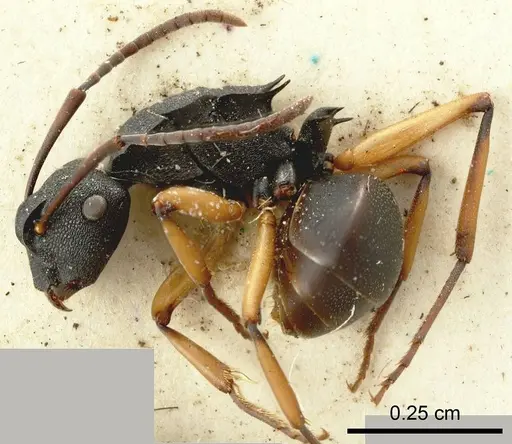
CASENT0906562
View on AntWeb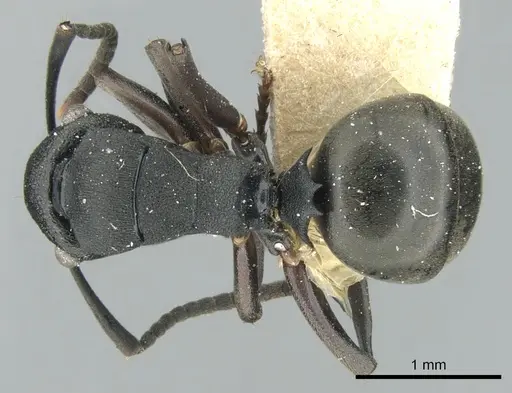
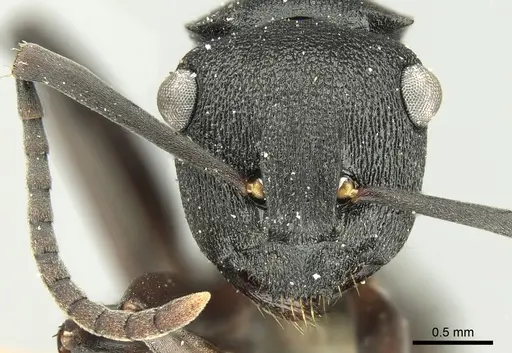
CASENT0910773
View on AntWeb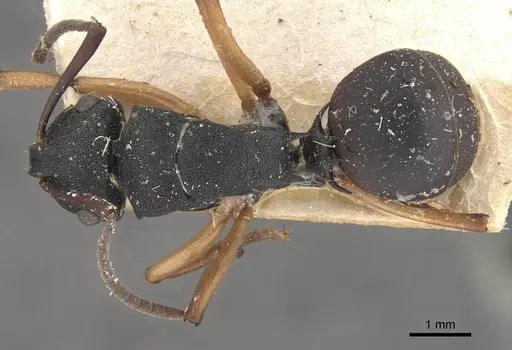
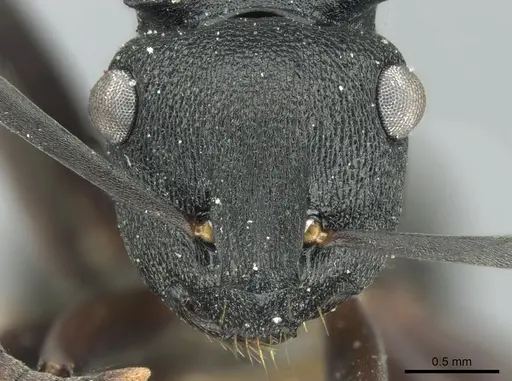
JDM32-002162
View on AntWeb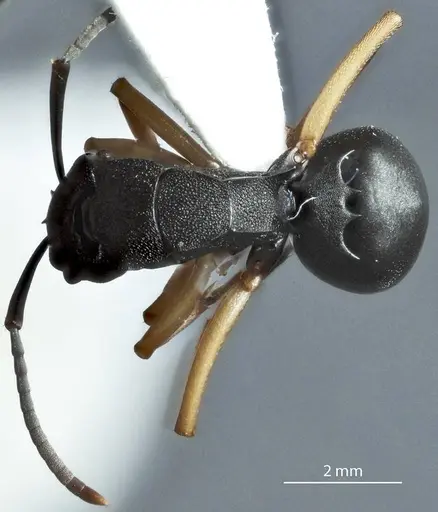
Literature
Loading...Loading products...