

Polyrhachis latispina
- Scientific Name
- Polyrhachis latispina
- Subgenus
- Myrma
- Tribe
- Camponotini
- Subfamily
- Formicinae
- Author
- Emery, 1925
- Distribution
- Found in 4 countries
Polyrhachis latispina Overview
Polyrhachis latispina is an ant species of the genus Polyrhachis. It is primarily documented in 4 countries , including Gabon, Kenya, Tanzania. Detailed taxonomic data and occurrence records can be further explored via authoritative databases such as AntWeb or the Global Biodiversity Information Facility (GBIF).
Polyrhachis latispina
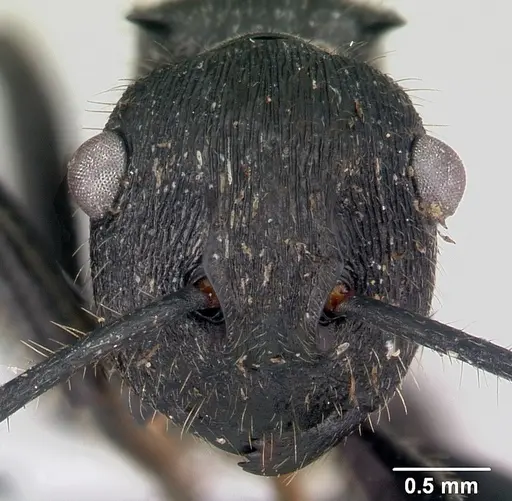
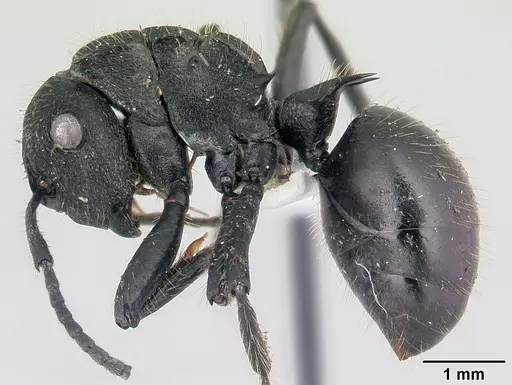
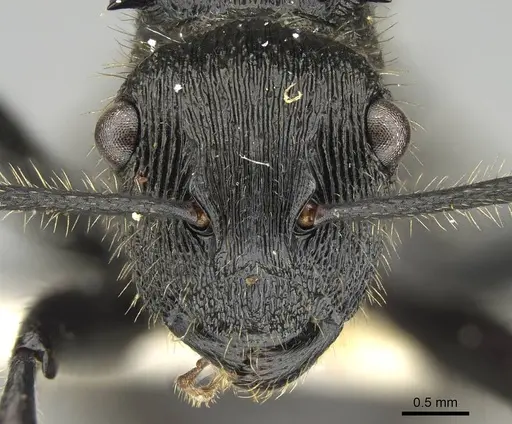
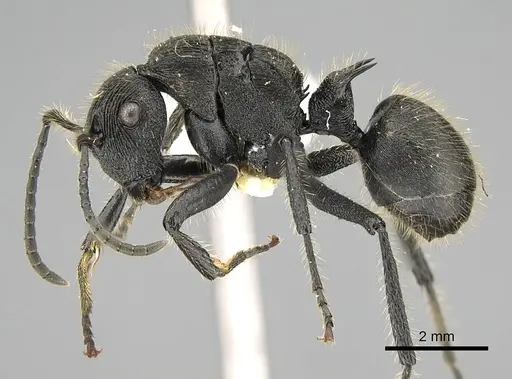
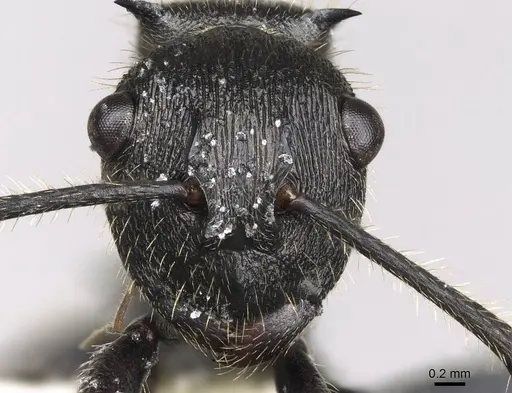
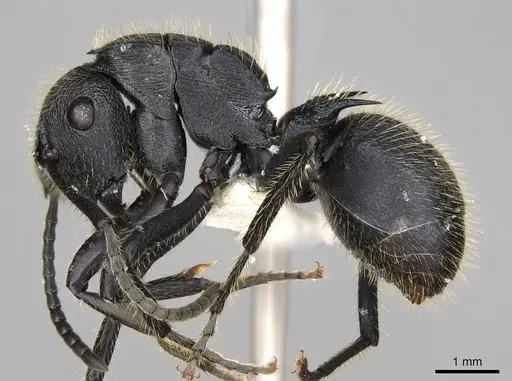
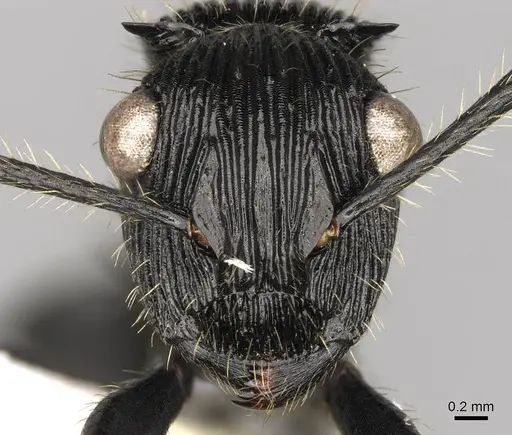
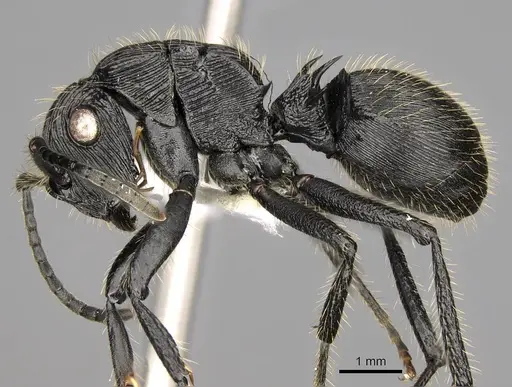
Polyrhachis latispina is a large, striking arboreal ant species from the rainforests of Central and East Africa. Workers measure 9.4-11.2mm with a distinctive appearance featuring four spines on the petiole, two long curved ones on top and shorter lateral spines. Their body is black with brown to yellow-brown legs, covered in numerous fine whitish erect hairs. The pronotum has a pair of flattened triangular teeth, and the propodeum (the section behind the waist) features upcurved spines separated by a strong transverse ridge. This species belongs to the militaris species-group within the subgenus Myrma, known for their elaborate spine structures.
What makes P. latispina special is their arboreal lifestyle, they nest in hollow vines, dead twigs, and the hollow petioles of tree ferns, using silk and carton material to seal their nest entrances [1]. They are confirmed nesting in forest trees and are classified as an 'insinuator' species, meaning they colonize pre-existing cavities in living plants rather than building their own nests [2]. This makes them a fascinating species for keepers interested in arboreal ant behavior.
Quick Summary
- Difficulty: Medium
- Origin & Habitat: Central and East African rainforests, found in Cameroon, Central African Republic, Democratic Republic of Congo, Equatorial Guinea, Gabon, Kenya, Uganda, and Tanzania. They inhabit equatorial rainforest, primary forest, and rainforest edges at elevations from sea level to around 640m [3][4][5].
- Colony Type: Colony structure is unconfirmed in scientific literature. Based on related Polyrhachis species, likely monogyne (single queen) but this needs confirmation.
- Size & Growth:
- Queen: Unconfirmed, estimated 12-15mm based on worker size and related species in the genus
- Worker: 9.4-11.2mm total length
- Colony: Unknown, likely several hundred workers based on related arboreal Polyrhachis species
- Growth: Moderate, estimated based on tropical arboreal ant patterns
- Development: Estimated 6-8 weeks at tropical temperatures (25-28°C) based on typical Polyrhachis development (Development is likely faster than temperate species due to their tropical origin. Cocoons are present in this species [1], which may affect timeline.)
- Antkeeping:
- Temperature: Keep at 24-28°C. These are tropical rainforest ants that need warm, stable conditions. Room temperature is often suitable if your home stays in the low-mid 20s°C range. A small heating cable on one side of the nest can help if needed.
- Humidity: High humidity required, aim for 70-85%. Their natural habitat is equatorial rainforest with consistent moisture. Keep the nest substrate damp but not waterlogged. Mist occasionally and provide a water source.
- Diapause: No, as a tropical species, they do not require hibernation. Maintain consistent temperatures year-round.
- Nesting: Arboreal setup is essential. They are lignicolous (wood-nesting) and prefer pre-existing cavities. A Y-tong (AAC) nest with narrow chambers works well, or a naturalistic setup with cork or wood branches. They use silk and carton to seal nest entrances [1], so provide materials they can work with.
- Behavior: Generally calm and non-aggressive for a large ant species. They are arboreal and spend most of their time in the nest or foraging on branches. Workers are active foragers but not particularly aggressive toward humans. They do not have a painful sting, while they may bite if threatened, they are not considered dangerous. Escape risk is moderate, they are large enough to be contained with standard barriers, but their arboreal nature means they will explore any gaps. They are not gliders like some related Polyrhachis species [6].
- Common Issues: arboreal nature requires vertical space and proper climbing structures, flat horizontal nests are not ideal, high humidity needs can lead to mold if ventilation is poor, wild-caught colonies may be stressed from removal from their natural arboreal habitat, carton-nesting behavior means they may not accept test tube setups, they prefer wood-based nests, tropical species is sensitive to temperature drops below 20°C
Housing and Nest Setup
P. latispina requires an arboreal-focused setup rather than a typical ground-nest arrangement. In the wild, they nest in hollow vines, dead twigs, and the hollow petioles of tree ferns [5]. For captivity, a Y-tong (AAC) formicarium with narrow chambers works well, or you can create a naturalistic setup using cork or wooden branches that mimic their natural tree-nesting habitat. The key is providing vertical climbing space and pre-existing cavities they can colonize.
These ants use silk and carton material to seal nest entrances and create partitions [1]. In captivity, they may appreciate having small pieces of plant material, cotton, or other soft materials they can manipulate. Avoid fully enclosed test tube setups, they tend to prefer more complex, cavity-based housing. Include multiple chambers connected by narrow passages to replicate the natural branching cavity systems they use in the wild.
Feeding and Diet
Polyrhachis ants are omnivorous, feeding on honeydew, nectar, and small insects in the wild. In captivity, offer a consistent sugar source like sugar water, honey, or diluted honey water. For protein, provide small insects such as fruit flies, small crickets, mealworms, or other appropriately sized prey. Feed protein 2-3 times per week and keep sugar available constantly.
As an arboreal species, they may prefer feeding at elevated positions within their enclosure. Place food on small platforms or elevated areas to mimic their natural foraging in the canopy. Remove uneaten prey after 24-48 hours to prevent mold issues. Fresh water should always be available, either through a test tube water reservoir or a small water dish placed at a height they can access.
Temperature and Humidity
These are tropical rainforest ants requiring warm and humid conditions. Maintain temperatures between 24-28°C year-round. They can tolerate brief periods slightly outside this range but should not be exposed to temperatures below 20°C for extended periods. A small heating cable placed on one side of the nest can create a gentle gradient if your room temperature runs cool.
Humidity should be kept high at 70-85%. Mist the enclosure occasionally and ensure the nest substrate remains damp but never waterlogged. The key is consistency, tropical ants stress more from sudden changes than from slightly suboptimal conditions maintained steadily. Good ventilation is important to prevent mold, but avoid excessive airflow that dries them out.
Behavior and Colony Dynamics
P. latispina is classified as an 'insinuator' species, they colonize pre-existing cavities in plants rather than excavating their own nests [2]. This behavioral trait means they are less aggressive than some ant species and prefer to avoid confrontation. Workers are active foragers but will typically retreat rather than engage in territorial disputes.
The colony will likely grow to several hundred workers over time. Queens are likely claustral (seal themselves in to raise the first brood alone), though this has not been directly documented for this species. The presence of cocoons [1] means the pupal stage is enclosed, which is important to note when observing development, you may see silk-wrapped pupae rather than naked ones.
Seasonal Care
As a tropical species from equatorial Africa, P. latispina does not require hibernation or diapause. Maintain consistent temperatures and humidity year-round. The rainy season in their natural habitat (typically April-May and October-November in Central Africa) brings higher humidity, so you might slightly increase misting frequency during these periods if you are mimicking seasonal changes, though this is optional.
Avoid any cooling periods or temperature drops that might trigger dormancy. If your room temperature drops significantly in winter, use a small heater or heating cable to maintain warmth. These ants are adapted to stable rainforest conditions and will not tolerate the seasonal temperature swings that temperate species can handle. [5]
Frequently Asked Questions
Can I keep Polyrhachis latispina in a test tube?
Test tubes are not ideal for this species. They are arboreal ants that naturally nest in hollow vines, twigs, and tree fern petioles. They prefer cavity-based nests like Y-tong formicariums, cork setups, or naturalistic enclosures with wooden branches. A test tube lacks the vertical structure and pre-existing cavities they prefer.
How long does it take for the first workers to emerge?
Based on typical Polyrhachis development at tropical temperatures (25-28°C), expect first workers in approximately 6-8 weeks after the queen lays eggs. This is an estimate since specific development data for P. latispina is not available. The presence of cocoons means pupal development may take slightly longer than species with naked pupae.
What temperature do they need?
Keep them at 24-28°C. These are tropical rainforest ants requiring warm conditions. Room temperature is often suitable if your home stays in the low-to-mid 20s°C. A small heating cable on one side of the nest can help if needed, but avoid overheating.
Are Polyrhachis latispina good for beginners?
They are intermediate difficulty, not the easiest but not among the hardest. The main challenges are providing proper arboreal housing and maintaining high humidity. If you have experience with other ant species and can provide a suitable vertical/arboreal setup, they are manageable. Complete beginners may struggle with their specific housing needs.
How big do colonies get?
Colony size is not well documented, but based on related arboreal Polyrhachis species, colonies likely reach several hundred workers over time. They are not known for forming supercolonies, so expect moderate-sized colonies.
Do they need hibernation?
No. As a tropical species from equatorial Africa, they do not require hibernation or any cooling period. Maintain consistent warm temperatures year-round. Temperature drops below 20°C for extended periods can be harmful.
Why are my ants not using the nest?
P. latispina prefers complex cavity systems, not simple test tubes or basic setups. If they are not using your nest, it may not match their natural preferences. Try providing a more naturalistic setup with wooden branches, cork, or a Y-tong formicarium with multiple chambers. They may also need time to adjust to new surroundings.
Can I keep multiple queens together?
This has not been documented for P. latispina. Based on related species, they are likely monogyne (single queen). Combining unrelated queens is not recommended as polygyny has not been confirmed for this species and could lead to aggression.
What do they eat in captivity?
They accept sugar sources (honey, sugar water) and protein (small insects like fruit flies, mealworms, small crickets). Offer sugar constantly and protein 2-3 times per week. As arboreal ants, they may prefer feeding at elevated positions within their enclosure.
References

This caresheet is licensed under CC BY-SA 4.0 .
CASENT0178251
View on AntWeb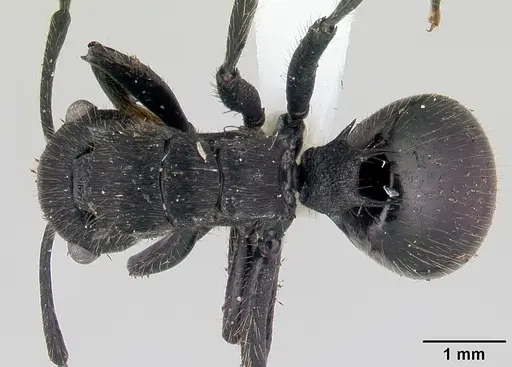
CASENT0227578
View on AntWeb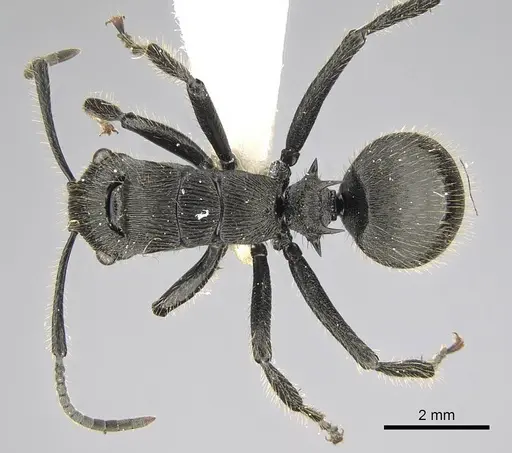
CASENT0281448
View on AntWeb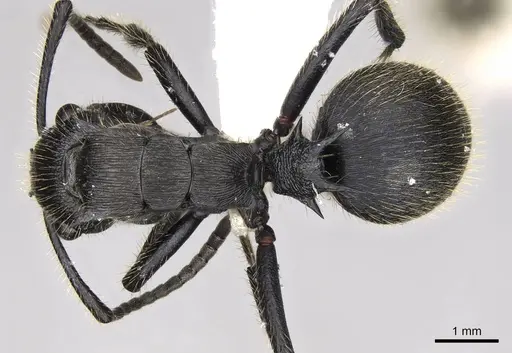
CASENT0281449
View on AntWeb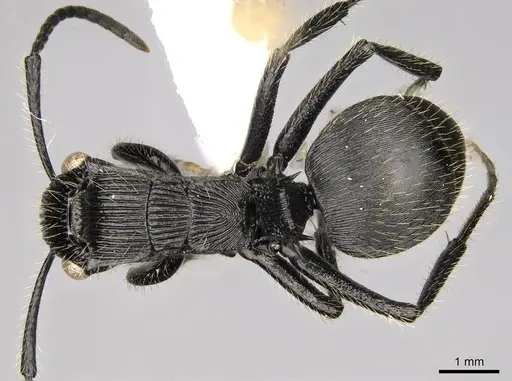
Literature
Loading...Loading products...