

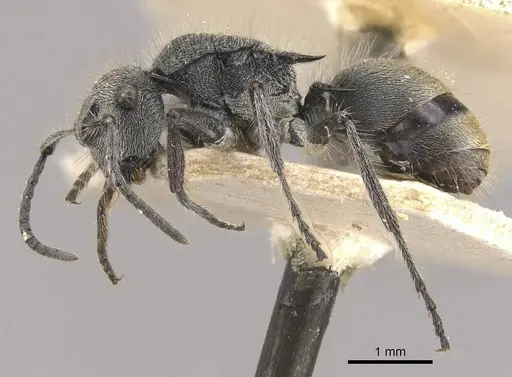
Polyrhachis lata
- Scientific Name
- Polyrhachis lata
- Subgenus
- Chariomyrma
- Tribe
- Camponotini
- Subfamily
- Formicinae
- Author
- Emery, 1895
- Distribution
- Found in 2 countries
Polyrhachis lata Overview
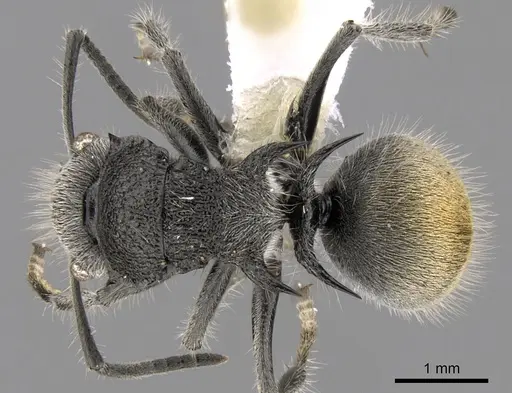
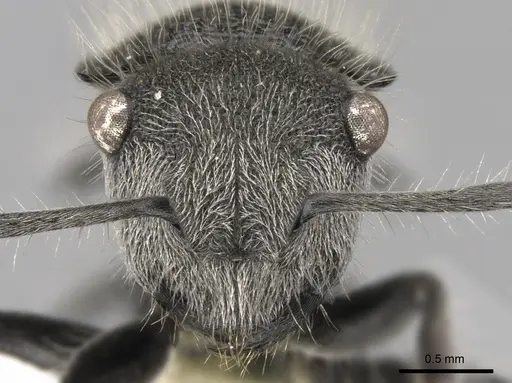
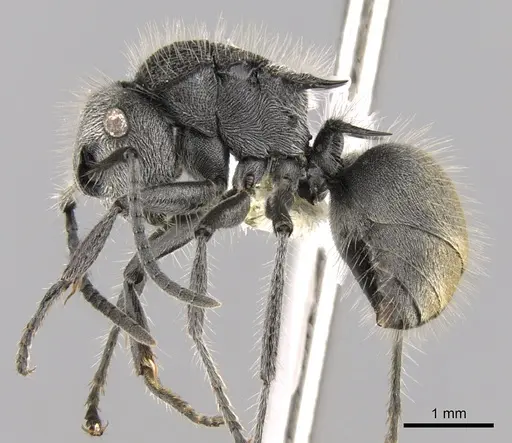
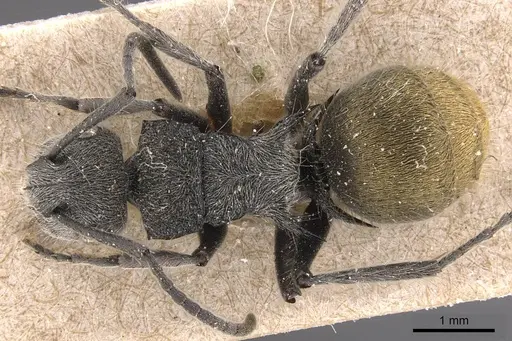
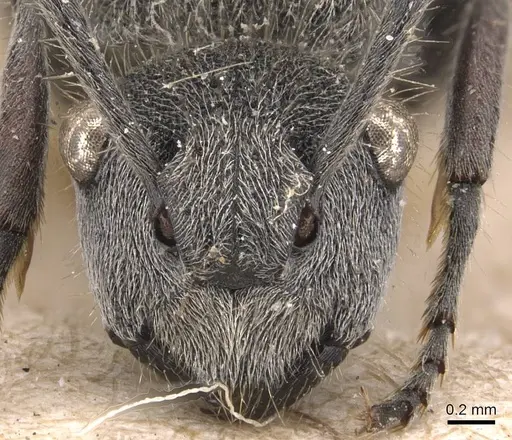
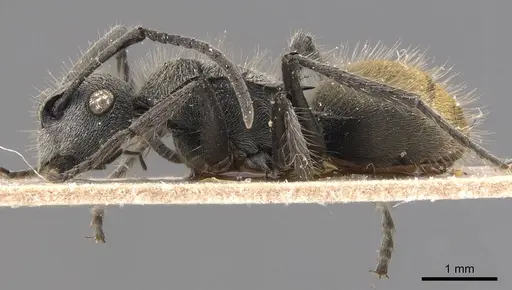
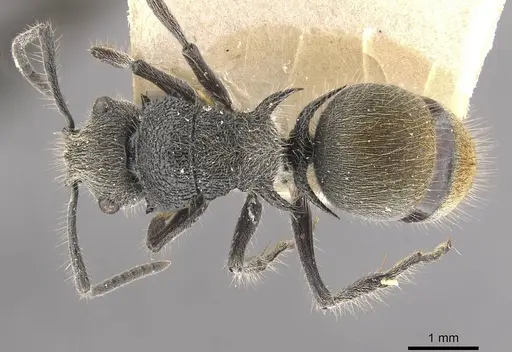
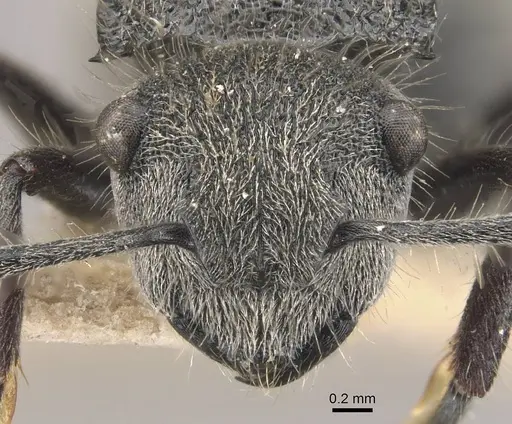
Polyrhachis lata is an ant species of the genus Polyrhachis. It is primarily documented in 2 countries , including Australia, Papua New Guinea. Detailed taxonomic data and occurrence records can be further explored via authoritative databases such as AntWeb or the Global Biodiversity Information Facility (GBIF).
Polyrhachis lata
Polyrhachis lata is an Australian ant species belonging to the subgenus Chariomyrma. Workers are monomorphic, meaning all workers are roughly the same size without major physical differences between minor and major castes. This species nests underground in terrestrial habitats, with some records also indicating lignicolous (wood-dwelling) nesting preferences. They are found throughout Australia, particularly in the northern and eastern regions. Like other Polyrhachis species, they have pupal cocoons, meaning the pupae are enclosed in silk casings rather than being naked.
Quick Summary
- Difficulty: Medium
- Origin & Habitat: Australia, found throughout the continent in various habitats including tropical and temperate regions [1]. They are ground-nesting ants that prefer subterranean/terrestrial habitats [2][3].
- Colony Type: Likely monogyne (single queen colonies) based on typical Polyrhachis genus patterns, though colony structure is not directly documented for this specific species.
- Colony: Monogyne
- Founding: Claustral
- Size & Growth:
- Queen: Estimated 10-14mm based on typical Polyrhachis queen size ranges
- Worker: Estimated 6-9mm based on Polyrhachis worker dimensions
- Colony: Unknown, likely several hundred workers based on related species
- Growth: Moderate, Polyrhachis species typically grow at moderate rates
- Development: Estimated 8-12 weeks at optimal temperature based on genus-level data (Development time inferred from typical Polyrhachis patterns. Pupal cocoons are present, which may slightly extend development compared to naked pupae species.)
- Antkeeping:
- Temperature: Keep at 24-28°C. Australian species generally prefer warm conditions. A heating cable on one side of the nest creates a suitable gradient.
- Humidity: Keep nest substrate moderately moist. Being a ground-nesting species, they prefer damp but not waterlogged soil conditions. Provide a water tube for drinking access.
- Diapause: Likely yes, Australian temperate species typically benefit from a mild winter rest period of 8-12 weeks at 15-18°C. Monitor colony activity and reduce feeding during this period.
- Nesting: Y-tong (AAC) nests or plaster nests work well for this species. They prefer tight chambers scaled to their size. naturalistic setups with soil substrate also work. Avoid overly dry conditions.
- Behavior: Polyrhachis lata workers are typically moderate in aggression, they will defend the nest but are not particularly territorial or overly aggressive toward keepers. Workers are active foragers, searching for food both on the ground and low vegetation. They have a moderate escape risk due to their size, ensure your formicarium has tight-fitting barriers and consider using fluon on rim edges. They do not have a painful sting, though larger Polyrhachis species can deliver a mild sting.
- Common Issues: colonies may fail if kept too dry, monitor substrate moisture regularly, escape prevention is important, check barriers frequently especially when feeding, slow founding phase can cause beginners to lose patience, queens can take months to raise first workers, cocooned pupae are vulnerable to mold if humidity is too high, balance moisture carefully, wild-caught colonies may have parasites that can devastate captive colonies
Nest Preferences
Polyrhachis lata is a ground-nesting species that prefers subterranean habitats. In the wild, they nest in soil, often under stones or in decaying wood near the ground. For captive care, Y-tong (acrylic) nests work well, providing chambers scaled to worker size. Plaster nests with moisture reservoirs also suit this species well. They prefer tight, snug chambers rather than overly large open spaces. If using a naturalistic setup, use a soil substrate that holds moisture without becoming waterlogged. The presence of pupal cocoons means they need slightly more space in the pupal chamber area for spinning. [2][3]
Feeding and Diet
Polyrhachis species are omnivorous, accepting both protein and sugar sources. Feed them sugar water, honey, or diluted nectar regularly as a carbohydrate source. For protein, offer small insects like fruit flies, small crickets, or mealworms. They are moderate foragers and will send workers out to collect food. Feed protein 2-3 times per week, and keep sugar water available at all times. Remove uneaten prey after 24-48 hours to prevent mold. Some Polyrhachis also collect honeydew from aphids if kept in larger setups.
Temperature and Seasonal Care
As an Australian species, Polyrhachis lata prefers warm conditions. Keep the nest area at 24-28°C for optimal brood development. A heating cable placed on one side of the nest creates a temperature gradient that allows ants to regulate their own temperature. During winter, Australian species typically benefit from a mild diapause period. Reduce temperature to 15-18°C for 8-12 weeks in winter, reducing feeding frequency during this time. Do not feed during deep hibernation. Monitor colony activity, if workers become lethargic, slightly warm one end of the nest.
Behavior and Colony Dynamics
This species shows typical Polyrhachis behavior, they are active foragers with moderate aggression when defending the nest. Workers are monomorphic, meaning all workers are similar in size without distinct major/minor castes. They have pupal cocoons, so you may see workers tending to enclosed pupae rather than naked ones. Colonies grow moderately, founding queens may take several months to raise the first batch of workers (nanitics). Once established, colonies can grow to several hundred workers over a year or two. They are not particularly aggressive toward keepers but will bite if threatened. [2]
Handling and Escape Prevention
Polyrhachis lata workers are large enough to handle comfortably but still capable of escaping through small gaps. Use tight-fitting lids on test tube setups and formicariums. Apply fluon or petroleum jelly to the rim edges of your setup to prevent escapes. When observing or transferring, work slowly and calmly, they are not fast-moving but will retreat when disturbed. They do not have a particularly painful sting, though some individuals may experience mild irritation. For most keepers, these ants are easy to work with and observe.
Frequently Asked Questions
How long does it take for Polyrhachis lata to raise first workers?
Expect 8-12 weeks from egg to first worker at optimal temperature (24-28°C). Founding queens may take longer as they are raising their first brood alone. Be patient during the founding phase, disturbing the queen during this time can cause colony failure.
What do Polyrhachis lata ants eat?
They are omnivorous. Feed them sugar water or honey constantly, and offer protein sources like small insects (fruit flies, small crickets, mealworms) 2-3 times per week. Remove uneaten prey after 24-48 hours to prevent mold.
Can I keep multiple Polyrhachis lata queens together?
This species is likely monogyne (single queen). Combining unrelated queens is not recommended as they may fight. Only keep one queen per colony unless you have specific evidence of multi-queen tolerance.
What temperature do Polyrhachis lata ants need?
Keep them at 24-28°C for optimal development. A heating cable on one side of the nest creates a gradient. They can tolerate slightly cooler temperatures but growth will slow.
Do Polyrhachis lata ants need hibernation?
Yes, as an Australian species, they benefit from a mild winter rest. Reduce temperature to 15-18°C for 8-12 weeks during winter. Reduce feeding frequency during this period.
What size do Polyrhachis lata colonies reach?
Based on related species, colonies likely reach several hundred workers. Growth is moderate, expect a year or two to reach medium-sized colonies.
Are Polyrhachis lata good for beginners?
They are rated as Medium difficulty. They are more forgiving than some species but require attention to temperature, humidity, and feeding. Good for keepers who have kept simpler species like Lasius or Camponotus first.
When should I move Polyrhachis lata to a formicarium?
Move them when the test tube setup becomes crowded or the water reservoir is depleted, typically when the colony reaches 30-50 workers. Ensure the new formicarium has appropriately sized chambers.
Why is my Polyrhachis lata colony dying?
Common causes include: too dry substrate (keep moist but not wet), temperature extremes (keep at 24-28°C), mold from overfeeding or poor ventilation, parasites from wild-caught colonies, or disturbance during founding. Check each parameter and adjust accordingly.
References

This caresheet is licensed under CC BY-SA 4.0 .
Literature
Loading...Loading products...