

Polyrhachis laevissima
- Scientific Name
- Polyrhachis laevissima
- Subgenus
- Cyrtomyrma
- Tribe
- Camponotini
- Subfamily
- Formicinae
- Author
- Smith, 1858
- Distribution
- Found in 5 countries
Polyrhachis laevissima Overview
Polyrhachis laevissima is an ant species of the genus Polyrhachis. It is primarily documented in 5 countries , including Bangladesh, Indonesia, India. Detailed taxonomic data and occurrence records can be further explored via authoritative databases such as AntWeb or the Global Biodiversity Information Facility (GBIF).
Polyrhachis laevissima
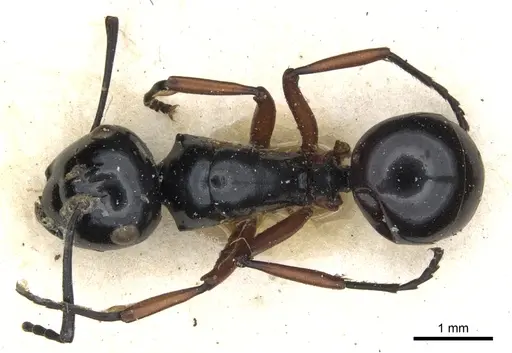
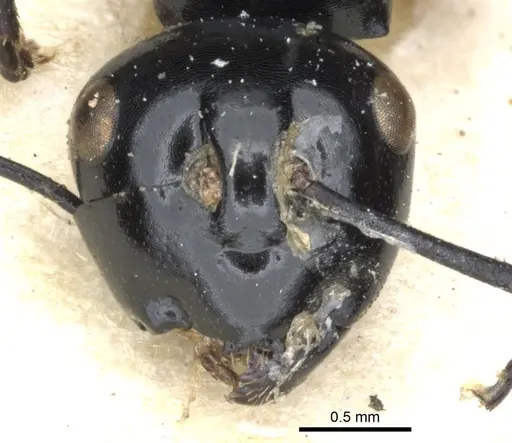
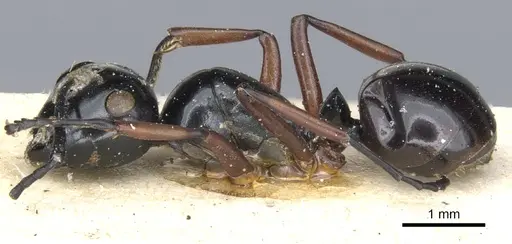
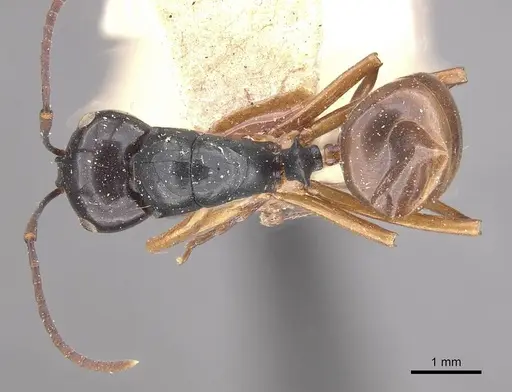
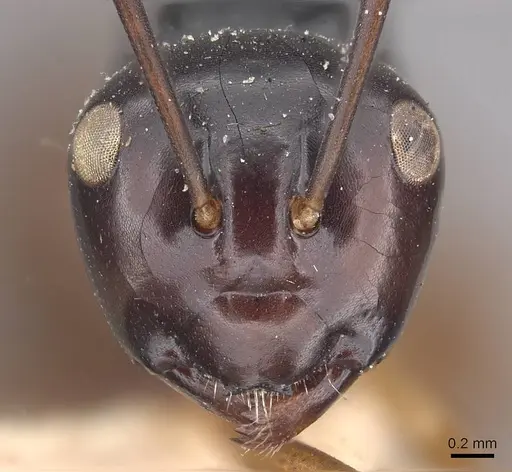
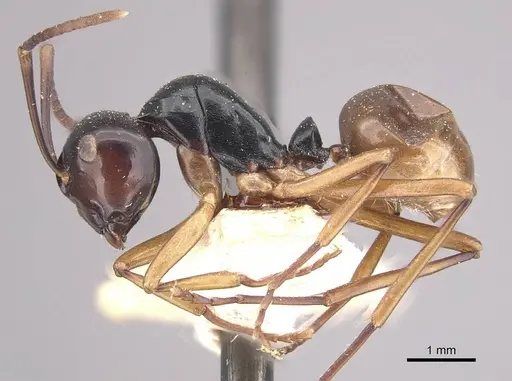
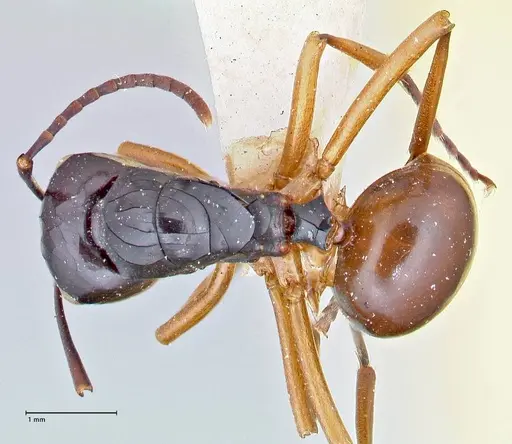
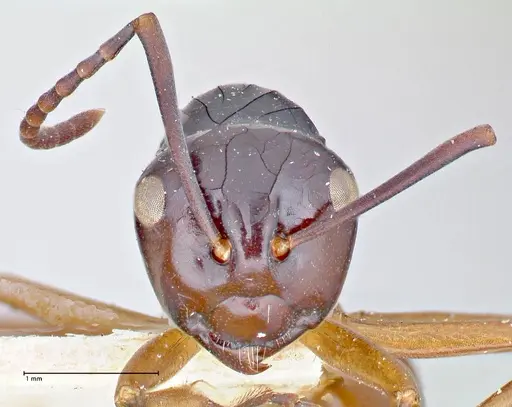
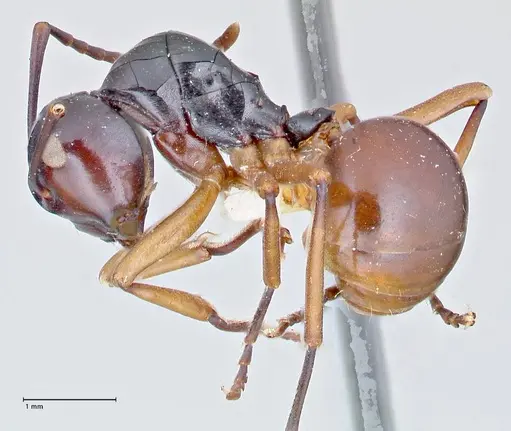
Polyrhachis laevissima is a medium-sized ant species belonging to the subgenus Cyrtomyrma. Workers measure 6-7mm and are distinctively glossy black with strikingly light red legs, making them visually striking in any collection. Queens are larger at 8-10mm, while males reach about 6mm. This species ranges across Southeast Asia, from Myanmar and India through Thailand, Malaysia, and Indonesia to Borneo. They inhabit forest edges and grassland, where they forage exclusively on the ground surface. Unlike many ants, they construct arboreal nests using carton material rather than nesting in soil [1][2].
Quick Summary
- Difficulty: Medium
- Origin & Habitat: Southeast Asia, Myanmar, India, Thailand, Malaysia, Sumatra, Java, and Borneo. Found in forest and grassland habitats, absent from human-modified areas [3][4]. They live in mixed deciduous forests and have been recorded foraging on soil in forest edges [5].
- Colony Type: Colony structure is not well documented. Based on related Polyrhachis species, likely monogyne (single queen) but this requires confirmation.
- Size & Growth:
- Queen: 8-10mm [6]
- Worker: 6-7mm [7]
- Colony: Unknown, no colony size data available
- Growth: Moderate, estimated based on related Polyrhachis species
- Development: Estimated 6-8 weeks at tropical temperatures based on genus patterns (Direct development data unavailable, estimated from related species in the genus)
- Antkeeping:
- Temperature: Keep warm at 24-28°C. This is a tropical species from Southeast Asia, so they need consistent warmth [5]
- Humidity: Moderate to high humidity around 60-80%. They naturally occur in humid forest environments [5][3]
- Diapause: Unlikely, being a tropical species, they probably do not require a true hibernation period. However, a slight reduction in temperature during winter months may be beneficial.
- Nesting: Arboreal nesters, they build nests in trees using carton material [1][2]. In captivity, a naturalistic setup with branches or cork bark elevated from the substrate works well. They also accept Y-tong nests but should have access to vertical structures for nest building.
- Behavior: Generally calm and non-aggressive compared to some other Formicinae. Workers are active foragers that search for food on the ground. They are not known to be particularly defensive. Escape risk is moderate, use standard barrier methods. As medium-sized ants, they are not extreme escape artists but should still be contained properly.
- Common Issues: tropical species needs warm conditions, cold temperatures will slow or stop brood development, arboreal nesting means they need vertical space and climbing structures, not just horizontal chambers, absence from human habitats suggests they may be sensitive to disturbance, keep colony in a quiet location, limited data means many aspects of care are estimated from related species, ground-foraging behavior means food should be offered on the nest surface, not buried in substrate
Behavior and Colony Dynamics
Workers are active foragers that search for food on the ground surface [3][4]. They are not particularly aggressive or defensive, making them manageable in captivity. The colony will likely grow at a moderate pace, expect several months to a year before you see significant numbers. Unlike some ants that produce cocoons, Polyrhachis species produce naked pupae [1], so you may see the pupae directly before they emerge as adult ants. Queens are relatively large (8-10mm) and should be handled gently during founding. The species has been found in urban areas of Bangkok [8], suggesting some tolerance for human presence, but they are absent from heavily developed human habitats.
Frequently Asked Questions
How long does it take for Polyrhachis laevissima to produce first workers?
Based on related Polyrhachis species, expect first workers (nanitics) approximately 6-8 weeks after the queen lays eggs, provided temperatures are kept at 24-28°C. This is an estimate since specific development data for this species is not available.
Can I keep Polyrhachis laevissima in a test tube setup?
Test tubes are not ideal for this species. They are arboreal nesters that naturally build elevated nests using carton material. A naturalistic setup with cork bark or branches, or a Y-tong nest with climbing structures, works much better. They need vertical space to feel secure.
Are Polyrhachis laevissima good for beginners?
This species is rated as Medium difficulty. While not the hardest species to keep, there is limited captive breeding data, so some aspects of care require estimation from related species. They need specific arboreal-style housing and warm temperatures, which may be challenging for complete beginners.
What temperature do Polyrhachis laevissima need?
Keep them warm at 24-28°C. This tropical species from Southeast Asia needs consistent heat to thrive. Use a heating cable or mat if your room temperature falls below this range.
Do Polyrhachis laevissima need hibernation?
Probably not. As a tropical species from Southeast Asia, they likely do not require a true hibernation period. You might reduce temperatures slightly in winter (by 2-3°C) but avoid cold temperatures entirely.
How big do Polyrhachis laevissima colonies get?
Colony size data is not available for this species. Based on related Polyrhachis species, colonies likely reach several hundred workers over several years. They are not among the largest ant species.
What do Polyrhachis laevissima eat?
They are omnivorous. Offer sugar water or honey continuously, and protein sources like small insects (crickets, mealworms) 2-3 times per week. They forage on the ground, so place food where they can easily access it.
References

This caresheet is licensed under CC BY-SA 4.0 .
Literature
Loading...Loading products...