

Polyrhachis lachesis
- Scientific Name
- Polyrhachis lachesis
- Subgenus
- Hagiomyrma
- Tribe
- Camponotini
- Subfamily
- Formicinae
- Author
- Forel, 1897
- Distribution
- Found in 1 countries
Polyrhachis lachesis Overview
Polyrhachis lachesis is an ant species of the genus Polyrhachis. It is primarily documented in 1 countries , including Australia. Detailed taxonomic data and occurrence records can be further explored via authoritative databases such as AntWeb or the Global Biodiversity Information Facility (GBIF).
Polyrhachis lachesis
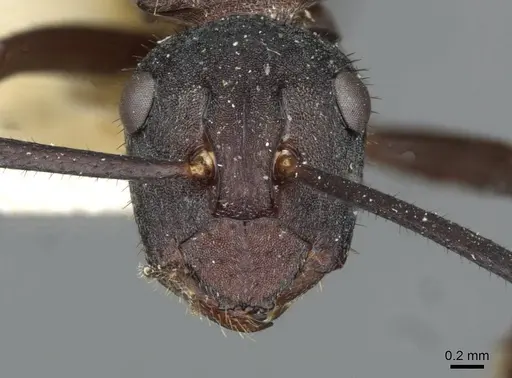
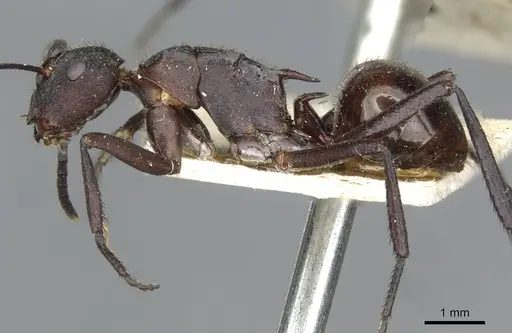
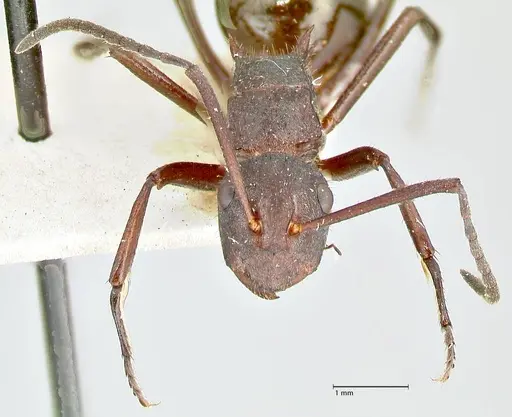
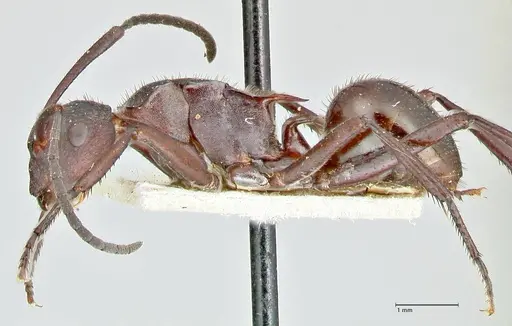
Polyrhachis lachesis is an Australian ant belonging to the subgenus Hagiomyrma. Workers are relatively large at 7-8mm total length, with a distinctive appearance featuring pronotal humeri (shoulders) that are produced into dilated, dorsally shallowly concave, rounded prominences, a key identifying feature. They are light to medium reddish-brown with darker shading on the head and mesosoma, and narrow black markings along various body margins. This species inhabits open eucalypt forests and savannah woodlands in northern Queensland, from Lakefield on Cape York Peninsula south to Gladstone, preferring bare ground without grass cover for nesting sites [1][2]. Unlike many Formicinae ants, they spin cocoons around their pupae [3][4].
Quick Summary
- Difficulty: Medium
- Origin & Habitat: Northern Queensland, Australia, open eucalypt forests and savannah woodlands, preferring bare ground without grass cover [1][2]
- Colony Type: Colony structure is unconfirmed, likely single queen (monogyne) based on typical genus patterns, but not directly studied
- Size & Growth:
- Queen: ~8.37 mm [1], only one specimen measured
- Worker: 7.06-8.21 mm total length, HL 1.84-1.96 mm [1]
- Colony: Unknown, no colony size data available
- Growth: Moderate, estimated based on similar Polyrhachis species
- Development: Estimated 6-10 weeks at optimal temperature based on related species in the genus (No direct development data available for this species, estimates based on typical Polyrhachis patterns)
- Antkeeping:
- Temperature: Keep at 24-28°C as a starting range. These are Australian tropical/subtropical ants that prefer warm conditions. Adjust based on colony activity, workers should be active and foraging. A gentle heat gradient allows them to regulate their temperature
- Humidity: Moderate humidity around 50-70%. As ground-nesting ants from savannah/woodland areas, they prefer drier conditions than rainforest species. Allow the nest substrate to dry partially between water additions. Provide a water tube but avoid oversaturation
- Diapause: Likely a minor winter slowdown given their Queensland distribution, but full hibernation is probably not required. Reduce feeding and keep slightly cooler (around 18-20°C) during winter months if colony shows reduced activity
- Nesting: Subterranean ground-nesters, they prefer bare soil without grass cover [1]. In captivity, a naturalistic setup with soil or a Y-tong/plaster nest works well. Provide deep enough substrate for them to create tunnels. They spin cocoons, so the nest should have dry enough conditions that mold won't destroy the pupae [3][4]
- Behavior: Generally calm and non-aggressive compared to many ant species. Workers are moderately active foragers. They are ground-nesting so they may not climb extensively on plants or smooth surfaces. Escape prevention should be moderate, they are large enough that standard barriers work well, but they can still climb smooth surfaces. They are not known for stinging and are considered docile [2].
- Common Issues: colonies may fail if kept too humid, these are savannah species that prefer drier conditions, lack of development data means keepers must estimate conditions, observe colony behavior and adjust, cocoon-spinning means pupae are vulnerable to mold in overly humid nests, wild-caught colonies may have parasites that are difficult to detect, slow establishment period, don't panic if colony seems inactive during founding
Housing and Nest Setup
Polyrhachis lachesis is a subterranean ground-nesting species that naturally prefers bare ground without grass cover [1]. In captivity, you can house them in a naturalistic setup with a deep soil layer (at least 5-10cm) allowing them to excavate their own tunnels, or use a Y-tong (acrylic) nest with compact chambers. Since they spin cocoons [3][4], keep the nest moderately dry to prevent mold from destroying the pupae. A plaster nest can work but should be allowed to dry between waterings. These are medium-large ants (7-8mm workers) so they need appropriately sized chambers. Provide an outworld for foraging with a water tube and feeding station.
Feeding and Diet
Polyrhachis ants are typically omnivorous, feeding on honeydew, small insects, and nectar in the wild. In captivity, offer a mix of sugar sources (honey water, sugar water) and protein (small crickets, mealworms, fruit flies). Since they are ground-nesting ants from relatively dry habitats, they may not need constant sugar water, offer it a few times per week and remove any uneaten portions to prevent mold. Protein should be offered 2-3 times per week depending on colony size. Observe your colony's preferences and adjust accordingly. Fresh fruit and occasional treats can be accepted. [2]
Temperature and Seasonal Care
As an Australian species from the Cape York/Gladstone area, Polyrhachis lachesis prefers warm conditions. Keep the nest area at 24-28°C as a starting point. A heating cable on one side of the nest can create a temperature gradient, allowing ants to regulate their own temperature. Place the heating on top of the nest, not underneath, to avoid evaporating moisture too quickly. During winter in temperate climates, you may notice reduced activity, this is normal for many Australian species. A slight temperature reduction to around 18-20°C during winter months is appropriate if the colony shows signs of slowing down. Full hibernation is likely not required given their tropical/subtropical range. [2]
Behavior and Handling
Polyrhachis lachesis is generally considered a calm, docile species. Workers are moderately active and will forage in the outworld for food. They are not aggressive and do not pose a sting threat to keepers. Their large size (7-8mm) makes them easy to observe. They spin cocoons around their pupae [3][4], which is unusual for Formicinae ants and indicates they have more developed brood care. When moving or transferring colonies, handle gently as with any ant species. They are not known escape artists due to their size, but standard escape prevention (fluon on rim edges, tight-fitting lids) is always recommended.
Frequently Asked Questions
How long does it take for Polyrhachis lachesis to produce first workers?
The exact development timeline is unknown for this species. Based on related Polyrhachis species, expect around 6-10 weeks from egg to worker at optimal temperature (24-28°C). Be patient during founding, claustral queens may take several months to raise their first brood.
What temperature do Polyrhachis lachesis ants need?
Keep them warm at 24-28°C. These are Australian tropical/subtropical ants that prefer warm conditions. A heating cable on part of the nest creates a gradient they can use to regulate their temperature.
Can I keep Polyrhachis lachesis in a test tube?
Test tubes can work for founding colonies, but these are relatively large ants (7-8mm) that may need more space sooner than tiny species. Consider moving to a larger nest (Y-tong or naturalistic setup) once the colony reaches 10-20 workers. Ensure the test tube has a water reservoir but avoid flooding.
How big do Polyrhachis lachesis colonies get?
The maximum colony size is unknown, no published colony size data exists for this species. Based on related Polyrhachis species, colonies likely reach several hundred workers over time.
What do Polyrhachis lachesis ants eat?
They are omnivorous. Offer sugar sources (honey water, sugar water) a few times per week and protein (small crickets, mealworms, fruit flies) 2-3 times per week. Remove uneaten food to prevent mold.
Do Polyrhachis lachesis need hibernation?
Full hibernation is likely not required given their tropical Queensland distribution. A slight winter cooldown (18-20°C) with reduced feeding may be appropriate if the colony shows reduced activity during cooler months.
Are Polyrhachis lachesis good for beginners?
They are rated as medium difficulty. While generally docile and manageable, the lack of specific care data for this species means keepers may need to adjust conditions based on observation. Experienced antkeepers will have more success establishing colonies.
When should I move my Polyrhachis lachesis to a formicarium?
Move them when the test tube or founding setup becomes crowded (typically 15-30+ workers). A naturalistic setup with soil or a Y-tong nest works well. They prefer drier conditions than many ants, so ensure good ventilation.
Why are my Polyrhachis lachesis dying?
Common causes include: too high humidity (they're savannah species preferring drier conditions), mold from overwatering killing brood, temperatures outside their preferred range, or stress from disturbance during founding. Check humidity levels and ensure the nest is not overly wet.
References

This caresheet is licensed under CC BY-SA 4.0 .
CASENT0887788
View on AntWeb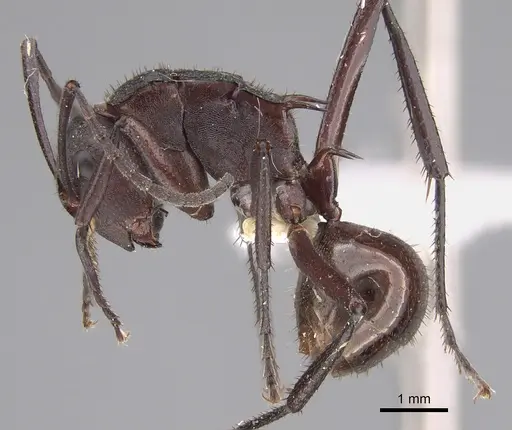
CASENT0906593
View on AntWeb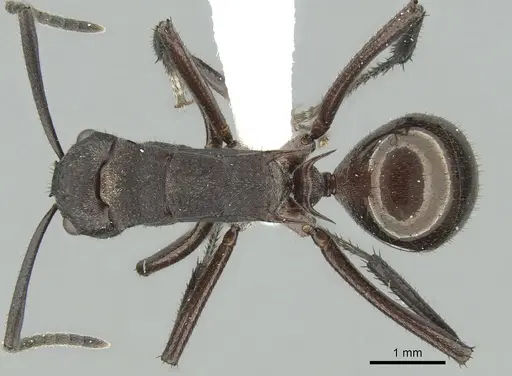
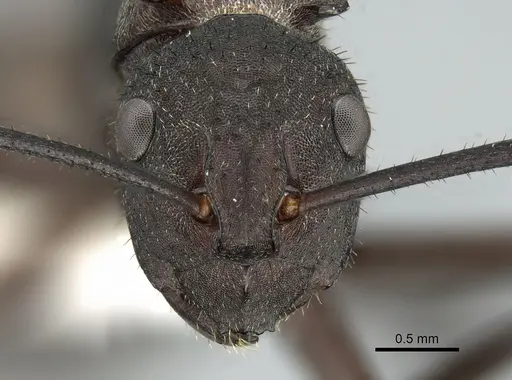
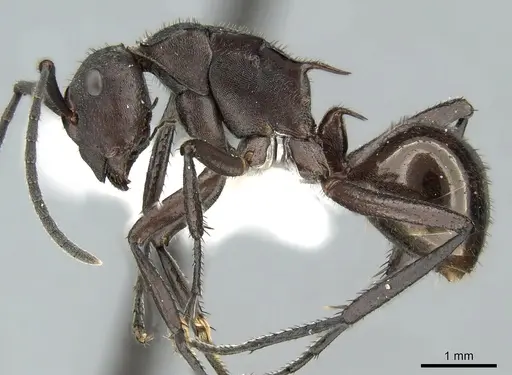
CASENT0910805
View on AntWeb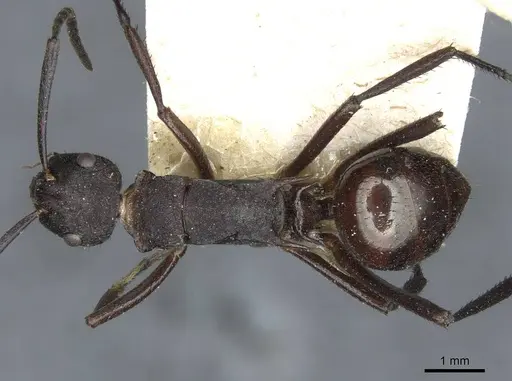
FOCOL2590
View on AntWeb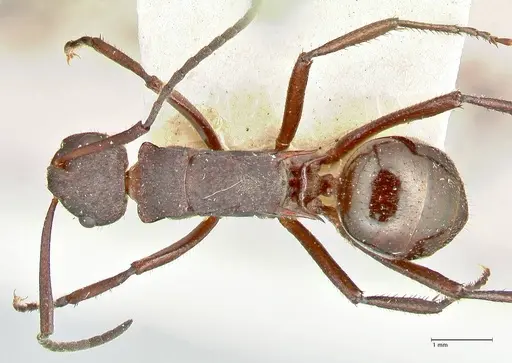
Literature
Loading...Loading products...