

Polyrhachis keratifera
- Scientific Name
- Polyrhachis keratifera
- Subgenus
- Myrmhopla
- Tribe
- Camponotini
- Subfamily
- Formicinae
- Author
- Karavaiev, 1927
- Distribution
- Found in 1 countries
Polyrhachis keratifera Overview
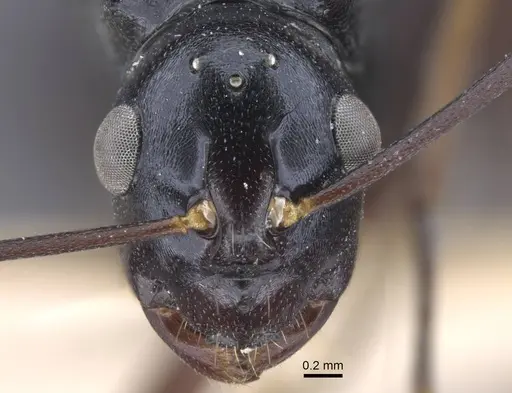
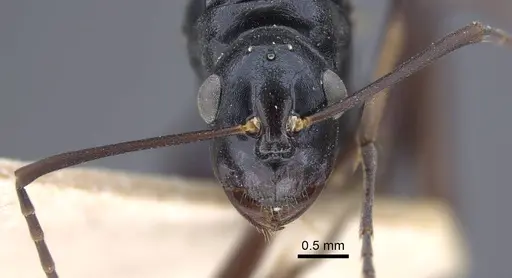
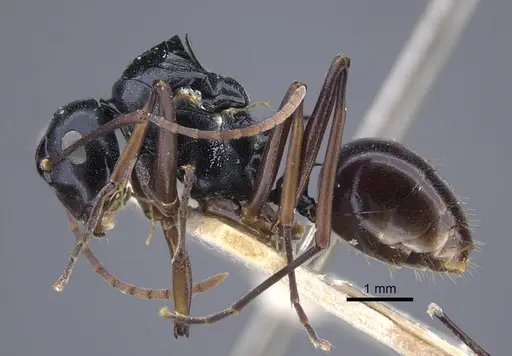
Polyrhachis keratifera is an ant species of the genus Polyrhachis. It is primarily documented in 1 countries , including Indonesia. Detailed taxonomic data and occurrence records can be further explored via authoritative databases such as AntWeb or the Global Biodiversity Information Facility (GBIF).
Polyrhachis keratifera
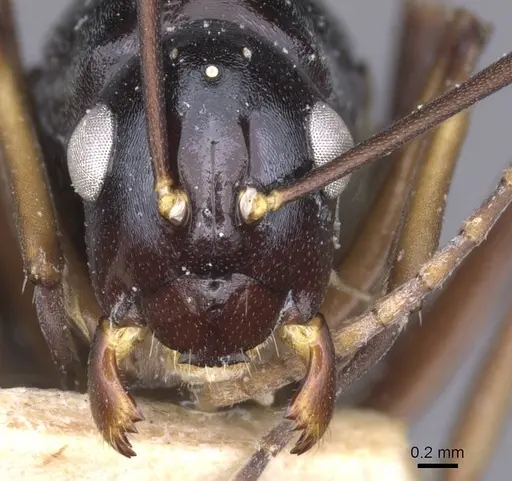
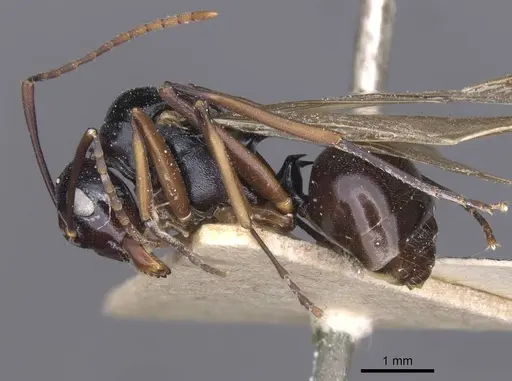
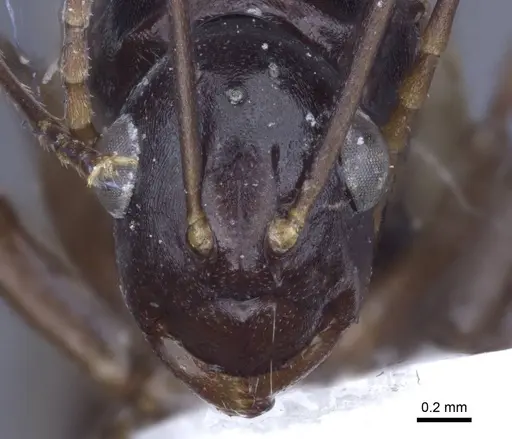
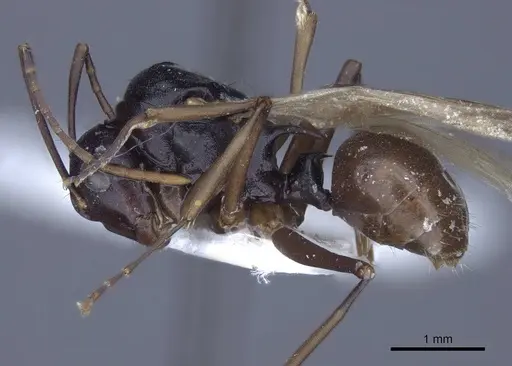
Polyrhachis keratifera is a medium-sized arboreal ant belonging to the subgenus Myrmhopla. Workers and queens were originally described from specimens collected on Ambon Island, Indonesia in 1913 [1]. This species is endemic to Ambon, meaning it's found nowhere else on Earth [2]. Like other Myrmhopla species, these ants nest above ground in trees and shrubs, using silk and carton material to construct their nests rather than nesting in soil [3]. The genus Polyrhachis is known for their spiny appearance and often metallic or colorful exoskeletons, though specific coloration details for P. keratifera are limited in available descriptions.
Quick Summary
- Difficulty: Medium
- Origin & Habitat: Endemic to Ambon Island, Indonesia (Indomalaya Region). Found in undisturbed forest habitats [2]. This is a tropical arboreal ant that nests in trees and vegetation rather than in soil.
- Colony Type: Colony structure is unconfirmed. Based on related Polyrhachis species, likely single-queen colonies, but this has not been directly documented for this specific species.
- Size & Growth:
- Queen: Undocumented in available literature, estimated 10-12mm based on genus patterns
- Worker: Undocumented in available literature, estimated 6-8mm based on related Myrmhopla species
- Colony: Unknown, no colony size data available for this species
- Growth: Moderate, based on typical Polyrhachis development patterns
- Development: Estimated 6-8 weeks at tropical temperatures (25-28°C) based on genus-level data for related species (Direct development data unavailable for this species. Estimates based on typical Polyrhachis patterns.)
- Antkeeping:
- Temperature: Keep at 24-28°C (tropical room temperature). Provide a gentle temperature gradient if possible. This species originates from tropical Ambon Island where temperatures remain warm year-round [2].
- Humidity: Maintain moderate to high humidity (60-80%). As an arboreal species from a tropical island, they prefer humid conditions. Provide water access but avoid waterlogging.
- Diapause: No, this is a tropical species from near the equator (Ambon Island at ~3.5°S). No hibernation period is required or recommended.
- Nesting: Arboreal setup required. These ants nest in trees and vegetation using silk and carton material [3]. In captivity, provide elevated nesting options such as cork bark setups, wooden nests placed in upper portions of the enclosure, or custom arboreal formicaria. They will not do well in ground-based test tube setups.
- Behavior: Generally calm and non-aggressive compared to many ant species. As an arboreal ant, they are excellent climbers and will explore vertical spaces. Workers forage along branches and vegetation. Escape prevention is important due to their climbing ability, ensure enclosures have secure lids and consider barrier tape on smooth surfaces. They spin cocoons for their pupae, which is notable as some Formicinae species have naked pupae [3].
- Common Issues: arboreal nesting requirement is critical, ground-based nests will be rejected, tropical temperature needs mean room temperature below 24°C can slow or stop brood development, humidity too low can cause desiccation stress and colony decline, escape prevention is essential due to strong climbing abilities, limited availability and documentation makes this a species for more experienced antkeepers
Nesting and Housing
Polyrhachis keratifera is an arboreal ant, meaning it nests in trees and vegetation rather than in soil [3]. In the wild, they construct nests using silk and carton material, they bind together plant fibers and debris to create protective structures in branches and foliage [3]. This is fundamentally different from ground-nesting ants and requires a completely different setup in captivity. Provide elevated nesting options such as cork bark pieces, wooden formicaria placed in the upper portion of the enclosure, or custom arboreal setups. A naturalistic terrarium-style enclosure with live or artificial plants works well. Avoid test tube setups placed at ground level, these ants will not colonize them. The enclosure should allow for vertical exploration and climbing space.
Temperature and Humidity
As a tropical species endemic to Ambon Island, Indonesia (located at approximately 3.5°S latitude), Polyrhachis keratifera requires warm, humid conditions year-round. Maintain temperatures between 24-28°C, this is roughly room temperature in most homes, but you may need a small heating element if your room runs cooler. A heating cable or mat placed on one side of the enclosure can create a gentle gradient. Humidity should be kept at 60-80%. Mist the enclosure regularly and provide a water source. Because they nest arboreally, avoid overly damp substrate conditions that would promote mold, focus on maintaining humidity through misting and water access rather than wet substrate. No hibernation or winter rest period is needed or recommended for this species. [2]
Feeding and Diet
Polyrhachis ants are typically omnivorous, foraging for nectar, honeydew, and small insects. In captivity, offer a varied diet including sugar water or honey as a constant energy source, and protein sources such as small crickets, mealworms, or other insects. Feed protein 2-3 times per week, and ensure sugar sources are always available. As an arboreal forager, they will likely send workers to explore vertical spaces in search of food. Remove uneaten prey after 24-48 hours to prevent mold issues. Fresh water should always be accessible.
Behavior and Colony Dynamics
Polyrhachis keratifera is part of the subgenus Myrmhopla, which is known for arboreal nesting habits and the use of silk in nest construction [3]. Unlike many ants that have naked pupae, this species spins cocoons around their pupae for protection [3]. Workers are likely medium-sized and capable climbers. The colony structure (whether they have one queen or multiple) has not been documented for this specific species. Based on related Polyrhachis species, colonies likely start with a single claustral queen who seals herself in a chamber and raises the first workers alone using stored fat reserves. Growth rate is estimated as moderate based on genus patterns.
Frequently Asked Questions
Can I keep Polyrhachis keratifera in a test tube?
No, test tube setups are not suitable for this species. Polyrhachis keratifera is an arboreal ant that nests in trees and vegetation using silk and carton material. They need elevated nesting options like cork bark, wooden formicaria, or naturalistic terrarium setups with vertical climbing space.
What temperature do Polyrhachis keratifera ants need?
Keep them at 24-28°C. This tropical species from Ambon Island, Indonesia needs warm conditions year-round. Room temperature is often sufficient, but you may need a small heating element if your space runs cooler.
Do Polyrhachis keratifera ants need hibernation?
No, this is a tropical species from near the equator (Ambon Island at ~3.5°S). No hibernation or winter rest period is required. Maintaining warm temperatures year-round is essential for their health.
How long does it take for Polyrhachis keratifera to develop from egg to worker?
Estimated 6-8 weeks at optimal tropical temperatures (25-28°C). This is based on typical Polyrhachis genus development patterns, as specific development data for this species is not available.
Are Polyrhachis keratifera ants aggressive?
Polyrhachis ants are generally calm and less aggressive compared to many ant species. They are not known for painful stings and typically avoid conflict when possible.
What do Polyrhachis keratifera ants eat?
They are omnivorous. Offer sugar water or honey as a constant energy source, and protein such as small crickets, mealworms, or other insects 2-3 times per week. Fresh water should always be available.
How big do Polyrhachis keratifera colonies get?
Colony size data is not available for this specific species. Based on related Polyrhachis species, colonies likely reach several hundred to a few thousand workers over time.
Is Polyrhachis keratifera good for beginners?
This species is recommended for more experienced antkeepers. While not extremely difficult, the arboreal nesting requirement and need for tropical conditions make it more challenging than common ground-nesting species. Limited documentation also means less care guidance is available.
Can I keep multiple Polyrhachis keratifera queens together?
The colony structure (monogyne vs polygyne) has not been documented for this species. Until more information is available, it is not recommended to combine unrelated queens. Start with a single queen colony.
Do Polyrhachis keratifera ants escape easily?
Yes, as arboreal ants with strong climbing abilities, escape prevention is essential. Ensure enclosures have secure, tight-fitting lids. Consider using barrier tape on smooth enclosure walls to prevent escapes.
References

This caresheet is licensed under CC BY-SA 4.0 .
CASENT0912152
View on AntWeb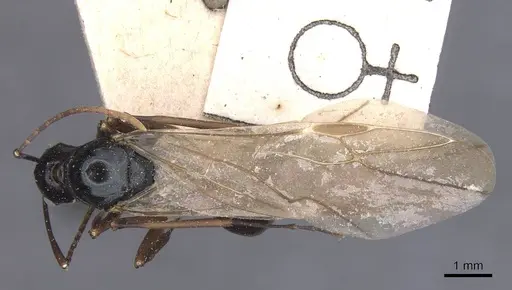
CASENT0912153
View on AntWeb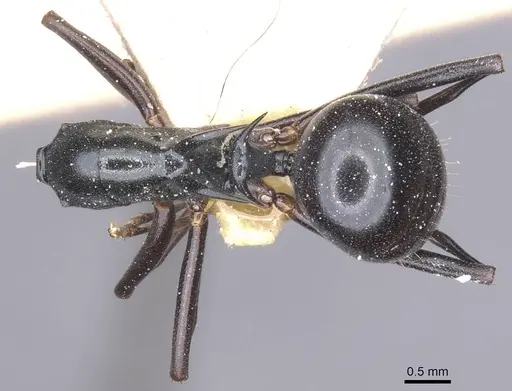
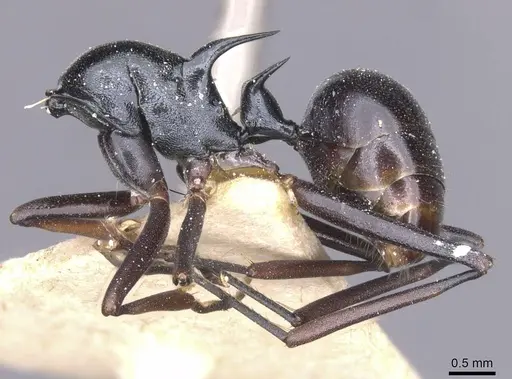
CASENT0916769
View on AntWeb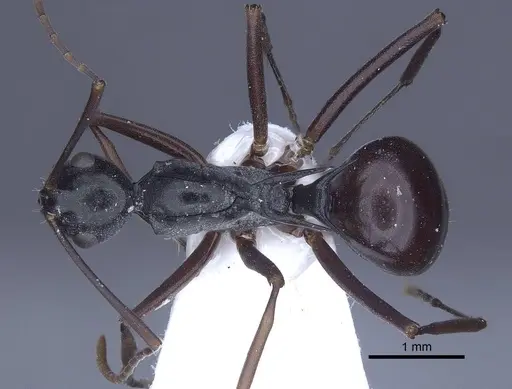
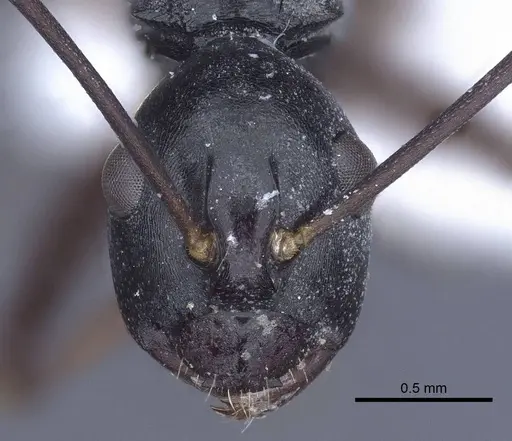
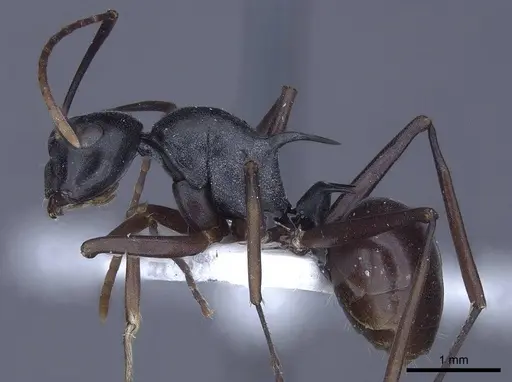
CASENT0916770
View on AntWeb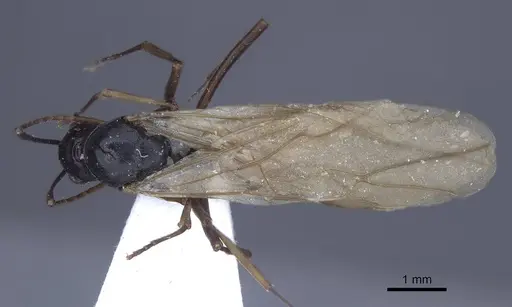
CASENT0917199
View on AntWeb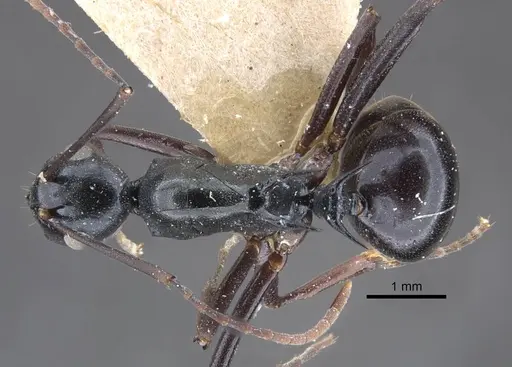
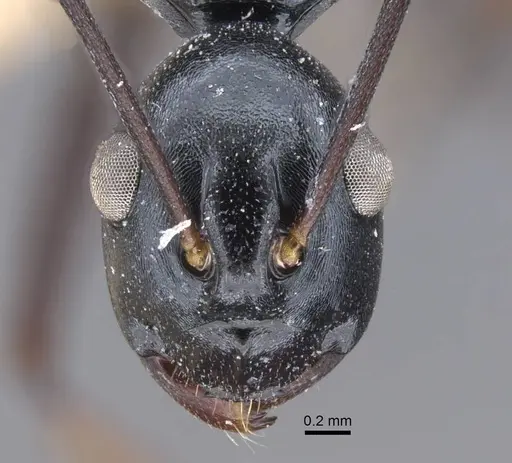
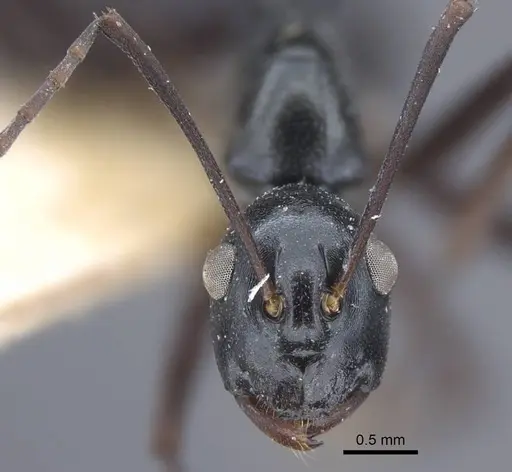
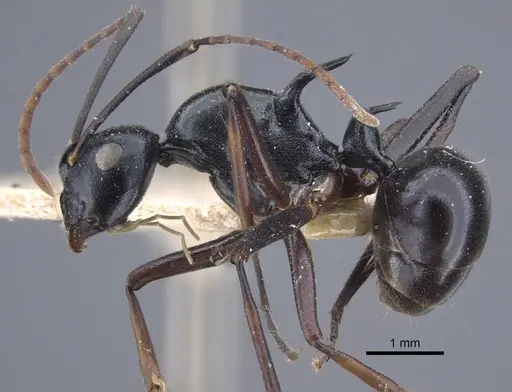
CASENT0917200
View on AntWeb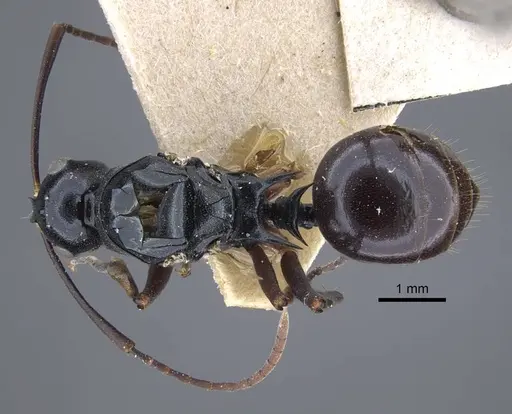
Literature
Loading...Loading products...