

Polyrhachis kaipi
- Scientific Name
- Polyrhachis kaipi
- Subgenus
- Chariomyrma
- Tribe
- Camponotini
- Subfamily
- Formicinae
- Author
- Mann, 1919
- Distribution
- Found in 1 countries
Polyrhachis kaipi Overview
Polyrhachis kaipi is an ant species of the genus Polyrhachis. It is primarily documented in 1 countries , including Solomon Islands. Detailed taxonomic data and occurrence records can be further explored via authoritative databases such as AntWeb or the Global Biodiversity Information Facility (GBIF).
Polyrhachis kaipi
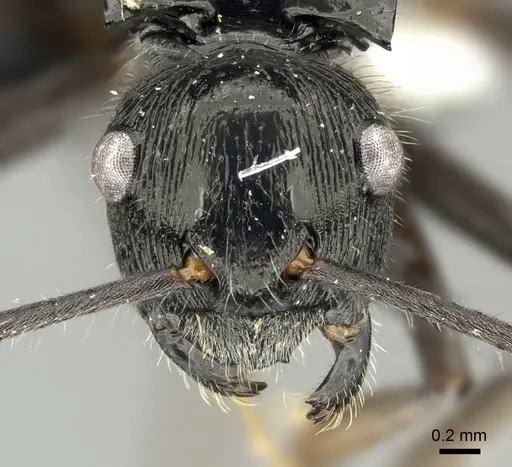
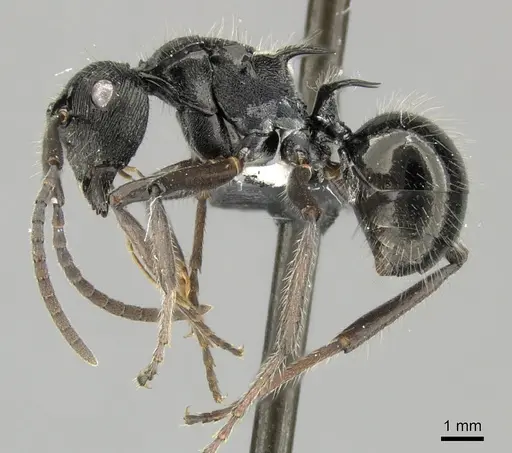
Polyrhachis kaipi is a tropical spiny ant species native to the Solomon Islands archipelago. Workers are medium-sized ants characterized by distinctive spines projecting from the thorax, a trait that gives the genus its common name. The body is typically dark with subtle metallic or iridescent highlights. This species was first described in 1919 from the British Solomon Islands and remains poorly studied in the scientific literature [1]. The genus Polyrhachis contains over 600 species worldwide, known for their arboreal tendencies and elaborate nest construction using silk and plant materials in some species. P. kaipi represents one of the lesser-documented members of this diverse genus, with most available information derived from early expedition collections rather than modern behavioral or ecological studies.
Quick Summary
- Difficulty: Medium
- Origin & Habitat: Solomon Islands (Makira, Guadalcanal, Malaita) and Santa Cruz Islands (Anuda). This is a tropical island species found in the warm, humid forests of the southwestern Pacific [1][2].
- Colony Type: Colony structure is unconfirmed. Most Polyrhachis species establish single-queen colonies, but specific data for P. kaipi is lacking.
- Founding: Claustral
- Size & Growth:
- Queen: Approximately 8-10mm based on genus-level patterns for medium-sized Polyrhachis species
- Worker: 6-8mm based on original description [2]
- Colony: Likely 200-500 workers at maturity based on typical Polyrhachis colony sizes
- Growth: Moderate, tropical species typically develop within 2-4 months at optimal temperature
- Development: Estimated 6-10 weeks at 24-28°C based on related Polyrhachis species (Development time is estimated from genus-level data as species-specific measurements are unavailable)
- Antkeeping:
- Temperature: Keep at 24-28°C. Tropical species require consistent warmth year-round. A heating cable on one side of the nest creates a suitable gradient [3].
- Humidity: High humidity of 70-85% mimics their Solomon Islands forest habitat. Keep the nest substrate consistently moist but not waterlogged.
- Diapause: No, as a tropical species, they do not require hibernation. Maintain warm conditions year-round.
- Nesting: In captivity, they do well in Y-tong (AAC), plaster, or naturalistic setups with multiple chambers. They prefer enclosed nests with some vertical space. Provide a water tube for humidity.
- Behavior: Polyrhachis kaipi is generally calm and not particularly aggressive. Workers are active foragers that search for honeydew and small prey. They have a moderate escape risk due to their size, standard barrier methods like Fluon on test tube rims work well. Unlike some Polyrhachis species, they do not construct silk nests in captivity. They are primarily arboreal in the wild but adapt well to ground-level nest setups in captivity.
- Common Issues: tropical species are sensitive to temperature drops below 20°C, keep warm consistently, high humidity requirements can lead to mold if ventilation is poor, limited natural history data means colony founding may be slower than expected, wild-caught colonies may be stressed from collection and require careful acclimation, small colony sizes mean slower population growth than faster-raising species
Housing and Nest Setup
Polyrhachis kaipi adapts well to various captive setups. Y-tong (acrylic) nests work excellently because they allow you to control humidity precisely. Plaster nests with water channels also suit this species well, providing the moisture retention they need. For a founding colony, a standard test tube setup with a water reservoir works, but monitor humidity carefully, tropical ants in test tubes can develop mold if condensation becomes excessive. Provide an outworld area for foraging. Since they are likely arboreal in the wild, include some vertical space in the nest or add climbing materials. A formicarium with 2-3 connected chambers gives the colony room to expand as it grows. Always ensure excellent escape prevention, while not the smallest ants, they can still squeeze through gaps in poorly sealed setups. [3]
Feeding and Diet
In the wild, Polyrhachis species feed on honeydew from aphids and scale insects, plus small insects and nectar. In captivity, offer a varied diet: sugar water or honey water as a constant energy source, and protein sources like mealworms, small crickets, or fruit flies twice weekly. Unlike some specialized predators, they are generalist feeders. Remove uneaten prey after 24 hours to prevent mold. Some Polyrhachis species accept fruit, but variety is key. Feed small amounts initially and adjust based on how quickly workers clear the food. A well-fed colony will have distended abdomens on workers, this is normal and indicates good nutrition. [3]
Temperature and Humidity
As a Solomon Islands species, P. kaipi requires warm, humid conditions. Maintain temperatures between 24-28°C year-round. A heating cable placed on top of the nest (never under it, which causes excessive drying) helps maintain warmth, especially in cooler rooms. Room temperature of 24-26°C may suffice in warm climates. Humidity should stay at 70-85%. Use a water tube attached to the nest or mist the outworld regularly, but allow some areas to dry slightly to give ants options. Poor humidity leads to stalled brood development and worker mortality. Conversely, poor ventilation combined with high humidity causes mold, balance is essential. Watch for condensation pooling in test tube setups. [3]
Colony Development and Growth
A newly mated queen will found her colony claustrally, she seals herself in a chamber and uses stored fat reserves to survive until her first workers emerge. Expect 6-10 weeks for eggs to develop into workers at optimal temperature (24-28°C). The first workers, called nanitics, are typically smaller than mature workers. Growth rate is moderate, don't expect rapid colony expansion. A healthy founding colony should reach 20-30 workers within 4-6 months under good conditions. Colony growth depends heavily on consistent warmth and proper feeding. Once established, colonies can reach several hundred workers over 1-2 years. Patience is key with this species, they are not fast growers but can become impressive colonies with time.
Behavior and Temperament
Polyrhachis kaipi workers are active and alert but not particularly aggressive. They will investigate new foods and defend the nest if threatened, but they are not prone to mass attacks like some Formica or Solenopsis species. Workers forage individually rather than in large raiding parties. They are diurnal, with most activity during daylight hours. When disturbed, they may raise their abdomen in warning but rarely bite or sting. Their spines provide some defense against predators. In the outworld, they establish foraging trails quickly once they locate food sources. They adapt well to observation and do not panic easily, making them suitable for those who enjoy watching ant behavior. [3]
Frequently Asked Questions
How long does it take for Polyrhachis kaipi to get first workers?
Expect first workers (nanitics) to emerge 6-10 weeks after the queen lays eggs, provided temperatures stay at 24-28°C. This is an estimate based on related Polyrhachis species, as specific development data for P. kaipi is not available.
What do I feed Polyrhachis kaipi?
Offer sugar water or honey water constantly for energy, plus protein sources like mealworms, small crickets, or fruit flies 2-3 times per week. They are generalist feeders and should accept most standard ant foods.
Can I keep Polyrhachis kaipi in a test tube?
Yes, test tubes work for founding colonies. Ensure humidity is maintained and watch for mold buildup. Move to a larger formicarium once the colony reaches 30-50 workers.
Do Polyrhachis kaipi need hibernation?
No. As a tropical Solomon Islands species, they do not require hibernation. Keep them warm year-round at 24-28°C.
Are Polyrhachis kaipi good for beginners?
They are moderate difficulty. Their humidity and temperature requirements are stricter than temperate species, but they are not as demanding as some exotic ants. Experienced beginners can succeed with them.
How big do Polyrhachis kaipi colonies get?
Based on typical Polyrhachis sizes, expect 200-500 workers at maturity. This is an estimate as specific colony size data for this species is not documented.
When should I move my colony to a formicarium?
Move from test tube to formicarium when the colony reaches 30-50 workers and the test tube shows signs of mold or humidity issues. A Y-tong or plaster nest works well for this species.
Why is my colony growing slowly?
Check temperature (should be 24-28°C), humidity (70-85%), and feeding. Tropical species need consistent warmth, cool temperatures stall development. Also ensure the queen is still laying eggs and the colony is not stressed.
References

This caresheet is licensed under CC BY-SA 4.0 .
CASENT0219719
View on AntWeb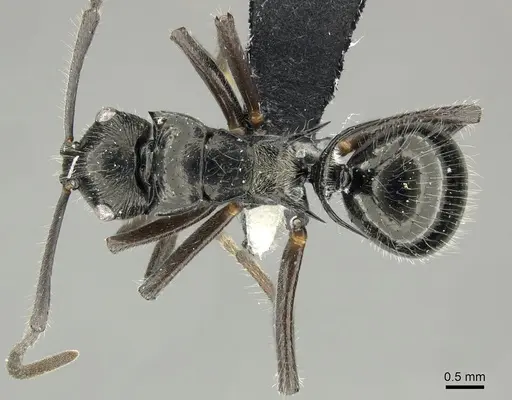
Literature
Loading...Loading products...