

Polyrhachis jerdonii
- Scientific Name
- Polyrhachis jerdonii
- Subgenus
- Myrmhopla
- Tribe
- Camponotini
- Subfamily
- Formicinae
- Author
- Forel, 1892
- Distribution
- Found in 1 countries
Polyrhachis jerdonii Overview
Polyrhachis jerdonii is an ant species of the genus Polyrhachis. It is primarily documented in 1 countries , including Sri Lanka. Detailed taxonomic data and occurrence records can be further explored via authoritative databases such as AntWeb or the Global Biodiversity Information Facility (GBIF).
Polyrhachis jerdonii
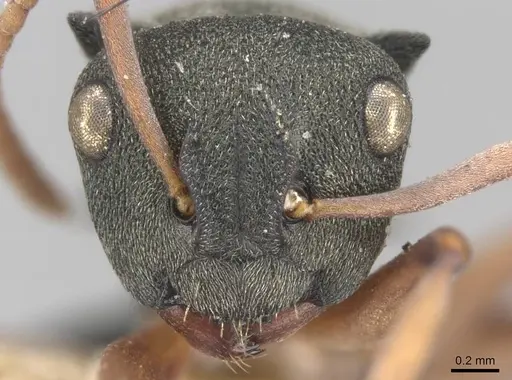
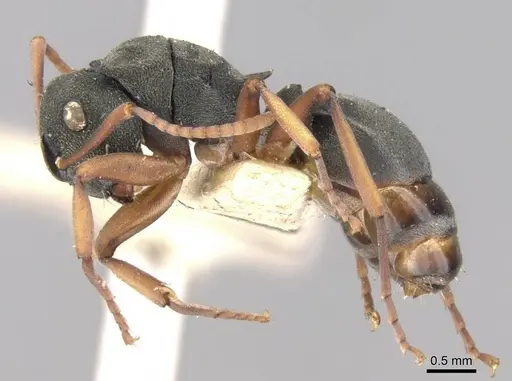
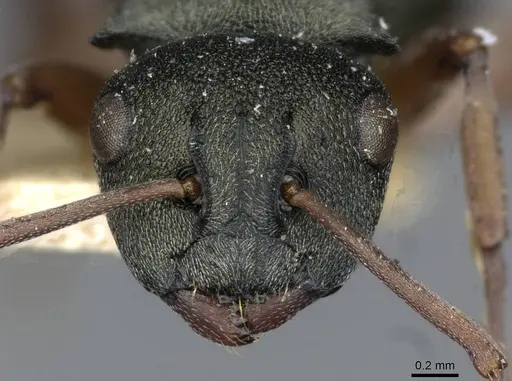
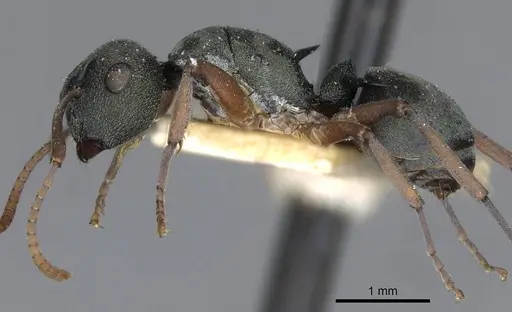
Polyrhachis jerdonii is a small, striking ant species native only to Sri Lanka. Workers measure about 5mm in length with a distinctive bicolored appearance, the body is black while the legs and antennae are yellow to light reddish-brown [1]. This species belongs to the Myrmhopla subgenus and the cryptoceroides species-group, which is known for arboreal nesting habits using silk [2]. The sculpturation is very finely reticulate-punctate, giving the body a smooth but textured appearance [1]. This is a rare species known only from a few isolated collections, primarily in Sri Lanka's wet zone [3][1].
Quick Summary
- Difficulty: Medium, limited species-specific data available, but arboreal ants with silk-nesting behavior require experienced keeper attention
- Origin & Habitat: Endemic to Sri Lanka, found only in the wet zone regions [3]. In nature they nest arboreally in trees and shrubs, using silk to construct their nests [2].
- Colony Type: Colony structure is unconfirmed, Polyrhachis species are typically single-queen (monogyne) colonies, but this has not been specifically documented for P. jerdonii.
- Size & Growth:
- Queen: Undocumented, likely similar to worker size plus typical queen advantages
- Worker: 4.94-5.29mm [1]
- Colony: Unknown, the species is rarely collected and colony size data does not exist
- Growth: Unknown, likely moderate based on typical Polyrhachis patterns
- Development: Unconfirmed, likely 6-8 weeks based on related Polyrhachis species in tropical conditions (No specific development data exists for this species. Related Polyrhachis species in the cryptoceroides-group typically develop within 6-8 weeks at warm tropical temperatures.)
- Antkeeping:
- Temperature: Keep at 24-28°C, Sri Lanka is tropical, so they need warm, stable conditions. A heating cable on one side of the nest creates a suitable gradient.
- Humidity: High humidity required, they inhabit the wet zone of Sri Lanka. Keep nest substrate consistently moist but not waterlogged. Mist occasionally and provide a water source.
- Diapause: No, as a tropical species from Sri Lanka, they do not require hibernation. Maintain warm conditions year-round.
- Nesting: Arboreal setup required, these are tree-nesting ants that use silk. Provide a vertical or naturalistic setup with plants, branches, or cork bark. A Y-tong or acrylic nest with added vertical space and silk-friendly materials works well. They need access to plant material or surfaces where they can spin silk.
- Behavior: Generally peaceful and non-aggressive. As arboreal ants, they are excellent climbers and will explore vertical space readily. Workers are active foragers that search for food throughout their territory. Their small size (5mm) means escape prevention is important, they can squeeze through small gaps. They construct silk nests and may form cocoons for pupae [2].
- Common Issues: limited availability, this species is rarely available in the antkeeping hobby due to its restricted range, escape risk, small size requires fine mesh barriers and secure enclosures, arboreal setup complexity, they need vertical space and silk-nesting materials, which is more involved than ground-nesting setups, humidity management, maintaining proper humidity without causing mold requires attention, lack of species-specific care data, most care recommendations are inferred from related species
Housing and Nest Setup
Polyrhachis jerdonii requires an arboreal-style setup since they naturally nest in trees and shrubs. Unlike ground-nesting ants, they need vertical space and materials they can use for silk nest construction. A naturalistic setup with live or artificial plants, branches, and cork bark works well. You can also use a Y-tong or acrylic formicarium with added vertical elements and plant material for silk attachment. The outworld should include climbing surfaces and hiding spots. Because they are small (5mm), ensure all connections and barriers are tight-fitting to prevent escapes. Provide a water source and maintain humidity through occasional misting or a moist substrate area. [2][1]
Feeding and Diet
Polyrhachis jerdonii is likely an omnivorous forager like other Myrmhopla species. They probably feed on honeydew from aphids and scale insects, nectar from flowers, and small insects for protein. In captivity, offer a varied diet including sugar water or honey as a constant energy source, and protein sources like small crickets, mealworms, or fruit flies. Feed protein 2-3 times per week, removing any uneaten prey after 24 hours. Fresh fruit and occasional protein-rich foods help support colony growth. Observe your colony's preferences and adjust feeding frequency accordingly.
Temperature and Humidity
Being native to tropical Sri Lanka, P. jerdonii requires warm and humid conditions. Maintain temperatures between 24-28°C with minimal fluctuations. A heating cable placed on part of the nest creates a thermal gradient the ants can regulate by moving between warmer and cooler areas. For humidity, aim for 70-80% relative humidity, mist the enclosure regularly and keep nesting materials slightly moist. The wet zone distribution in Sri Lanka indicates they prefer consistently damp conditions. Avoid both drying out the nest and creating stagnant, mold-prone environments, adequate ventilation helps balance these needs. [3]
Behavior and Colony Dynamics
This species is part of the Myrmhopla subgenus, known for silk-nesting behavior. Workers cooperate to spin silk that helps bind nest materials together, creating protective structures in tree branches and foliage. They are likely diurnal foragers, actively searching for food during daylight hours. Colonies are probably relatively small compared to some Polyrhachis species, given the limited field collections. Workers are not particularly aggressive and will likely flee rather than attack when threatened. Their small size makes them vulnerable in captivity, so avoid housing them with predatory insects or other aggressive ant species. They are excellent climbers and will readily traverse vertical surfaces. [2][1][3]
Frequently Asked Questions
How long does it take for Polyrhachis jerdonii to produce first workers?
The exact timeline is unconfirmed, but based on related Polyrhachis species in the cryptoceroides-group, expect 6-8 weeks from egg to worker at optimal tropical temperatures (24-28°C).
Can I keep Polyrhachis jerdonii in a test tube setup?
Test tubes are not ideal for this species. They are arboreal ants that naturally nest in trees and use silk, so they need a vertical setup with plant material or cork bark for silk nest construction. A naturalistic or hybrid setup works best.
What do Polyrhachis jerdonii eat?
They are omnivorous. Offer sugar sources (honey water, sugar water) constantly, and protein (small insects like fruit flies, pinhead crickets, mealworms) 2-3 times per week. They likely also accept nectar and fruit.
Are Polyrhachis jerdonii good for beginners?
This species is not ideal for beginners. It has very limited availability, requires an arboreal setup with silk-nesting materials, and needs warm, humid tropical conditions. The lack of species-specific care data also makes it challenging.
Do Polyrhachis jerdonii need hibernation?
No. As a tropical species from Sri Lanka, they do not require hibernation. Keep them warm year-round at 24-28°C.
How big do Polyrhachis jerdonii colonies get?
Colony size is unknown, but based on related species and the limited field collections, colonies likely remain relatively small, probably under 500 workers.
Why is Polyrhachis jerdonii so rarely available?
This species is endemic to Sri Lanka and known only from a few isolated collections [1]. It is found only in the wet zone [3] and has rarely been encountered by researchers, making it exceptionally uncommon in the antkeeping hobby.
References

This caresheet is licensed under CC BY-SA 4.0 .
CASENT0906755
View on AntWeb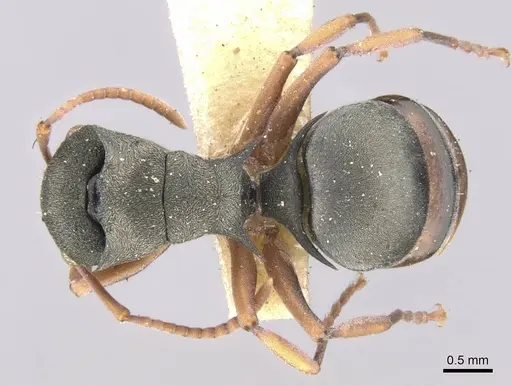
CASENT0910853
View on AntWeb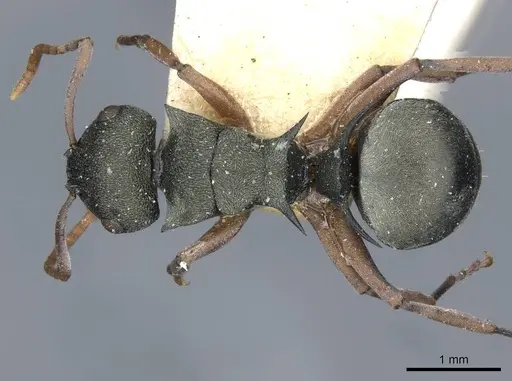
Literature
Loading...Loading products...