

Polyrhachis insularis
- Scientific Name
- Polyrhachis insularis
- Subgenus
- Campomyrma
- Tribe
- Camponotini
- Subfamily
- Formicinae
- Author
- Emery, 1887
- Distribution
- Found in 1 countries
Polyrhachis insularis Overview
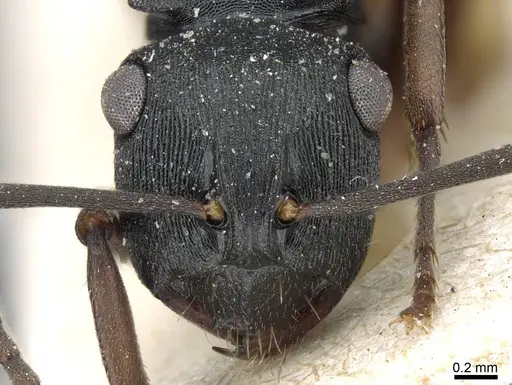
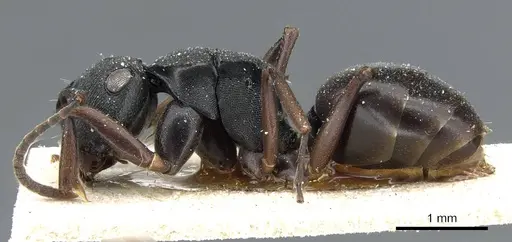
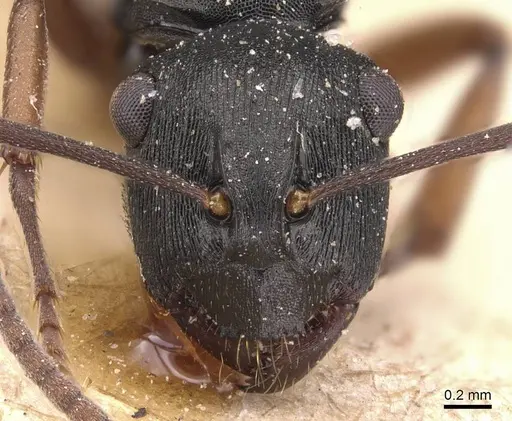
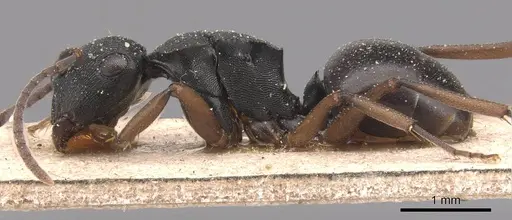
Polyrhachis insularis is an ant species of the genus Polyrhachis. It is primarily documented in 1 countries , including Australia. Detailed taxonomic data and occurrence records can be further explored via authoritative databases such as AntWeb or the Global Biodiversity Information Facility (GBIF).
Polyrhachis insularis
Polyrhachis insularis is a tropical ant species originally described by Emery and found throughout New Britain and the broader Oceania region [1]. These ants belong to the subgenus Campomyrma, a group known for their subterranean nesting habits [2]. Workers are typical of the genus Polyrhachis, they have spines protruding from the thorax (the middle body section), which gives them the common name 'spiny ants'. As a tropical species from Papua New Guinea, they require warm, stable conditions year-round and do not undergo hibernation. The species constructs underground nests, and like other Formicinae ants, their pupae develop inside protective cocoons [2].
Quick Summary
- Difficulty: Medium
- Origin & Habitat: New Britain, Papua New Guinea region, tropical islands with humid, warm climate. They nest underground in soil [2].
- Colony Type: Colony structure is unconfirmed. Most Polyrhachis species are monogyne (single queen), but this has not been specifically documented for P. insularis.
- Size & Growth:
- Queen: Estimated 10-14mm based on typical Polyrhachis dimensions, not directly measured for this species
- Worker: Estimated 6-10mm based on genus patterns
- Colony: Unknown for this species, related Polyrhachis species typically reach several hundred to a few thousand workers
- Growth: Moderate, inferred from tropical ant development patterns
- Development: Estimated 6-10 weeks at tropical temperatures (25-28°C) based on related species (Development time is estimated from genus-level data, direct measurements for this species are unavailable)
- Antkeeping:
- Temperature: Keep at 24-28°C. As a tropical species from New Britain, they need consistent warmth year-round. A heating cable on one side of the nest creates a temperature gradient [2].
- Humidity: High humidity preferred, think tropical forest floor conditions. Keep the nest substrate consistently moist but not waterlogged. Provide a water tube for drinking water.
- Diapause: No, tropical species do not require hibernation. Maintain warm conditions year-round.
- Nesting: Subterranean nester, they need soil or a soil-based substrate in their nest. A naturalistic setup with a deep soil chamber or a Y-tong/plaster nest with moist substrate works well. Avoid completely dry conditions.
- Behavior: Polyrhachis ants are generally moderate in temperament, they are not extremely aggressive but will defend their nest if threatened. Workers forage on the ground and may climb surfaces. Escape risk is moderate, they are not tiny ants but can climb smooth surfaces. Use standard barrier methods. They are primarily nocturnal or crepuscular foragers in their natural habitat.
- Common Issues: tropical species are sensitive to temperature drops, sudden cooling can stress or kill colonies, subterranean nesting requires proper humidity management, too dry and brood desiccates, too wet and mold becomes a problem, slow founding phase, claustral queens may take months to produce first workers, and beginners often give up too soon, wild-caught colonies may carry parasites or diseases that manifest in captivity, tropical ants do not tolerate cold, keep them away from air conditioning vents and cold windows
Nest Preferences and Housing
Polyrhachis insularis is a subterranean nester, meaning they naturally dig and live in underground chambers [2]. In captivity, this translates to needing a nest with soil or a soil-like substrate that can hold moisture. A naturalistic setup with a deep soil chamber works well, as does a Y-tong (acrylic) nest filled with moist substrate. Plaster nests can also work if you keep them adequately moistened. The key is providing a nest environment that stays damp but not waterlogged, think of a tropical forest floor that never fully dries out. Outworld space should include areas for foraging, and you can add items like leaf litter or small stones to give foragers something to explore.
Feeding and Diet
Polyrhachis ants are generalist foragers, meaning they eat a variety of foods. In captivity, offer a balanced diet of protein and carbohydrates. Protein sources include small insects like fruit flies, pinhead crickets, mealworms, and other small arthropods. For carbohydrates, provide sugar water, honey, or diluted honey water. Fresh water should always be available. Feed protein roughly twice weekly, and keep sugar water or honey available constantly. Remove uneaten prey after 24-48 hours to prevent mold. As a tropical species, they may have higher energy needs due to constant activity in warm conditions.
Temperature and Seasonal Care
Being a tropical species from New Britain (Papua New Guinea), Polyrhachis insularis requires warm conditions year-round. Keep the nest area between 24-28°C. Temperatures below 22°C can stress the colony and slow or stop brood development. Use a heating cable or heating mat on one side of the nest to create a gentle temperature gradient, allowing ants to move between warmer and cooler areas. Place the heating element on top of the nest, not underneath, to avoid evaporating moisture too quickly. Monitor with a thermometer. Do not place the colony near air conditioning vents, cold windows, or anywhere with temperature fluctuations. Unlike temperate species, they do not need a winter rest period, maintain warm conditions throughout the year. [1]
Colony Founding
The founding behavior of Polyrhachis insularis has not been directly documented, but based on patterns seen in other Polyrhachis species, the queen likely performs claustral founding. This means the queen seals herself in a small underground chamber after mating, then lives entirely on her stored fat reserves while raising the first brood. She does not leave to forage during this time. The first workers (called nanitics) are typically smaller than normal workers. This founding phase can take several months, so patience is essential. Do not disturb a founding queen during this period, excessive vibration or light exposure can cause her to abandon or eat her brood. Once the first workers emerge, you can begin offering tiny food items near the nest entrance.
Behavior and Temperament
Polyrhachis ants are generally not aggressive toward humans but will defend their nest if threatened. Workers are active foragers that search for food both on the ground and may climb surfaces. They are primarily nocturnal or crepuscular in their natural habitat, meaning they are most active during evening and night hours, though they may adjust to your light cycle in captivity. Workers communicate through chemical trails and can recruit nestmates to food discoveries. The spines on their thorax are primarily for defense against predators, they are not typically aggressive toward keepers. Escape risk is moderate, while not tiny, they can climb smooth surfaces, so standard barrier methods like fluon on container rims work well.
Frequently Asked Questions
How long does it take for Polyrhachis insularis to produce first workers?
This depends on temperature, but claustral founding typically takes 6-10 weeks at optimal temperatures (25-28°C). The queen raises the first brood entirely alone, so patience is essential during this phase. Some colonies may take longer if temperatures are on the cooler side.
Can I keep Polyrhachis insularis in a test tube?
Test tubes can work for founding colonies, but because this is a subterranean species that needs moisture, you may need to add a small water reservoir and provide a moist substrate area. Many keepers transfer to a more naturalistic setup once the colony reaches 20-30 workers.
What temperature do Polyrhachis insularis need?
Keep them at 24-28°C. As a tropical species from New Britain, they need consistent warmth year-round. Avoid temperatures below 22°C.
Are Polyrhachis insularis good for beginners?
This species is rated as medium difficulty. The main challenges are maintaining proper humidity and temperature consistently, and the slow founding phase requires patience. If you have kept tropical ants before, this is a good choice.
How big do Polyrhachis insularis colonies get?
Colony size is not documented for this specific species, but related Polyrhachis species typically reach several hundred to a few thousand workers. Growth is moderate.
Do Polyrhachis insularis need hibernation?
No. As a tropical species from Papua New Guinea, they do not require hibernation or winter rest. Maintain warm conditions year-round.
What do Polyrhachis insularis eat?
They are generalist feeders. Offer small insects (fruit flies, pinhead crickets, mealworms) for protein, and sugar water or honey for carbohydrates. Fresh water should always be available.
When should I move my colony to a formicarium?
You can keep them in a test tube setup as long as the colony is small and the tube remains clean. Transfer to a larger nest (like a Y-tong or naturalistic setup) once the colony reaches 30-50 workers or the test tube becomes cramped.
Can I keep multiple queens together?
The colony structure of Polyrhachis insularis has not been documented. Most Polyrhachis species are monogyne (single queen), so it is not recommended to keep multiple unrelated queens together as they may fight.
References

This caresheet is licensed under CC BY-SA 4.0 .
CASENT0905560
View on AntWeb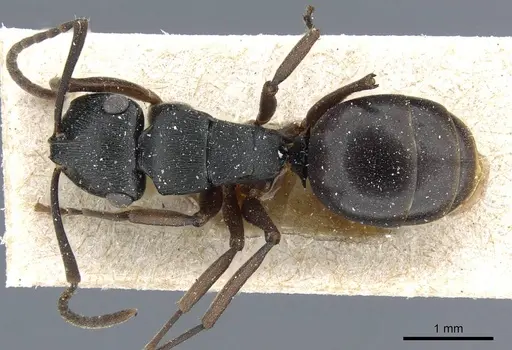
CASENT0905814
View on AntWeb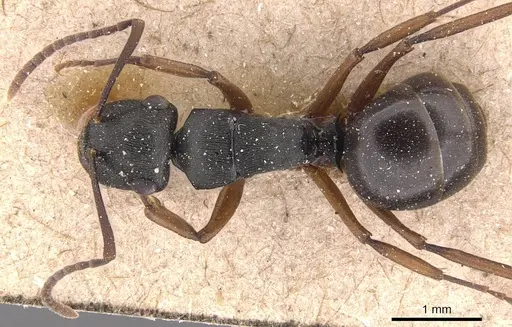
Literature
Loading...Loading products...