

Polyrhachis inconspicua
- Scientific Name
- Polyrhachis inconspicua
- Subgenus
- Campomyrma
- Tribe
- Camponotini
- Subfamily
- Formicinae
- Author
- Emery, 1887
- Distribution
- Found in 1 countries
Polyrhachis inconspicua Overview
Polyrhachis inconspicua is an ant species of the genus Polyrhachis. It is primarily documented in 1 countries , including Australia. Detailed taxonomic data and occurrence records can be further explored via authoritative databases such as AntWeb or the Global Biodiversity Information Facility (GBIF).
Polyrhachis inconspicua
Polyrhachis inconspicua is a small to medium-sized ant native to Australia and surrounding regions. Workers measure around 1.4mm in head width, making them one of the smaller Polyrhachis species [1]. The species belongs to the subgenus Campomyrma and is characterized by having a distinct carina separating the propodeal dorsum from the propodeal declivity in rear view [1]. Originally described by Emery in 1887,it was later recognized as the senior synonym of Polyrhachis inconspicua. This ant is part of the Subordinate Camponotini functional group, indicating it plays a non-dominant role in ant communities [2]. The species has been recorded across northern Australia's seasonal tropics, including the Mitchell Falls region and various islands off the Northern Territory coast [2][3].
Quick Summary
- Difficulty: Medium
- Origin & Habitat: Northern Australia (Torresian biogeographic region), found in semi-arid tropical regions, recorded from both laterite and sandstone habitats [2]. Also present on Barrow Island off Western Australia [4].
- Colony Type: Colony structure is unconfirmed. Based on typical Polyrhachis patterns, likely single-queen colonies.
- Size & Growth:
- Queen: Unknown, estimated 6-8mm based on genus patterns
- Worker: Head width ≤1.4mm [1], total length approximately 4-5mm
- Colony: Likely moderate, several hundred workers based on genus patterns
- Growth: Moderate, estimated based on tropical Formicinae patterns
- Development: Estimated 6-8 weeks at optimal tropical temperatures (25-28°C) based on related Formicinae (Development time is estimated, no specific study found for this species)
- Antkeeping:
- Temperature: Keep at 24-28°C. As a tropical Australian species, they prefer warm conditions. A heating cable on one side of the nest can provide a temperature gradient.
- Humidity: Moderate humidity, aim for 50-70%. These ants come from northern Australia's seasonal tropics, which experience wet-dry seasonal cycles. Provide a water tube and allow the nest to dry slightly between waterings.
- Diapause: Unlikely required. As a tropical species from northern Australia, they do not experience harsh winters. However, a slight reduction in temperature during winter months (to around 20-22°C) may be beneficial.
- Nesting: Provide a naturalistic setup with soil substrate or a Y-tong/plaster nest. In nature, they nest in soil and under stones [2]. A nest with chambers scaled to their small size works well.
- Behavior: Workers are active foragers that likely scavenge for honeydew and small insects. As Subordinate Camponotini, they are not aggressive and tend to avoid conflict with other ants. Escape prevention is important due to their small size, use fine mesh and tight-fitting barriers. They are not known to sting and are generally docile.
- Common Issues: small size means escapes are likely without fine mesh barriers, limited species-specific information means care is based on genus patterns, tropical species may not tolerate cool temperatures, colonies may be slow to establish from founding stage
Natural History and Distribution
Polyrhachis inconspicua is endemic to northern Australia and surrounding islands. The species has been recorded across the Torresian biogeographic region, which encompasses tropical northern Australia [2]. Studies have documented the ant in various habitats including the Mitchell Falls area of tropical north-western Australia, where it was found at both laterite and sandstone sites [2]. The species has also been recorded on multiple islands including the Wessel and English Company Islands in the Northern Territory [3], and Barrow Island off Western Australia [4]. This wide distribution across different island and mainland habitats suggests the species is adaptable to various environmental conditions within its tropical range.
Identification and Morphology
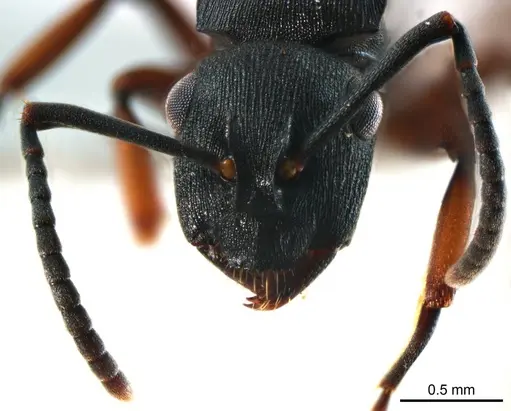
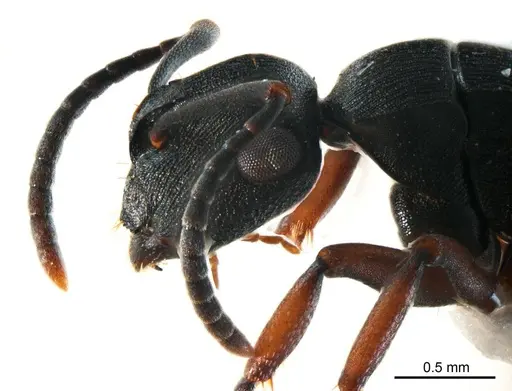
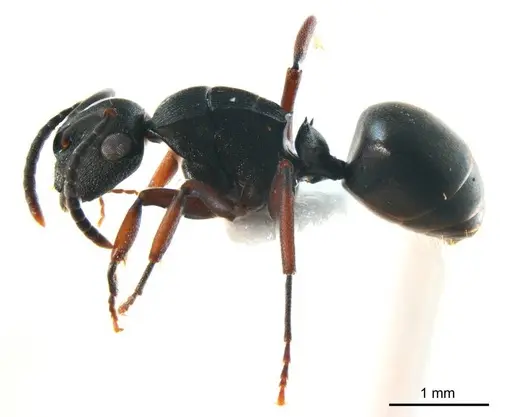
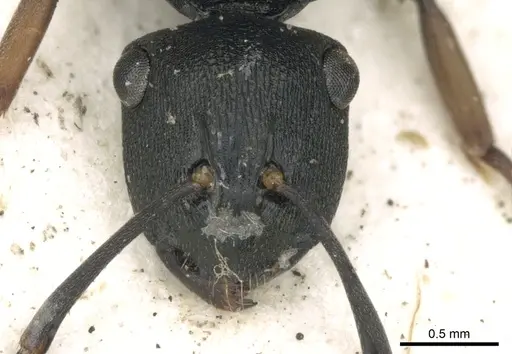
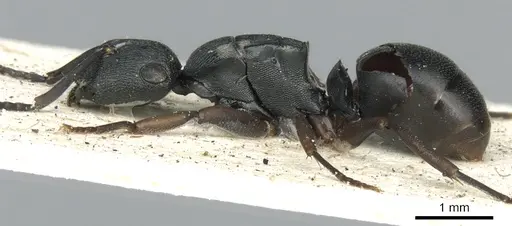
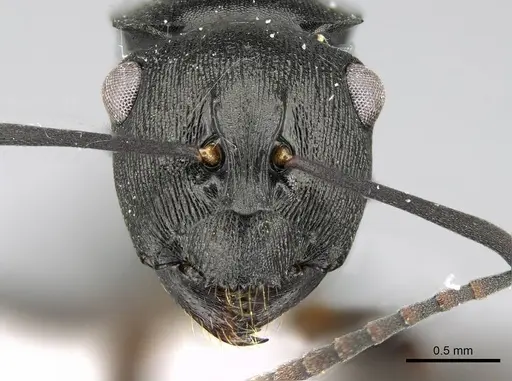
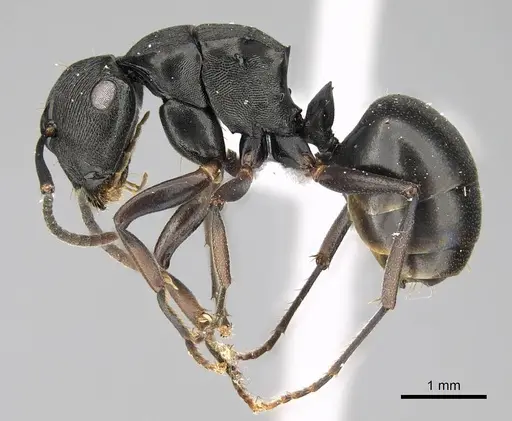
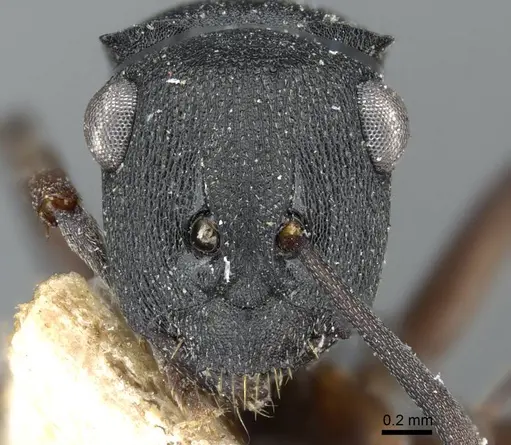
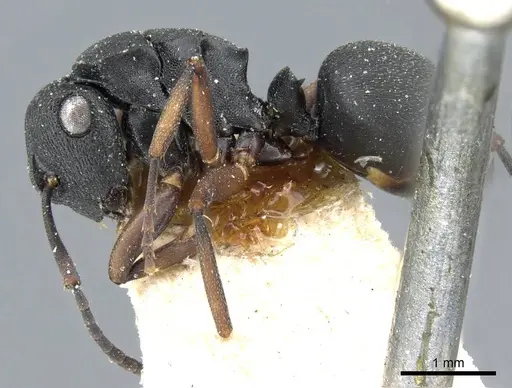
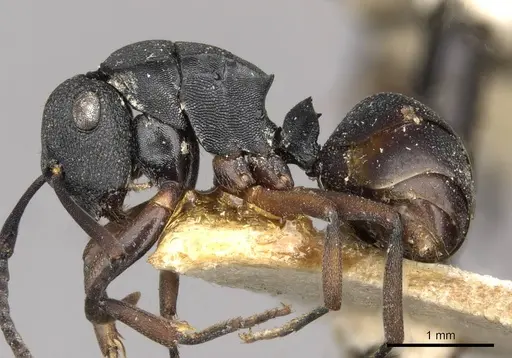
Polyrhachis inconspicua is a relatively small ant within the genus Polyrhachis, with workers having a head width of 1.4mm or less [1]. A key identification feature is the distinct carina that separates the propodeal dorsum from the propodeal declivity when viewed from behind [1]. The species belongs to the subgenus Campomyrma. Originally described as Polyrhachis inconspicua by Forel in 1902,it was later synonymized with P. inconspicua by Taylor in 1989. The species is part of the Subordinate Camponotini functional group, which typically indicates non-aggressive, opportunistic foragers that coexist with more dominant ant species [2].
Housing and Nest Setup
For keeping Polyrhachis inconspicua in captivity, a small to medium-sized nest works best given their modest colony size. A Y-tong (acrylic) nest or plaster nest with appropriately scaled chambers is recommended. The chambers should be sized for their small worker size, avoid overly large, open spaces. Provide a water tube for humidity and ensure the nest material can hold some moisture without becoming waterlogged. Since they come from tropical Australia, maintain warm temperatures of 24-28°C. A heating cable placed on top of the nest can help maintain optimal temperatures. For the outworld, a simple setup with a foraging area and sugar water station works well. Escape prevention is important due to their small size, use fine mesh on any openings.
Feeding and Diet
As Formicinae ants, Polyrhachis inconspicua likely accepts a varied diet similar to other members of the subfamily. Offer sugar water or honey regularly as an energy source. For protein, provide small insects such as fruit flies, small mealworms, or cricket pieces. Based on their small size and the foraging patterns of related species, they likely also collect honeydew from aphids if available. Feed small amounts of protein 2-3 times per week, and keep sugar water available at all times. Remove any uneaten prey after 24-48 hours to prevent mold.
Temperature and Seasonal Care
Polyrhachis inconspicua comes from tropical northern Australia, so they prefer warm conditions. Keep the nest at 24-28°C for optimal colony development and activity. A temperature gradient allows the ants to regulate their body temperature by moving between warmer and cooler areas of the nest. During winter months, a slight reduction to around 20-22°C is acceptable, but avoid cool temperatures below 18°C. Unlike temperate species, they do not require a true hibernation or diapause period. Maintain consistent warmth year-round for best results. A heating cable or small heat mat on one side of the nest can help maintain temperatures in cooler rooms.
Colony Development
The colony development timeline for this species is estimated based on related Formicinae ants. Expect the first workers (nanitics) to emerge approximately 6-8 weeks after the queen lays eggs, when kept at optimal tropical temperatures of 25-28°C. Initial colony growth is typically slow as the queen raises the first brood alone. Once workers emerge, colony growth accelerates as they take over foraging and brood care. The maximum colony size is not well documented but is likely several hundred workers based on typical Polyrhachis colony sizes. Patience is essential during the founding stage, avoid disturbing the queen or moving the nest during this critical period.
Frequently Asked Questions
How long does it take for Polyrhachis inconspicua to produce first workers?
Based on related Formicinae species, expect first workers approximately 6-8 weeks after eggs are laid, when kept at optimal temperatures of 25-28°C. The exact timeline is not documented for this specific species.
What temperature do Polyrhachis inconspicua ants need?
Keep them at 24-28°C. As a tropical Australian species, they prefer warm conditions. A heating cable on the nest can help maintain warmth in cooler environments.
Do Polyrhachis inconspicua ants need hibernation?
No, hibernation is not required. This is a tropical species from northern Australia that does not experience harsh winters. Maintain warm temperatures year-round.
What do Polyrhachis inconspicua ants eat?
They likely accept sugar sources (honey, sugar water) and protein (small insects like fruit flies, mealworms). Feed protein 2-3 times per week and keep sugar water available constantly.
Are Polyrhachis inconspicua ants aggressive?
No, they are generally docile. As part of the Subordinate Camponotini functional group, they are non-aggressive and avoid conflict with other ant species.
How big do Polyrhachis inconspicua colonies get?
Colony size is not well documented but is estimated at several hundred workers based on typical Polyrhachis growth patterns.
Can I keep multiple queens together?
Colony structure is unconfirmed for this species. Based on typical Polyrhachis patterns, they likely form single-queen colonies. Combining unrelated queens is not recommended without species-specific documentation.
What size nest should I use for Polyrhachis inconspicua?
Use a small to medium-sized nest with chambers appropriately scaled for their small worker size (around 4-5mm). A Y-tong or plaster nest works well.
Is Polyrhachis inconspicua good for beginners?
They are rated as Medium difficulty. While not aggressive, their small size and specific temperature requirements (warm conditions) make them better suited for keepers with some experience.
References

This caresheet is licensed under CC BY-SA 4.0 .
ANTWEB1008706
View on AntWeb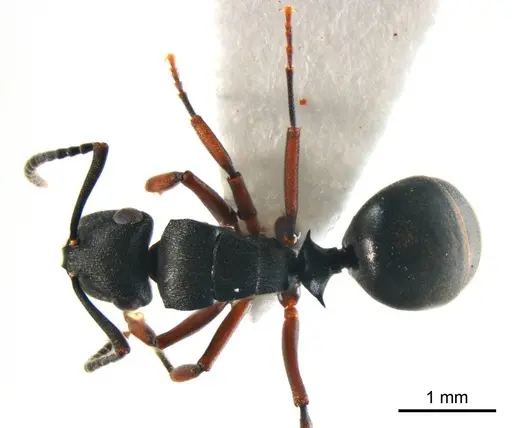
CASENT0249663
View on AntWeb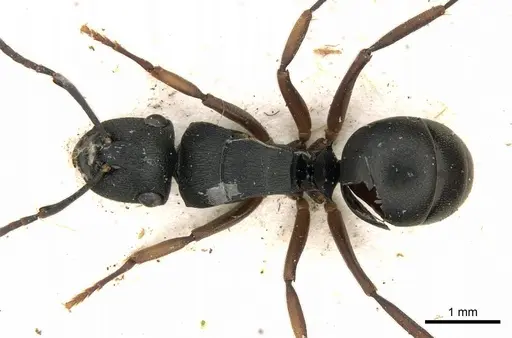
CASENT0740782
View on AntWeb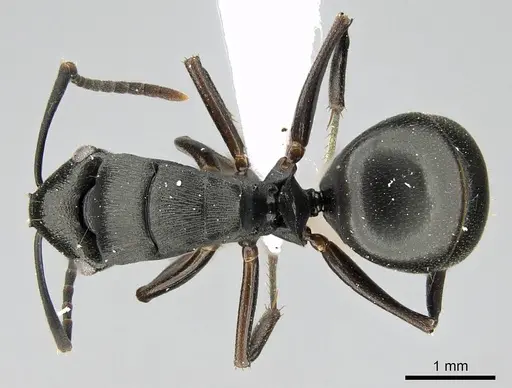
CASENT0905559
View on AntWeb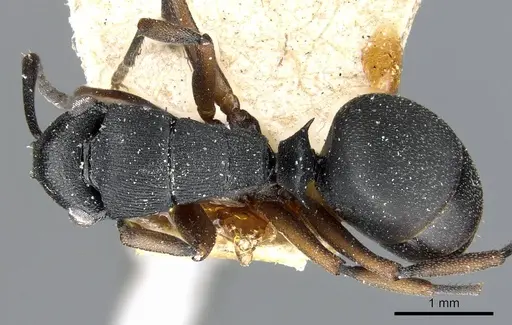
CASENT0910781
View on AntWeb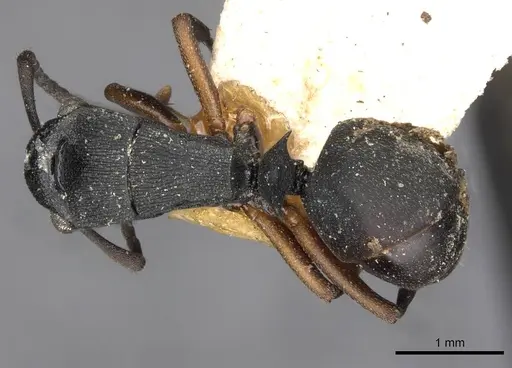
Literature
Loading...Loading products...