

Polyrhachis hostilis
- Scientific Name
- Polyrhachis hostilis
- Subgenus
- Chariomyrma
- Tribe
- Camponotini
- Subfamily
- Formicinae
- Author
- Smith, 1859
- Distribution
- Found in 1 countries
Polyrhachis hostilis Overview
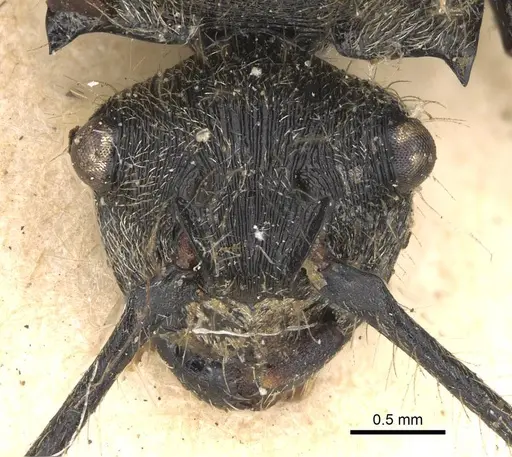
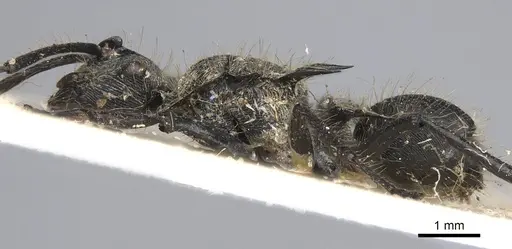
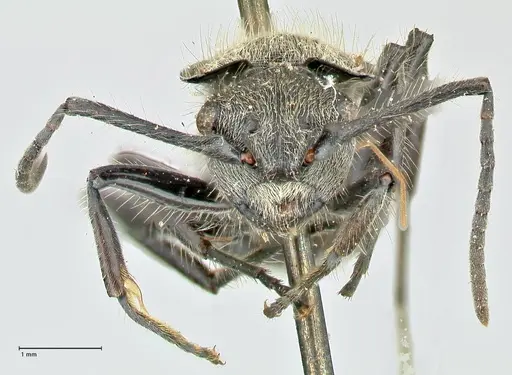
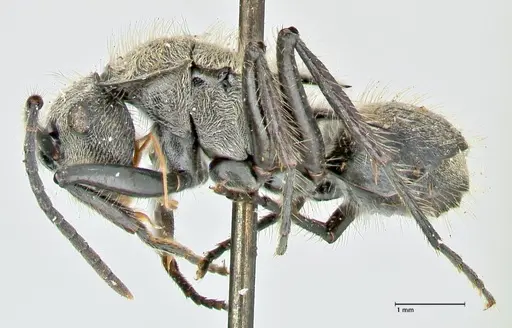
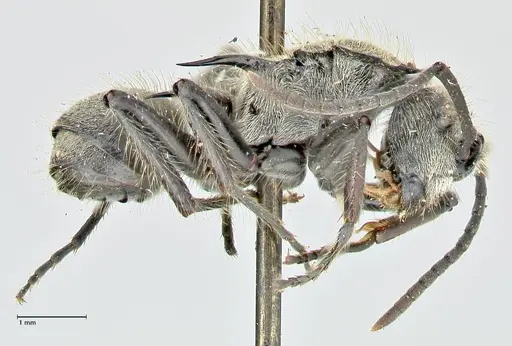
Polyrhachis hostilis is an ant species of the genus Polyrhachis. It is primarily documented in 1 countries , including Indonesia. Detailed taxonomic data and occurrence records can be further explored via authoritative databases such as AntWeb or the Global Biodiversity Information Facility (GBIF).
Polyrhachis hostilis
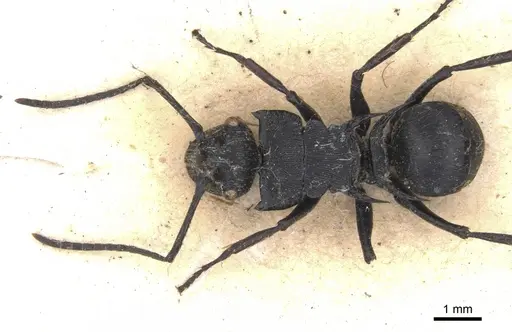
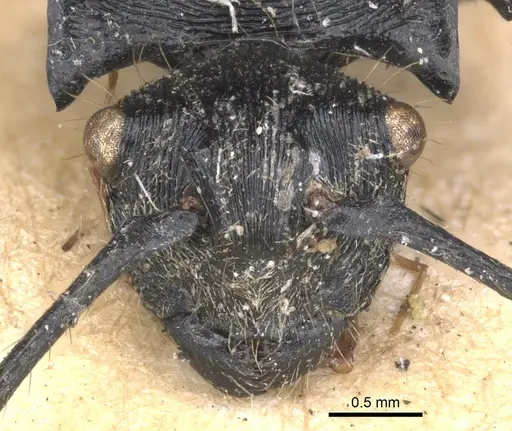
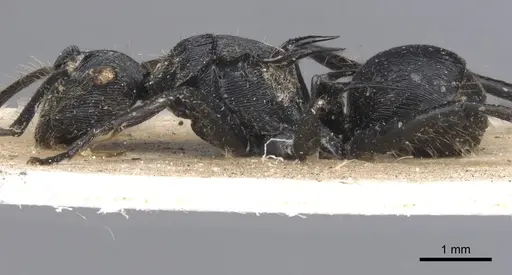
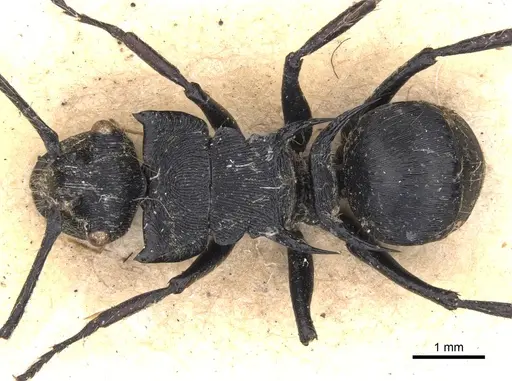
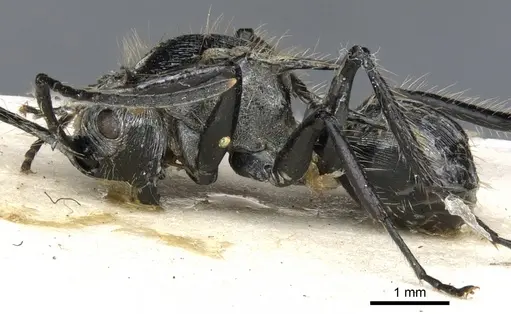
Polyrhachis hostilis is a tropical ant species belonging to the Formicinae subfamily, native to the Australasian region including New Guinea and the Aru Islands of Indonesia [1]. Workers are modest-sized ants, typically in the 5-8mm range based on genus patterns, with the characteristic dark coloration common to many Polyrhachis species. The species was first described by Frederick Smith in 1859 from specimens collected on Aru Island [2]. As a member of the subgenus Chariomyrma, this species is part of a group known for their relatively smooth body surfaces and moderate spines compared to other Polyrhachis groups. The genus Polyrhachis is often called 'spiny ants' due to the spines or projections on their thorax, though P. hostilis has relatively modest development in this regard.
Quick Summary
- Difficulty: Medium
- Origin & Habitat: Native to New Guinea and the Aru Islands in Indonesia, this species inhabits tropical rainforest environments in the Australasian region [1][3]. They typically nest in rotting wood, under bark, or in soil cavities in humid, shaded forest floor habitats.
- Colony Type: Colony structure is unconfirmed for this specific species. Based on typical Polyrhachis patterns, they likely form single-queen colonies (monogyne), though some related species can have multiple queens.
- Size & Growth:
- Queen: Estimated 8-10mm based on genus patterns for medium-sized Polyrhachis species
- Worker: Estimated 5-8mm based on genus patterns
- Colony: Likely reaches several hundred workers based on related species
- Growth: Moderate, typical for tropical Formicinae
- Development: Estimated 6-10 weeks at optimal tropical temperatures based on related species (Development time is estimated from genus patterns since specific data for P. hostilis is unavailable. Warmer temperatures within the tropical range may accelerate development.)
- Antkeeping:
- Temperature: Keep at 24-28°C (75-82°F), this is a tropical species requiring warm, stable temperatures [2]. A heating cable on one side of the nest creates a gradient allowing workers to self-regulate. Avoid temperatures below 22°C as this is a warmth-loving species.
- Humidity: Maintain high humidity at 70-85%. This species comes from humid tropical forests, so keep the nest substrate consistently moist but not waterlogged. Provide a water tube for drinking access. Mist the outworld occasionally but avoid direct misting of the nest.
- Diapause: No, as a tropical species, they do not require hibernation. However, slight temperature reductions during cooler months may be appropriate if your room temperature fluctuates significantly.
- Nesting: Provide a humid nest environment with rotting wood or a moist plaster/acrylic setup. Y-tong (AAC) nests work well for medium-sized ants, or a naturalistic setup with damp substrate. They prefer dark, humid nesting chambers away from direct light.
- Behavior: Polyrhachis hostilis is generally calm and not particularly aggressive. Workers are active foragers, primarily hunting small insects and tending aphids for honeydew. They have the typical Formicinae ability to squirt formic acid as a defense, though this is rarely needed in captivity. Escape risk is moderate, ensure your setup has tight-fitting barriers as workers can squeeze through small gaps when determined. They are primarily nocturnal or crepuscular in activity patterns, becoming more active during dim lighting conditions.
- Common Issues: tropical species are sensitive to temperature drops, keep them warm year-round, high humidity requirements mean mold can be an issue if ventilation is poor, slow colony growth can lead to beginner discouragement, patience is key, wild-caught colonies may carry parasites that can devastate captive populations, small colony sizes make them vulnerable to stress, minimize disturbances
Housing and Nest Setup
For Polyrhachis hostilis, you'll want a setup that provides both humidity control and darkness. Y-tong (AAC) nests work excellently for this species, the porous material holds humidity well while allowing you to monitor the colony. Alternatively, a naturalistic setup with a layer of damp soil/gravel and pieces of rotting wood provides a more natural environment. The nest area should be kept dark, cover three sides of a test tube setup or use the dark mode on acrylic nests. Connect the nest to a foraging area (outworld) that you can stock with small prey items. Because they come from humid tropical habitats, ensure the nest substrate stays moist but never sits in standing water. A water tube attached to the nest provides constant drinking access.
Feeding Requirements
Like most Polyrhachis species, P. hostilis is an omnivorous forager. In captivity, offer a varied diet: protein sources like small crickets, mealworms, fruit flies, and other small insects should be provided 2-3 times per week. They also accept sugar sources, a drop of honey or sugar water (diluted 1:4 with water) can be offered weekly. In the wild, they would also tend aphids and scale insects for honeydew, so providing a sugar source is important for colony health. Remove any uneaten prey after 24 hours to prevent mold. Fresh water should always be available.
Temperature and Seasonal Care
This is a tropical species that demands warmth. Keep your colony at 24-28°C (75-82°F) consistently. A small heating cable placed on top of the nest (never under it, as this can cause drying) helps maintain optimal temperatures. Room temperature may be sufficient in warm climates, but most homes need supplemental heating. Unlike temperate species, they do not require a winter diapause, in fact, temperature drops below 22°C can stress them and slow colony development. During cooler months, ensure your heating setup maintains stable warmth. Their native New Guinea habitat experiences little seasonal temperature variation, so consistency matters more than cycling.
Colony Development and Patience
Polyrhachis hostilis is not a fast-growing species, and new keepers should prepare for gradual development. A newly mated queen founding alone may take 4-6 weeks just to produce her first workers (nanitics), and the colony may remain small for several months. Once established with 20-50 workers, growth typically accelerates but remains moderate compared to faster species like some Lasius or Tapinoma. A mature colony may eventually reach several hundred workers over 2-3 years. The key to success is patience, resist the urge to disturb the nest frequently, as this causes stress. Minimal intervention during the founding stage is critical: keep the setup dark, humid, and warm, and resist opening the nest for the first few months.
Behavior and Handling
These ants are generally peaceful and unlikely to bite unless directly threatened. As Formicinae, they possess the ability to squirt formic acid as a defensive mechanism, though this is mild and rarely used in captivity. Workers are primarily nocturnal or crepuscular, becoming more active during dim lighting conditions, this reflects their natural forest floor habitat where direct sunlight is rare. They are good foragers and will readily hunt small prey in the outworld. While not aggressive toward humans, they can be nervous and may flee from disturbances. Their moderate size makes them easy to observe, and their relatively calm demeanor makes them suitable for keepers who prefer less aggressive species.
Frequently Asked Questions
How long does it take for Polyrhachis hostilis to produce first workers?
Expect 6-10 weeks from egg to first worker at optimal temperatures (24-28°C). This is an estimate based on genus patterns since specific development data for P. hostilis is unavailable. The founding queen will remain sealed in her chamber raising the brood until nanitics emerge.
Can I keep multiple Polyrhachis hostilis queens together?
Not recommended. While colony structure is unconfirmed for this specific species, Polyrhachis are typically monogyne (single-queen colonies). Combining unrelated queens typically results in fighting. If you obtain a wild colony, it likely has one founding queen.
What temperature do Polyrhachis hostilis need?
Keep them at 24-28°C (75-82°F). This tropical species requires consistent warmth. A small heating cable on top of the nest helps maintain optimal temperatures. Avoid temperatures below 22°C as this can stress the colony.
Do Polyrhachis hostilis need hibernation?
No, they do not require hibernation. As a tropical species from New Guinea, they expect year-round warmth. Maintain consistent temperatures throughout the year. Slight seasonal variations are acceptable but not necessary.
How big do Polyrhachis hostilis colonies get?
Based on related species, colonies likely reach several hundred workers over 2-3 years. They are not among the largest Polyrhachis species, but a healthy colony should eventually number in the hundreds.
What do Polyrhachis hostilis eat?
They are omnivorous. Offer small insects (crickets, mealworms, fruit flies) 2-3 times per week as protein. Also provide sugar sources like diluted honey or sugar water weekly. They will also drink water, so ensure a water tube is always available.
Are Polyrhachis hostilis good for beginners?
They are rated as medium difficulty. The main challenges are their need for high humidity and consistent warmth, plus slower colony growth compared to easier species. Experienced antkeepers or dedicated beginners willing to maintain proper conditions should do well.
When should I move Polyrhachis hostilis to a formicarium?
Wait until the colony has at least 50-100 workers before moving to a larger formicarium. Test tube setups work well for founding colonies and early growth. Moving too early stresses the colony. A Y-tong or naturalistic setup makes an excellent transition when the colony outgrows the test tube.
Why is my Polyrhachis hostilis colony dying?
Common causes include: temperature too low (below 22°C), humidity too low or too high (aim for 70-85% with ventilation), disturbance during founding stage, parasites from wild-caught colonies, or mold from overwatering. Check your conditions first and ensure the queen is still present and laying eggs.
References

This caresheet is licensed under CC BY-SA 4.0 .
CASENT0901803
View on AntWeb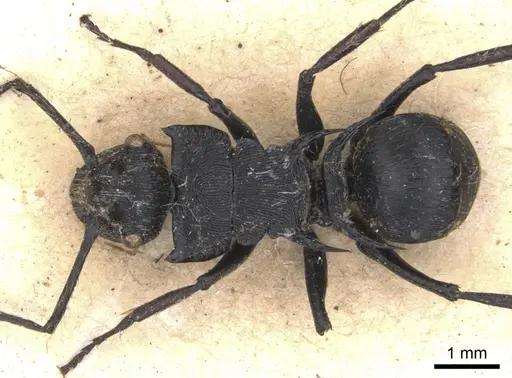
CASENT0903342
View on AntWeb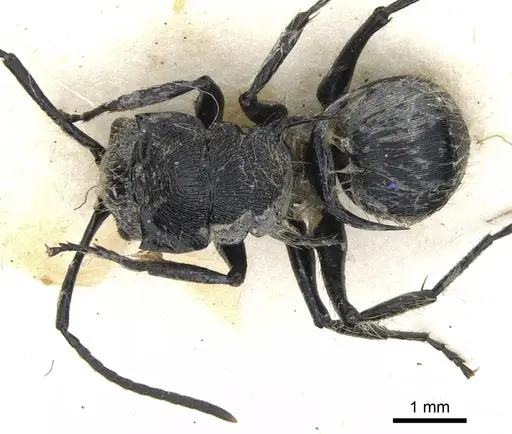
CASENT0906843
View on AntWeb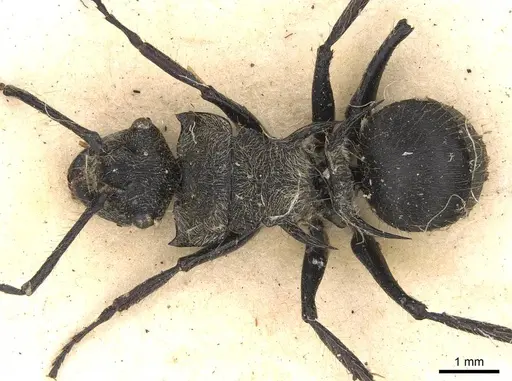
FOCOL2598
View on AntWeb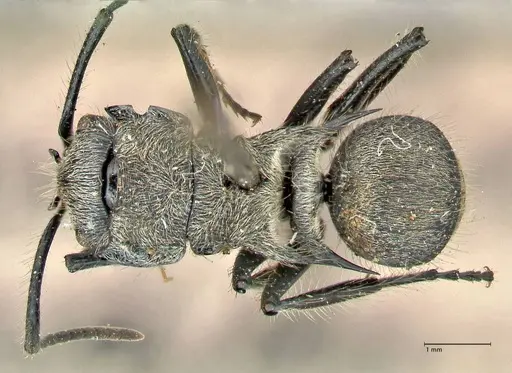
Literature
Loading...Loading products...