

Polyrhachis horni
- Scientific Name
- Polyrhachis horni
- Subgenus
- Myrma
- Tribe
- Camponotini
- Subfamily
- Formicinae
- Author
- Emery, 1901
- Distribution
- Found in 1 countries
Polyrhachis horni Overview
Polyrhachis horni is an ant species of the genus Polyrhachis. It is primarily documented in 1 countries , including Sri Lanka. Detailed taxonomic data and occurrence records can be further explored via authoritative databases such as AntWeb or the Global Biodiversity Information Facility (GBIF).
Polyrhachis horni
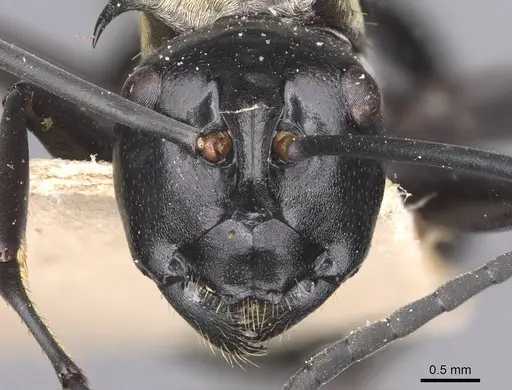
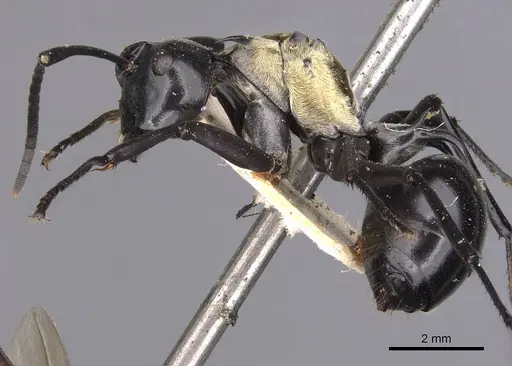
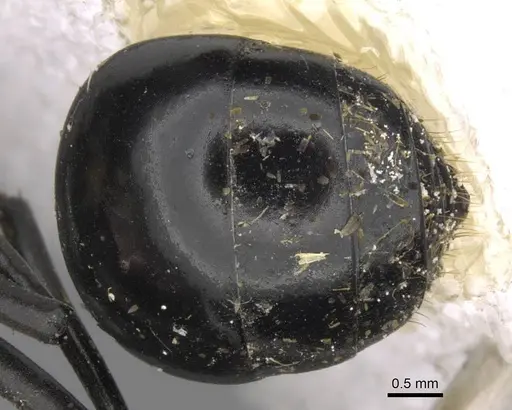
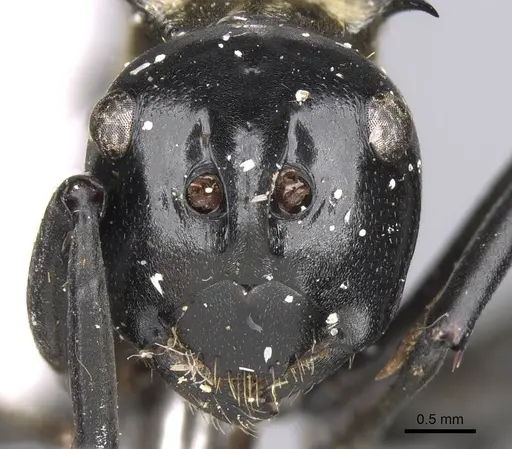
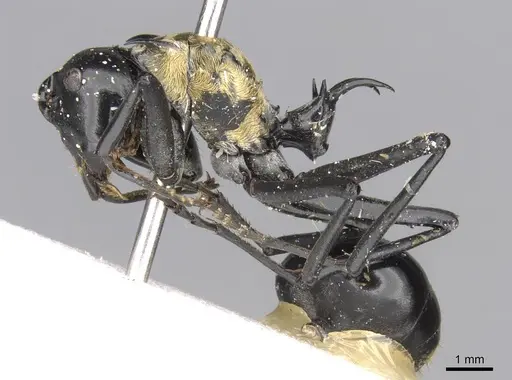
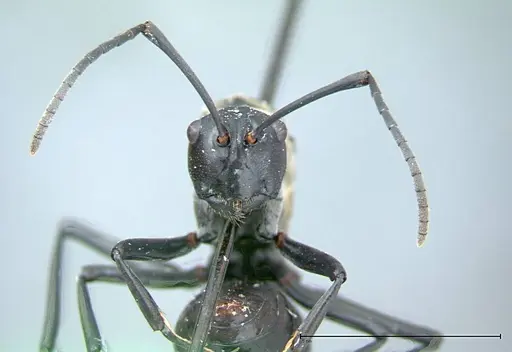
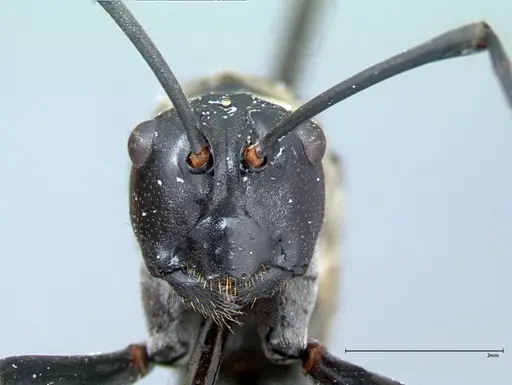
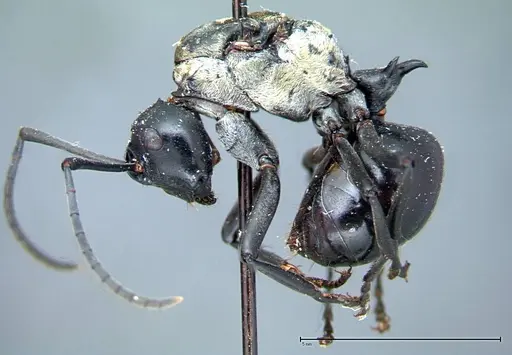
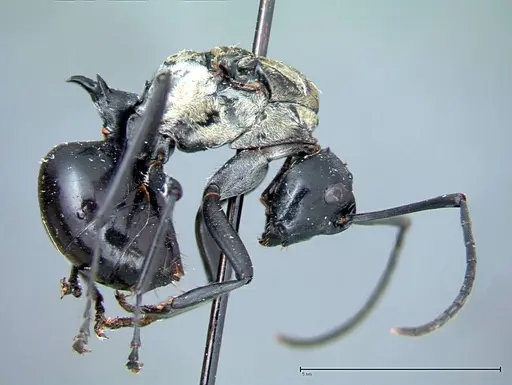
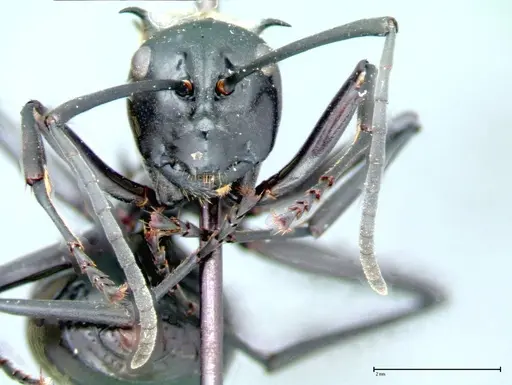
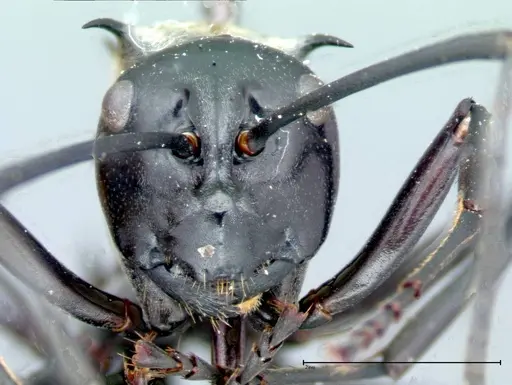
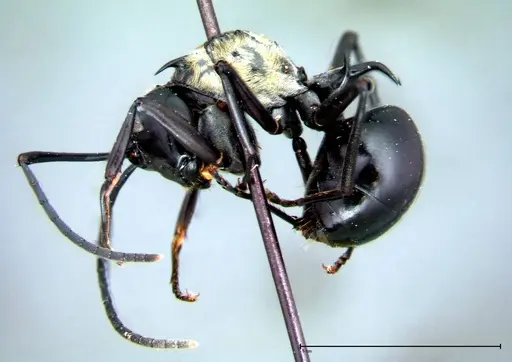
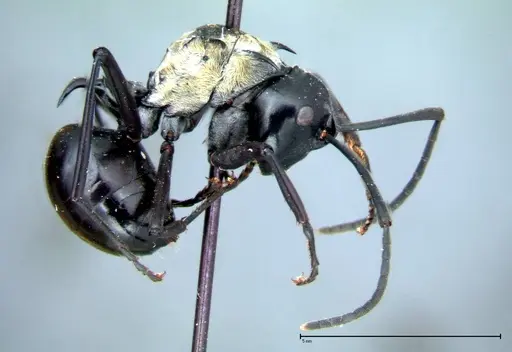
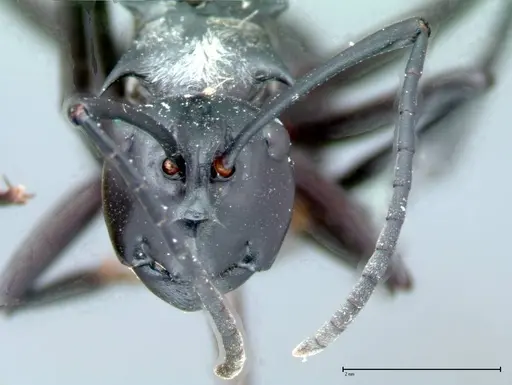
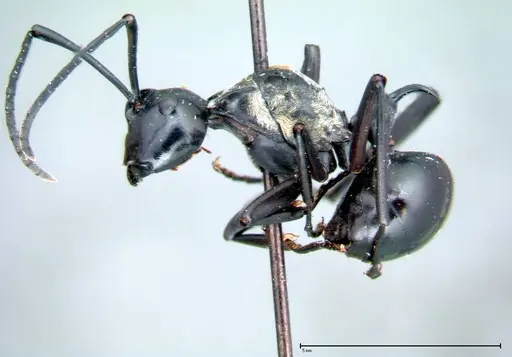
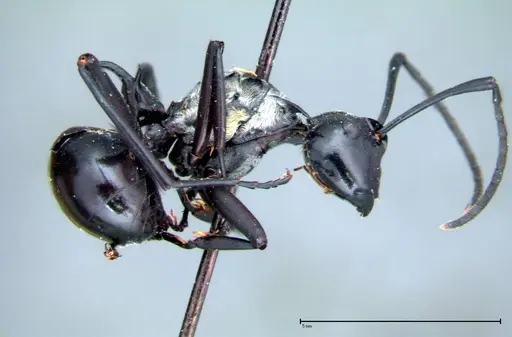
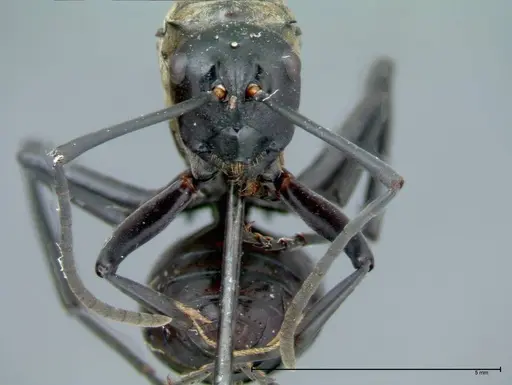
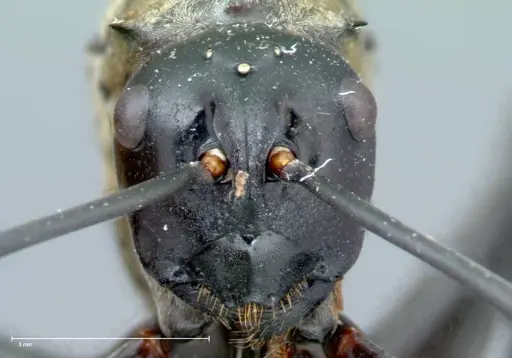
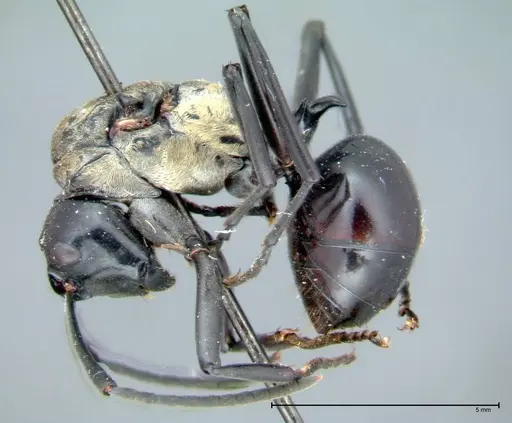
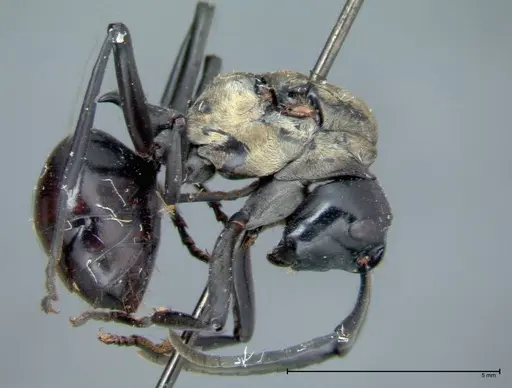
Polyrhachis horni is a distinctive ant species native to India and Sri Lanka, belonging to the subgenus Myrma. Workers are medium-sized ants, typically dark in coloration with characteristic spines protruding from the mesosoma (the middle body section), which gives them the common name 'spiny ants' or 'urchin ants.' These spines are more pronounced in some species within this group and serve as a defense mechanism against predators. The queen is larger than workers and was originally described alongside workers in 1901 by Emery, with the male described separately by Forel in 1908 [1]. This species inhabits the Indomalaya region, specifically documented in parts of India (Bihar, Karnataka) and Sri Lanka [2][3].
As a tropical Polyrhachis species, P. horni likely exhibits behaviors typical of its genus, these ants are often arboreal or semi-arboreal, building nests in vegetation, under bark, or in hollow twigs rather than in ground nests. They are generally less aggressive than some other ant genera, and their spiny morphology makes them visually striking additions to any ant collection. The limited scientific data available means much of the care information is inferred from related Polyrhachis species and general antkeeping knowledge.
Quick Summary
- Difficulty: Medium
- Origin & Habitat: India and Sri Lanka in the Indomalaya region. Based on related species, they likely inhabit tropical forests and forested areas, often nesting in vegetation or under bark [2][3].
- Colony Type: Colony structure is unconfirmed. Polyrhachis species typically establish single-queen colonies, though some can be polygynous. More research is needed on the specific colony structure of P. horni.
- Founding: Claustral
- Size & Growth:
- Queen: Larger than workers, exact measurements unconfirmed for this species [1].
- Worker: Medium-sized for the genus, exact measurements unconfirmed [1].
- Colony: Unknown for this specific species. Polyrhachis colonies typically reach several hundred to a few thousand workers.
- Growth: Moderate, inferred from typical Polyrhachis growth patterns.
- Development: Estimated 6-10 weeks based on related tropical Polyrhachis species. This is an estimate as specific development data for P. horni is not available. (Development time is temperature-dependent, warmer conditions within safe ranges may accelerate development.)
- Antkeeping:
- Temperature: Keep at 22-28°C. As a tropical species from India and Sri Lanka, they prefer warm conditions. A heating cable on one side of the nest can create a gentle gradient if room temperature is below this range.
- Humidity: Moderate to high humidity (60-80%). These are forest-dwelling ants that appreciate moisture but should not be kept waterlogged. Provide a water tube for drinking and occasional misting of the outworld.
- Diapause: Likely minimal or no true diapause. As a tropical species from Sri Lanka and southern India, they may slow down slightly during cooler months but probably do not require a full hibernation period. Keep temperatures stable year-round.
- Nesting: Semi-arboreal nesting preferences. In captivity, they do well in Y-tong (AAC) nests, plaster nests, or naturalistic setups with wood pieces and bark fragments. They prefer nests with some vertical orientation and hiding spots. Avoid completely horizontal setups.
- Behavior: Generally calm and non-aggressive temperament. Workers are active foragers, likely hunting small insects and collecting honeydew from aphids and scale insects in nature. They may be somewhat shy compared to more aggressive genera like Oecophylla. Escape prevention is important, while not among the smallest ants, they can squeeze through small gaps, so ensure enclosures are well-sealed. Workers likely communicate through chemical signals and may use tandem-running to recruit nestmates to food sources, as is common in the genus.
- Common Issues: Limited availability, this species is rarely available in the antkeeping hobby, making acquisition difficult., Lack of specific care data, much of the care guide is inferred from related species, so be prepared to experiment., Humidity control is crucial, too dry and colonies struggle, too wet and mold becomes an issue., Temperature stability matters, tropical species are sensitive to temperature drops., Slow establishment, new colonies may take time to settle and begin consistent brood production.
Housing and Nest Setup
Polyrhachis horni does well in setups that mimic their natural arboreal or semi-arboreal habitat. A Y-tong (AAC) nest works well for this species, providing dark, secure chambers that these ants prefer. Alternatively, a plaster nest with channels scaled to their size can provide good humidity control. For a more naturalistic approach, include pieces of bark, twigs, or cork bark in the setup, these ants often nest in or under vegetation in the wild. The outworld should include climbing structures since they are active foragers. Ensure all connections between the nest and outworld are secure, as workers will explore for weaknesses in the setup. [3]
Feeding and Diet
In the wild, Polyrhachis species are omnivorous, feeding on honeydew collected from aphids and scale insects, as well as hunting small insects and arthropods. In captivity, offer a varied diet including sugar water or honey as a constant energy source. Protein should come from small insects like fruit flies, pinhead crickets, or mealworms. Feed protein sources 2-3 times per week, and replace sugar water every few days. Some Polyrhachis species will accept fruit or small amounts of seeds, but protein remains the primary focus for colony growth. Remove uneaten prey after 24-48 hours to prevent mold.
Temperature and Seasonal Care
As a tropical species from India and Sri Lanka, Polyrhachis horni prefers warm, stable temperatures in the 22-28°C range. Avoid temperatures below 18°C for extended periods. A small heating cable placed on part of the nest can help maintain optimal temperatures, but always provide unheated areas so ants can self-regulate. Place the heating on top of the nest rather than underneath to avoid excessive drying. Since they come from a region with minimal seasonal temperature variation, they do not require a true hibernation period. Instead, maintain consistent conditions year-round with perhaps slight cooling in winter months (no lower than 18°C). [2]
Humidity Management
Keep nest humidity in the 60-80% range. Polyrhachis ants from tropical regions appreciate moisture but are not as demanding as some rainforest species. Use a water tube attached to the nest for drinking access, and mist the outworld occasionally rather than flooding the nest. Good ventilation is important to prevent stagnant air and mold growth, but avoid excessive airflow that dries the nest out too quickly. The substrate or nest material should feel damp but never waterlogged, if you see standing water, reduce watering frequency.
Behavior and Colony Dynamics
Polyrhachis horni workers are active foragers that will explore their environment searching for food. They are generally not aggressive toward keepers and rarely sting, making them suitable for observation. The spiny morphology provides natural defense, and workers may be more likely to flee than engage when threatened. Colony growth is moderate, expect the first workers (nanitics) to appear several weeks after the queen lays eggs, with the colony expanding gradually over months and years. A healthy colony will show continuous brood development at various stages (eggs, larvae, pupae) when conditions are optimal.
Frequently Asked Questions
How long does it take for Polyrhachis horni queens to raise their first workers?
Based on related Polyrhachis species, expect 6-10 weeks from egg to first worker (nanitics). This timeline depends on temperature, warmer conditions within the 22-28°C range will speed development, while cooler temperatures slow it down.
Can I keep Polyrhachis horni in a test tube setup?
Yes, a test tube setup can work for founding colonies. Ensure the queen has a dark, secure chamber and access to a water reservoir. However, you may need to upgrade to a proper nest (Y-tong or plaster) as the colony grows, since these ants prefer some vertical space and may do better in setups designed for semi-arboreal species.
What temperature range is best for Polyrhachis horni?
Keep them at 22-28°C. As a tropical species from India and Sri Lanka, they prefer warm, stable conditions. Avoid temperatures below 18°C for extended periods.
How big do Polyrhachis horni colonies get?
While exact colony size is unconfirmed for this species, Polyrhachis colonies typically reach several hundred to a few thousand workers at maturity. Growth is moderate over several years.
Do Polyrhachis horni queens need to forage during founding?
Likely no, based on typical Formicinae patterns, P. horni queens are probably claustral, meaning they seal themselves in a chamber and raise the first workers alone using stored fat reserves. They do not leave to forage during the founding stage.
What do Polyrhachis horni eat?
They are omnivorous. Offer sugar water or honey as a constant energy source, and protein from small insects like fruit flies, pinhead crickets, or mealworms 2-3 times per week. Some individuals may accept fruit or other sweet substances.
Is Polyrhachis horni good for beginners?
This species is rated as medium difficulty. While generally hardy once established, they can be difficult to acquire and require stable tropical conditions. Beginners should ensure they can maintain proper temperature and humidity before acquiring this species.
Do Polyrhachis horni need a hibernation period?
Probably not. As a tropical species from Sri Lanka and southern India, they do not experience true winters. Maintain stable conditions year-round with perhaps slight temperature reduction in winter months.
When should I move my Polyrhachis horni colony to a formicarium?
Wait until the colony has at least 20-30 workers and is showing consistent brood development. This typically takes 6-12 months after founding. Moving too early can stress the colony. Ensure the new setup maintains appropriate humidity and has proper escape prevention.
References

This caresheet is licensed under CC BY-SA 4.0 .
CASENT0905539
View on AntWeb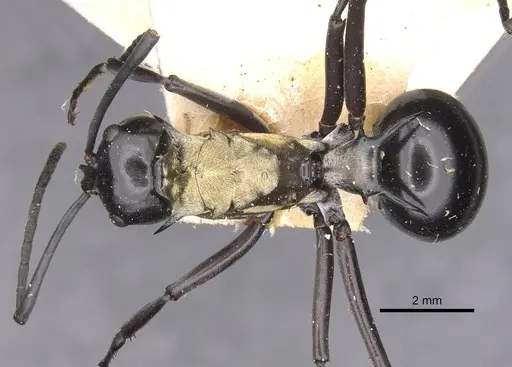
CASENT0906807
View on AntWeb
FOCOL0086
View on AntWeb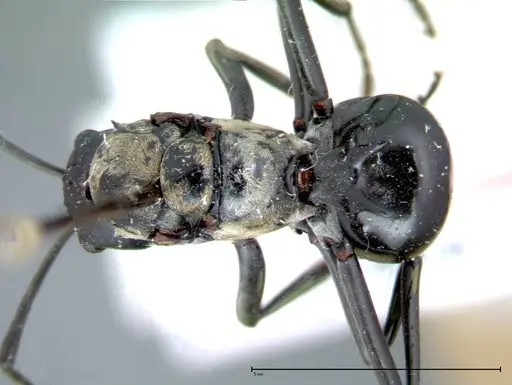
FOCOL0087
View on AntWeb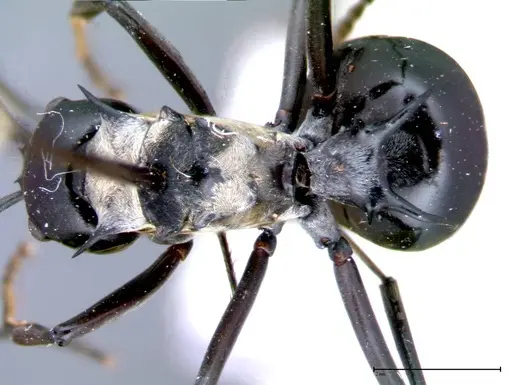
FOCOL0088
View on AntWeb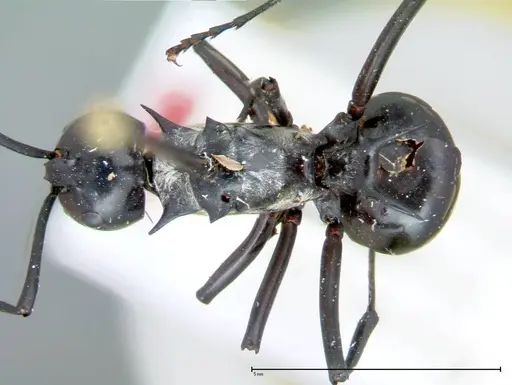
FOCOL0089
View on AntWeb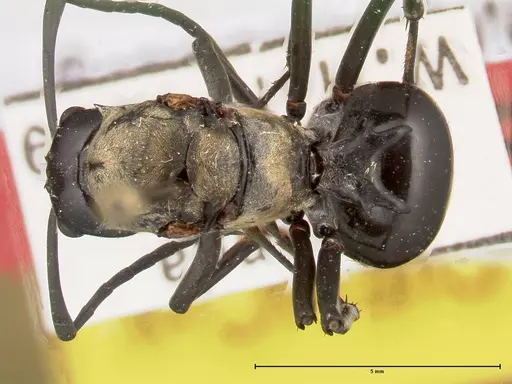
Literature
Loading...Loading products...