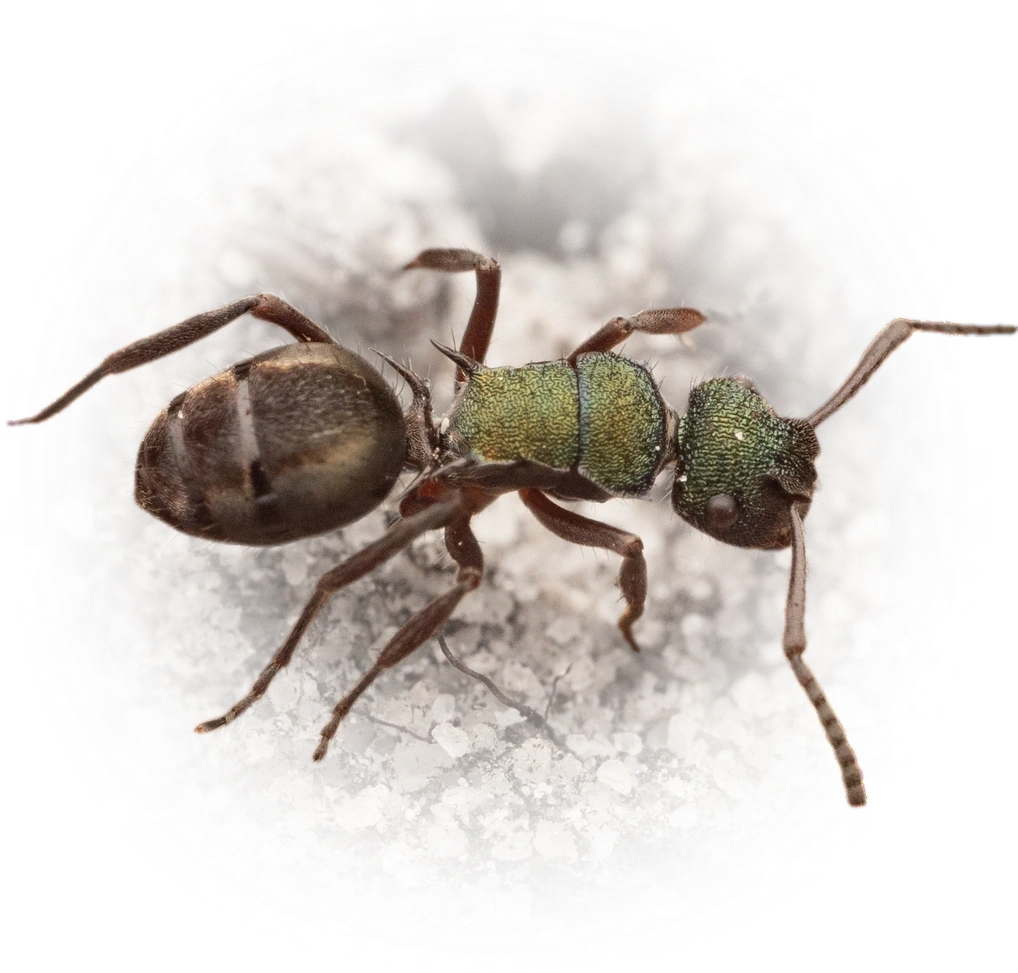

Polyrhachis hookeri
- Scientific Name
- Polyrhachis hookeri
- Subgenus
- Chariomyrma
- Tribe
- Camponotini
- Subfamily
- Formicinae
- Author
- Lowne, 1865
- Distribution
- Found in 1 countries
Polyrhachis hookeri Overview
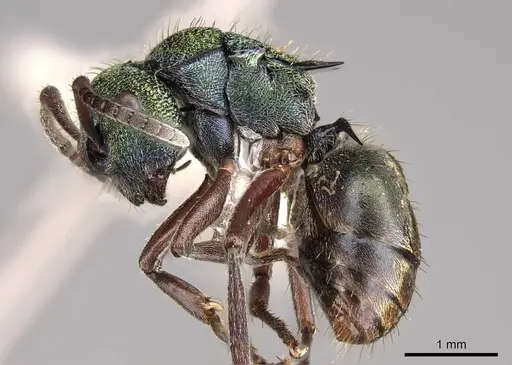
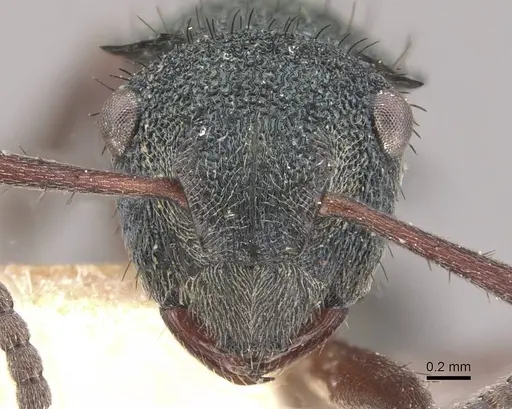
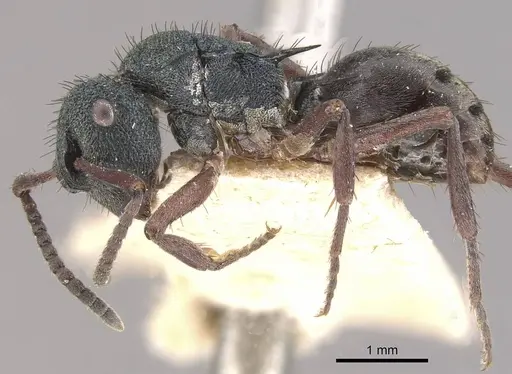
Polyrhachis hookeri is an ant species of the genus Polyrhachis. It is primarily documented in 1 countries , including Australia. Detailed taxonomic data and occurrence records can be further explored via authoritative databases such as AntWeb or the Global Biodiversity Information Facility (GBIF).
Polyrhachis hookeri
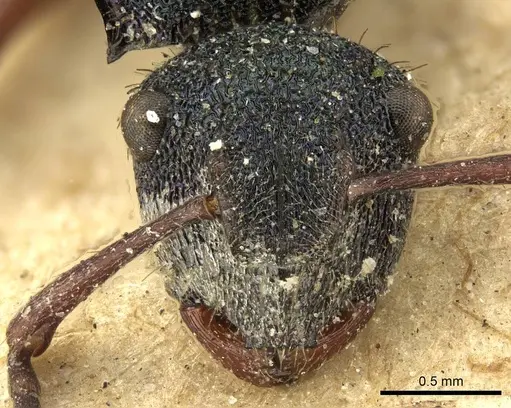
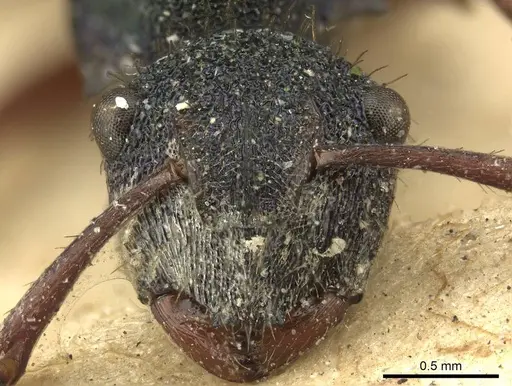
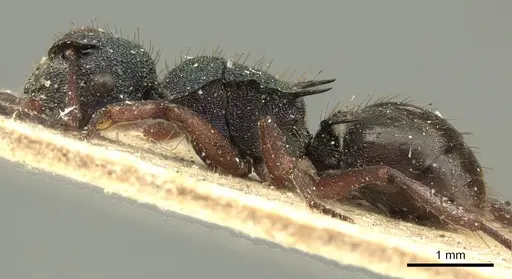
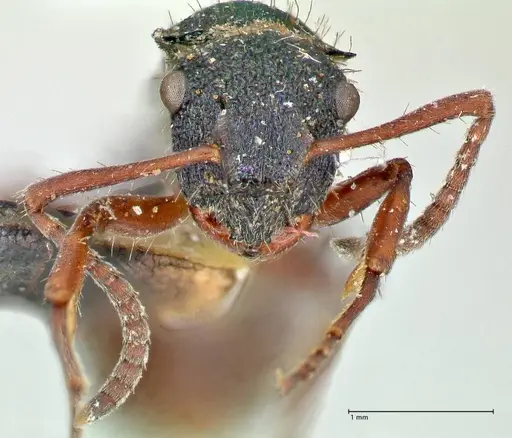
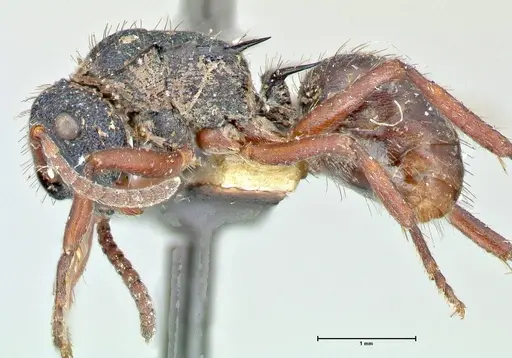
Polyrhachis hookeri is an Australian spiny ant belonging to the subgenus Chariomyrma. Workers are medium-sized with the characteristic spines on their thorax that give spiny ants their name. They have a dark brown to black coloration with a somewhat matte appearance. This species is native to Australia, where it nests subterranean in soil or under stones. The genus Polyrhachis is known for their defensive spines and relatively docile temperament compared to some other ants. P. hookeri is one of several Australian Polyrhachis species, though it's less commonly kept in captivity than some related species.
Quick Summary
- Difficulty: Medium
- Origin & Habitat: Australia, found across various habitats in the Australasian region, typically nesting subterranean in soil or under stones [1][2].
- Colony Type: Likely monogyne (single queen) based on typical Polyrhachis patterns, though colony structure is not specifically documented for this species.
- Size & Growth:
- Queen: Estimated 10-12mm based on related Polyrhachis species, not directly measured for this species
- Worker: Estimated 6-8mm based on genus patterns
- Colony: Unknown for this specific species, related Polyrhachis species typically reach several hundred workers
- Growth: Moderate, estimated based on genus patterns
- Development: Estimated 6-8 weeks at optimal temperature based on typical Formicinae development (Direct development data not available for this species, estimate based on genus patterns)
- Antkeeping:
- Temperature: Keep around 22-26°C, Australian species from temperate to subtropical regions can tolerate room temperature. Provide a gentle heat gradient if your home runs cool.
- Humidity: Moderate humidity around 50-70%. Keep the nest substrate slightly moist but not waterlogged. Subterranean nesters appreciate some damp soil but avoid saturation.
- Diapause: Likely, Australian temperate ants typically require a winter rest period. Provide 2-3 months at 10-15°C during winter months.
- Nesting: Subterranean nester, prefers soil-based nests or test tube setups with dirt chamber. Y-tong or plaster nests work well. Provide deep substrate for tunneling.
- Behavior: Generally docile and non-aggressive. Workers are active foragers but not particularly territorial. They have a stinger but it's small and rarely penetrates human skin. Escape risk is moderate, standard barrier precautions like Fluon on test tube rims are sufficient. They are not known for being particularly escape-prone.
- Common Issues: limited availability, this species is not commonly available in the antkeeping hobby, specific care requirements are not well-documented due to lack of captive breeding, winter diapause must be provided or colony health may suffer, subterranean nesting means they need deeper nest setups than surface-nesting ants, slow colony growth may frustrate beginners expecting fast development
Housing and Nest Preferences
Polyrhachis hookeri is a subterranean nester, meaning they naturally dig chambers and tunnels in soil. In captivity, they do well in test tube setups with a dirt chamber attached, Y-tong nests, or plaster nests with soil-filled sections. The key is providing enough depth for them to create their tunnel systems. Unlike arboreal Polyrhachis species that might accept acrylic nests readily, this species prefers something that mimics soil. A good setup is a test tube connected to a container filled with moist soil or a purpose-built formicarium with a soil section. They don't need elaborate decorations, simple tunnels and chambers work best. Make sure the nest humidity is maintained but avoid waterlogging the substrate. [2]
Feeding and Diet
Like most Polyrhachis species, P. hookeri is omnivorous. They accept sugar sources (honey water, sugar water) and protein foods (insects, frozen fruit flies, mealworms). In the wild, they forage for honeydew and small invertebrates. Feed them a varied diet: offer sugar water constantly and protein foods 2-3 times per week. Remove uneaten prey after 24-48 hours to prevent mold. They are not particularly aggressive hunters, so smaller prey items are better accepted. Based on typical Polyrhachis feeding patterns, they are generalist feeders rather than specialized predators.
Temperature and Seasonal Care
As an Australian species, P. hookeri prefers moderate temperatures in the low-to-mid 20s Celsius (around 22-26°C). They can tolerate room temperature in most homes. If your environment runs cool, a small heating cable on one side of the nest can help maintain optimal temperatures. During winter, they benefit from a diapause period, reduce temperature to 10-15°C for 2-3 months. This mimics their natural seasonal cycle in Australia. Reduce feeding during this period and keep the nest slightly cooler but not cold. Do not skip diapause as it can weaken the colony over time.
Behavior and Colony Dynamics
This species is known for being relatively docile, workers are not particularly aggressive and are more likely to flee than to attack when disturbed. They have a small stinger but it's rarely effective against human skin. Workers are active foragers and will search for food both on the ground and up any surfaces they can climb. The colony will likely grow at a moderate pace, with the queen producing eggs seasonally. The first workers (nanitics) are typically smaller than mature workers. Colonies are not known for being supercolonial or particularly territorial toward other ant species. Standard escape prevention measures are adequate, they are not exceptional escape artists like some tiny species.
Frequently Asked Questions
How long does it take for Polyrhachis hookeri to produce first workers?
Based on typical Formicinae development, expect first workers (nanitics) in about 6-8 weeks after the queen lays eggs, assuming optimal temperatures around 24-26°C. This is an estimate since specific development data for this species is not available.
What do I feed Polyrhachis hookeri?
They are omnivorous. Offer sugar water or honey constantly, and protein foods like small insects (fruit flies, mealworms, crickets) 2-3 times per week. Remove uneaten food after 24-48 hours.
Do Polyrhachis hookeri need hibernation?
Yes, as an Australian species they benefit from a winter rest period. Provide 2-3 months at 10-15°C during winter months. Reduce feeding during this period.
Can I keep multiple queens together?
Polyrhachis hookeri is likely monogyne (single queen). Combining unrelated queens is not recommended as they would likely fight. Only keep one queen per colony.
How big do Polyrhachis hookeri colonies get?
Specific colony size data is not available for this species. Based on related Polyrhachis species, colonies likely reach several hundred workers over several years.
Is Polyrhachis hookeri good for beginners?
This species is rated as medium difficulty. While not as challenging as some exotic species, the lack of specific captive care data and the need for winter diapause make it better suited for keepers with some experience.
Where is Polyrhachis hookeri found?
This species is native to Australia, found across various habitats in the Australasian region.
Why are my Polyrhachis hookeri not developing?
Check temperature (should be 22-26°C), ensure proper humidity without waterlogging, and verify the queen is still alive and laying eggs. Poor growth can also result from inadequate nutrition or stress from excessive disturbance.
References

This caresheet is licensed under CC BY-SA 4.0 .
CASENT0281424
View on AntWeb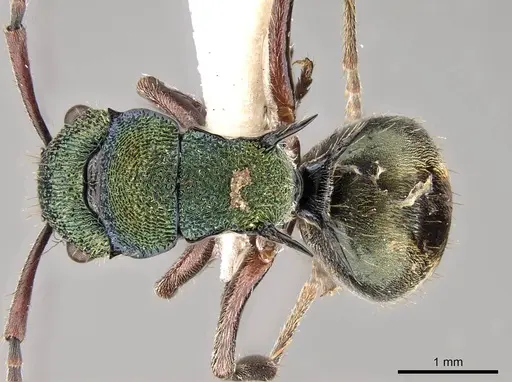
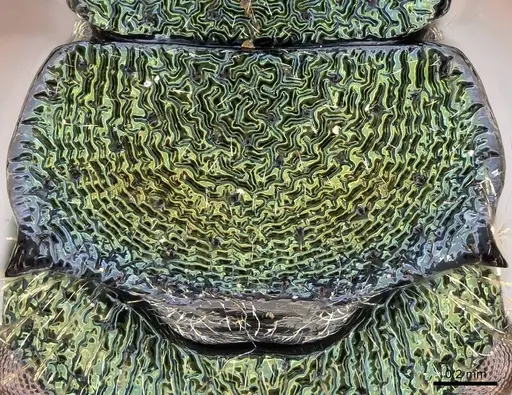
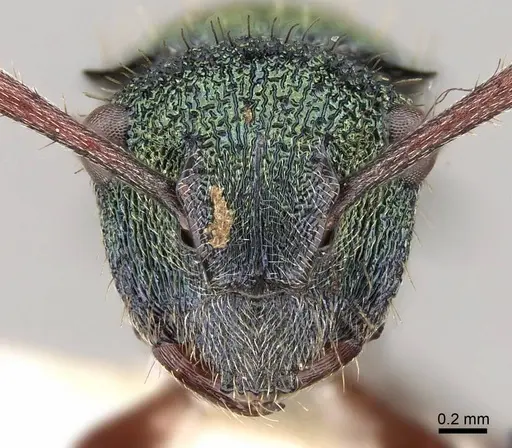
CASENT0910828
View on AntWeb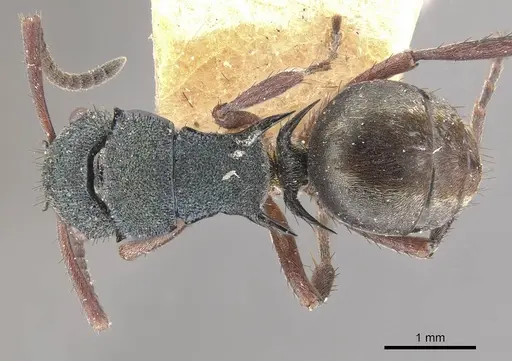
CASENT0915615
View on AntWeb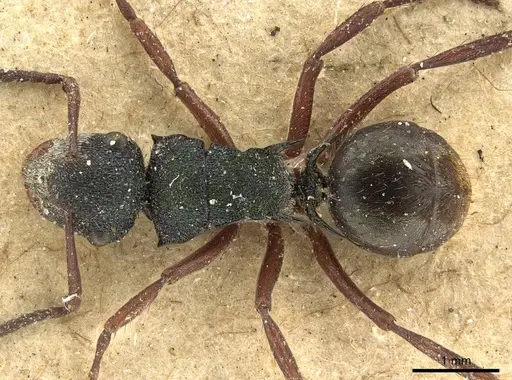
FOCOL2597
View on AntWeb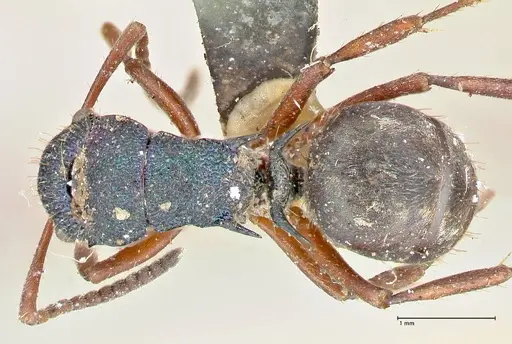
Literature
Loading...Loading products...