

Polyrhachis hodgsoni
- Scientific Name
- Polyrhachis hodgsoni
- Subgenus
- Myrmhopla
- Tribe
- Camponotini
- Subfamily
- Formicinae
- Author
- Forel, 1902
- Distribution
- Found in 1 countries
Polyrhachis hodgsoni Overview
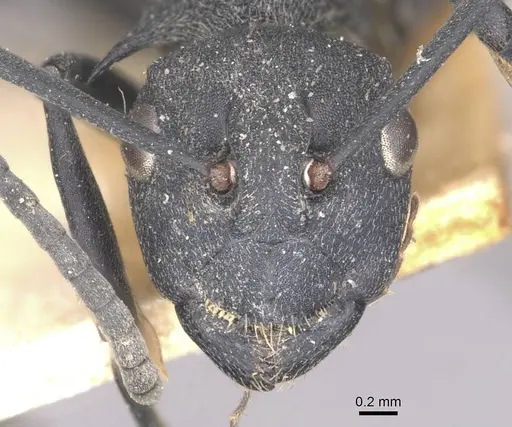
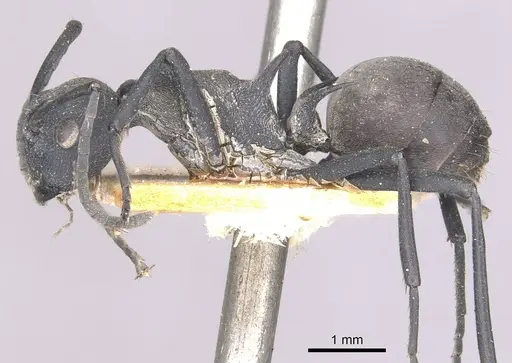
Polyrhachis hodgsoni is an ant species of the genus Polyrhachis. It is primarily documented in 1 countries , including Malaysia. Detailed taxonomic data and occurrence records can be further explored via authoritative databases such as AntWeb or the Global Biodiversity Information Facility (GBIF).
Polyrhachis hodgsoni
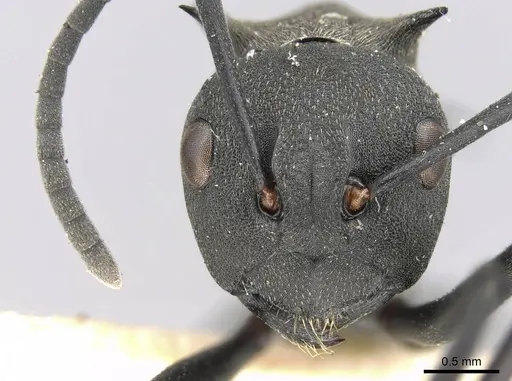
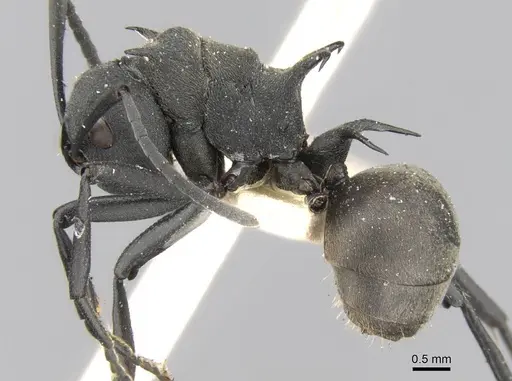
Polyrhachis hodgsoni is a distinctive weaver ant species found across the Indomalaya region, from Myanmar through Malaysia and Borneo to Pakistan. Workers are medium-sized at 5-7mm with the characteristic hooked spines on the mesosoma (middle body section) that define the Myrmhopla subgenus. Their coloration ranges from dark brown to black with subtle metallic highlights. What makes this species remarkable is their unique nesting behavior, they weave together longitudinal bamboo leaves using silk they produce, creating elaborate nest structures that house their colony and cultivate trophobionts (honeydew-producing hemipteran insects) [1]. This arboreal species lives high in the canopy, making captive care quite different from typical ground-nesting ants.
Quick Summary
- Difficulty: Medium
- Origin & Habitat: Found across the Indomalaya region including Borneo, Indonesia, Malaysia, Myanmar, and Pakistan. This is a tropical arboreal species that lives in bamboo forests and constructs silk pavilions under broad bamboo leaves where they tend hemipterans for honeydew [1]. They are part of the arachne-group within the Myrmhopla subgenus, known for their silk-weaving nesting behavior [2].
- Colony Type: Monogyne (single queen) colonies that are polydomous, meaning the colony occupies multiple separate nests connected together [2]. This is different from typical ants that keep all brood in one nest. The colony maintains several silk pavilions across their territory.
- Colony: Monogyne
- Founding: Claustral
- Size & Growth:
- Queen: 8-10mm (estimated based on genus patterns)
- Worker: 5-7mm [2]
- Colony: Unknown maximum, likely several hundred workers based on related Polyrhachis species
- Growth: Moderate, estimated 8-12 weeks from egg to first worker at optimal temperature
- Development: 8-12 weeks (estimated based on related Polyrhachis species) (Development time is estimated as this specific species has not been studied. Related Polyrhachis species in the Myrmhopla subgenus typically take 2-3 months for complete development.)
- Antkeeping:
- Temperature: Keep at 24-28°C. As a tropical species from Southeast Asia, they need warm conditions year-round. A heating cable on one side of the nest creates a temperature gradient.
- Humidity: Moderate to high humidity (60-80%). Their natural bamboo forest habitat is humid but well-ventilated. Mist occasionally but ensure good airflow to prevent mold in the silk structures.
- Diapause: No, being a tropical species, they do not require hibernation. Keep warm year-round.
- Nesting: This is an arboreal species that builds silk pavilions in bamboo. In captivity, they need vertical space with climbing structures. A naturalistic setup with bamboo tubes, cork bark, or artificial plants works well. They will not do well in horizontal test tube setups, they need to build their characteristic silk nests [1].
- Behavior: Generally peaceful but defensive of their nest. As weaver ants, they are arboreal and spend most of their time climbing. Workers are active foragers that tend hemipteran colonies for honeydew. They are not aggressive toward humans and rarely sting. Their escape risk is moderate, they are good climbers but not particularly small. The key challenge is providing proper arboreal housing that allows silk nest construction.
- Common Issues: arboreal housing is essential, they will not thrive in horizontal ground-nest setups, silk nest construction requires humidity, too dry and they cannot weave, tropical warmth is mandatory, temperatures below 22°C can cause decline, polydomous colonies need space for multiple nest sites, single nest setups may stress them, hemipteran farming means they benefit from sugar sources, honey water should be available
Housing and Nest Setup
Polyrhachis hodgsoni requires arboreal housing, this is the single most important factor for success. Unlike ground-nesting ants, they need vertical space and climbing opportunities. A naturalistic setup works best: use a tall formicarium or convert a vertical acrylic nest with added climbing structures. Provide bamboo sections, cork bark, or artificial plants that they can weave into. The key is allowing them to construct silk pavilions similar to what they build in nature. Avoid horizontal test tube setups entirely, this species will not thrive in them. The outworld (foraging area) should be tall with branches or mesh for climbing. Escape prevention is important but not as critical as for tiny species, a standard barrier works fine. [1][2]
Feeding and Diet
In the wild, P. hodgsoni primarily farms hemipterans (sap-sucking insects) on bamboo and collects the honeydew they produce. They also forage for small insects and nectar. In captivity, offer a varied diet: constant access to sugar water or honey, protein sources like fruit flies, small crickets, or mealworms twice weekly, and occasional live prey. The sugar source is important, this species relies heavily on honeydew in nature. You can also try offering them small pieces of fruit. Remove uneaten prey after 24-48 hours to prevent mold. [1]
Temperature and Humidity
As a tropical species from Southeast Asia, P. hodgsoni needs warm, stable temperatures between 24-28°C. Room temperature alone is often insufficient, use a heating cable on one side of the nest to maintain warmth. Do not let temperatures drop below 22°C for extended periods. Humidity should be moderate to high (60-80%). Their bamboo forest habitat is naturally humid but well-ventilated. Mist the setup occasionally but ensure good airflow to prevent mold in the silk structures. Avoid both excessive dryness and stagnant, overly damp conditions. [1]
Colony Structure and Growth
This species forms monogyne colonies with a single queen, but is polydomous, meaning the colony maintains multiple separate nests connected by workers [2]. This is unusual among ants and reflects their arboreal lifestyle in the canopy. The colony will establish multiple silk pavilions across their territory. Growth is moderate, expect 8-12 months from founding to a colony of 50+ workers. Maximum colony size is not documented but related Polyrhachis species typically reach several hundred workers. The queen is relatively long-lived for an ant, and colonies can persist for many years with proper care.
Unique Weaver Ant Behavior
P. hodgsoni belongs to the arachne-group of Polyrhachis, known for their silk-producing ability. Workers weave together bamboo leaves and other vegetation to create protective pavilions [1]. Inside these silk structures, they tend colonies of hemipterans (aphids, scale insects, and related sap-suckers) that produce honeydew, a sugar-rich liquid the ants consume. This is called trophobiosis. In captivity, you may observe this farming behavior if you provide suitable plants or structures. The silk is produced by the larvae, which the workers manipulate to bind nest materials together, a behavior parallel to the famous weaver ants (Oecophylla) but in a different genus.
Frequently Asked Questions
Can I keep Polyrhachis hodgsoni in a test tube?
No, this is an arboreal species that needs vertical space and climbing structures. Test tube setups are completely unsuitable. They need a naturalistic or vertical formicarium with bamboo, cork bark, or other materials they can weave into silk nests.
How long does it take for the first workers to emerge?
Estimated 8-12 weeks from egg to first worker at optimal temperature (24-28°C). This is based on related Polyrhachis species, as this specific species has not been studied for development time.
What do Polyrhachis hodgsoni eat?
They primarily need sugar sources (honey water or sugar water available at all times) and protein (small insects like fruit flies, crickets, or mealworms). In the wild they farm hemipterans for honeydew, so sugar is particularly important.
Are Polyrhachis hodgsoni good for beginners?
No, they are considered medium difficulty. The main challenge is providing proper arboreal housing with vertical space and materials for silk nest construction. If you are experienced with vertical/naturalistic setups and can maintain tropical temperatures, they can be rewarding.
Do they need hibernation?
No, as a tropical species from Southeast Asia, they do not require hibernation. Keep them warm year-round at 24-28°C. Temperatures below 22°C for extended periods can be harmful.
Can I keep multiple queens together?
No, this species is monogyne (single queen). Multiple unrelated queens will fight. Only keep one queen per colony.
Why are my Polyrhachis hodgsoni dying?
The most common causes are: temperatures too low (below 22°C), improper housing (horizontal ground nests instead of vertical arboreal setups), too dry conditions preventing silk weaving, or poor nutrition. Ensure you have a vertical setup with climbing structures and maintain warmth and moderate humidity.
References

This caresheet is licensed under CC BY-SA 4.0 .
CASENT0906778
View on AntWeb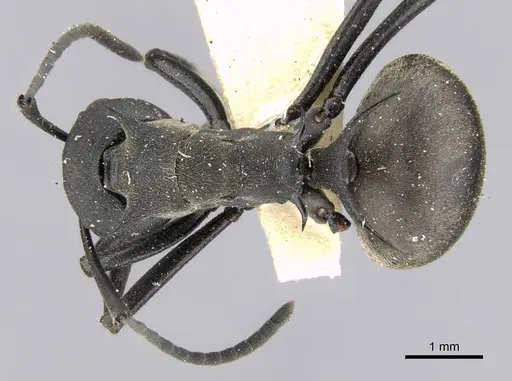
CASENT0910890
View on AntWeb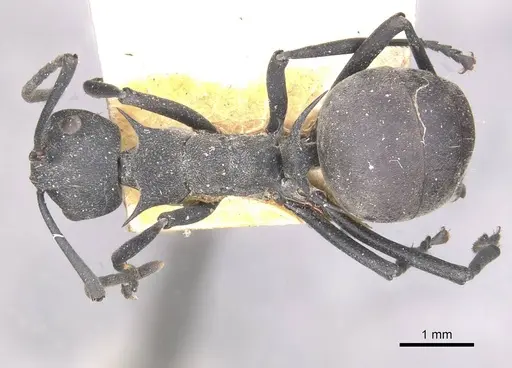
Literature
Loading...Loading products...