

Polyrhachis hirsuta
- Scientific Name
- Polyrhachis hirsuta
- Subgenus
- Campomyrma
- Tribe
- Camponotini
- Subfamily
- Formicinae
- Author
- Mayr, 1876
- Distribution
- Found in 1 countries
Polyrhachis hirsuta Overview
Polyrhachis hirsuta is an ant species of the genus Polyrhachis. It is primarily documented in 1 countries , including Australia. Detailed taxonomic data and occurrence records can be further explored via authoritative databases such as AntWeb or the Global Biodiversity Information Facility (GBIF).
Polyrhachis hirsuta
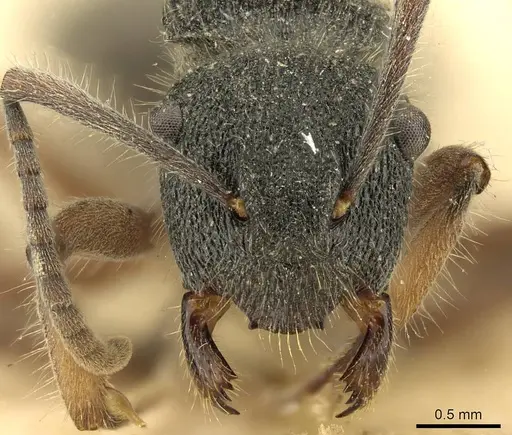
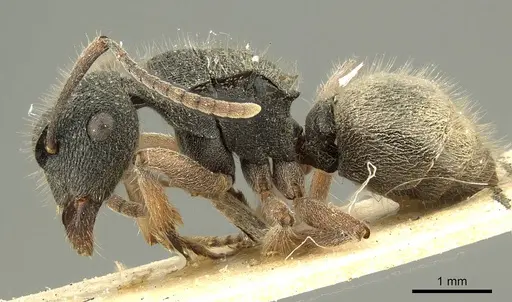
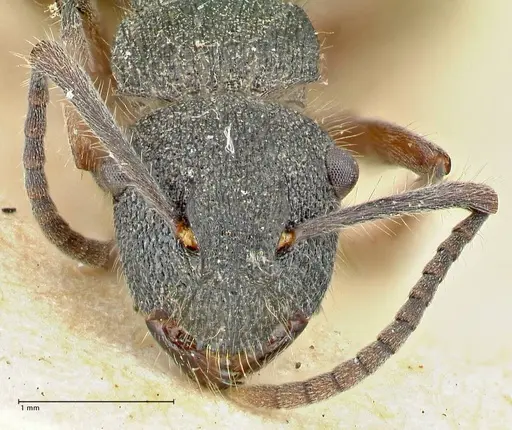
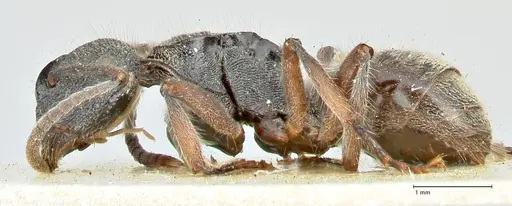
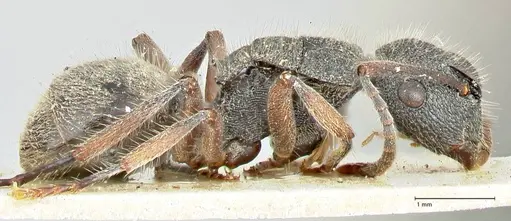
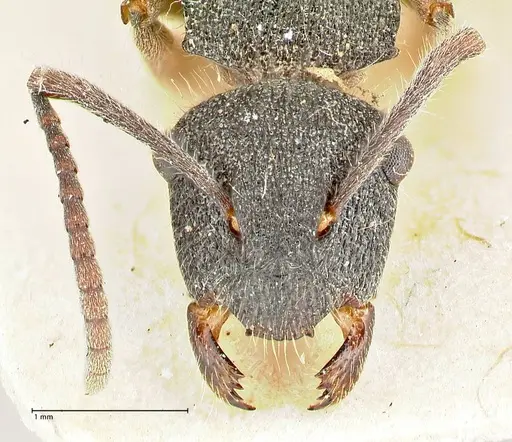
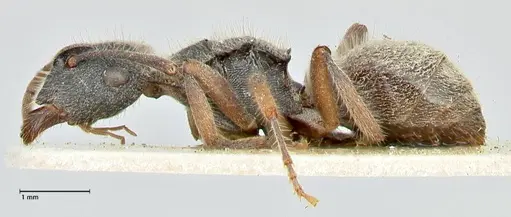
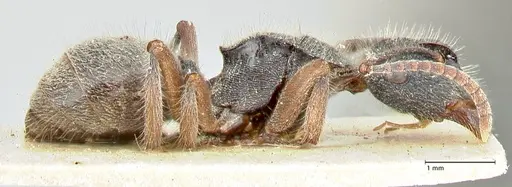
Polyrhachis hirsuta is a medium-sized Australian ant known for its extremely hairy workers. The species belongs to the subgenus Campomyrma and was originally described by Mayr in 1876. Workers are characterized by their dense pilosity (long hairs) covering the body, which gives them a distinctly fuzzy appearance compared to many other Polyrhachis species. The genus Polyrhachis is known for the spines or projections on the back of the thorax, and this species follows that pattern. These ants are found across eastern and southwestern Australia, from Queensland through New South Wales and into Western Australia.
Quick Summary
- Difficulty: Medium
- Origin & Habitat: Australia, found in Jarrah-Marri woodland in southwestern WA, as well as NSW and QLD. Nests in soil in natural habitats [1].
- Colony Type: Colony structure is not well documented. Polyrhachis species are typically monogyne (single queen colonies), though some can be polygynous. This species is not known to be parasitic.
- Colony: Monogyne
- Founding: Claustral
- Size & Growth:
- Queen: Estimated 10-12mm based on typical Polyrhachis genus size range
- Worker: Estimated 6-8mm based on genus patterns [1] notes workers are extremely hairy
- Colony: Unknown for this specific species, Polyrhachis colonies typically reach several hundred workers
- Growth: Moderate, based on typical Polyrhachis development
- Development: Estimated 8-12 weeks at optimal temperature based on related Polyrhachis species (Development time is inferred from genus patterns as no specific study exists for this species)
- Antkeeping:
- Temperature: Keep at 24-28°C. Australian species generally prefer warmer conditions. A heating cable on one side of the nest creates a suitable gradient [2].
- Humidity: Moderate humidity around 50-70%. Their natural habitat is woodland with soil nesting, so keep the nest substrate slightly moist but not waterlogged.
- Diapause: Likely, Australian temperate ants typically require a winter rest period. Reduce temperature to 15-18°C for 2-3 months during winter.
- Nesting: Subterranean nester, they nest in soil in the wild [1][2]. In captivity, a naturalistic setup with soil or a Y-tong/plaster nest works well. They prefer tight chambers and narrow passages.
- Behavior: Polyrhachis ants are generally not aggressive and are classified as Subordinate Camponotini, meaning they are less aggressive toward other ant species [3]. Workers are active foragers but not particularly territorial or defensive. They have pupal cocoons, which is notable as many Formicinae ants have naked pupae [2]. Escape risk is moderate, use standard barrier methods but they are not known escape artists.
- Common Issues: limited availability, this species is rarely available in the antkeeping hobby, slow colony growth compared to faster species like Lasius or Tetramorium, temperature management is important, they need warmth but not excessive heat, wild-caught colonies may have parasites that are difficult to treat in captivity, cocoon care requires attention, ensure proper humidity so pupae don't dry out
Nest Preferences
Polyrhachis hirsuta is a subterranean nester, meaning they naturally dig and live in soil [1][2]. In the wild, they have been found nesting in soil within Jarrah-Marri woodland in Western Australia. For captive care, a naturalistic setup with a soil-filled container or a Y-tong (acrylic) nest with soil-like substrate works well. These ants prefer tight chambers and narrow passages that match what they would create in natural soil nests. The nest should have some moisture-retaining properties since they are subterranean, but avoid waterlogging. A layer of damp sand or soil about 2-3cm deep with a water reservoir or moisture gradient works nicely.
Feeding and Diet
Polyrhachis ants are omnivorous, similar to other members of the Camponotini tribe. They will accept sugar sources like honey water or sugar water, and protein sources such as small insects (fruit flies, small crickets, mealworms). In the wild, they forage for honeydew from aphids and scale insects, as well as small arthropods. Feed them a varied diet: offer sugar water or honey once or twice a week, and protein (insects) 2-3 times per week. Remove uneaten prey after 24 hours to prevent mold. Fresh fruit can also be offered occasionally. Make sure to provide a constant source of clean water.
Temperature and Seasonal Care
As an Australian species, Polyrhachis hirsuta prefers warmer temperatures in the range of 24-28°C. Australian ants are adapted to temperate to subtropical conditions, so they handle warmth well but should not be overheated. Use a heating cable on one side of the nest to create a temperature gradient, allowing ants to move between warmer and cooler areas. During winter, they benefit from a diapause (winter rest) period of 2-3 months at reduced temperatures around 15-18°C. This mimics their natural seasonal cycle and helps maintain colony health. Reduce feeding during the winter rest period and do not heat the colony. [3]
Behavior and Temperament
These ants are classified as Subordinate Camponotini, which means they are relatively peaceful and not aggressive toward humans or other ant species [3]. Workers are active foragers but do not exhibit particularly defensive behavior. One notable trait is that Polyrhachis species have pupal cocoons, which is somewhat unusual among Formicinae ants (many have naked pupae) [2]. This means you may see wrapped pupae rather than white naked pupae in the nest. Workers are extremely hairy, which is a distinctive identification feature [1]. They are not known to be particularly good escape artists, but standard barrier methods like Fluon should still be used.
Colony Founding
Like most Polyrhachis species, P. hirsuta likely has claustral founding, where the queen seals herself into a small chamber and raises the first brood alone without foraging. She relies on stored fat reserves to survive and produce eggs until the first workers (nanitics) emerge. This process typically takes 6-10 weeks depending on temperature. After the first workers emerge, the colony expands and the queen continues laying eggs. Founding colonies should be kept in a quiet, dark location with stable temperature and humidity. Do not disturb the queen during this critical period.
Frequently Asked Questions
How long does it take for Polyrhachis hirsuta to get their first workers?
From egg to first worker typically takes 8-12 weeks at optimal temperature (around 26°C). This is based on typical Polyrhachis genus development patterns, as no specific study exists for this species.
What do Polyrhachis hirsuta ants eat?
They are omnivorous. Offer sugar water or honey as a constant carbohydrate source, and small insects like fruit flies, small crickets, or mealworms for protein 2-3 times per week.
What temperature do Polyrhachis hirsuta need?
Keep them warm at 24-28°C. A heating cable on one side of the nest creates a gradient. They are an Australian species adapted to warmer conditions.
Do Polyrhachis hirsuta need hibernation?
Yes, they likely require a winter rest period. Reduce temperature to 15-18°C for 2-3 months during winter. This mimics their natural seasonal cycle in Australia.
Can I keep multiple queens together?
Polyrhachis species are typically monogyne (single queen). It is not recommended to keep multiple unrelated queens together as they may fight. If you capture a colony, ensure only one queen is present.
What type of nest is best for Polyrhachis hirsuta?
They are subterranean nesters, so a naturalistic setup with soil or a Y-tong/plaster nest with moist substrate works well. They prefer tight chambers and passages.
Are Polyrhachis hirsuta good for beginners?
They are rated as Medium difficulty. They are not as beginner-friendly as Lasius or Tetramorium species, but they are not difficult either. Their main challenge is limited availability in the antkeeping hobby.
How big do Polyrhachis hirsuta colonies get?
Colony size is not well documented for this specific species, but Polyrhachis colonies typically reach several hundred workers. Growth is moderate.
Why are my Polyrhachis hirsuta dying?
Common issues include: temperature too low (keep at 24-28°C), humidity too dry or too wet (aim for moderate moisture), overfeeding causing mold, or stress from disturbance during founding. Ensure proper escape prevention and stable conditions.
References

This caresheet is licensed under CC BY-SA 4.0 .
CASENT0887767
View on AntWeb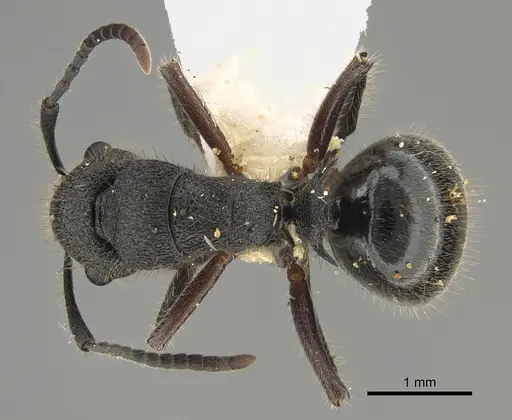
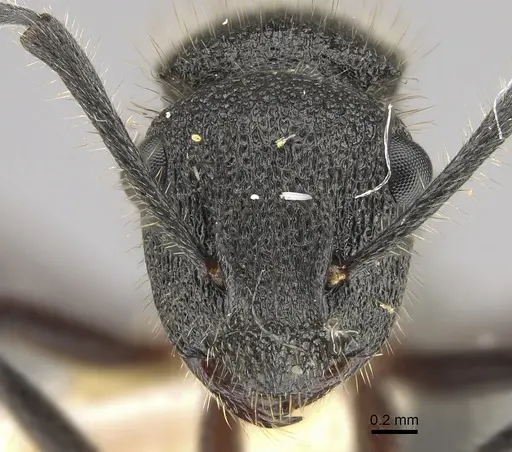
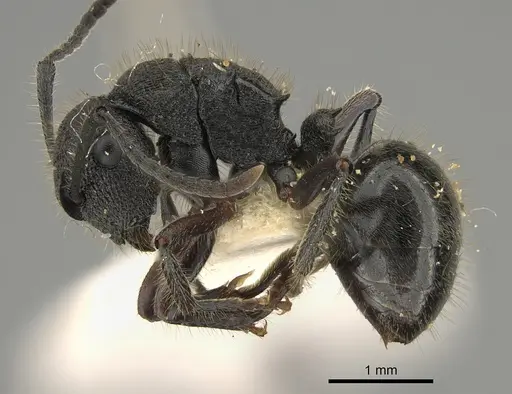
CASENT0915614
View on AntWeb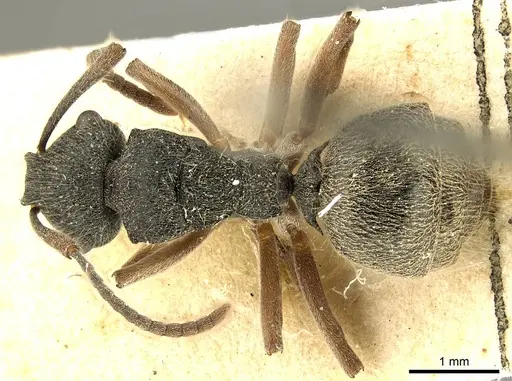
FOCOL2546
View on AntWeb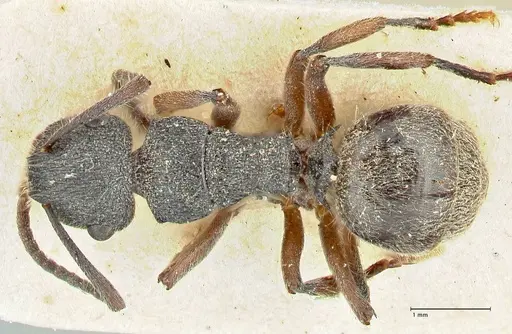
FOCOL2547
View on AntWeb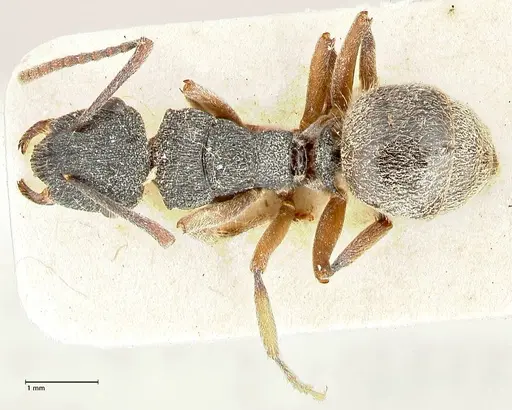
Literature
Loading...Loading products...