

Polyrhachis hermione
- Scientific Name
- Polyrhachis hermione
- Subgenus
- Hedomyrma
- Tribe
- Camponotini
- Subfamily
- Formicinae
- Author
- Emery, 1895
- Distribution
- Found in 1 countries
Polyrhachis hermione Overview
Polyrhachis hermione is an ant species of the genus Polyrhachis. It is primarily documented in 1 countries , including Australia. Detailed taxonomic data and occurrence records can be further explored via authoritative databases such as AntWeb or the Global Biodiversity Information Facility (GBIF).
Polyrhachis hermione
Polyrhachis hermione is a medium-sized spiny ant species native to Borneo and the Philippines [1]. Like other Polyrhachis ants, it has distinctive spines protruding from its thorax and gaster, giving them the common name 'spiny ants'. Workers are typically dark brown to black with a metallic sheen, and they possess the characteristic hooked spines along their body that help protect them from predators. This species is part of the subfamily Formicinae, meaning they form colonies with a single queen and use formic acid for defense. In their natural habitat of Southeast Asian rainforests, they often nest in vegetation, under bark, or in hollow twigs rather than in ground nests.
Quick Summary
- Difficulty: Medium
- Origin & Habitat: Borneo and Philippines, tropical rainforest environments [1]. These ants live in humid, warm forest habitats where they typically nest in elevated locations like vegetation, under bark, or in rotting wood [2].
- Colony Type: Monogyne, single queen colonies are typical for this species. Polyrhachis colonies generally have one reproductive queen per nest.
- Colony: Monogyne
- Founding: Claustral
- Size & Growth:
- Queen: Estimated 10-12mm based on genus patterns
- Worker: Estimated 6-9mm based on genus patterns
- Colony: Estimated 200-500 workers at maturity based on similar Polyrhachis species
- Growth: Moderate, Polyrhachis species typically grow at moderate speed, with first workers appearing in 6-10 weeks under optimal conditions
- Development: Estimated 8-10 weeks at 24-28°C based on related Formicinae species (Development time is inferred from genus-level data since species-specific studies are unavailable)
- Antkeeping:
- Temperature: Keep at 24-28°C. These tropical ants need consistent warmth. A heating cable on one side of the nest creates a temperature gradient allowing ants to regulate their own exposure [2].
- Humidity: High humidity of 70-85% is essential. Mist the outworld regularly and keep the nest substrate moist but not waterlogged. These forest-dwelling ants need damp conditions.
- Diapause: No, being a tropical species, Polyrhachis hermione does not require hibernation. However, they may reduce activity during cooler periods.
- Nesting: Prefers naturalistic setups with moist substrate. Y-tong nests or plaster nests work well. They often prefer enclosed spaces with multiple chambers. Provide materials like cork, wood, or plant matter for them to nest in.
- Behavior: Generally peaceful and not aggressive toward keepers. Workers are active foragers that search for food throughout the outworld. They have moderate escape prevention needs, while not tiny, they can squeeze through small gaps. They possess formic acid spray for defense but rarely use it unless threatened. Workers are diurnal and actively forage during daylight hours.
- Common Issues: high humidity requirements can lead to mold if ventilation is poor, balance is essential, tropical species may struggle in air-conditioned rooms or cool climates, colonies can be slow to establish, leading keepers to overfeed and cause pest problems, wild-caught colonies may contain parasites that can devastate captive populations, semi-arboreal nature means they need vertical space and climbing structures
Housing and Nest Setup
Polyrhachis hermione does well in naturalistic or semi-naturalistic setups. A Y-tong (acrylic) nest with narrow chambers works well, or you can use a plaster nest with built-in water reservoir to maintain humidity. Because they are semi-arboreal, include vertical elements like twigs, plants, or mesh for climbing. The nest should have multiple connected chambers so the colony can regulate humidity by moving brood between wetter and drier areas. Use a test tube setup for the founding queen, then transfer to a proper formicarium once the colony reaches 20-30 workers. [1][2]
Feeding and Diet
These ants are omnivorous and will accept a variety of foods. Offer protein sources like small insects (fruit flies, small crickets, mealworms) twice weekly. They also accept sugar sources, a drop of honey water or sugar water should be available at all times. Polyrhachis ants often collect honeydew in the wild, so they may accept sweet liquids readily. Remove uneaten prey after 24 hours to prevent mold. Fresh water should always be available.
Temperature and Heating
As a tropical species from Borneo and the Philippines, Polyrhachis hermione needs warmth. Maintain temperatures between 24-28°C for optimal brood development. Room temperature may be sufficient in warm climates, but most keepers use a heating cable or heat mat on one side of the nest to create a gradient. Place the heating element on top of the nest, not underneath, to prevent excessive drying. Monitor with a digital thermometer and adjust to keep the nest area in the ideal range. [1]
Humidity Management
High humidity is critical for this species. Aim for 70-85% relative humidity in the nest area. Keep the nest substrate consistently moist but never waterlogged. Polyrhachis ants are sensitive to drying and may abandon brood if conditions are too dry. Use a water reservoir in plaster nests or regularly mist the outworld. However, balance humidity with adequate ventilation to prevent mold growth, which can be deadly to ant colonies.
Behavior and Colony Dynamics
Polyrhachis hermione workers are active foragers that will readily explore the outworld searching for food. They are generally non-aggressive and rarely sting, though they can spray formic acid as a defense mechanism when threatened. The colony will establish a foraging territory and workers communicate through chemical trails. Unlike some ground-nesting species, these ants are comfortable climbing and will establish trails along vertical surfaces. Colonies grow moderately, expect 6-12 months to reach 50 workers from a healthy founding queen.
Frequently Asked Questions
How long does it take for Polyrhachis hermione to produce first workers?
Expect first workers (nanitics) to emerge in 8-10 weeks under optimal conditions of 24-28°C. This is based on related Formicinae species development patterns since species-specific data is unavailable.
Can I keep multiple Polyrhachis hermione queens together?
No. This species is monogyne, meaning single-queen colonies. Multiple queens will fight until only one remains. Only combine unrelated foundresses if you want to attempt pleometrosis, but this carries significant risk of queen death.
What temperature do Polyrhachis hermione ants need?
Keep them at 24-28°C. Tropical ants need consistent warmth, and temperatures below 20°C can slow or stop brood development. Use a heating cable or heat mat if your room temperature is below this range.
How often should I feed Polyrhachis hermione?
Offer protein (insects) twice weekly and keep a sugar source (honey or sugar water) available at all times. Remove uneaten prey after 24 hours. Feed more frequently as the colony grows, but avoid overfeeding which causes mold problems.
Do Polyrhachis hermione need hibernation?
No. As a tropical species from Borneo and the Philippines, they do not require hibernation. They may reduce activity during cooler periods, but a true diapause is not necessary.
When should I move my colony to a formicarium?
Move from a test tube setup to a proper nest once the colony reaches 20-30 workers. Polyrhachis ants prefer naturalistic setups with multiple chambers and climbing opportunities. Ensure the new setup maintains proper humidity levels.
Are Polyrhachis hermione good for beginners?
They are rated as medium difficulty. While not as forgiving as some hardy species, they are more manageable than tropical arboreal ants. The main challenges are maintaining high humidity and warm temperatures consistently.
Why are my Polyrhachis hermione dying?
Common causes include: low humidity (below 60%), temperatures below 20°C, mold from overwatering with poor ventilation, or parasites from wild-caught colonies. Check your conditions first. If you caught the colony yourself, parasites are likely, consider treating with anti-parasite solutions available from ant suppliers.
How big do Polyrhachis hermione colonies get?
Based on related species, colonies likely reach 200-500 workers at maturity. They are not among the largest Polyrhachis species but can still become impressive colonies with proper care over 1-2 years.
References

This caresheet is licensed under CC BY-SA 4.0 .
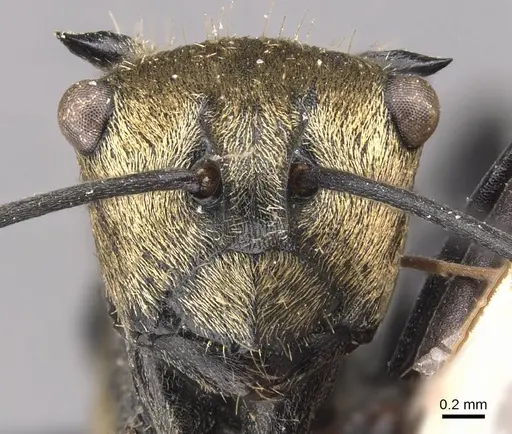
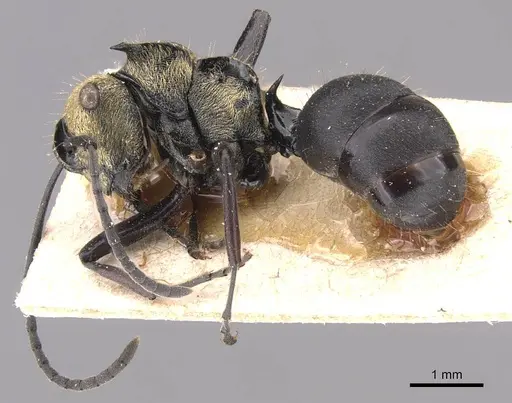
CASENT0905574
View on AntWeb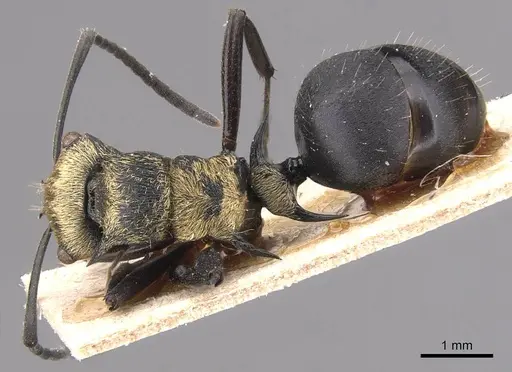
Literature
Loading...Loading products...