

Polyrhachis halidayi
- Scientific Name
- Polyrhachis halidayi
- Subgenus
- Campomyrma
- Tribe
- Camponotini
- Subfamily
- Formicinae
- Author
- Emery, 1889
- Distribution
- Found in 5 countries
Polyrhachis halidayi Overview
Polyrhachis halidayi is an ant species of the genus Polyrhachis. It is primarily documented in 5 countries , including China, Hong Kong, Lao People's Democratic Republic. Detailed taxonomic data and occurrence records can be further explored via authoritative databases such as AntWeb or the Global Biodiversity Information Facility (GBIF).
Polyrhachis halidayi
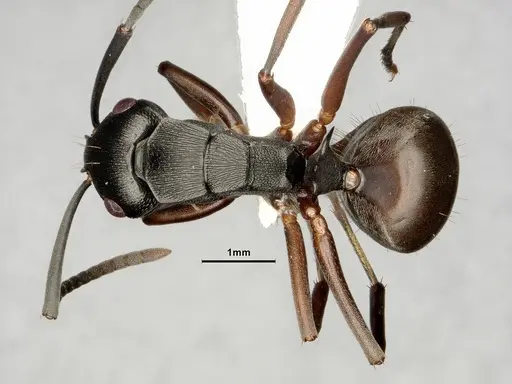
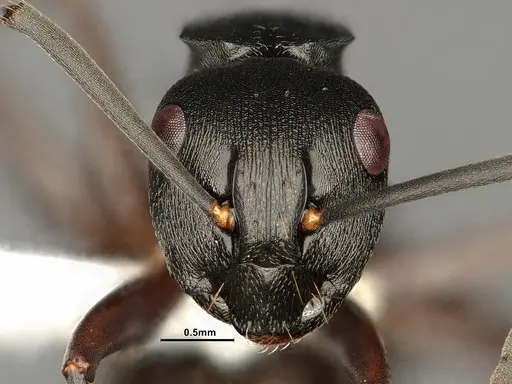
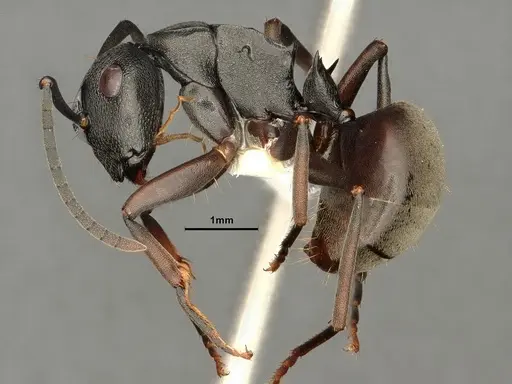
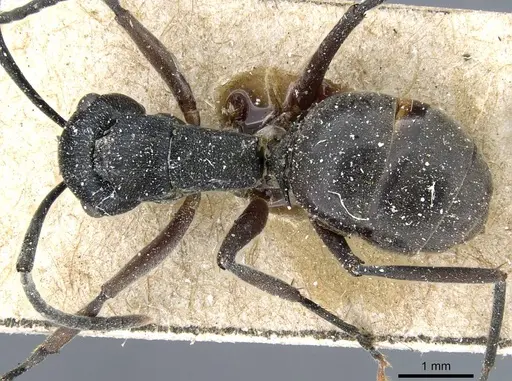
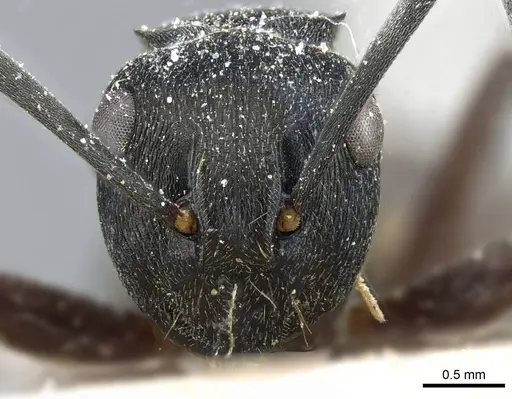
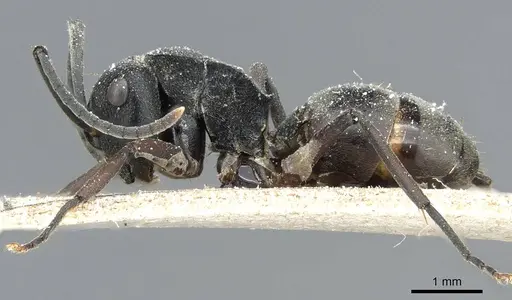
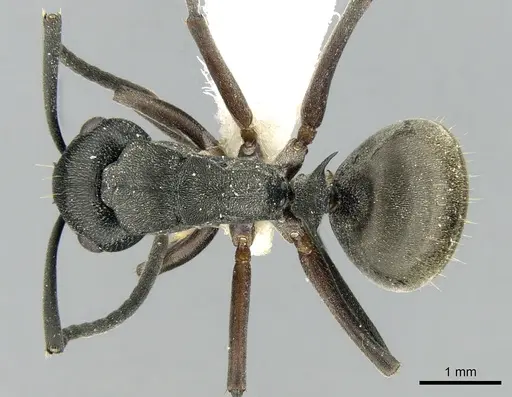
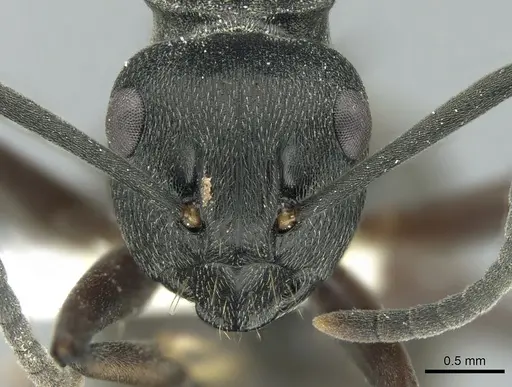
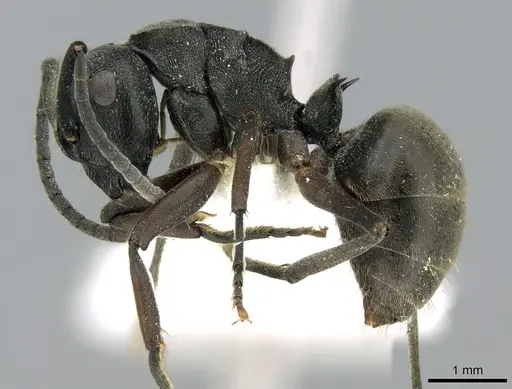
Polyrhachis halidayi is a medium-sized ant belonging to the subgenus Campomyrma, found across Southeast Asia and southern China. Workers measure 6.80-8.80 mm and have a distinctive appearance: their body is mostly black with reddish-brown to black legs and gaster, and they feature two sharp spines on the petiole (the narrow waist section) that point backward and two small denticles in between. The propodeal spines are short and point upward, which helps distinguish them from similar species like P. quadrispinosa and P. lao. They also have sparse erect hairs on the first abdominal segment, unlike their lookalikes [1].
This species is notable for its flexible nesting habits. While originally reported as arboreal (nesting between leaves), research shows they actually nest in rotting wood on the forest floor, dead bamboo stems, and twigs in trees, making them adaptable to different nest sites within their forest habitat [1]. They inhabit primary and disturbed forests from 250-1500m elevation, and interestingly, one study found them specifically associated with rubber plantations rather than primary or secondary forests [2].
Quick Summary
- Difficulty: Medium
- Origin & Habitat: Southeast Asia and southern China. Found in primary forests (dry evergreen, mixed deciduous, hill evergreen) and disturbed forests from 250-1500m elevation. Countries include Thailand, Laos, Myanmar, Vietnam, India (Arunachal Pradesh), and China (Yunnan, Hainan, Zhejiang, Fujian, Guangxi) [1][2][3].
- Colony Type: Colony structure is unconfirmed. No published data on whether they are single-queen (monogyne) or multi-queen (polygyne) colonies.
- Size & Growth:
- Queen: 8.68-8.80 mm [1]
- Worker: 6.80-8.80 mm [1]
- Colony: Unknown, no colony size data published
- Growth: Unknown, no development timing data available for this species
- Development: Unknown, no direct measurements available. Based on typical Polyrhachis patterns from related species, expect 6-10 weeks at optimal temperature. (Development timeline has not been directly studied for this species. Estimates based on genus-level data for Polyrhachis.)
- Antkeeping:
- Temperature: Based on their tropical to subtropical distribution (250-1500m elevation in Southeast Asia), keep them warm. Aim for 24-28°C with a gentle gradient allowing workers to self-regulate. Room temperature is likely acceptable if your home stays in the low-to-mid 20s°C.
- Humidity: They naturally nest in rotting wood and forest floor environments, suggesting they prefer moderate to high humidity. Keep the nest substrate consistently moist but not waterlogged. Provide a water tube as their primary moisture source.
- Diapause: Unknown, no published data on overwintering requirements. Given their range includes highland areas in southern China and northern Southeast Asia, they may experience cooler periods but likely do not require true hibernation. Monitor colony activity and reduce feeding if they become less active during winter months.
- Nesting: In captivity, they will likely accept wooden nests (Y-tong or similar), plaster nests, or naturalistic setups with rotting wood pieces. They naturally nest in decaying wood, so incorporating wood or wood-based materials into the nest encourages natural behavior. Avoid completely dry setups.
- Behavior: Polyrhachis halidayi is a relatively calm species without aggressive defensive behaviors. Workers are moderate-sized and can defend themselves if threatened, but they are not known for stinging. They are primarily foragers that search for food on the forest floor and in vegetation. Escape risk is moderate, their 7-9mm size means standard formicarium barriers work well, but ensure connections are secure. They are primarily nocturnal or crepuscular foragers based on their eye structure being positioned for low-light conditions.
- Common Issues: no published colony size data makes it difficult to predict maximum colony growth, development timeline is unknown, making it hard to track if colony is progressing normally, humidity requirements are not well-documented, requiring careful observation of colony preferences, no data on whether they accept sugar sources, may be primarily predatory or honeydew-feeding, wild-caught colonies may carry parasites that can cause problems in captivity
Nest Preferences
Polyrhachis halidayi naturally nests in rotting wood on the forest floor, dead bamboo stems, and twigs in trees [1]. This makes them well-suited to wooden formicarium nests (like Y-tong) or naturalistic setups with wood pieces. They are not strictly arboreal despite earlier reports suggesting otherwise, they clearly prefer ground-level decaying wood. In captivity, provide a nest with wood or wood-derived materials. Plaster nests also work well for this genus. The nest should have chambers sized appropriately for their 7-9mm workers, with narrow passages that make them feel secure. A water tube connected to the nest helps maintain the moisture levels they need.
Feeding and Diet
The natural diet of P. halidayi is not well-documented in scientific literature. As a Polyrhachis species in the Formicinae subfamily, they likely have an omnivorous diet similar to related ants, accepting sugary substances (honey water, sugar water) and protein sources (insects, small prey). Based on their forest floor foraging behavior, they probably scavenge and hunt small invertebrates. Start with standard ant foods: offer sugar water or honey regularly, and provide protein sources like mealworms, small crickets, or other insects. Remove uneaten prey within 24-48 hours to prevent mold. If they ignore sugar sources, focus on protein-based feeding.
Temperature and Care
Given their range across tropical and subtropical Southeast Asia and southern China (250-1500m elevation), these ants prefer warm conditions. Keep the nest at 24-28°C, which is typical room temperature in many homes. A temperature gradient allows workers to regulate their own conditions, place a heating cable on one side of the nest if your room runs cool. They come from forested environments, so avoid direct sunlight and strong temperature fluctuations. Humidity is important since they naturally nest in rotting wood, keep the substrate consistently moist but not flooded. A water tube connected to the nest provides a reliable moisture source. [1]
Behavior and Temperament
Polyrhachis halidayi workers are moderate-sized (6.80-8.80mm) and relatively calm. They are not particularly aggressive and do not have a painful sting. Workers are active foragers, likely hunting and scavenging on the forest floor. Their eye structure suggests they may be more active during low-light periods (dawn/dusk or night). Escape prevention is straightforward due to their moderate size, standard barriers work well, but check all connections regularly. They are not known for escaping aggressively like some smaller species can. When keeping them, observe their activity patterns to fine-tune feeding schedules and environmental conditions. [1]
Colony Establishment
Since founding behavior has not been documented for this species, the safest approach is to obtain an established colony from a reputable seller. If you catch a queen, treat her as potentially claustral (like most Polyrhachis species), provide a small test tube setup with moist cotton, keep her in darkness, and wait 4-8 weeks for eggs to appear. Do not disturb her during founding. Once workers emerge (nanitics, which will be smaller than normal workers), you can begin offering tiny food items. Transfer to a proper nest once the colony reaches 10-20 workers. Growth is likely slow initially as the colony establishes itself.
Frequently Asked Questions
How long does it take for Polyrhachis halidayi to produce first workers?
The exact development timeline is unknown for this species. Based on typical Polyrhachis patterns, expect 6-10 weeks from egg to first worker at optimal temperature (around 25°C). The queen will remain claustrated in her founding chamber, living off stored fat, until her first workers emerge.
What do Polyrhachis halidayi ants eat?
Their exact diet is not documented, but as Polyrhachis ants, they likely accept both sugary foods (honey water, sugar water) and protein sources (small insects, mealworms). Start with sugar water offered constantly and protein prey 2-3 times per week. Remove uneaten prey promptly.
Can I keep Polyrhachis halidayi in a test tube setup?
Yes, test tubes work well for founding colonies. Keep the cotton moist (not soaked), and place the tube in darkness until workers emerge. Once the colony grows to 15-30 workers, consider moving to a wooden formicarium or naturalistic setup with rotting wood to match their natural nesting preferences.
What temperature do Polyrhachis halidayi need?
Keep them at 24-28°C. This is typical room temperature in most homes. If your home is cooler, use a heating cable on one side of the nest to create a gentle gradient. Avoid temperatures below 20°C or above 32°C.
How big do Polyrhachis halidayi colonies get?
The maximum colony size is unknown, no published data exists on colony size for this species. Based on their moderate worker size and related Polyrhachis species, colonies likely reach several hundred workers over several years.
Are Polyrhachis halidayi good for beginners?
They are rated as Medium difficulty. They are not as challenging as some exotic species but require more attention to humidity and temperature than common beginner species like Lasius. Their main challenge is that specific care requirements (exact humidity, development timeline) are not well-documented, requiring careful observation.
Do Polyrhachis halidayi need hibernation?
Diapause requirements are unknown. Given their tropical to subtropical distribution, they likely do not require true hibernation. However, they may slow down during cooler winter months. Reduce feeding if activity decreases, but no special cooling period is needed.
When should I move my colony to a formicarium?
Move from test tube to a proper nest (wooden formicarium, plaster nest, or naturalistic setup) once the colony reaches 15-30 workers. They naturally nest in rotting wood, so a Y-tong or wooden nest with moisture provision works well.
Can I keep multiple queens together?
Colony structure (monogyne vs polygyne) is unconfirmed for this species. Combining unrelated queens is not recommended since it has not been documented and could result in fighting. Start with a single queen.
References

This caresheet is licensed under CC BY-SA 4.0 .
Literature
Loading...Loading products...