

Polyrhachis gribodoi
- Scientific Name
- Polyrhachis gribodoi
- Subgenus
- Campomyrma
- Tribe
- Camponotini
- Subfamily
- Formicinae
- Author
- Emery, 1887
- Distribution
- Found in 1 countries
Polyrhachis gribodoi Overview
Polyrhachis gribodoi is an ant species of the genus Polyrhachis. It is primarily documented in 1 countries , including Indonesia. Detailed taxonomic data and occurrence records can be further explored via authoritative databases such as AntWeb or the Global Biodiversity Information Facility (GBIF).
Polyrhachis gribodoi
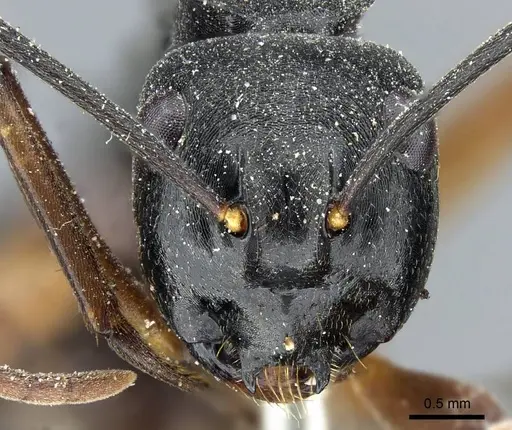
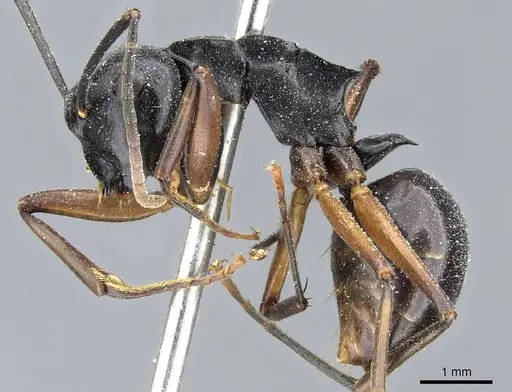
Polyrhachis gribodoi is a moderately large ant species native to the rainforests of Southeast Asia, specifically found in Borneo, Java, and Malaysia. Workers measure 6.95-8.82mm with a distinctive appearance featuring propodeal spines (rear spikes on the mesosoma), a bilobed clypeus (front of the head has two lobes), and longitudinally striated sculpturing on the pronotum [1]. The species belongs to the equina species-group and is classified in the subgenus Campomyrma [1].
This species is arboreal or lignicolous, meaning it nests in hollow branches and around the bases of rainforest trees [1]. Unlike many ground-nesting ants, P. gribodoi prefers elevated nesting sites in decaying wood, making them an interesting species for keepers who want something different from typical soil-nesting ants.
Quick Summary
- Difficulty: Medium
- Origin & Habitat: Rainforests of Borneo, Java, and Malaysia in the Indomalaya region. Found nesting in hollow branches and around tree bases in humid rainforest environments [1][2].
- Colony Type: Colony structure is unconfirmed. Most Polyrhachis species are monogyne (single queen), but specific data for P. gribodoi is not available.
- Founding: Claustral
- Size & Growth:
- Queen: Undocumented in available research, estimated 10-12mm based on genus patterns
- Worker: 6.95-8.82mm with significant variation [1]
- Colony: Estimated several hundred workers based on related species in the genus
- Growth: Moderate, estimated based on tropical Polyrhachis patterns
- Development: Estimated 6-8 weeks at optimal tropical temperatures (25-28°C), based on genus-level data for related species (Development time is inferred from typical Polyrhachis patterns, direct measurements for this species are not available)
- Antkeeping:
- Temperature: Keep at 24-28°C. As a tropical rainforest species from Borneo and Java, they need warm, stable temperatures. A heating cable on one side of the nest can create a gentle gradient if room temperature falls below this range.
- Humidity: High humidity is essential, aim for 70-80%. These rainforest ants need consistently moist conditions. Keep the nest substrate damp but not waterlogged, with some drier areas available for the ants to regulate their own humidity preferences.
- Diapause: No diapause required. As a tropical species from constant-humidity environments, they do not need a winter rest period. Maintain warm temperatures year-round.
- Nesting: Provide a naturalistic setup with hollow branches, cork bark, or a Y-tong/plaster nest with narrow chambers. They prefer enclosed spaces that mimic their natural hollow branch nesting sites. Avoid dry, open setups.
- Behavior: Polyrhachis gribodoi is an arboreal species that forages in the canopy and along tree trunks. They are generalist foragers and will explore their environment actively. Workers are medium-sized and can defend themselves if threatened. Escape prevention should be moderate, while not tiny, they can still climb smooth surfaces effectively. They are not typically aggressive toward keepers but will defend their nest if disturbed.
- Common Issues: high humidity maintenance is critical, dry conditions will cause colony decline and death, arboreal nesting means standard test tube setups are not ideal, provide wood-based or cork bark nesting options, tropical species are sensitive to temperature drops below 22°C, colonies may be slow to establish compared to faster-growing genera, wild-caught colonies may carry parasites that affect captive health
Housing and Nest Setup
Polyrhachis gribodoi requires housing that reflects their natural arboreal lifestyle. In the wild, they nest in hollow branches and around tree bases in rainforest environments [1]. For captive care, a naturalistic setup works best, use cork bark, hollow twigs, or wooden elements that mimic their natural nesting sites. A Y-tong (acrylic) nest with narrow chambers can also work, but add wood pieces or cork bark inside for them to explore and nest around.
Avoid standard test tube setups unless you're raising a founding queen, these ants are adapted to enclosed wooden spaces, not water tubes. The nest should have multiple chambers connected by small passages. Provide an outworld (foraging area) with branches, leaves, or other structures that allow natural foraging behavior. Ensure excellent escape prevention, while not tiny, they are agile climbers that will find any gap.
Feeding and Diet
Polyrhachis gribodoi is a generalist forager that will accept a varied diet. In captivity, offer protein sources such as small insects (fruit flies, small crickets, mealworms), and provide sugar sources like honey water or sugar water regularly. They are tropical ants with active foraging patterns, so keep a constant supply of sugar water available.
Feed protein 2-3 times per week, adjusting based on colony size and consumption. Remove uneaten prey after 24-48 hours to prevent mold. Since they are arboreal foragers, they may prefer food placed on branches or elevated surfaces rather than on the ground of the outworld. Observe your colony's preferences and adjust feeding locations accordingly.
Temperature and Humidity Management
As a tropical rainforest species from Borneo and Java, P. gribodoi requires warm and humid conditions year-round. Maintain temperatures between 24-28°C, this is critical for colony health and brood development. Temperatures below 22°C can stress the colony and slow or stop brood development entirely.
Humidity should remain high at 70-80%. Use a moisture reservoir in the nest (if using plaster or Y-tong) and mist the outworld regularly. Monitor for condensation, some condensation is good but excessive moisture can cause mold problems. A hygrometer helps monitor conditions. If the substrate dries out too quickly between mistings, consider reducing ventilation to retain moisture. The key is consistency, avoid fluctuations in temperature and humidity.
Colony Development and Growth
Polyrhachis gribodoi colonies develop at a moderate pace typical of tropical Formicinae. The queen is expected to be claustral (seals herself in a chamber and raises the first brood alone on stored fat reserves), though this specific behavior has not been documented for this species. First workers (nanitics) will typically be smaller than mature workers.
Colony growth is moderate, expect 6-8 weeks from egg to first worker at optimal temperatures, then gradual expansion over months and years. A mature colony may reach several hundred workers. Growth rate depends heavily on temperature consistency and feeding quality. Colonies that are stressed by improper temperature or humidity will grow very slowly or stall entirely. Patience is key with this species.
Behavior and Handling
Polyrhachis gribodoi workers are active foragers with moderate aggression when defending their nest. They are not among the most aggressive ant species, but they will bite and potentially sting if they feel threatened. The sting is functional and can cause mild irritation in humans, though these ants are not considered dangerous.
They are arboreal by nature, so they spend more time climbing than ground-dwelling species. When setting up the outworld, provide vertical structures and branches for natural foraging behavior. They use chemical communication like most ants and will lay pheromone trails to food sources. Observe their foraging patterns, once they establish a routine, they will consistently use the same paths to and from food sources.
Frequently Asked Questions
What is the best nest type for Polyrhachis gribodoi?
A naturalistic setup with cork bark, hollow branches, or a Y-tong nest with wood elements works best. They are arboreal/lignicolous (wood-nesting) by nature, so avoid standard test tubes or bare acrylic nests. Provide enclosed spaces that mimic their natural hollow branch habitat.
How long does it take for Polyrhachis gribodoi to produce first workers?
Expect 6-8 weeks from egg to first worker at optimal temperatures (25-28°C). This is an estimate based on genus patterns since specific development data for this species is not available. Cooler temperatures will significantly slow development.
What temperature do Polyrhachis gribodoi need?
Keep them at 24-28°C. This tropical rainforest species requires warm conditions year-round. Temperatures below 22°C can stress the colony and stop brood development. Use a heating cable if needed, placed on top of the nest to create gentle warmth.
How often should I feed Polyrhachis gribodoi?
Provide sugar water (honey or sugar) constantly, they need a carbohydrate source always available. Feed protein (small insects) 2-3 times per week. Adjust frequency based on colony size and consumption. Remove uneaten prey after 24-48 hours.
Can I keep multiple Polyrhachis gribodoi queens together?
This is not recommended. Specific colony structure data for P. gribodoi is lacking, but most Polyrhachis are monogyne (single queen). Combining unrelated foundresses has not been documented for this species and likely results in fighting.
Do Polyrhachis gribodoi need hibernation?
No, they do not need hibernation. As a tropical species from constant-humidity rainforests, they require warm temperatures year-round. Maintain 24-28°C throughout the year, there is no winter rest period.
Why is my Polyrhachis gribodoi colony not growing?
Check temperature first, they need 24-28°C consistently. Second, verify humidity is high (70-80%). Third, ensure they have proper nesting sites (wood/cork). Poor growth can also result from low-quality feeding or stress from improper conditions. Review all three factors and adjust accordingly.
Are Polyrhachis gribodoi good for beginners?
They are rated Medium difficulty. While not the easiest species, they are rewarding for keepers who can maintain warm, humid conditions consistently. They are more challenging than common Lasius or Camponotus species but less difficult than some specialized tropical ants.
What humidity level do Polyrhachis gribodoi need?
High humidity at 70-80% is essential. These rainforest ants need consistently moist conditions. Keep the nest substrate damp but not waterlogged. Monitor with a hygrometer and mist the outworld regularly to maintain proper levels.
References

This caresheet is licensed under CC BY-SA 4.0 .
CASENT0905553
View on AntWeb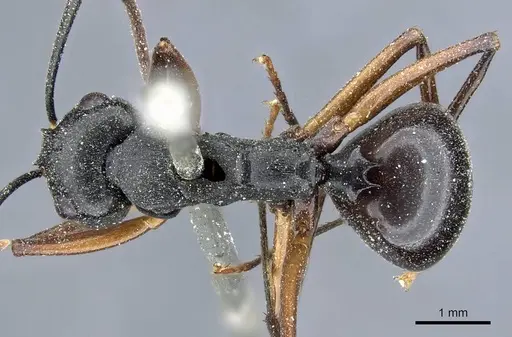
Literature
Loading...Loading products...