

Polyrhachis gracilior
- Scientific Name
- Polyrhachis gracilior
- Subgenus
- Myrmhopla
- Tribe
- Camponotini
- Subfamily
- Formicinae
- Author
- Forel, 1893
- Distribution
- Found in 1 countries
Polyrhachis gracilior Overview
Polyrhachis gracilior is an ant species of the genus Polyrhachis. It is primarily documented in 1 countries , including India. Detailed taxonomic data and occurrence records can be further explored via authoritative databases such as AntWeb or the Global Biodiversity Information Facility (GBIF).
Polyrhachis gracilior
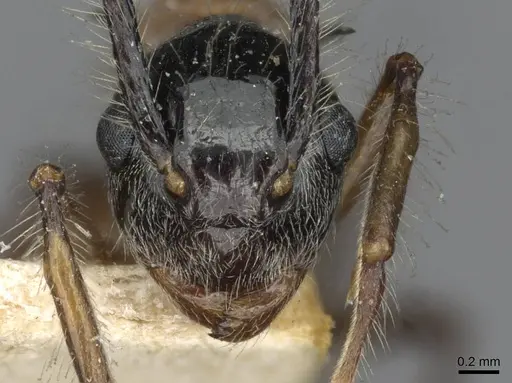
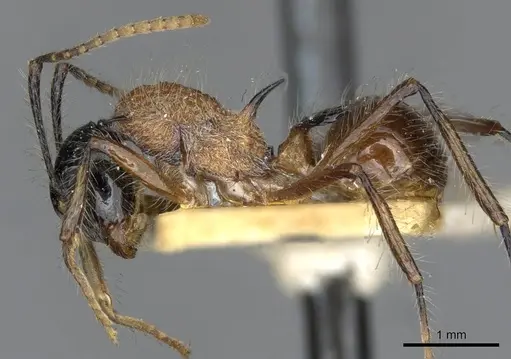
Polyrhachis gracilior is a medium-sized ant species endemic to India, belonging to the subfamily Formicinae. Workers are slender with characteristic spines on the thorax, typical of the Polyrhachis genus. The species was originally described by Forel in 1893 and was later recognized as a full species (raised from subspecies rank) by Bingham in 1903. This ant is found across multiple Indian states including Arunachal Pradesh, Assam, Karnataka, Kerala, and West Bengal, making it one of the more widely distributed Polyrhachis species in India [1]. The genus Polyrhachis is known for its diverse nesting habits, with many species being arboreal or nesting in elevated locations rather than in soil.
Quick Summary
- Difficulty: Medium
- Origin & Habitat: Endemic to India, found in Arunachal Pradesh, Assam, Karnataka, Kerala, and West Bengal. Based on typical Polyrhachis habitat preferences, they likely inhabit forested areas with access to vegetation and moderate to high humidity [1].
- Colony Type: Colony structure is unconfirmed for this specific species. Most Polyrhachis species are monogyne (single-queen colonies), though some can be polygynous. More research is needed on the exact colony structure of P. gracilior.
- Size & Growth:
- Queen: Estimated 10-12mm based on genus patterns, no specific measurements found for this species
- Worker: Estimated 6-8mm based on genus patterns, no specific measurements found for this species
- Colony: Unknown for this species, but related Polyrhachis species typically reach several hundred to a few thousand workers
- Growth: Moderate, based on typical Formicinae development patterns
- Development: Estimated 6-8 weeks at optimal temperature based on related Formicinae species (Development time is estimated from genus-level data since specific studies are lacking for this species)
- Antkeeping:
- Temperature: Keep at 24-28°C. Being a tropical Indian species, they prefer warm conditions. A slight temperature gradient allows the colony to self-regulate.
- Humidity: Maintain moderate to high humidity (60-80%). These forest-dwelling ants prefer conditions similar to their natural habitat. Keep the nest substrate moist but not waterlogged.
- Diapause: Likely no true diapause required, being a tropical species from India, they probably do not need a hibernation period. However, a slight cool-down during winter months may be beneficial.
- Nesting: Based on typical Polyrhachis behavior, they likely prefer arboreal or elevated nesting sites. In captivity, a naturalistic setup with vertical structures, cork bark, or a Y-tong nest with multiple chambers works well. They may appreciate access to vegetation or climbing structures.
- Behavior: Polyrhachis ants are generally known for being less aggressive than many other ant genera. Workers are active foragers and may tend aphids for honeydew. They are moderately good climbers and may attempt escapes, so escape prevention measures should be in place. The genus is known for diverse behaviors including some species that construct silk nests. Specific behavioral observations for P. gracilior are lacking in scientific literature.
- Common Issues: escape prevention is important, they are active climbers and may escape through small gaps, humidity control is critical, too dry and brood will fail, too wet and mold becomes a problem, limited availability in the antkeeping hobby means established colonies are rare, specific dietary requirements are unknown, rely on genus-typical feeding patterns, wild-caught colonies may carry parasites that can devastate captive colonies
Natural History and Distribution
Polyrhachis gracilior is endemic to India, meaning it is found nowhere else in the world naturally. The species has been recorded from multiple Indian states including Arunachal Pradesh in the northeast, Assam, Karnataka in the south, Kerala, and West Bengal [1]. The original description was published by Forel in 1893,and the species was later raised from a subspecies of P. furcata to full species status by Bingham in 1903 [2]. The species was also previously known as Polyrhachis gracilior until Bolton recognized it as the same species in 1974. Being a member of the subgenus Myrmhopla, this species shares characteristics with other Polyrhachis ants including their distinctive spines and often arboreal or semi-arboreal lifestyle.
Housing and Nest Preferences
In captivity, Polyrhachis gracilior should be provided with a nest that accommodates their likely preference for elevated or semi-arboreal conditions. A naturalistic setup works well, these ants often do better with access to vertical space and climbing structures. A Y-tong (acrylic) nest with multiple connected chambers provides good visibility and humidity control. Alternatively, a naturalistic terrarium-style setup with cork bark, live moss, and small plants mimics their natural environment. The nest should have a water tube or moisture reservoir to maintain humidity. Given their climbing abilities, ensure all connections between the nest and outworld are secure and escape-proof.
Feeding and Diet
Based on typical Polyrhachis feeding behavior, this species is likely omnivorous with a preference for protein sources. Offer a varied diet including small insects (fruit flies, small crickets, mealworms) as primary protein. They will likely accept sugar sources such as honey water or sugar water, especially if they are tending any aphids present in the setup. Fresh fruit can also be offered. Feed protein 2-3 times per week and keep sugar water available at all times. Remove uneaten food after 24-48 hours to prevent mold. Being a relatively active forager, they will likely readily take prey items back to the colony.
Temperature and Humidity Requirements
As a tropical species from India, Polyrhachis gracilior requires warm and humid conditions. Maintain temperatures between 24-28°C for optimal colony development. A slight temperature gradient (warm end around 28°C, cooler end around 24°C) allows the colony to self-regulate. This can be achieved with a heating cable on one side of the nest. Humidity should be maintained at 60-80%. The nest substrate should remain consistently moist but never waterlogged. Mist the outworld occasionally but avoid direct misting of the nest which can cause flooding. Good ventilation is essential to prevent mold while maintaining humidity.
Colony Development and Growth
Specific development data for Polyrhachis gracilior is not available in scientific literature. Based on typical Formicinae development patterns, expect the first workers (nanitics) to emerge within 6-8 weeks after the queen lays eggs, assuming optimal temperature and humidity. Initial colony growth is typically slow, the queen alone cares for the first brood. Once the first workers emerge, colony growth accelerates as they take over foraging and brood care duties. The colony will likely reach several hundred workers within the first year under good conditions. Mature colonies of related Polyrhachis species can contain several thousand workers. Patience is essential during the founding stage as the colony is most vulnerable.
Frequently Asked Questions
How long does it take for Polyrhachis gracilior to produce first workers?
Based on typical Formicinae development, expect first workers in approximately 6-8 weeks under optimal conditions (24-28°C,60-80% humidity). The exact timeline for this species has not been scientifically documented.
What do Polyrhachis gracilior ants eat?
They are omnivorous. Feed small insects (fruit flies, small crickets, mealworms) as protein 2-3 times per week. Keep sugar water or honey available at all times. They will also accept fresh fruit.
Are Polyrhachis gracilior ants good for beginners?
This species is rated as medium difficulty. While less aggressive than some ants, specific care requirements (warmth, humidity) and limited availability make it more suitable for intermediate antkeepers who have experience with tropical species.
What temperature do Polyrhachis gracilior ants need?
Keep them at 24-28°C. Being a tropical Indian species, they require warm conditions year-round. A heating cable on one side of the nest can help maintain optimal temperature.
Do Polyrhachis gracilior ants need hibernation?
Probably not. As a tropical species from India, they likely do not require a true diapause. However, a slight temperature reduction during winter months (down to around 20-22°C) may be natural and beneficial.
How big do Polyrhachis gracilior colonies get?
Exact colony size is unknown for this species, but related Polyrhachis species typically reach several hundred to a few thousand workers. Expect a mature colony to contain several hundred workers within 1-2 years.
Can I keep multiple Polyrhachis gracilior queens together?
The colony structure of this specific species has not been studied. Most Polyrhachis species are monogyne (single-queen). Combining unrelated queens is not recommended without evidence they can coexist peacefully.
What type of nest is best for Polyrhachis gracilior?
A naturalistic setup with vertical structures or a Y-tong acrylic nest works well. They likely prefer semi-arboreal conditions, so include climbing structures and potentially cork bark or live plants in the setup.
Why are my Polyrhachis gracilior ants dying?
Common causes include: temperature too low (below 24°C), humidity too low or too high, mold from poor ventilation, escape leading to death, or parasites from wild-caught colonies. Review your temperature and humidity levels first.
References

This caresheet is licensed under CC BY-SA 4.0 .
CASENT0910866
View on AntWeb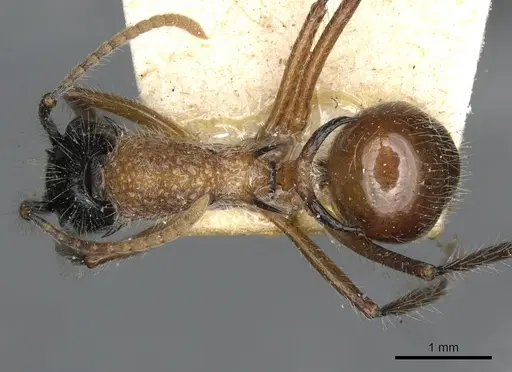
Literature
Loading...Loading products...