

Polyrhachis gibbula
- Scientific Name
- Polyrhachis gibbula
- Subgenus
- Myrma
- Tribe
- Camponotini
- Subfamily
- Formicinae
- Author
- Rigato, 2016
- Distribution
- Found in 1 countries
Polyrhachis gibbula Overview
Polyrhachis gibbula is an ant species of the genus Polyrhachis. It is primarily documented in 1 countries , including Tanzania, United Republic of. Detailed taxonomic data and occurrence records can be further explored via authoritative databases such as AntWeb or the Global Biodiversity Information Facility (GBIF).
Polyrhachis gibbula
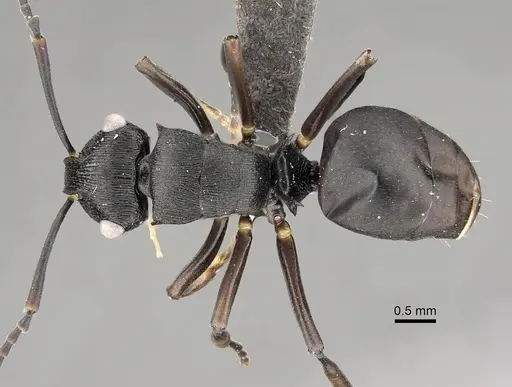
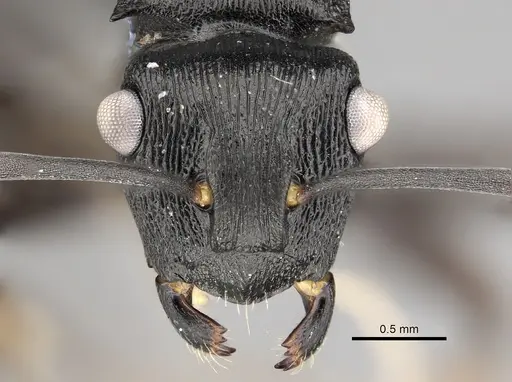
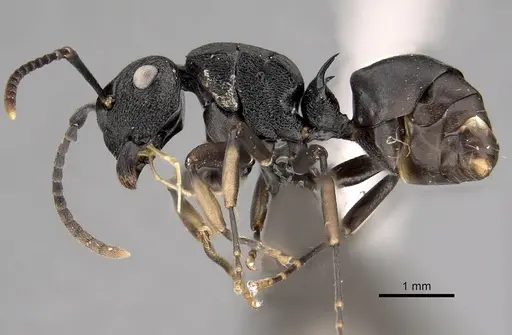
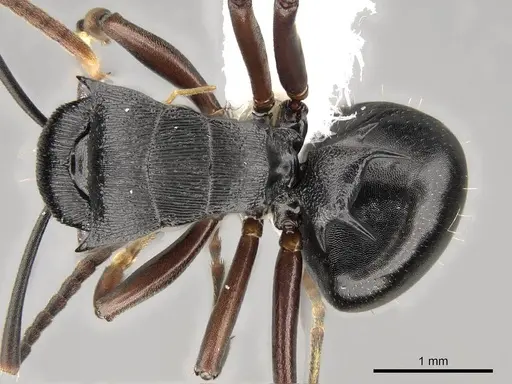
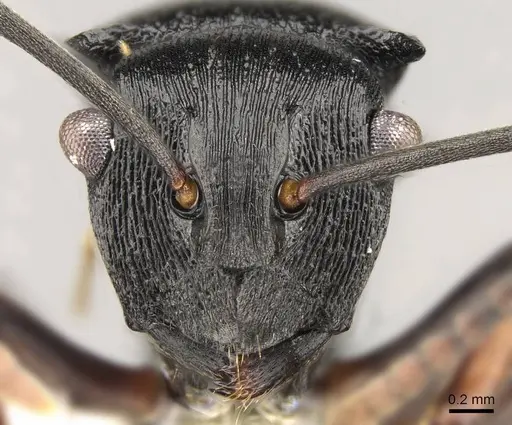
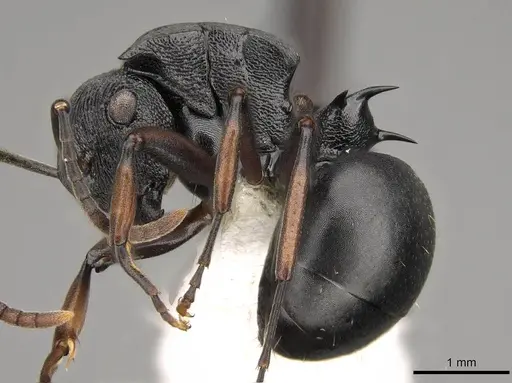
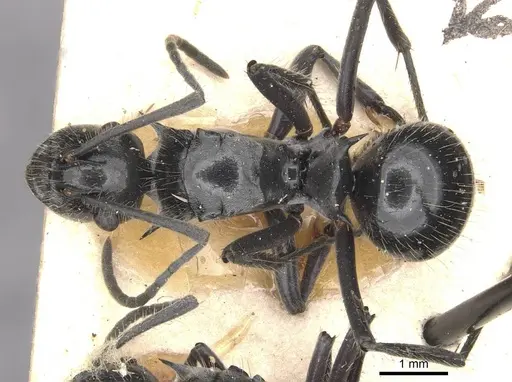
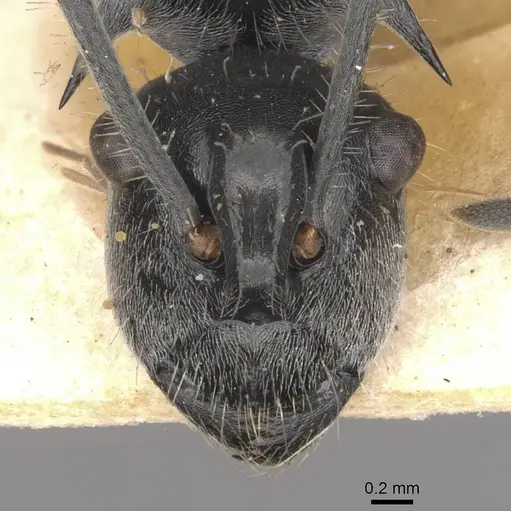
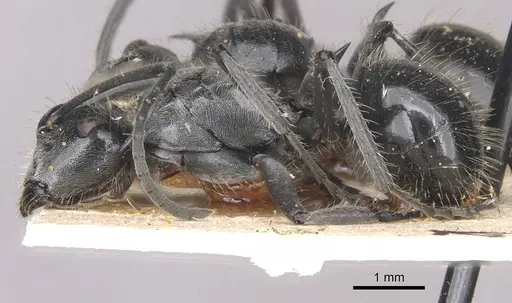
Polyrhachis gibbula is a small, recently described ant species from the viscosa-group, found exclusively in Kenya and Tanzania in East Africa [1]. Workers measure 1.38-1.54mm in head length, making them one of the smaller Polyrhachis species. They have a distinctive trapezoidal head with strongly bulging eyes, and their body is covered in fine longitudinal ridges (rugulosity) that give them a textured appearance. The propodeum (the section behind the mesosoma) is strongly arched, and the petiole has four spines, two longer dorsal spines pointing upward and backward, and two shorter lateral spines [1]. These ants are entirely black with brownish appendages, and they were collected from inside a dead twig in semideciduous forest habitat [1].
This species belongs to the viscosa-group within the subgenus Myrma, characterized by their spiny petioles and often arboreal or semi-arboreal nesting habits. As a recently described species (2016), detailed captive care information is limited, but Polyrhachis ants in general are known for being relatively docile and adaptable. Their small size and distinctive appearance make them an interesting species for antkeepers seeking something unusual.
Quick Summary
- Difficulty: Medium
- Origin & Habitat: Kenya and Tanzania, East Africa. Found in semideciduous forest at low elevation (around 20m), typically nesting in dead twigs [1].
- Colony Type: Colony structure is unconfirmed. Based on genus patterns, likely single-queen (monogyne) colonies. No data on ergatoid replacement reproductives for this species.
- Size & Growth:
- Queen: Unknown, queen has not been described. Based on related Polyrhachis species, likely 6-9mm.
- Worker: 1.38-1.54mm head length [1]. Total body approximately 4-5mm.
- Colony: Unknown, no colony size data available. Related species typically reach several hundred workers.
- Growth: Unknown, no development data. Likely moderate based on small worker size.
- Development: Unconfirmed. Based on typical Polyrhachis patterns and small size, estimated 6-10 weeks at optimal temperature. (No direct development studies exist for this species. Estimate based on genus-level data.)
- Antkeeping:
- Temperature: Keep around 24-28°C. Being from lowland East African forest, they prefer warm, stable conditions. A gentle gradient allowing them to move between warmer and cooler areas is ideal.
- Humidity: Moderate to high humidity (60-80%). Semi-arboreal nesting in dead twigs suggests they prefer damp but not waterlogged conditions. Provide a moist nest substrate while allowing some drier areas.
- Diapause: Unknown for this species. Many East African ants do not require true hibernation but may slow down during cooler periods. Monitor colony activity and adjust feeding accordingly.
- Nesting: Natural nesting: dead twigs, hollow stems, under bark. In captivity, a small test tube setup works well for founding colonies. As they grow, a small acrylic or Y-tong nest with narrow chambers scaled to their tiny size is appropriate. Provide twigs or small wooden structures if using a naturalistic setup.
- Behavior: Polyrhachis ants are generally docile and non-aggressive. They are not known for stinging and typically flee when disturbed. Workers are small but active foragers, likely feeding on honeydew and small insects in nature. Their small size means escape prevention is critical, they can squeeze through tiny gaps. They are not strong climbers but may attempt to escape through any small opening. Based on genus behavior, they are likely nocturnal or crepuscular foragers.
- Common Issues: small size makes escape likely without fine mesh barriers and tight-fitting lids, limited data means care parameters are estimates based on genus patterns, not species-specific research, no information on queen founding behavior, unknown if claustral or semi-claustral, colony growth rate is unconfirmed, slow growth may frustrate beginners, humidity control is important, too dry causes desiccation, too wet promotes mold
Housing and Nest Setup
For founding colonies, a standard test tube setup works well. Use a small test tube (roughly 10-15cm long) filled with water and plugged with cotton, providing a humid chamber. Cover the tube with a dark sleeve to reduce stress. Because workers are only 4-5mm total length, ensure the cotton is packed tightly and use a secure lid, these tiny ants can squeeze through surprisingly small gaps. Once the colony reaches 15-30 workers, you can consider moving to a small formicarium. A Y-tong or acrylic nest with chambers scaled to their small size works better than large, open spaces. Include a small water tube or moist area to maintain humidity. Some keepers add small pieces of dead twig or bark to the outworld to mimic their natural nesting in dead wood. [1]
Feeding and Diet
Based on typical Polyrhachis behavior, these ants likely feed on honeydew from aphids and scale insects, plus small insects for protein. In captivity, offer sugar water or honey water as a constant energy source. For protein, provide small prey items like fruit flies, pinhead crickets, or small mealworms. Since they are small, prey should be appropriately sized, avoid large insects that could harm the ants. Feed protein once or twice per week, and remove any uneaten prey within 24 hours to prevent mold. Some Polyrhachis species will accept commercial ant foods, but live prey is preferred for a balanced diet. Always ensure fresh water is available.
Temperature and Heating
Being from lowland East African forests in Kenya and Tanzania, these ants prefer warm conditions. Aim for 24-28°C in the nest area. Room temperature may suffice if your home is in this range, otherwise use a heating cable or mat on one side of the nest to create a gentle gradient. Never place heating directly on the water reservoir of a test tube, as it can cause rapid evaporation and flooding. A temperature gradient allows workers to regulate their own exposure to heat. Avoid temperatures below 20°C or above 32°C. Unlike temperate species, they likely do not require a true hibernation period, but may reduce activity during cooler months. [1]
Humidity and Water
Maintain moderate to high humidity (60-80%) in the nest area. Their natural habitat in semideciduous forest provides consistent moisture. In a test tube setup, the water reservoir naturally maintains humidity. For formicariums, monitor the substrate, it should feel damp but not have standing water. Allow the substrate to dry slightly between water additions rather than keeping it constantly saturated. Mold is a risk if humidity is too high combined with poor ventilation. Provide a water tube or small dish in the outworld so workers can drink without drowning. Mist the outworld occasionally, especially if the nest area seems dry. [1]
Behavior and Temperament
Polyrhachis ants are generally calm and non-aggressive. Workers are small and likely shy, preferring to avoid confrontation rather than fight. They are not known for stinging, and their primary defense is fleeing. In the wild, they nest in dead twigs and small cavities, which suggests they prefer enclosed, secure spaces. Workers are likely crepuscular or nocturnal foragers, searching for honeydew and small insects. Their small size means they can be overlooked, but they are active and interesting to watch. When keeping this species, provide plenty of dark, enclosed spaces and avoid disturbing the colony unnecessarily. They adapt well to captive conditions once established.
Frequently Asked Questions
How long does it take for Polyrhachis gibbula to produce first workers?
The exact timeline is unconfirmed, but based on typical Polyrhachis development and their small worker size, expect 6-10 weeks from egg to first worker at optimal temperature (24-28°C).
Can I keep Polyrhachis gibbula in a test tube?
Yes, test tubes work well for founding colonies. Use a small tube with a tight-fitting lid, these tiny ants can escape through very small gaps.
What do Polyrhachis gibbula eat?
Based on genus behavior, they likely eat honeydew and small insects. Feed sugar water or honey water for energy, and small insects like fruit flies or pinhead crickets for protein.
Are Polyrhachis gibbula good for beginners?
This species is rated medium difficulty. While generally hardy once established, limited species-specific care data means you should have some antkeeping experience. Their small size requires attention to escape prevention.
Do Polyrhachis gibbula need hibernation?
Hibernation requirements are unknown for this species. Being from East Africa, they likely do not require a true dormancy period, but may slow down in cooler conditions.
How big do Polyrhachis gibbula colonies get?
Colony size is unconfirmed for this species. Based on related Polyrhachis species, colonies likely reach several hundred workers over time.
When should I move Polyrhachis gibbula to a formicarium?
Move to a small formicarium or larger setup once the colony reaches 15-30 workers and the test tube becomes crowded. Ensure the new setup has appropriately sized chambers for their tiny workers.
Can I keep multiple Polyrhachis gibbula queens together?
Colony structure is unconfirmed for this species. It is unknown whether they are single-queen or multi-queen. Combining unrelated queens is not recommended without specific data.
Why are my Polyrhachis gibbula escaping?
Their small size (4-5mm total) means they can squeeze through tiny gaps. Use fine mesh on any ventilation, ensure lids fit tightly, and check all seams and edges regularly.
References

This caresheet is licensed under CC BY-SA 4.0 .
Literature
Loading...Loading products...