

Polyrhachis gab
- Scientific Name
- Polyrhachis gab
- Subgenus
- Chariomyrma
- Tribe
- Camponotini
- Subfamily
- Formicinae
- Author
- Forel, 1879
- Distribution
- Found in 1 countries
Polyrhachis gab Overview
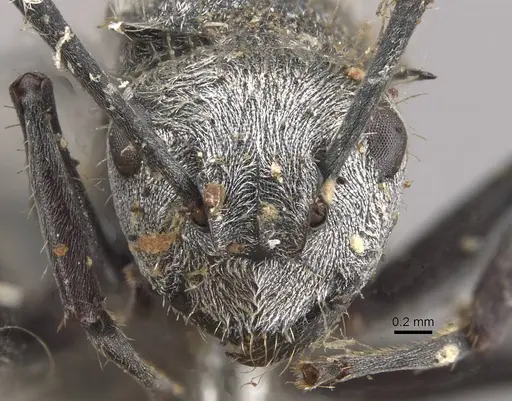
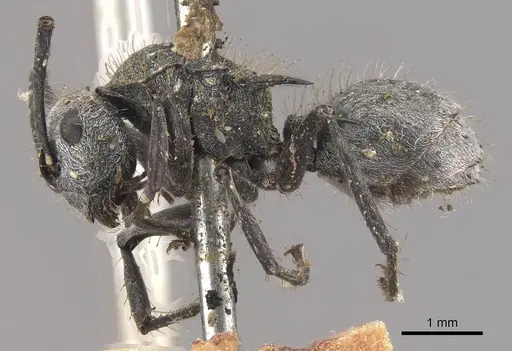
Polyrhachis gab is an ant species of the genus Polyrhachis. It is primarily documented in 1 countries , including Australia. Detailed taxonomic data and occurrence records can be further explored via authoritative databases such as AntWeb or the Global Biodiversity Information Facility (GBIF).
Polyrhachis gab
Polyrhachis gab is a medium-sized ant species native to Australia and New Guinea, belonging to the subgenus Chariomyrma. Workers measure approximately 5-8mm and possess the characteristic spines on the thorax that give Polyrhachis ants their common name of 'spiny ants.' The species shows typical coloration for the genus with a darker gaster and reddish-brown to golden-brown alitrunk. This ant is part of the Subordinate Camponotini functional group, indicating it occupies a non-dominant ecological niche in its native habitat. The species was originally described by Forel in 1879 and has since been recorded throughout northern Australia and into New Guinea, with recent findings expanding its known range to Timor and surrounding Wallacean islands.
Quick Summary
- Difficulty: Medium
- Origin & Habitat: Northern Australia and New Guinea in the Australasian region. This is a savanna species strongly associated with rocky habitats, commonly found in laterite and sandstone areas. They prefer low-lying islands and show significant associations with time-since-fire in sandstone environments [1][2].
- Colony Type: Colony structure is not well-documented in available research. Based on typical Polyrhachis patterns, colonies likely establish single queens (monogyne) but may have multiple queens in established colonies. The species is not known to be parasitic.
- Colony: Monogyne
- Founding: Claustral
- Size & Growth:
- Queen: Estimated 8-10mm based on typical Polyrhachis genus dimensions
- Worker: 5-8mm based on genus typical measurements
- Colony: Likely reaches several hundred workers based on related species in the genus
- Growth: Moderate, inferred from typical Polyrhachis development patterns
- Development: Estimated 6-10 weeks at optimal temperature based on genus-level data for related species (Polyrhachis species typically have cocooned pupae, which may slightly extend development time compared to cocoon-less Formicinae)
- Antkeeping:
- Temperature: Keep at 24-28°C. This species originates from tropical northern Australia and New Guinea, so warmth is important. A heating cable on one side of the nest creates a suitable gradient [1].
- Humidity: Moderate humidity around 50-70%. These ants nest in subterranean and lignicolous (wood) environments, so provide a moist nest substrate but avoid waterlogging. The species is found in both laterite and sandstone habitats indicating tolerance for varying soil conditions [3][4].
- Diapause: Likely minimal or no true diapause required. As a tropical/subtropical species from northern Australia, they may experience reduced activity during cooler dry seasons but probably do not need full hibernation. If kept in temperate climates, a cool period of 2-3 months at 15-18°C may be beneficial.
- Nesting: Subterranean and lignicolous nesting preferences mean they do well in Y-tong (AAC), plaster, or naturalistic setups with soil and wood pieces. Provide a nest with chambers deep enough for brood development and some damp substrate. They accept various nest materials but prefer enclosed spaces with some moisture retention [3][4].
- Behavior: Polyrhachis gab is a subordinate species within the Camponotini tribe, meaning it is generally less aggressive and avoids conflict with dominant ant species. Workers are active foragers but not particularly aggressive toward keepers. They have a moderate escape risk due to their medium size, standard escape prevention measures (fluon barriers, tight-fitting lids) are sufficient. The presence of cocooned pupae means they may be less mobile than some other Formicinae during transport. They are not known to be particularly defensive and rarely sting, making them manageable for intermediate keepers.
- Common Issues: colonies may be slow to establish, patience is needed during the founding phase, humidity control is important, too dry and brood dies, too wet and mold becomes an issue, wild-caught colonies may have parasites that affect captive survival, cocooned pupae require stable conditions, disturbances during pupal stage can cause issues, limited availability in the antkeeping hobby means established colonies may be difficult to source
Natural History and Distribution
Polyrhachis gab is endemic to the Australasian region, with a distribution spanning northern Australia and New Guinea. The species shows strong Australian affinity and represents one of the Polyrhachis species that has expanded beyond Australia's borders into Timor and surrounding Wallacean islands [2]. In Australia, they are classified as a savanna species associated with rocky habitats throughout the north. Research shows significant associations with laterite sites, and they are notably more common on low-lying islands compared to higher islands [1][5]. The species is part of the Subordinate Camponotini functional group, occupying a non-dominant ecological role in its native ecosystems.
Nesting Habits
Polyrhachis gab nests in subterranean and lignicolous (wood-inhabiting) locations, which is typical for the subgenus Chariomyrma [3][4]. In the wild, they likely nest in soil cavities, under rocks, or in rotting wood, common in both laterite and sandstone environments. For captive care, this translates well to Y-tong (AAC) nests, plaster nests with water channels, or naturalistic setups with a soil/earth mixture. The presence of pupal cocoons is notable, unlike many Formicinae that have naked pupae, Polyrhachis species spin cocoons around their pupae, which provides some protection but also means the pupal stage may be slightly longer [3][4].
Temperature and Heating
As a species from tropical northern Australia and New Guinea, Polyrhachis gab requires warm conditions to thrive. Keep the nest area at 24-28°C for optimal brood development. A heating cable placed on top of the nest (never underneath where it can dry out the substrate) creates a gentle temperature gradient allowing ants to self-regulate. Room temperature may be sufficient in warm climates (24°C+) but most keepers in temperate regions will need supplemental heating. Avoid temperatures below 20°C for extended periods as this can slow or stop brood development. The species shows tolerance for the variable conditions found in northern Australian savanna environments, but consistent warmth produces the best results [1].
Feeding and Diet
Polyrhachis ants are omnivorous, typically foraging for honeydew, nectar, and small insects. In captivity, offer a varied diet including sugar water or honey as a constant energy source, and protein sources such as small crickets, mealworms, or other insects 2-3 times per week. Based on typical Polyrhachis feeding behavior, they are generalist feeders that accept both sweet liquids and protein. Remove uneaten prey after 24-48 hours to prevent mold. Fresh water should always be available. The subordinate ecological status of this species suggests they are not aggressive foragers and may prefer less contested food sources.
Colony Establishment and Growth
Establishing a Polyrhachis gab colony requires patience. Queens are likely claustral, sealing themselves in a chamber to raise the first brood alone on stored fat reserves. The first workers (nanitics) will be smaller than mature workers and may take 6-10 weeks to emerge at optimal temperature. Colony growth is moderate, expect the first year to produce perhaps 20-50 workers, with growth accelerating in subsequent years as the colony reaches several hundred workers. The presence of cocooned pupae means you may not see visible progress as clearly as with naked-pupae species, but this is normal for the genus. Avoid disturbing founding colonies unnecessarily.
Frequently Asked Questions
How long does it take for Polyrhachis gab to raise first workers?
At optimal temperature (24-28°C), expect first workers (nanitics) to emerge in approximately 6-10 weeks. This is estimated based on typical Polyrhachis development patterns since specific timing for P. gab has not been documented.
What size nest do I need for Polyrhachis gab?
Start with a test tube setup for the founding queen. Once the colony reaches 30-50 workers, move to a small formicarium (Y-tong, plaster, or naturalistic). They prefer enclosed nests with moist substrate since they are subterranean/lignicolous nesters.
What temperature is ideal for Polyrhachis gab?
Keep them at 24-28°C. This tropical/subtropical species needs warmth for proper brood development. A heating cable on top of the nest can help maintain stable temperatures.
Is Polyrhachis gab good for beginners?
This species is rated as Medium difficulty. While not as challenging as some exotic species, they do require attention to temperature and humidity. They are more forgiving than some but not ideal for complete beginners.
How big do Polyrhachis gab colonies get?
Based on related species, colonies likely reach several hundred workers over 2-3 years. They are not among the largest Polyrhachis species but can become substantial colonies.
Does Polyrhachis gab need hibernation?
As a tropical species, they likely do not require true hibernation. In temperate climates, a cool period (15-18°C for 2-3 months) during winter may be beneficial to simulate seasonal slowdown, but full hibernation is not necessary.
What do Polyrhachis gab eat?
They are omnivorous. Offer sugar water or honey constantly, and protein (small insects like crickets or mealworms) 2-3 times per week. They are generalist feeders similar to other Polyrhachis species.
Can I keep multiple Polyrhachis gab queens together?
This has not been documented for the species. Based on typical genus behavior, single-queen colonies are most common. Combining unrelated foundress queens is not recommended as it may lead to aggression.
Why are my Polyrhachis gab pupae not hatching?
Polyrhachis species have cocooned pupae which take longer than naked pupae. Ensure temperature is warm (24-28°C), humidity is appropriate (moist but not wet), and avoid disturbing the nest. If pupae mold or shrivel, humidity may be too high or low.
References

This caresheet is licensed under CC BY-SA 4.0 .
CASENT0281358
View on AntWeb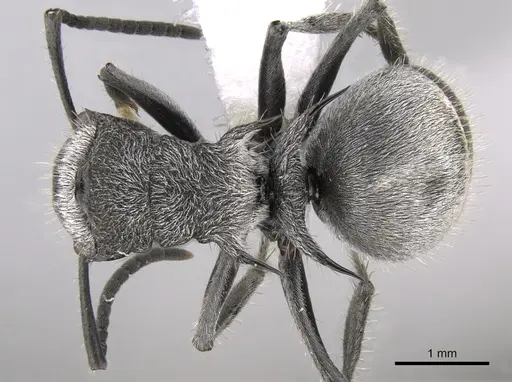
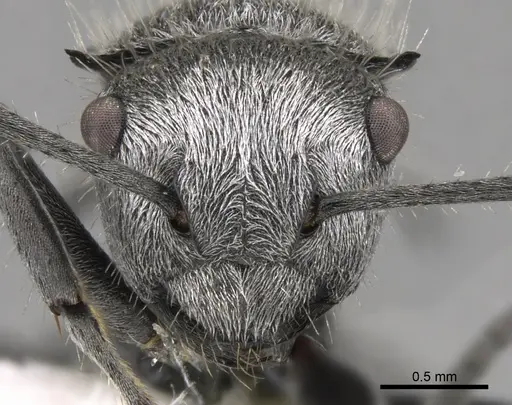
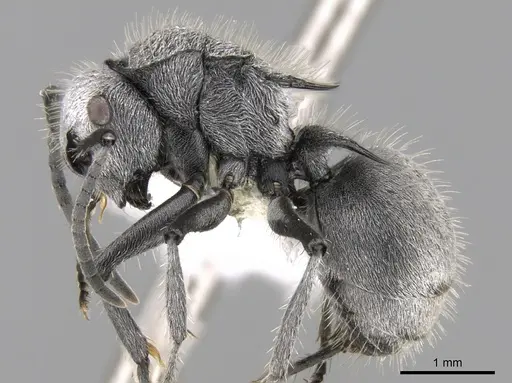
CASENT0910822
View on AntWeb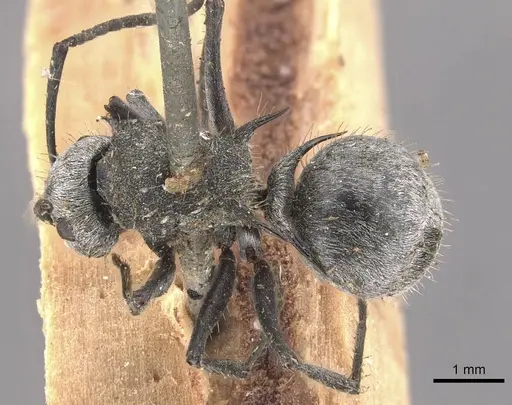
Literature
Loading...Loading products...