

Polyrhachis furcata
- Scientific Name
- Polyrhachis furcata
- Subgenus
- Myrmhopla
- Tribe
- Camponotini
- Subfamily
- Formicinae
- Author
- Smith, 1858
- Distribution
- Found in 6 countries
Polyrhachis furcata Overview
Polyrhachis furcata is an ant species of the genus Polyrhachis. It is primarily documented in 6 countries , including Brunei Darussalam, China, Indonesia. Detailed taxonomic data and occurrence records can be further explored via authoritative databases such as AntWeb or the Global Biodiversity Information Facility (GBIF).
Polyrhachis furcata
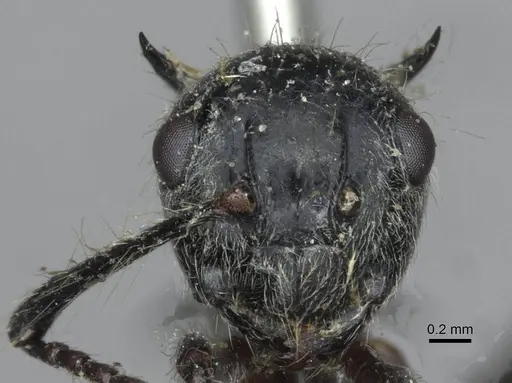
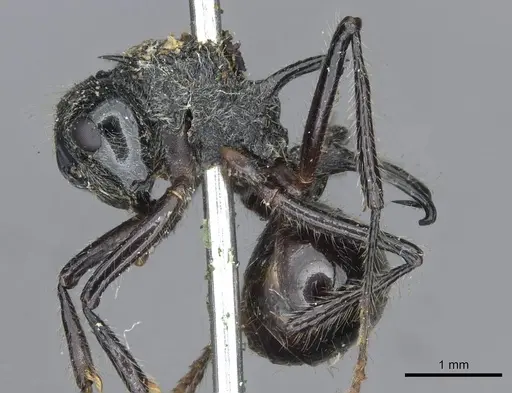
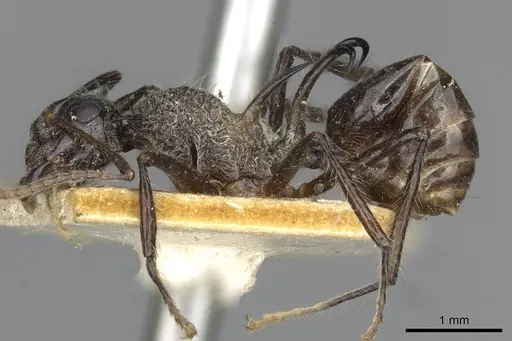
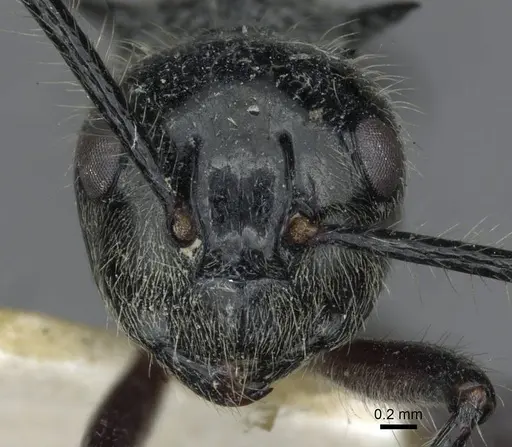
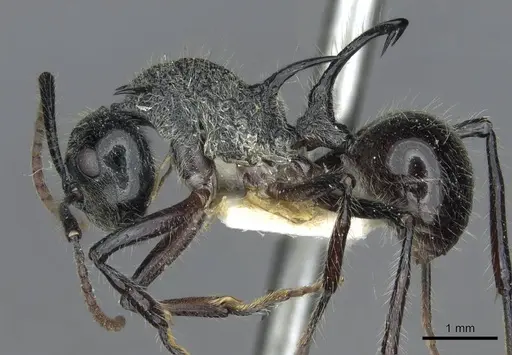
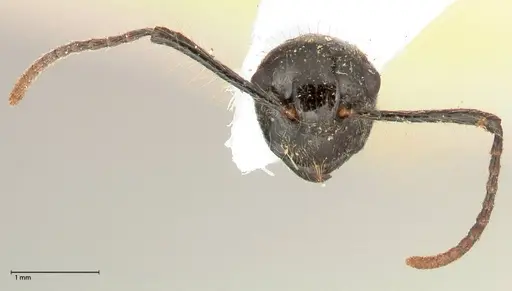
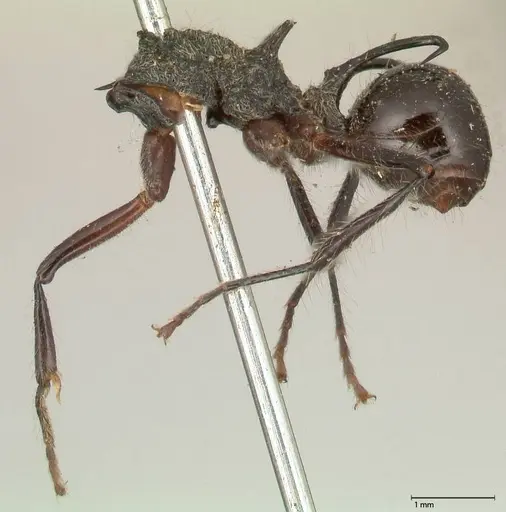
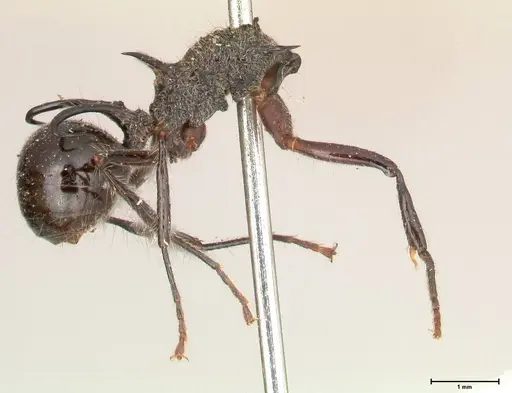
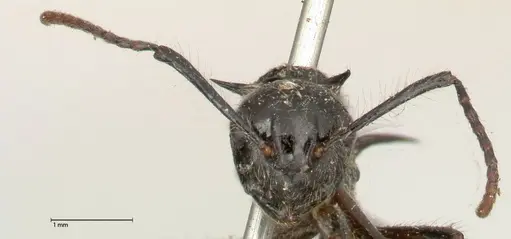
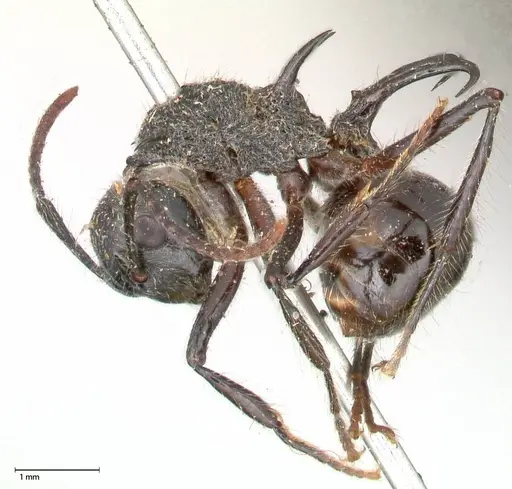
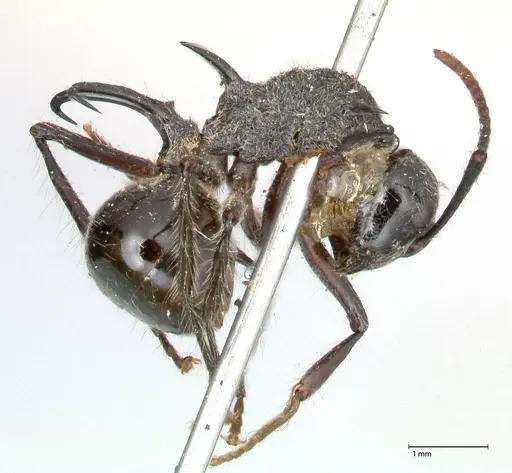
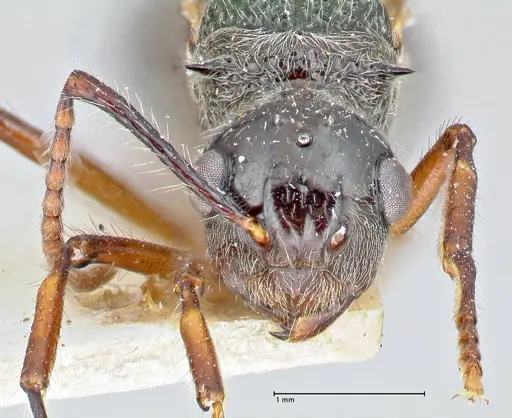
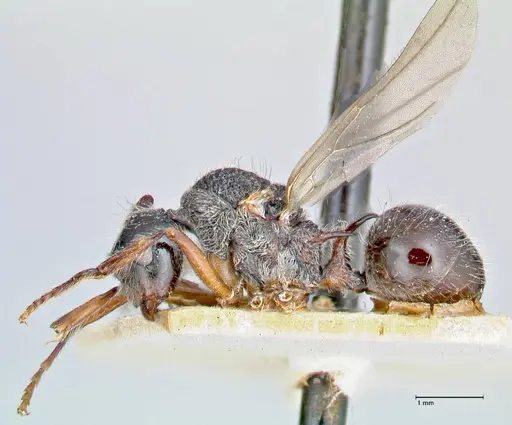
Polyrhachis furcata is a distinctive arboreal ant species native to Southeast Asia and the Indo-Malayan region. Workers measure 5-6mm and are easily recognized by their black body with reddish-brown legs and abdomen, combined with prominent spines on the thorax and petiole. The pronotal spines point forward and outward, while the metanotal spines are longer and curve backward. These ants nest in trees, using silk to bind leaves and debris together into protective structures, a behavior common to the Myrmhopla subgenus [1][2]. Colonies are polydomous, meaning they maintain multiple connected nests across their territory [3]. This species is a habitat specialist found only in primary forest and mixed deciduous forest environments, not in secondary growth or agricultural areas [4][5].
Quick Summary
- Difficulty: Medium
- Origin & Habitat: Native to Southeast Asia including Borneo, Cambodia, India, Indonesia, Malaysia, Myanmar, Philippines, Thailand, and southern China (Yunnan). Found in primary forest and mixed deciduous forest at elevations up to around 1000m. This is a habitat specialist that requires intact forest environments [4][5][6].
- Colony Type: Monogyne, colonies have a single queen. Polydomous, the colony maintains multiple connected nests in the canopy [7][3].
- Colony: Monogyne
- Size & Growth:
- Queen: Unconfirmed, no specific measurements found in research data
- Worker: 5-6mm [1]
- Colony: Unknown, not documented in available research
- Growth: Moderate, based on typical Polyrhachis patterns
- Development: Estimated 8-12 weeks based on related Polyrhachis species development [4]. Polyrhachis generally have moderate development times compared to other Formicinae. (Development time is estimated from genus-level patterns since species-specific data is unavailable. Cocoons are present in this species [2].)
- Antkeeping:
- Temperature: Keep at 24-28°C. This species comes from tropical forests and prefers warm, stable conditions. A gentle temperature gradient allows workers to regulate their body temperature [8].
- Humidity: Moderate to high, arboreal ants prefer humid conditions. Provide a water source and keep the outworld slightly moist but allow drying periods to prevent mold. The naturalistic setup should mimic canopy conditions with good ventilation.
- Diapause: No, as a tropical species, they do not require hibernation. Maintain warm temperatures year-round.
- Nesting: Arboreal nester, requires a naturalistic setup with vertical space for nest building. Use a formicarium with plants, branches, or leaves where they can construct silk nests. A Y-tong or acrylic nest with attached outworld works, but they need access to elevated structures for natural nest-building behavior [2][7].
- Behavior: Generally calm and non-aggressive compared to many ants. Workers forage in groups and use short-term recruitment trails to food sources. They collect honeydew from trophobionts, extrafloral nectar, and small prey [3]. They are arboreal and spend most of their time in elevated nests. Escape risk is moderate, they are not strong climbers like some Polyrhachis, but they will explore and may escape from poorly secured setups. Their small size (5-6mm) means gaps in barrier equipment should be minimized.
- Common Issues: habitat specialist stress, wild-caught colonies often fail because they cannot adapt to captive environments different from primary forest, zombie fungus susceptibility, this species is a known host for Ophiocordyceps polyrhachis-furcata, monitor for unusual fungal infections [9][10], polydomous colony stress, they may struggle in single-nest setups when evolved to maintain multiple connected nests, humidity imbalance, too dry causes desiccation, too wet promotes mold in arboreal setups, escape prevention, while not extreme climbers, they will explore and find small gaps
Housing and Nest Setup
Polyrhachis furcata requires arboreal-style housing that mimics their natural canopy-dwelling lifestyle. These ants do best in naturalistic setups with live or artificial plants, branches, or other elevated structures where they can build silk nests. The key requirement is vertical space, they need to climb and construct nests above ground level. A formicarium with an attached outworld containing climbing structures works well. You can also use a Y-tong or acrylic nest connected to a vertically-oriented outworld with plants or branches. The nest area should be humid but well-ventilated to prevent mold. Provide a water source like a test tube with cotton, and mist the outworld occasionally to maintain humidity. Because they are polydomous (maintaining multiple nests), providing multiple potential nest sites may help them feel more comfortable [2][7][3].
Feeding and Diet
Like most Polyrhachis species, P. furcata is an omnivore with a preference for sweet liquids and protein. Workers forage for trophobionts (honeydew-producing insects like aphids and scale insects), extrafloral nectar, small prey, and dead insects [3]. In captivity, offer sugar water or honey water as a constant energy source. For protein, provide small insects like fruit flies, pinhead crickets, or mealworms. They are not aggressive predators but will scavenge dead insects. Feed protein sources 2-3 times per week, and keep sugar water available at all times. Remove uneaten food after 24-48 hours to prevent mold. Some keepers report that Polyrhachis accept fruit occasionally, but protein should form the bulk of their diet.
Temperature and Seasonal Care
As a tropical species from Southeast Asia, Polyrhachis furcata requires warm temperatures year-round. Keep the nest area at 24-28°C, with a slight gradient if possible so workers can regulate their own temperature. Room temperature in most homes (20-24°C) may be too cool, consider using a heating cable or mat on one side of the nest to maintain warmth. Do not allow temperatures to drop below 20°C for extended periods. Unlike temperate species, they do not require diapause or hibernation. Maintain consistent warmth throughout the year. Avoid placing the setup near air conditioning vents or drafty windows that could cause temperature fluctuations [8].
Colony Structure and Behavior
Polyrhachis furcata colonies are monogyne (single queen) and polydomous (multiple connected nests). Workers are moderate-sized at 5-6mm and have distinctive spines on the thorax and petiole. The species uses group recruitment, when a forager finds a good food source, it recruits nestmates using short-term trails rather than the tandem-running seen in some other ants [3]. They are generally calm and less aggressive than many ant species. Workers are active foragers that will explore the outworld in search of food. The colony may expand to multiple nest sites as it grows, which is their natural behavior. This polydomous structure means they may be stressed in single-nest setups that don't allow them to spread out [7][3].
Health Concerns and Parasites
One important consideration for P. furcata is their susceptibility to zombie-ant fungi. This species is a known host for Ophiocordyceps polyrhachis-furcata, a specialized parasitic fungus that manipulates ant behavior [9][10][11]. While this is primarily a concern in their natural habitat, wild-caught colonies may carry infections. Watch for workers acting strangely, clinging to vegetation, or showing fungal growth. If you notice such signs, isolate the affected ant and maintain clean conditions. Additionally, as a primary forest specialist, wild-caught colonies often struggle in captivity due to stress from habitat change. Captive-bred colonies tend to adapt better to captive conditions.
Growth and Development
Polyrhachis furcata has cocoons rather than naked pupae, which is typical for the genus [2]. The development timeline from egg to worker is estimated at 8-12 weeks based on related Polyrhachis species, though specific data for this species is not available. First workers (nanitics) are typically smaller than mature workers. Colony growth is moderate, these ants don't have the explosive growth rates of some tropical species. The queen lays eggs continuously in warm conditions, and brood development slows if temperatures drop. Patience is key with this species, as colonies take time to establish. The polydomous nature means the colony will naturally want to expand to multiple nest sites as it grows [3].
Frequently Asked Questions
Can I keep Polyrhachis furcata in a test tube setup?
Test tubes can work for founding colonies but are not ideal long-term. This is an arboreal species that naturally builds silk nests in elevated locations. For established colonies, a naturalistic setup with climbing structures or a formicarium with vertical space is better. If using test tubes, provide an outworld with branches or plants where they can climb and explore.
How long until first workers in Polyrhachis furcata?
Based on related Polyrhachis species, expect first workers (nanitics) around 8-12 weeks after the queen lays eggs, assuming optimal temperatures of 24-28°C. This is an estimate since species-specific development data is not available. The timeline may vary based on temperature and feeding.
Are Polyrhachis furcata good for beginners?
This species is rated as medium difficulty. While not as challenging as some exotic species, they do have specific requirements, arboreal nesting, warm temperatures, and primary forest habitat specialization. Beginners should research their needs thoroughly. Captive-bred colonies adapt better than wild-caught ones.
Can I keep multiple queens together?
No. Polyrhachis furcata is monogyne, colonies have a single queen. Multiple queens will fight, and only one will survive to lead the colony. If you acquire a colony, assume it has one queen unless you observe otherwise.
What do Polyrhachis furcata eat?
They are omnivores. Offer sugar water or honey water constantly as an energy source. For protein, provide small insects like fruit flies, small crickets, or mealworms 2-3 times per week. They also collect honeydew and will scavenge dead insects. Remove uneaten food after 24-48 hours.
Do Polyrhachis furcata need hibernation?
No. As a tropical species from Southeast Asia, they do not require hibernation or diapause. Keep them warm year-round at 24-28°C. Temperatures below 20°C for extended periods can stress or harm the colony.
Why are my Polyrhachis furcata dying?
Common causes include: temperature too cold (below 20°C), humidity imbalance (too dry or too wet/moldy), stress from habitat change (especially wild-caught colonies), fungal infection (Ophiocordyceps), or poor nutrition. Ensure warm temperatures, proper humidity, and varied diet. Wild-caught colonies have high mortality rates due to capture stress.
When should I move them to a formicarium?
Move to a larger setup when the test tube is crowded or when the colony has 20-30 workers. For this arboreal species, choose a naturalistic setup with climbing opportunities rather than a simple horizontal nest. They appreciate having multiple chambers and vertical space.
How big do Polyrhachis furcata colonies get?
Colony size data is not available in research literature. Based on related species, moderate-sized colonies of a few hundred workers are typical. They are polydomous, meaning the colony naturally spreads across multiple connected nests rather than concentrating in one large nest.
References

This caresheet is licensed under CC BY-SA 4.0 .
CASENT0903376
View on AntWeb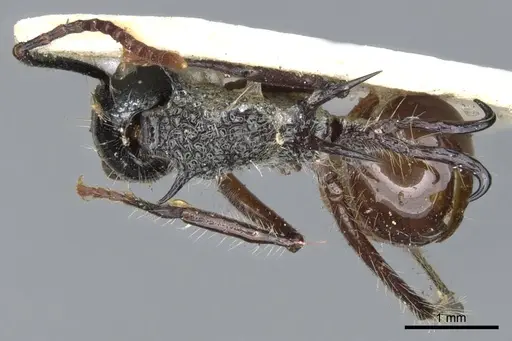
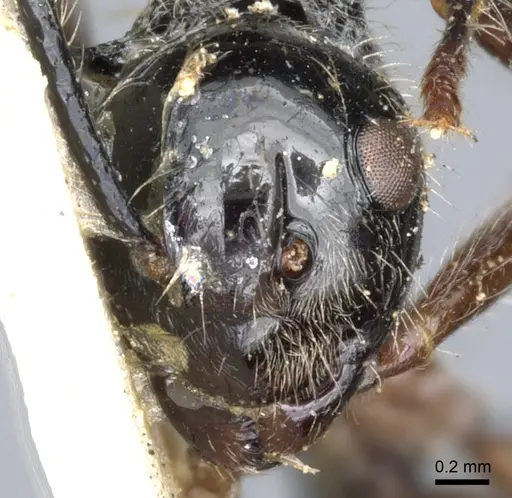
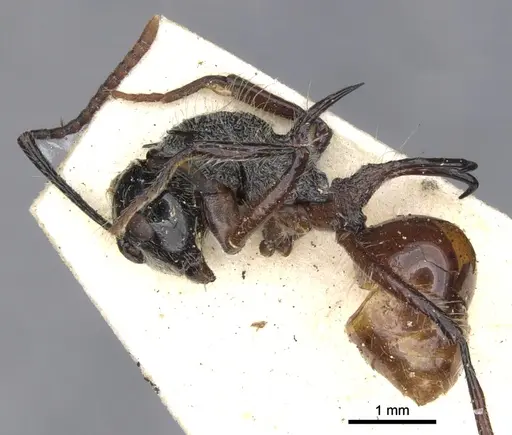
CASENT0910864
View on AntWeb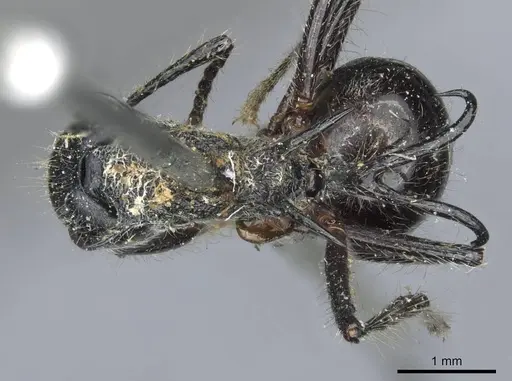
CASENT0910865
View on AntWeb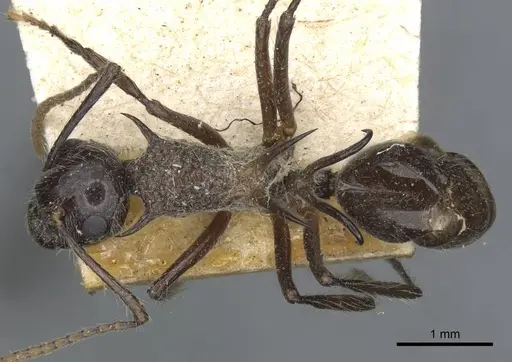
CASENT0910867
View on AntWeb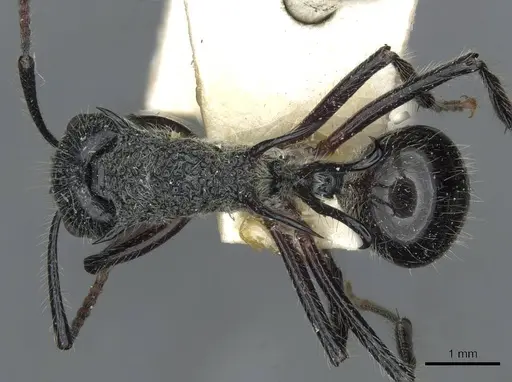
FOCOL0571
View on AntWeb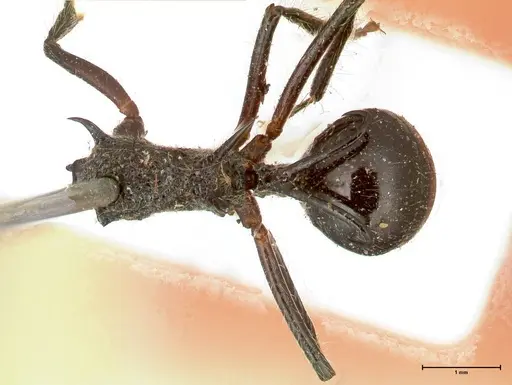
FOCOL0572
View on AntWeb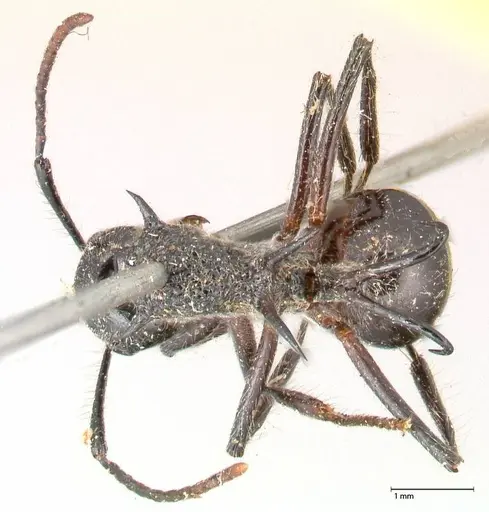
FOCOL2653
View on AntWeb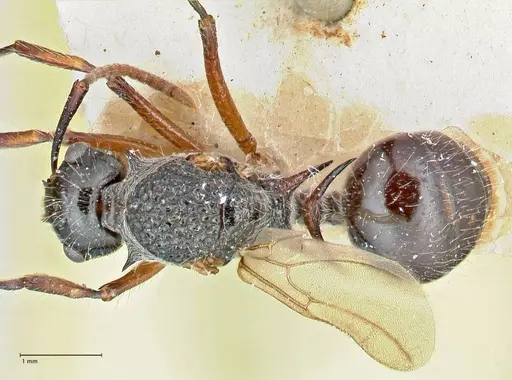
Literature
Loading...Loading products...