

Polyrhachis flavibasis
- Scientific Name
- Polyrhachis flavibasis
- Subgenus
- Campomyrma
- Tribe
- Camponotini
- Subfamily
- Formicinae
- Author
- Clark, 1930
- Common Name
- Northern Broad-nosed Spiny Ant
- Distribution
- Found in 1 countries
Polyrhachis flavibasis Overview
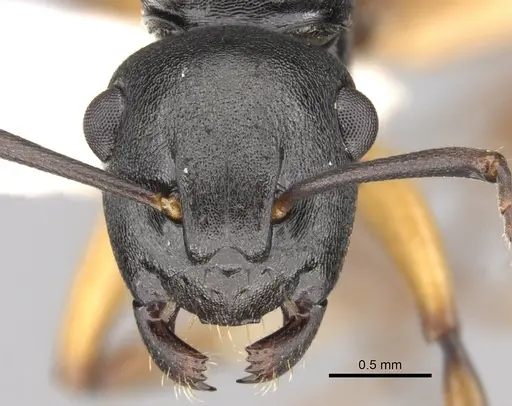
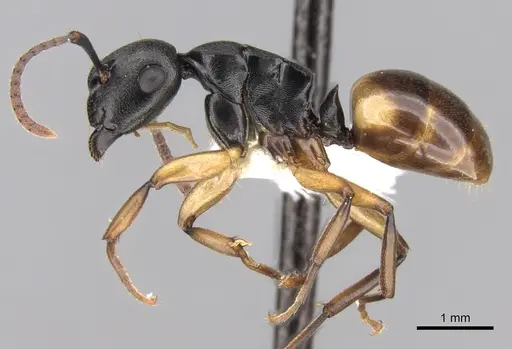
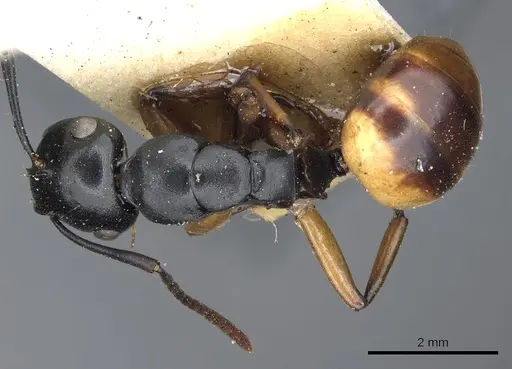
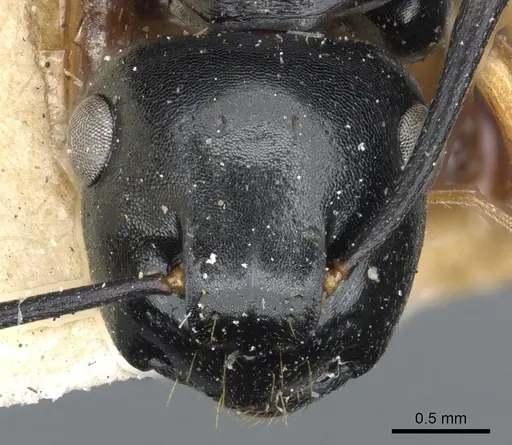
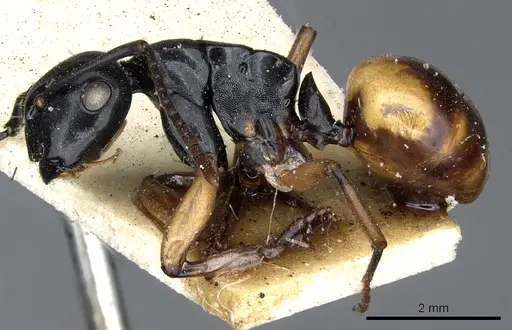
Polyrhachis flavibasis (commonly known as the Northern Broad-nosed Spiny Ant) is an ant species of the genus Polyrhachis. It is primarily documented in 1 countries , including Australia. Detailed taxonomic data and occurrence records can be further explored via authoritative databases such as AntWeb or the Global Biodiversity Information Facility (GBIF).
Polyrhachis flavibasis - "Northern Broad-nosed Spiny Ant"
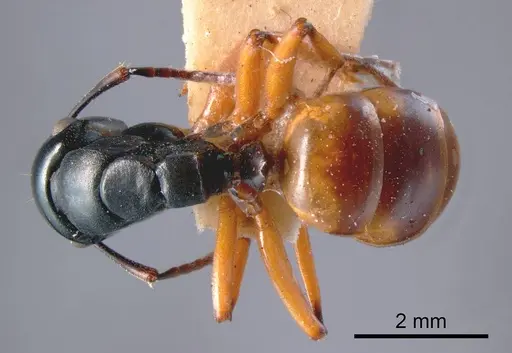
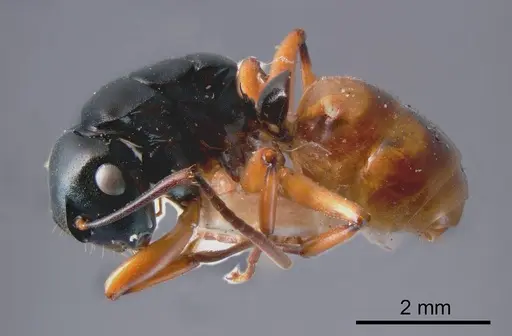
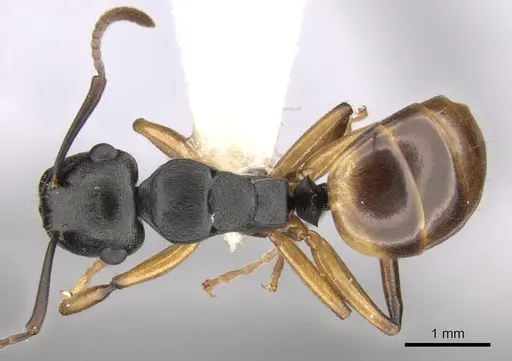
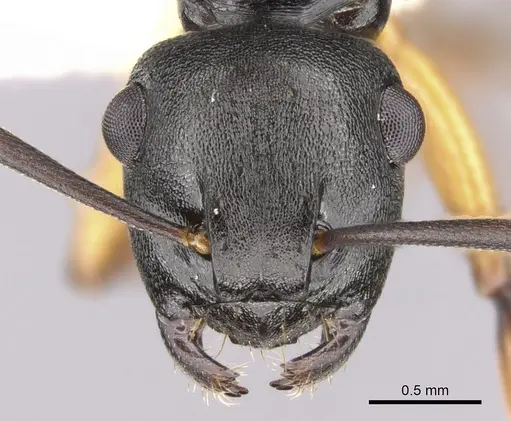
Polyrhachis flavibasis is an Australian ant species belonging to the subgenus Campomyrma, commonly known as spiny ants due to their characteristic spines on the thorax. Workers measure approximately 6-10mm with a distinctive dark body and yellowish or amber-colored bases on their legs, which gives the species its name ('flavibasis' means yellow base). Queens are larger at 10-12mm and similarly marked. This species nests in rotting wood and constructs distinctive carton entrances to their nests, using plant material and debris to create protective structures at the nest opening [1][2]. They are found throughout southeastern Australia, particularly in the humid subtropical regions of Queensland and northern New South Wales.
Quick Summary
- Difficulty: Medium
- Origin & Habitat: Southeastern Australia, specifically Queensland and northern New South Wales. They inhabit rainforest and wet sclerophyll forest environments where they nest in rotting wood [3][4].
- Colony Type: Likely monogyne (single queen colonies) based on typical Polyrhachis patterns, though this is not directly documented for this specific species.
- Colony: Monogyne
- Founding: Claustral
- Size & Growth:
- Queen: 10-12mm (estimated from genus patterns)
- Worker: 6-10mm [5]
- Colony: Estimated several hundred workers based on related species
- Growth: Moderate, typical for Polyrhachis species
- Development: Estimated 6-8 weeks at optimal temperature based on genus patterns (Development time inferred from related Polyrhachis species, specific data for P. flavibasis is unavailable)
- Antkeeping:
- Temperature: Keep at 22-26°C. As a subtropical rainforest species from southeast Queensland, they prefer warm, stable conditions with a gentle temperature gradient [3].
- Humidity: Moderate to high humidity (60-80%). Their natural rainforest habitat means they prefer damp conditions but not waterlogged. Provide a moist nest substrate and occasional misting.
- Diapause: Likely required. As a Bassian species from southeastern Australia, they likely experience cooler winters and benefit from a reduced temperature period (15-18°C) for 2-3 months during winter months.
- Nesting: Lignicolous (wood-nesting). In captivity, they do well in naturalistic setups with rotting wood or cork bark, or Y-tong/plaster nests with moisture chambers. They construct carton nest entrances, so providing materials they can work with is beneficial [1].
- Behavior: Generally calm and non-aggressive for a spiny ant. Workers are active foragers that search for honeydew and small prey. They have spines for defense but rarely sting. Escape risk is moderate, use standard barrier methods. As subordinate Camponotini, they are less aggressive than some related species [4].
- Common Issues: wood nesting means they need appropriate nest materials, test tubes alone may not be ideal, rainforest origin means they need higher humidity than desert species, dry conditions cause colony decline, slow growth compared to tropical species may frustrate beginners expecting rapid expansion, carton nest building behavior may cause them to modify their enclosure, provide suitable materials, subtropical origin means they need winter rest, keeping them warm year-round may shorten lifespan
Housing and Nest Preferences
Polyrhachis flavibasis is a lignicolous (wood-nesting) species that naturally nests in rotting wood, tree hollows, and similar cavities in humid forest environments [1][2]. In captivity, they do best in naturalistic setups that mimic their natural arboreal habitat. A Y-tong (acrylic) nest with moisture chambers works well, as does a cork bark or naturalistic formicarium filled with pre-drilled chambers in rotting wood. The key requirement is that the nest material can hold moisture without becoming waterlogged. These ants also construct carton entrances, they use plant fibers and debris to build protective structures at nest openings [1]. Providing small pieces of plant material or cotton fibers allows them to express this natural building behavior. Avoid completely dry setups, their rainforest origins mean they need consistent moisture.
Feeding and Diet
Like most Polyrhachis species, P. flavibasis is an omnivore that feeds on honeydew, nectar, and small insects in the wild. In captivity, offer a varied diet including sugar water or honey as a constant energy source, and protein-rich foods like small crickets, mealworms, or fruit flies 2-3 times per week. They are not aggressive predators but will readily accept small prey items. Fresh fruit occasionally offered is also typically accepted. As a rainforest species, they may have higher humidity requirements but standard ant feeding protocols apply. Remove uneaten prey after 24-48 hours to prevent mold issues in the humid setup they require. [5]
Temperature and Seasonal Care
As a subtropical species from southeast Queensland, Polyrhachis flavibasis prefers warm conditions in the range of 22-26°C [3]. This aligns with their natural habitat in Australia's humid subtropics where temperatures remain moderate year-round. Provide a temperature gradient so ants can self-regulate, a heating cable on one side of the nest creating a few degrees difference works well. During winter months (roughly June-August in Australia, corresponding to Northern Hemisphere December-February), consider reducing temperatures to 15-18°C to simulate their natural seasonal cycle. This winter rest period is likely important for colony health and longevity, as the Bassian biogeographic affinity suggests adaptation to seasonal temperature variations [4]. Do not keep them warm year-round as this may stress the colony and reduce lifespan.
Behavior and Temperament
Polyrhachis flavibasis belongs to the Subordinate Camponotini functional group, meaning they are generally less aggressive than dominant ant species [4]. Workers are active foragers but not particularly territorial or aggressive toward keepers. Their main defense mechanism is their spiny thorax, which makes them difficult for predators to handle, they may prick gently if handled roughly, but significant sting reports are uncommon for this genus. They are moderate escape artists, standard barrier methods like Fluon on the rim of the outworld are sufficient. Workers are reasonably active and will establish foraging trails to food sources. Colonies are not known for being particularly fast-growing, so patience is required during the founding stage and early colony development.
Colony Development
Polyrhachis species typically have claustral founding, where the queen seals herself in a chamber and raises the first brood using stored fat reserves without foraging [1]. The pupal stage is cocooned, which is characteristic of the Campomyrma subgenus [1][2]. First workers (nanitics) are typically smaller than mature workers but will immediately begin foraging to support colony growth. Based on genus patterns, expect 6-8 weeks from egg to first worker at optimal temperature (around 24-26°C). Colony growth is moderate, not as fast as some tropical species but steady once established. A mature colony may reach several hundred workers over several years. The presence of carton nest-building behavior means colonies may modify their enclosure, which is normal and not a cause for concern.
Frequently Asked Questions
How long does it take for Polyrhachis flavibasis to produce first workers?
Based on typical Polyrhachis development, expect 6-8 weeks from egg to first worker at optimal temperature (24-26°C). This is an estimate as specific development data for this species is not available.
What do Polyrhachis flavibasis ants eat?
They are omnivores. Offer sugar water or honey as a constant energy source, and protein foods like small crickets, mealworms, or fruit flies 2-3 times per week. They will also accept occasional fruit.
Are Polyrhachis flavibasis good for beginners?
They are rated as medium difficulty. They require higher humidity and warm conditions, and need a winter rest period. They are not as challenging as some tropical species but require more attention to humidity than desert-dwelling ants.
Do Polyrhachis flavibasis need hibernation?
Yes, they likely benefit from a winter rest period. As a Bassian species from southeastern Australia, reduce temperatures to 15-18°C for 2-3 months during winter to mimic their natural seasonal cycle.
What type of nest is best for Polyrhachis flavibasis?
They are lignicolous (wood-nesting), so naturalistic setups with rotting wood, cork bark, or Y-tong/plaster nests with moisture chambers work best. They also construct carton entrances, so providing small plant materials allows natural behavior.
How big do Polyrhachis flavibasis colonies get?
Based on related species, colonies likely reach several hundred workers over several years. They are not among the largest Polyrhachis species.
Can I keep multiple Polyrhachis flavibasis queens together?
This species is likely monogyne (single queen). Combining unrelated queens is not recommended as they would likely fight. If you acquire a colony, assume single-queen structure.
Where is Polyrhachis flavibasis found in the wild?
They are native to southeastern Australia, particularly Queensland and northern New South Wales. Their natural habitat is rainforest and wet sclerophyll forest where they nest in rotting wood [3][4].
Why is my Polyrhachis flavibasis colony declining?
Common causes include: too dry conditions (they need 60-80% humidity), temperatures too low or too high, lack of protein in diet, or stress from disturbance. Check humidity levels first as dry conditions quickly harm rainforest species.
References

This caresheet is licensed under CC BY-SA 4.0 .
Literature
Loading...Loading products...