

Polyrhachis fervens
- Scientific Name
- Polyrhachis fervens
- Subgenus
- Hedomyrma
- Tribe
- Camponotini
- Subfamily
- Formicinae
- Author
- Smith, 1860
- Distribution
- Found in 2 countries
Polyrhachis fervens Overview
Polyrhachis fervens is an ant species of the genus Polyrhachis. It is primarily documented in 2 countries , including Australia, Papua New Guinea. Detailed taxonomic data and occurrence records can be further explored via authoritative databases such as AntWeb or the Global Biodiversity Information Facility (GBIF).
Polyrhachis fervens
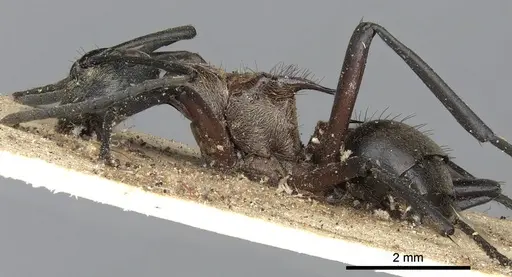
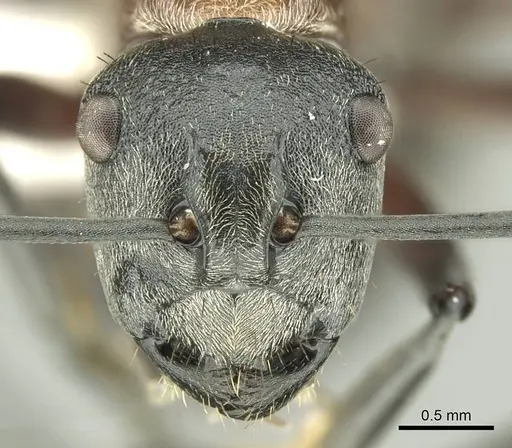
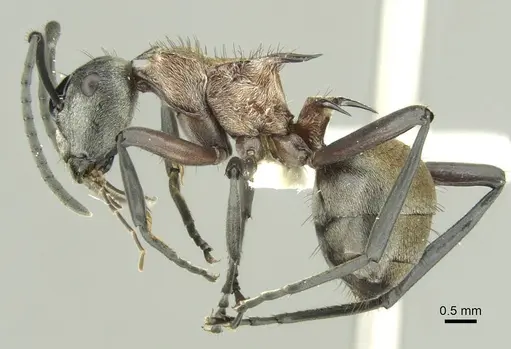
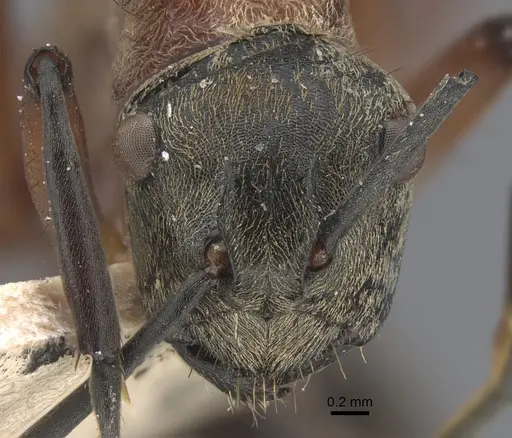
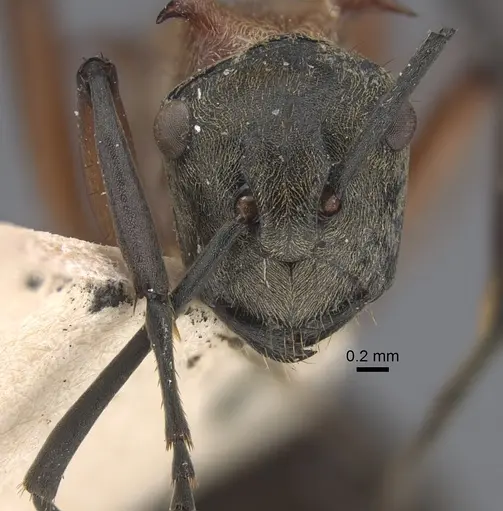
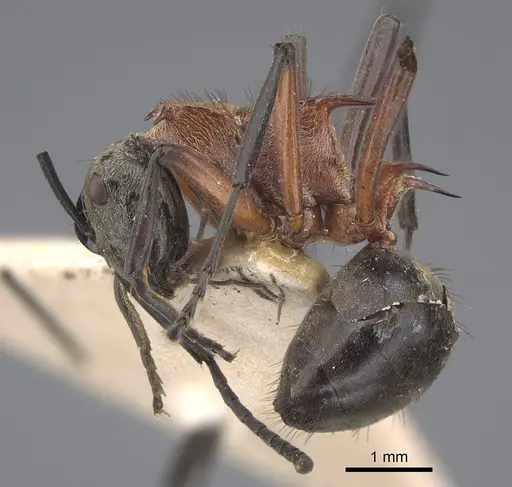
Polyrhachis fervens is a distinctive spiny ant found across the Australasian region, from eastern Indonesia through New Guinea to northern Queensland, Australia. Workers measure approximately 6-7mm and feature a striking bicolored pattern: the head and antennae are black, while the thorax, petiole, and femora are a light reddish-brown, with the gaster and tibiae noticeably darker. This species is easily recognized by its multiple spines, two on the prothorax, two on the metathorax, and curved spines on the petiole node. Unlike many Polyrhachis species that use larval silk for nest construction, P. fervens has uniquely reverted to arboreal nesting by inhabiting the dry hollow stems of bamboo, representing a secondary transition from subterranean to arboreal living [1][2].
Quick Summary
- Difficulty: Medium
- Origin & Habitat: Native to the Australasian region, found across eastern Indonesia (Halmahera, Seram, Ambon, Sulawesi), New Guinea, and northern Queensland, Australia. Inhabits lowland rainforests at locations like Bamaga and Iron Range in Cape York Peninsula [1][3].
- Colony Type: Colony structure is unconfirmed. Polyrhachis species are typically single-queen (monogyne) colonies, though some species in the genus can be polygynous. The genus generally produces cocooned pupae.
- Size & Growth:
- Queen: Unconfirmed, estimated 8-10mm based on genus patterns
- Worker: Approximately 6-7mm (3 lines) [4]
- Colony: Unconfirmed, typical Polyrhachis colonies reach several hundred workers
- Growth: Moderate
- Development: Estimated 6-8 weeks at tropical temperatures based on genus patterns (Development time inferred from related Polyrhachis species, direct data unavailable for this species)
- Antkeeping:
- Temperature: Keep at 24-28°C, these are tropical ants from rainforest habitats requiring warm, stable conditions. A heating cable on one side of the nest can provide a gentle gradient.
- Humidity: Moderate to high humidity around 60-80%. Their natural bamboo nesting habitat suggests they prefer slightly drier conditions inside the nest cavity compared to the surrounding rainforest humidity. Provide a water tube for drinking water.
- Diapause: No, as a tropical species from lowland rainforests, they do not require hibernation. Keep temperatures consistent year-round.
- Nesting: Arboreal nester, in captivity they do well in acrylic nests, Y-tong (AAC) nests, or naturalistic setups with bamboo sections. They prefer enclosed spaces that mimic the hollow bamboo internodes they use in the wild. Avoid soil-based nests as they are adapted to arboreal life [1].
- Behavior: Generally calm and non-aggressive compared to some other Formicinae. Workers are active foragers that search for food across surfaces. They have a functional sting but are not known for aggressive swarming. Their small size and active foraging means escape prevention should be moderate, they are not tiny but can squeeze through small gaps. The spines provide some defense but these ants are not considered dangerous to keepers.
- Common Issues: tropical species requires consistent warmth, temperatures below 22°C can slow activity and may stress colonies, arboreal nature means they may reject ground-level foraging areas, provide enrichment and multiple levels, wild-caught colonies may carry parasites or diseases that affect captive survival, nesting in bamboo means they prefer enclosed, dark spaces, open observation chambers may cause stress, cocoon-raising means they need appropriate substrate or surfaces to spin their pupae
Housing and Nest Preferences
Polyrhachis fervens is an arboreal species that naturally nests in the dry hollow stems of bamboo [1]. In captivity, they do well in acrylic formicaria, Y-tong (AAC) nests, or custom setups that provide enclosed spaces. Unlike ground-nesting ants, they prefer vertical or elevated nesting options that mimic their natural bamboo habitat. A naturalistic setup with actual bamboo sections can work well, simply cut sections of bamboo with sealed ends and provide an entrance hole. The nest should be dark and enclosed, as these ants prefer privacy. An outworld area for foraging should be connected to the nest with tubing. Because they are arboreal, they may not use a traditional soil formicarium and may prefer multi-level or elevated setups.
Feeding and Diet
Like most Polyrhachis species, P. fervens is an omnivore that accepts both protein and sugar sources. In the wild, they forage for honeydew from aphids and scale insects, and hunt small insects. In captivity, offer a varied diet including sugar water or honey as a constant energy source, and protein sources like small crickets, mealworms, or other insects. Feed protein 2-3 times per week, removing uneaten prey after 24 hours. Fresh water should always be available. These ants are active foragers, so ensure food is accessible in the outworld area. Some keepers report that Polyrhachis species prefer liquid or semi-liquid foods, so consider offering honey diluted with water or protein jelly.
Temperature and Humidity
As a tropical species from lowland rainforests in Indonesia, New Guinea, and northern Australia, P. fervens requires warm and humid conditions. Maintain temperatures between 24-28°C consistently throughout the year, they do not tolerate cool conditions well. A slight temperature gradient (warm end around 28°C, cooler around 24°C) allows the colony to self-regulate. For humidity, aim for 60-80% relative humidity in the nest area. Since they nest in dry bamboo in the wild, the nest interior can be slightly drier than the surrounding environment, but the overall setup should maintain moisture. A water tube attached to the nest provides drinking water and helps maintain humidity through evaporation. Avoid temperatures below 22°C as this can cause lethargy and colony stress. [1][3]
Behavior and Colony Dynamics
Polyrhachis fervens workers are active and alert, typically foraging individually or in small groups rather than forming large raiding columns. They are not particularly aggressive and will flee rather than engage when threatened. The spines on their thorax and petiole serve as physical defense against predators. This species produces cocooned pupae, which is somewhat unusual among Formicinae as many related genera have naked pupae. Workers will tend the cocoons carefully, and the presence of silk-spinning ability (even if not used for nest construction in this species) indicates complex colony behaviors. Colonies grow moderately, expect several months to reach 50+ workers. The bicolored workers are distinctive and make this species visually appealing for antkeepers interested in exotic tropical species. [2][4]
Seasonal Care
Unlike temperate ant species, P. fervens does not require a diapause or hibernation period. They come from a stable tropical environment where temperatures remain warm year-round. Keep their setup at consistent temperatures throughout the year, avoiding seasonal reductions. If your room temperature drops below 24°C during winter, consider using a small heating mat or cable to maintain warmth. The dry season/wet season patterns in their native range may cause slight seasonal variations in activity, but captive colonies typically remain active year-round with proper heating. Monitor water consumption, as humidity needs may vary slightly with seasonal temperature changes. [1][3]
Frequently Asked Questions
Can I keep Polyrhachis fervens in a test tube?
Test tubes can work for founding colonies, but these arboreal ants prefer enclosed spaces that mimic bamboo. A test tube setup should only be temporary, transfer to a proper nest (acrylic, Y-tong, or naturalistic) once the colony reaches 15-20 workers. The enclosed nature of test tubes actually suits their preference for dark, tight spaces.
What do Polyrhachis fervens eat?
They are omnivores. Offer sugar water or honey constantly for energy, and protein sources like small crickets, mealworms, or fruit flies 2-3 times per week. They will also accept protein jelly and other prepared ant foods. Remove uneaten protein after 24 hours.
How long until first workers in Polyrhachis fervens?
Expect first workers (nanitics) approximately 6-8 weeks after the queen lays eggs, when kept at optimal tropical temperatures (26-28°C). Development is slower than some tropical species due to their moderate growth rate. The queen will remain claustrated during founding, surviving on her stored fat reserves.
Do Polyrhachis fervens need hibernation?
No. As a tropical species from lowland rainforests in Indonesia, New Guinea, and northern Australia, they do not require hibernation. Keep them warm year-round at 24-28°C. Temperatures below 22°C can stress the colony.
Are Polyrhachis fervens good for beginners?
They are rated as medium difficulty. While not the easiest species, they are not among the most difficult. Beginners should have some experience with tropical ants before trying this species. Their specific arboreal nesting preferences and temperature requirements make them better suited for keepers who have already kept at least one successful colony.
What is the best nest type for Polyrhachis fervens?
Acrylic nests, Y-tong (AAC) nests, or naturalistic setups with bamboo sections work best. They are arboreal and prefer enclosed, dark spaces, avoid open soil formicaria. The nest should provide tight chambers that mimic the hollow bamboo internodes they use in the wild.
How big do Polyrhachis fervens colonies get?
Colony size is not well documented, but typical Polyrhachis colonies reach several hundred workers. Growth is moderate, expect several months to reach 50 workers, and a year or more to reach colony maturity with hundreds of workers.
Why is my Polyrhachis fervens colony not growing?
Check temperature first, they need 24-28°C consistently. Also ensure they have adequate protein food and humidity. As arboreal ants, they may be stressed in ground-level setups. If the queen is still alive but not laying eggs, slight temperature increases or additional protein may help stimulate reproduction.
References

This caresheet is licensed under CC BY-SA 4.0 .
ANTWEB1008264
View on AntWeb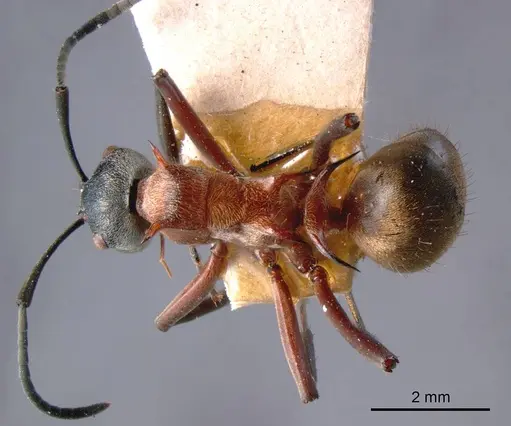
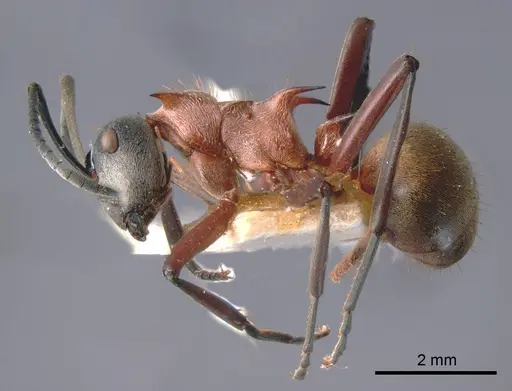
CASENT0901844
View on AntWeb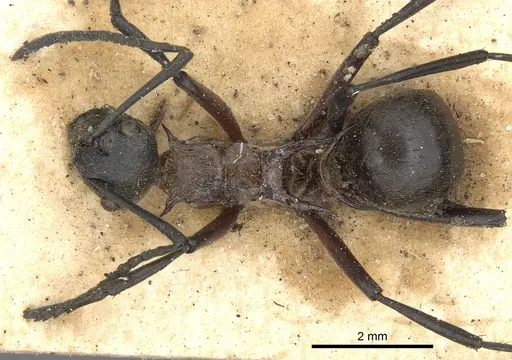
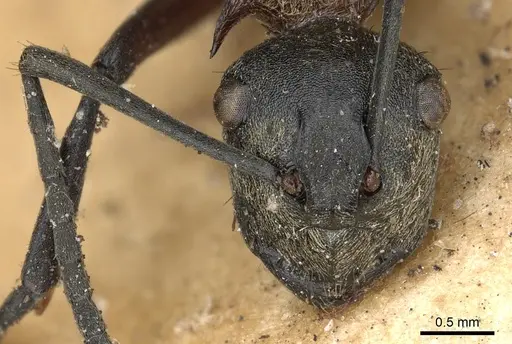
CASENT0906731
View on AntWeb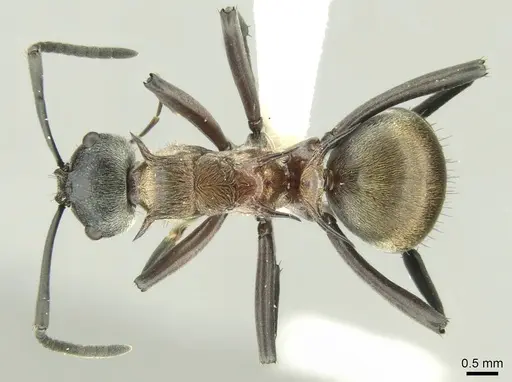
CASENT0917863
View on AntWeb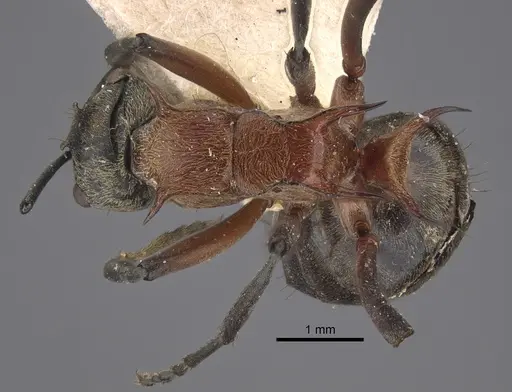
Literature
Loading...Loading products...