

Polyrhachis exercita
- Scientific Name
- Polyrhachis exercita
- Subgenus
- Campomyrma
- Tribe
- Camponotini
- Subfamily
- Formicinae
- Author
- Walker, 1859
- Distribution
- Found in 2 countries
Polyrhachis exercita Overview
Polyrhachis exercita is an ant species of the genus Polyrhachis. It is primarily documented in 2 countries , including India, Sri Lanka. Detailed taxonomic data and occurrence records can be further explored via authoritative databases such as AntWeb or the Global Biodiversity Information Facility (GBIF).
Polyrhachis exercita
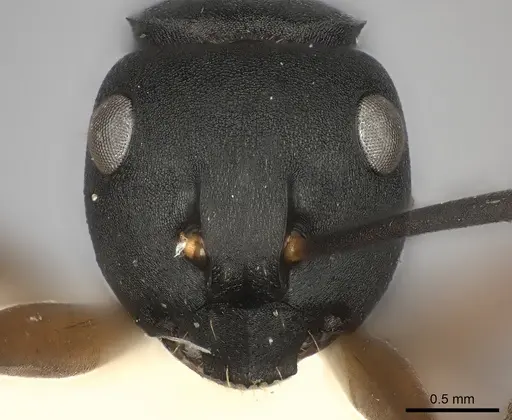
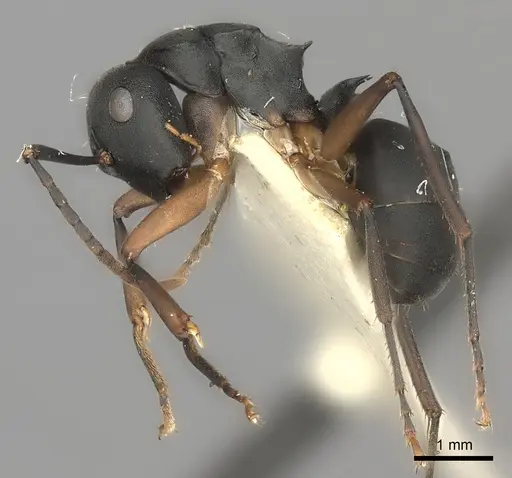
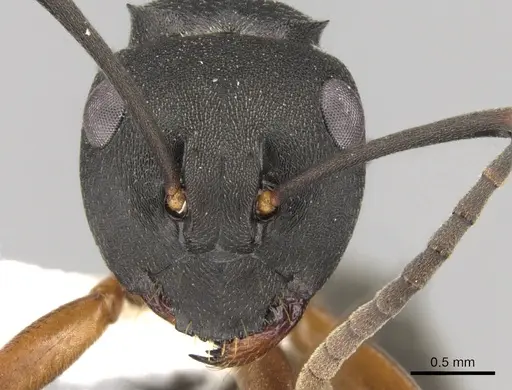
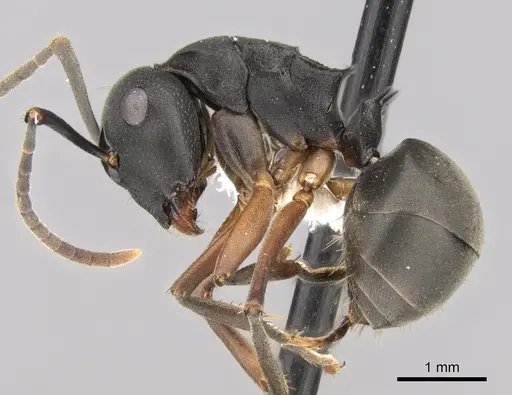
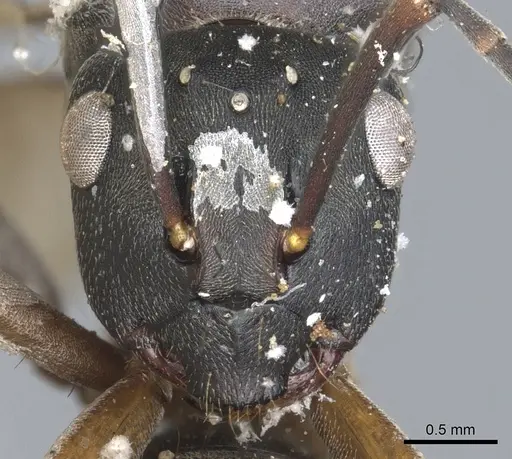
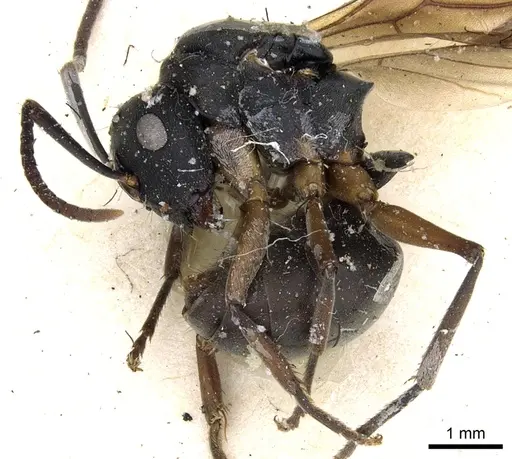
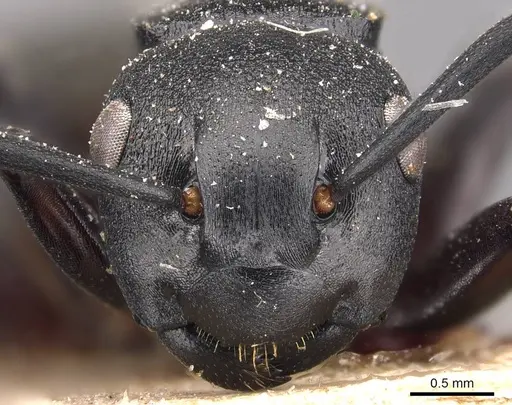
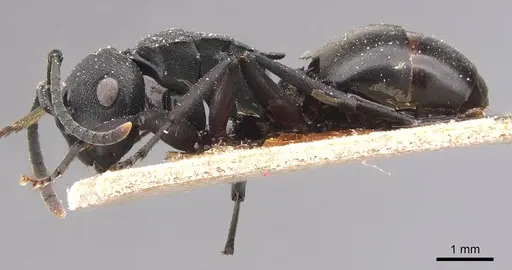
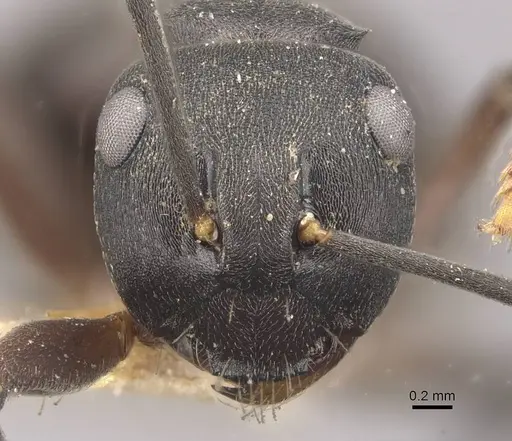
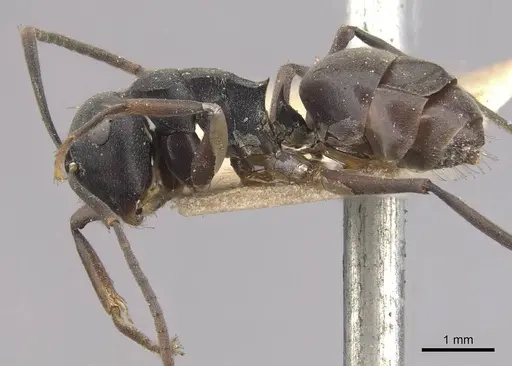
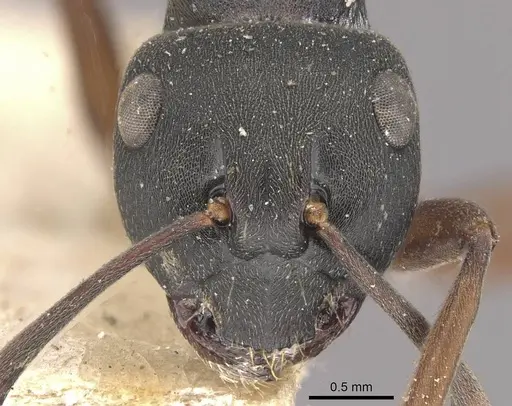
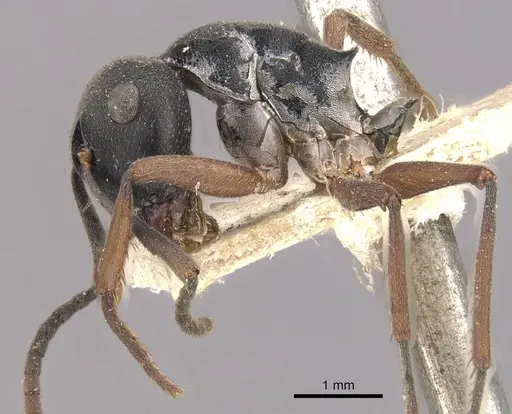
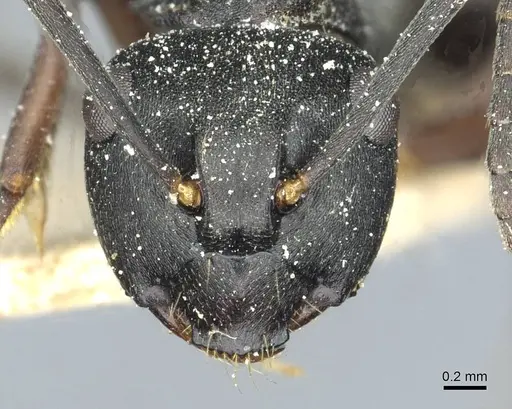
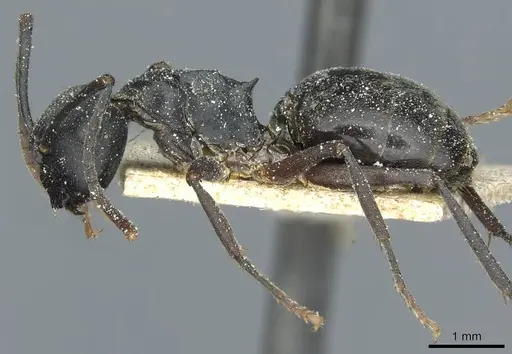
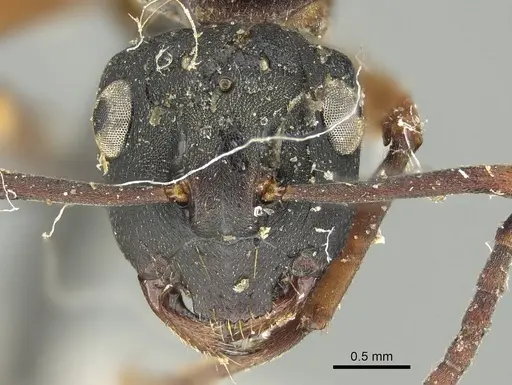
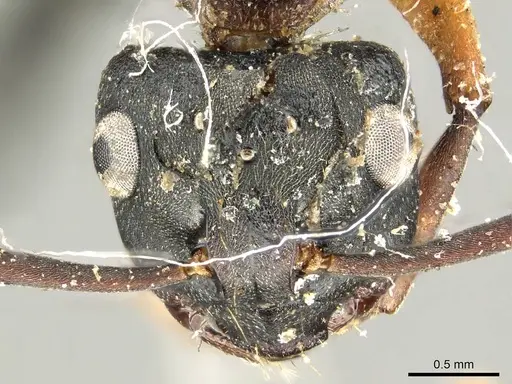
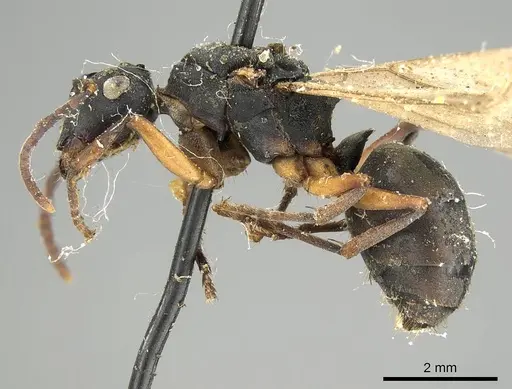
Polyrhachis exercita is a medium-sized arboreal ant native to South Asia, found across India, Sri Lanka, and Bangladesh. Workers measure 6.3-7.3mm and have a distinctive black body with dark brown to reddish legs and mandibles [1]. The species belongs to the subgenus Campomyrma and is characterized by a trapezoidal petiole (the narrow waist segment) that features two prominent upward-pointing spines. Unlike many ants that nest in soil, this species is arboreal, building carton nests in trees and shrubs, they construct papery, carton-like material to form their nests [2].
This ant is part of the Camponotini tribe and falls into the subordinate functional group, meaning they are generally less aggressive and more tolerant of other ant species [3]. They are omnivorous, feeding on plant secretions, honeydew, and small insects. In their native range, they thrive in wet tropical zones including coconut plantations and forested areas [4]. Their arboreal lifestyle and carton nesting make them quite different from typical ground-nesting ants, which affects how you'll need to house them in captivity.
Quick Summary
- Difficulty: Medium
- Origin & Habitat: Native to the Indomalaya region, India, Sri Lanka, and Bangladesh. Found across multiple Indian states including Karnataka, Kerala, Tamil Nadu, West Bengal, Maharashtra, Gujarat, Goa, Orissa, Tripura, and Jammu & Kashmir [5]. Inhabits wet tropical zones including coconut plantations and natural forested areas [4].
- Colony Type: Likely single-queen colonies based on typical Polyrhachis patterns, though colony structure has not been specifically documented for this species.
- Colony: Monogyne
- Founding: Claustral
- Size & Growth:
- Queen: Undocumented, estimated 10-12mm based on related Polyrhachis species
- Worker: 6.3-7.3mm [1]
- Colony: Unknown, likely several hundred workers based on related species
- Growth: Moderate, estimated based on tropical Formicinae patterns
- Development: Estimated 6-8 weeks at optimal temperature based on related tropical Formicinae (Development time is estimated since specific data for P. exercita is not available. Tropical species typically develop faster than temperate ones.)
- Antkeeping:
- Temperature: Keep warm at 24-28°C. As a tropical species from South Asia, they prefer consistently warm conditions. A heating cable on one side of the nest creates a suitable gradient.
- Humidity: Moderate to high humidity around 60-80%. Their native habitat includes wet tropical zones and coconut plantations, so they appreciate some moisture. However, being arboreal, they don't need saturated conditions [4].
- Diapause: No, as a tropical species, they do not require hibernation. They remain active year-round in captivity.
- Nesting: Arboreal carton nesters, they build papery nests in trees. In captivity, they do well in naturalistic setups with vertical structures, cork bark, or artificial arboreal formicaria. They prefer having elevated platforms and branches to climb on rather than ground nests [2].
- Behavior: Generally calm and non-aggressive for a Polyrhachis species. They are arboreal and spend most of their time in elevated nests, foraging on trees and plants. Workers are active foragers and will explore their outworld thoroughly. They are not known for being escape artists in the same way as tiny ants, but their medium size means standard escape prevention still matters. They may be defensive if their nest is disturbed but rarely show unprovoked aggression toward keepers.
- Common Issues: arboreal nesting requirements, they need vertical space and structures, not ground nests, tropical warmth needed year-round, room temperature may be too cold in winter, carton nest building may clog formicaria if humidity is too high, limited availability in the antkeeping hobby, may be hard to find, escape prevention still necessary despite medium size, they can climb glass and smooth surfaces
Housing and Nest Setup
Polyrhachis exercita requires an arboreal setup rather than a typical ground-nesting formicarium. These ants naturally build carton nests in trees and shrubs, constructing papery material from plant fibers and their own secretions [2]. In captivity, you can provide cork bark setups, vertical acrylic nests with branches, or naturalistic terrariums with live plants and elevated structures. The key is giving them vertical space to climb and explore.
A naturalistic setup works particularly well, use a terrarium with cork bark pieces positioned vertically and horizontally at various heights. Add live or artificial plants for the ants to explore and potentially nest in. The outworld should have branches, vines, or mesh climbing surfaces reaching upward. These ants feel most comfortable when they can travel vertically, mimicking their tree-dwelling lifestyle in the wild.
Escape prevention is still important despite their medium size. They can climb smooth surfaces like glass, so apply fluon or barrier tape to the upper edges of the enclosure. However, you don't need the fine mesh required for tiny ants, standard barriers work well for 6-7mm workers.
Feeding and Diet
As an omnivorous species in the Camponotini tribe, Polyrhachis exercita accepts a varied diet. They will take sugar sources like honey water or sugar water, and they need regular protein from insects. Offer small crickets, mealworms, fruit flies, or other appropriately sized insects twice weekly.
In the wild, they forage on trees and plants, collecting honeydew from aphids and scale insects, and hunting small invertebrates. They are also known to be preyed upon by tiger beetles in their native habitat, which suggests they are active foragers that venture away from the nest [6]. In captivity, place protein offerings on elevated platforms or in foraging areas that mimic their arboreal foraging zones.
Keep a constant supply of sugar water or honey available, especially for established colonies. Remove uneaten prey after 24-48 hours to prevent mold. Fresh fruit can also be offered occasionally as a sugar source.
Temperature and Seasonal Care
Being a tropical species from South Asia, Polyrhachis exercita requires warm conditions year-round. Maintain temperatures between 24-28°C in the nest area. In cooler climates or during winter, you will likely need supplemental heating. A heating cable placed on one side of the nest creates a gentle gradient that allows the ants to regulate their temperature by moving between warmer and cooler areas.
Unlike temperate ants, this species does not require a winter diapause or hibernation period. They remain active throughout the year in captivity. However, avoid temperatures above 32°C, as this can stress the colony. Room temperature in heated homes during winter is often acceptable, but monitor with a thermometer.
Their native habitat includes wet tropical zones in India and Sri Lanka, so they appreciate moderate humidity around 60-80%. Mist the enclosure occasionally, but avoid creating standing water or overly saturated conditions, being arboreal, they are not adapted to flooded nests. [4][5]
Colony Development and Growth
The colony starts when a claustral queen seals herself in a small chamber, living off her stored fat reserves until the first workers emerge. Based on typical Formicinae development and tropical conditions, expect the first workers (nanitics) to appear around 6-8 weeks after the queen lays eggs. These initial workers will be smaller than mature workers.
Colony growth is moderate, you can expect the population to reach several hundred workers over 1-2 years under good conditions. The queen lays eggs continuously once workers are established, and the colony expands gradually. Unlike some fast-growing species, Polyrhachis colonies tend to grow steadily rather than explosively.
Mature workers measure 6.3-7.3mm and are distinctively black with darker legs and mandibles [1]. The petiole (waist) has two upward-pointing spines that help distinguish this species from similar Polyrhachis. Queens, while not documented specifically for this species, would be larger at around 10-12mm based on related species in the genus.
Behavior and Temperament
Polyrhachis exercita is generally calm and manageable as an ant species goes. They belong to the subordinate Camponotini functional group, which means they are typically less aggressive and more tolerant than dominant ant species [3]. Workers go about their foraging without the hyper-aggressive territorial behavior seen in some ants.
They are arboreal by nature, so you will see them climbing and exploring vertical spaces more than walking along the ground. Provide enrichment with branches, vines, and elevated platforms. Workers are active foragers and will systematically explore their outworld for food.
If the nest is disturbed, they may become defensive and emit alarm pheromones, but they rarely bite aggressively. Their sting is not medically significant for humans. Overall, they make a rewarding species for keepers who can provide the arboreal setup they need.
Frequently Asked Questions
Can I keep Polyrhachis exercita in a test tube setup?
Test tubes are not ideal for this species. They are arboreal carton nesters that need vertical space and structures to climb on. A naturalistic setup with cork bark, branches, or an arboreal formicarium works much better. Test tubes can work for temporary housing or founding queens, but the established colony needs more space to climb and build their papery nests.
What is the best nest type for Polyrhachis exercita?
Arboreal setups work best, think cork bark, vertical acrylic nests, or naturalistic terrariums with plants and branches. They naturally build carton nests in trees, so they need vertical structures to climb and explore. Avoid standard ground-nesting formicaria.
How long until first workers with Polyrhachis exercita?
Expect first workers around 6-8 weeks after the queen lays eggs, assuming optimal temperatures around 26°C. This is an estimate based on related tropical Formicinae species, as specific development data for P. exercita is not available. The first workers (nanitics) will be smaller than mature workers.
Are Polyrhachis exercita good for beginners?
They are intermediate in difficulty. The main challenge is providing the arboreal setup they need rather than a typical ground nest. If you can set up a proper vertical enclosure with climbing structures and maintain warm temperatures, they are rewarding to keep.
Do Polyrhachis exercita need hibernation?
No, they do not hibernate. As a tropical species from India and Sri Lanka, they remain active year-round. Keep them warm at 24-28°C throughout the year without any winter cooling period.
How big do Polyrhachis exercita colonies get?
Colonies likely reach several hundred workers based on related Polyrhachis species. Specific maximum size is not documented, but they are not among the largest ant species. Growth is moderate over 1-2 years.
What do Polyrhachis exercita eat?
They are omnivorous, offer sugar water or honey constantly, and protein (small insects like crickets, mealworms, fruit flies) twice weekly. They also occasionally accept fresh fruit. Place food on elevated platforms to match their arboreal foraging style.
Can I keep multiple queens together?
Not recommended. While specific colony structure is not documented for P. exercita, Polyrhachis species are typically monogyne (single queen). Combining unrelated queens has not been studied and could result in fighting.
Where is Polyrhachis exercita found?
They are native to South Asia, specifically India, Sri Lanka, and Bangladesh. In India, they are recorded across multiple states including Karnataka, Kerala, Tamil Nadu, West Bengal, Maharashtra, Gujarat, Goa, Orissa, Tripura, and Jammu & Kashmir.
Why is my Polyrhachis exercita colony declining?
Check three common issues: temperature too low (they need 24-28°C), humidity wrong (they prefer moderate 60-80% but not saturated), or inadequate vertical space. Also ensure they have protein available, omnivorous ants can decline without proper nutrition. Review their arboreal setup needs.
Is Polyrhachis exercita invasive anywhere?
No, this species is not known to be invasive. It is native to the Indomalaya region (India, Sri Lanka, Bangladesh) and has not been documented establishing populations outside its native range.
References

This caresheet is licensed under CC BY-SA 4.0 .
CASENT0217770
View on AntWeb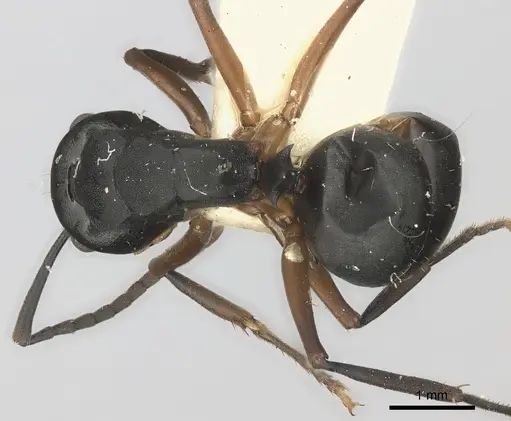
CASENT0281352
View on AntWeb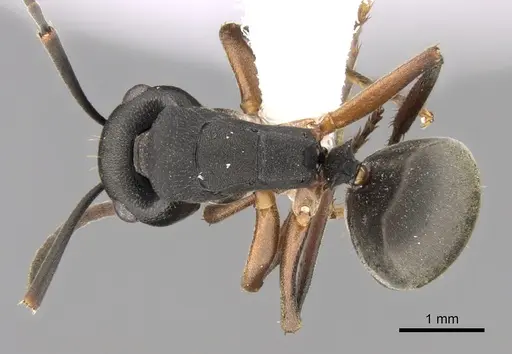
CASENT0903298
View on AntWeb
CASENT0905829
View on AntWeb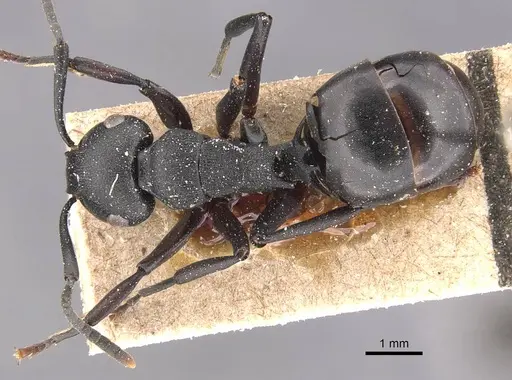
CASENT0910765
View on AntWeb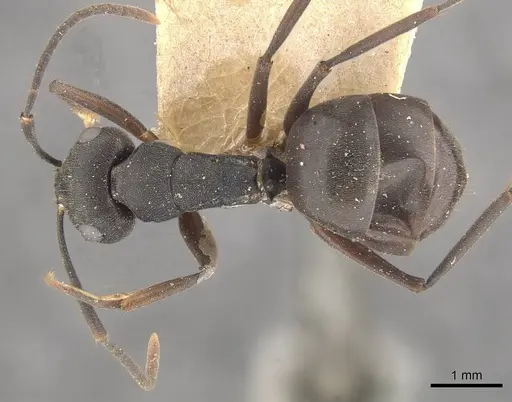
CASENT0910766
View on AntWeb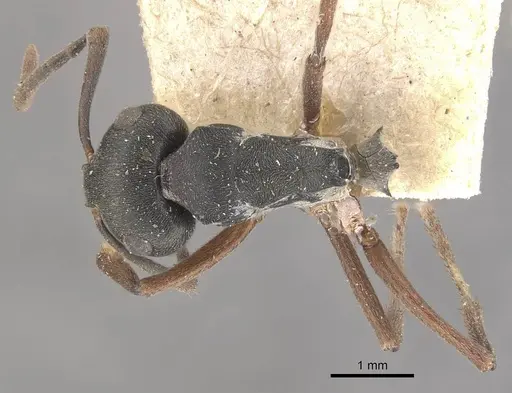
CASENT0912092
View on AntWeb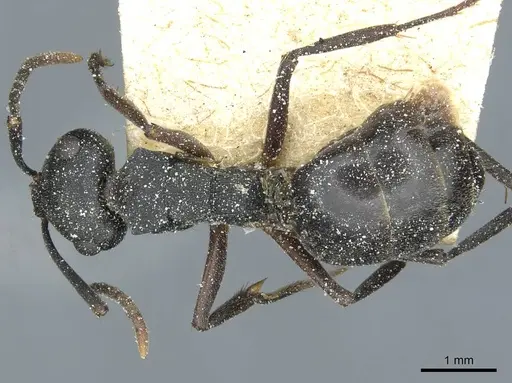
CASENT0915819
View on AntWeb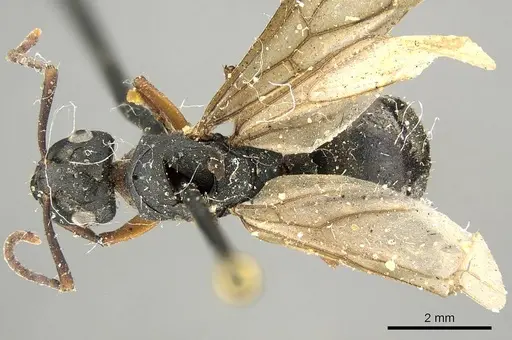
Literature
Loading...Loading products...