

Polyrhachis euryala
- Scientific Name
- Polyrhachis euryala
- Subgenus
- Cyrtomyrma
- Tribe
- Camponotini
- Subfamily
- Formicinae
- Author
- Smith, 1863
- Distribution
- Found in 2 countries
Polyrhachis euryala Overview
Polyrhachis euryala is an ant species of the genus Polyrhachis. It is primarily documented in 2 countries , including Indonesia, Papua New Guinea. Detailed taxonomic data and occurrence records can be further explored via authoritative databases such as AntWeb or the Global Biodiversity Information Facility (GBIF).
Polyrhachis euryala
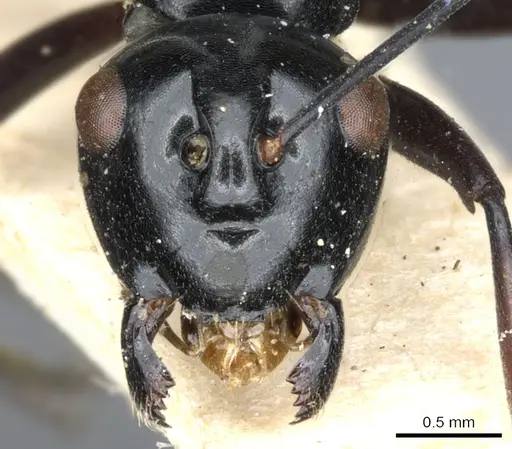
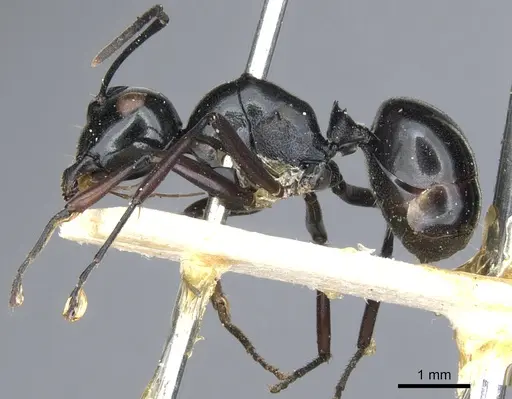
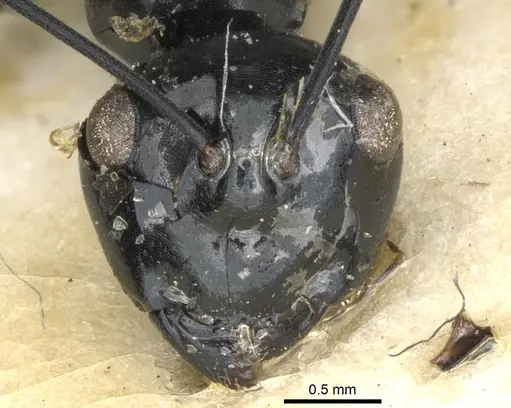
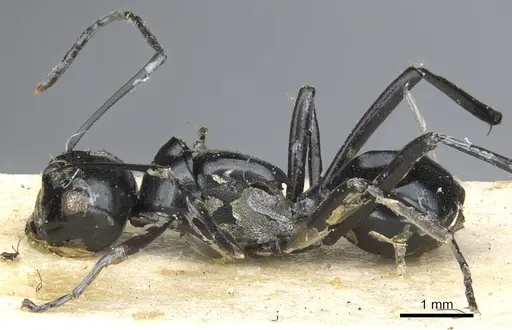
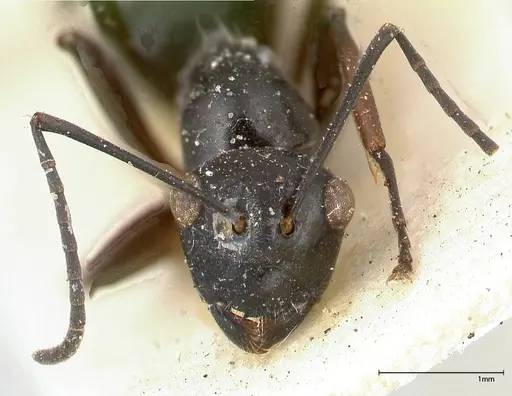
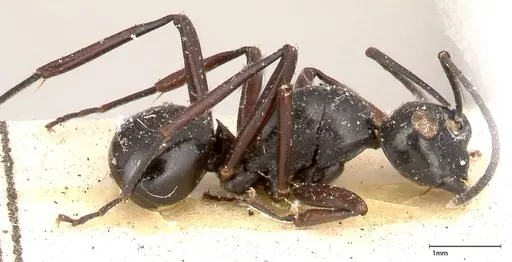
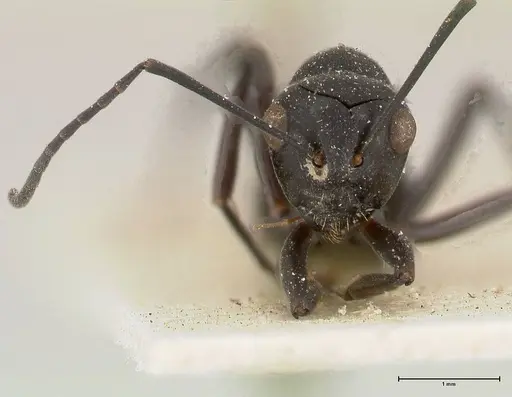
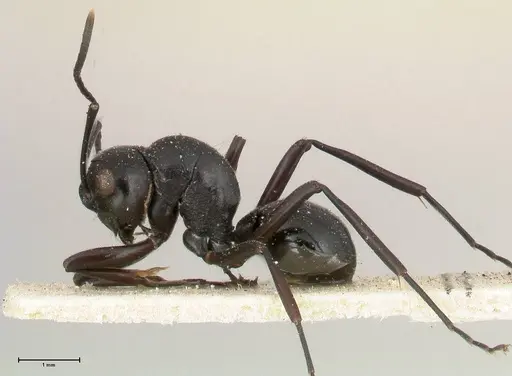
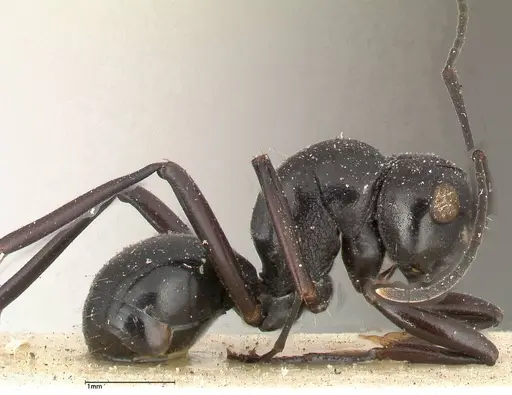
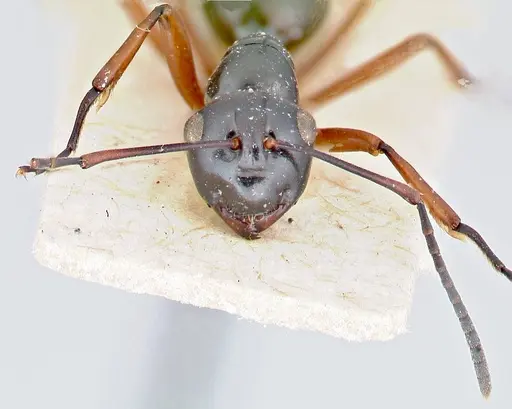
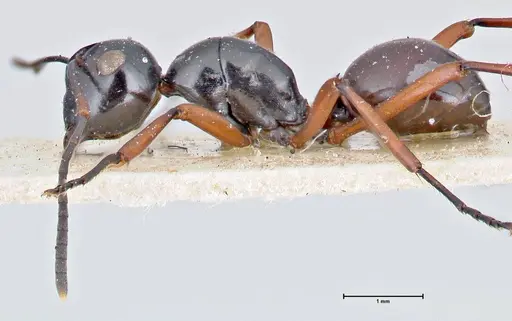
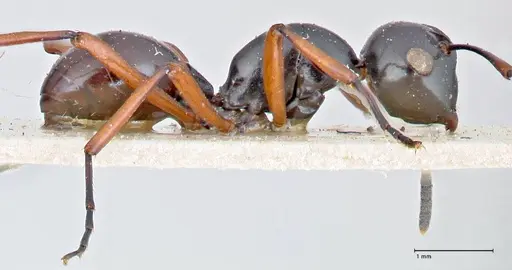
Polyrhachis euryala is a medium-sized black ant belonging to the subgenus Cyrtomyrma. Workers measure approximately 6.25-7mm and are entirely black with a smooth, shining body. They have a distinctly slender mesosoma with the pronotal dorsum widest at mid-length, and their most striking feature is four spines on the petiole, the lateral pair being longer and more acute than the dorsal pair. The propodeum also bears distinct spines. Queens are larger at 7.0-7.5mm with yellowish wings. This species is patchily distributed across the eastern islands of Indonesia and throughout New Guinea [1][2].
The biology of this species remains largely undocumented in scientific literature, making captive husbandry somewhat speculative. However, as a member of the Formicinae subfamily, it likely shares characteristics with other Polyrhachis species, they are arboreal or semi-arboreal nesters often found in forested habitats. The few specimens collected have been from lowland to mid-elevation areas, suggesting a preference for warm, humid tropical conditions.
Quick Summary
- Difficulty: Unknown, species has never been kept in captivity
- Origin & Habitat: Eastern Indonesia (Misool Island) and New Guinea region, including Japen Island and Papua New Guinea. Found at elevations from sea level to around 450-500m [1][2].
- Colony Type: Colony structure is unconfirmed. Polyrhachis species typically form monogyne (single-queen) colonies, but this has not been documented for P. euryala specifically.
- Size & Growth:
- Queen: 7.0-7.5mm [2]
- Worker: 6.25-7.00mm [1]
- Colony: Unknown, no colony size data exists for this species
- Growth: Unknown
- Development: Unknown, no development data exists for this species. Based on typical Polyrhachis patterns from related species, estimate 6-10 weeks at tropical temperatures. (Development timeline is unconfirmed. Related Polyrhachis species typically develop in 6-10 weeks under warm conditions.)
- Antkeeping:
- Temperature: Likely requires warm tropical conditions. Based on its New Guinea distribution, aim for 24-28°C with minor fluctuations. Do not allow temperatures to drop below 20°C.
- Humidity: Requires high humidity typical of tropical rainforest species. Keep nest substrate consistently moist but not waterlogged. Aim for 70-85% humidity.
- Diapause: Unlikely, as a tropical species from New Guinea, it probably does not require a diapause period. Maintain warm conditions year-round.
- Nesting: In nature, Polyrhachis (Cyrtomyrma) species often nest in rotting wood, under bark, or in arboreal situations. For captivity, a naturalistic setup with rotting wood or cork, or a well-humidified acrylic/plaster nest works best. Provide a moisture source and ensure high humidity.
- Behavior: Behavior is unstudied in this species. Based on genus-level patterns, Polyrhachis ants are typically moderate in activity level, not particularly aggressive, and may be more arboreal than ground-nesting species. They likely forage for honeydew and small insects. Escape prevention should be moderate, workers are a manageable 6-7mm size, not tiny enough to require extreme escape measures but still capable of climbing smooth surfaces.
- Common Issues: No captive husbandry data exists, this species has never been documented in the antkeeping hobby, so all care recommendations are speculative, Tropical humidity requirements may be difficult to maintain consistently in captive settings, Wild-caught colonies may have parasites or diseases that cause colony failure in captivity, Lack of dietary data makes feeding recommendations uncertain, offer varied protein and sugar sources to test acceptance
Nest Preferences
The natural nesting habits of Polyrhachis euryala are undocumented, but members of the subgenus Cyrtomyrma are typically found in forested areas and often nest in rotting wood, under loose bark, or in arboreal situations. One historical collection notes workers and winged queens were found in a carton nest under leaves of Pandanus [2]. For captive care, provide a naturalistic setup with rotting wood pieces, cork, or a well-humidified acrylic nest. Given their tropical origin, they need consistent moisture and should not be allowed to dry out. A small water chamber or moisture reservoir in the nest helps maintain humidity.
Feeding and Diet
The dietary preferences of P. euryala have not been documented. Polyrhachis species in general are omnivorous, typically foraging for honeydew from aphids and scale insects, as well as hunting small insects. For captive colonies, offer a varied diet: sugar water or honey as a constant energy source, and protein sources like small insects (fruit flies, pinhead crickets, mealworms) 2-3 times per week. Since this species comes from a tropical environment with abundant arboreal insect life, live prey may be particularly important. Monitor for acceptance and adjust feeding based on colony consumption.
Temperature and Care
As a species from New Guinea and eastern Indonesia, P. euryala requires warm, stable tropical conditions. Maintain temperatures between 24-28°C, avoiding any drops below 20°C. Use a heating cable or mat on one side of the nest to create a gentle gradient if room temperature is insufficient. Unlike temperate species, this ant does not require hibernation or diapause, maintain warm conditions year-round. Sudden temperature drops or cold drafts can be fatal. Monitor colony activity as an indicator: workers should be active and foraging throughout the nest.
Colony Founding
The founding behavior of Polyrhachis euryala has not been documented. Most Formicinae species, including Polyrhachis, are claustral, the queen seals herself in a chamber and lives off stored fat reserves until her first workers emerge. However, this specific behavior has not been observed for P. euryala. If you obtain a founding queen, provide a small test tube setup with moist cotton, keep her in darkness, and do not disturb her for 4-8 weeks while she lays eggs and raises the first brood.
Behavior and Temperament
Specific behavioral observations for P. euryala do not exist in scientific literature. Based on genus-level knowledge, Polyrhachis ants are generally not overly aggressive and have moderate foraging activity. They are likely more arboreal than ground-nesting ants, which means they may prefer to travel on branches, plants, or other elevated surfaces. Workers are large enough (6-7mm) that standard escape prevention measures should suffice, they are not tiny enough to squeeze through typical barrier gaps. However, provide enrichment structures if keeping them in a larger setup.
Frequently Asked Questions
Can I keep Polyrhachis euryala in a test tube?
Yes, a test tube setup can work for founding colonies. Provide a moist cotton reservoir and keep the tube in a warm, dark location. However, because this species likely requires high humidity, monitor that the tube doesn't dry out. Consider moving to a more humidified nest (acrylic or naturalistic) once the colony reaches 15-20 workers.
How long until first workers in Polyrhachis euryala?
The exact development time is unknown for this species. Based on typical Polyrhachis development patterns, expect 6-10 weeks from egg to worker at optimal tropical temperatures (24-28°C). Be patient, this is a poorly studied species and development may be slower than expected.
What do Polyrhachis euryala ants eat?
Their exact diet is undocumented, but Polyrhachis species are omnivorous. Offer sugar water or honey as a constant energy source, and protein (small insects like fruit flies, pinhead crickets, mealworms) 2-3 times per week. Live prey is likely important given their tropical arboreal origin.
Are Polyrhachis euryala good for beginners?
No. This species has never been kept in captivity and has no documented care requirements. All recommendations are speculative based on genus-level patterns. This is an expert-level species that requires experience with tropical, humidity-dependent ants and comfort with uncertainty.
Do Polyrhachis euryala need hibernation?
No. As a tropical species from New Guinea and eastern Indonesia, they do not require hibernation. Maintain warm temperatures (24-28°C) year-round. Cold temperatures below 20°C can be harmful or fatal.
How big do Polyrhachis euryala colonies get?
The maximum colony size is unknown, no scientific data exists on colony size for this species. Based on related Polyrhachis species, colonies likely reach several hundred to perhaps over a thousand workers.
Can I keep multiple queens together?
Not recommended. There is no data on colony structure for this species, and combining unrelated queens of this species has not been documented. Polyrhachis species are typically monogyne (single-queen colonies).
What temperature do Polyrhachis euryala need?
Keep them warm, aim for 24-28°C. This is a tropical species from New Guinea that requires consistently warm conditions. Do not allow temperatures to drop below 20°C.
Why are my Polyrhachis euryala dying?
Without documented captive care, diagnosing problems is difficult. Common issues likely include: temperature too cold (below 20°C), humidity too low (they need consistently moist conditions), or stress from wild-caught origin. This species has no captive history, so expect a high failure rate with wild-caught colonies.
References

This caresheet is licensed under CC BY-SA 4.0 .
CASENT0217792
View on AntWeb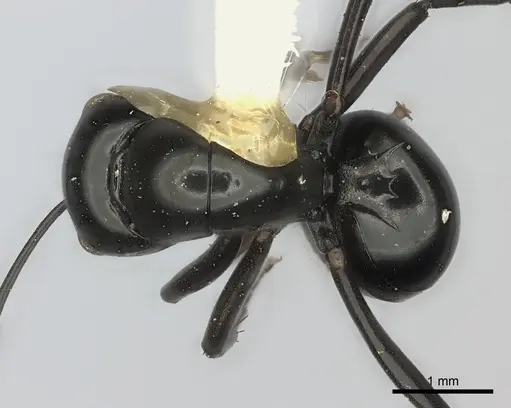
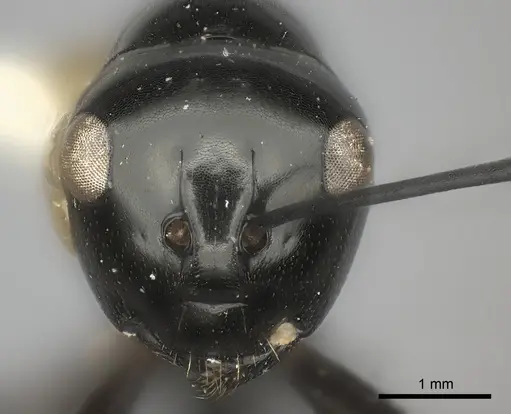
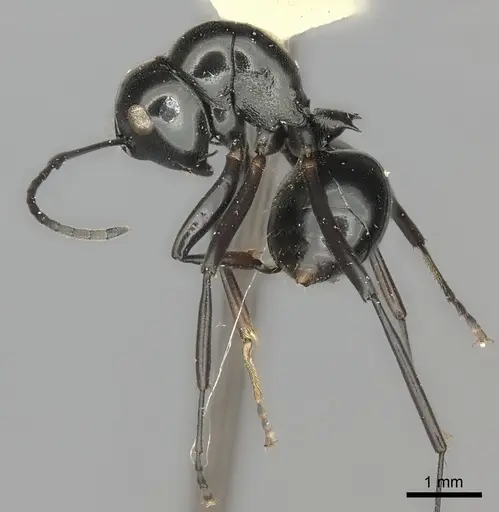
CASENT0901820
View on AntWeb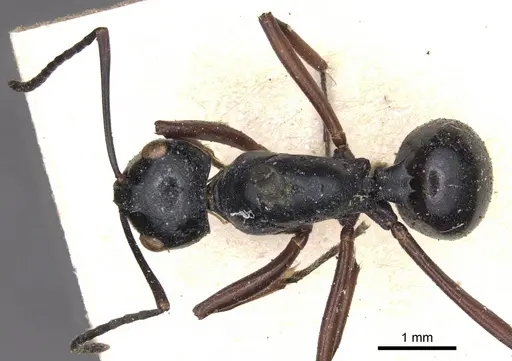
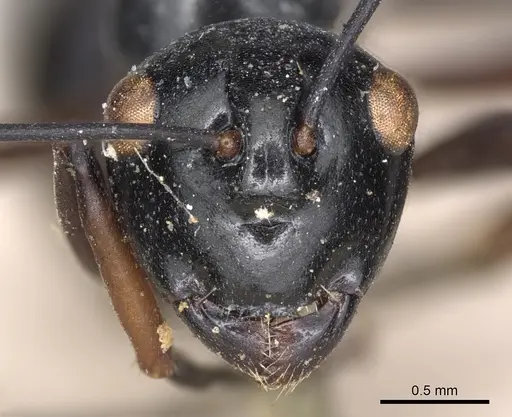
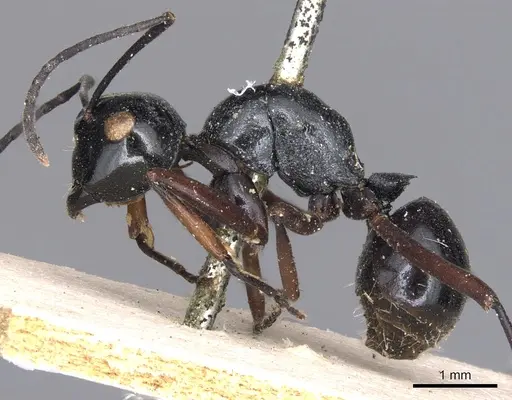
CASENT0903410
View on AntWeb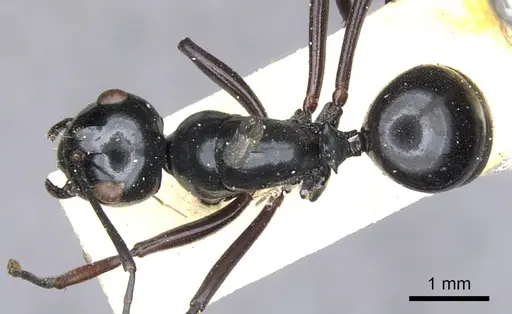
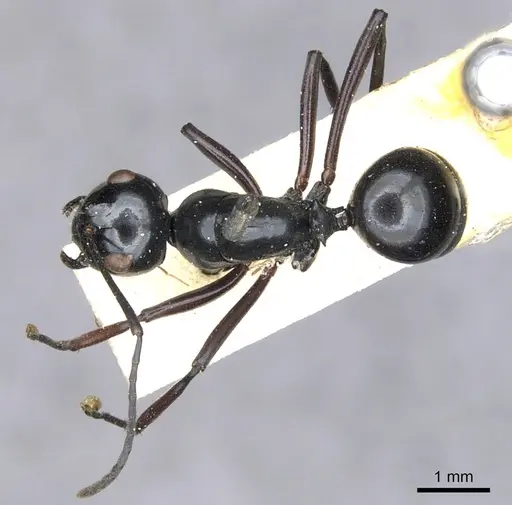
CASENT0903413
View on AntWeb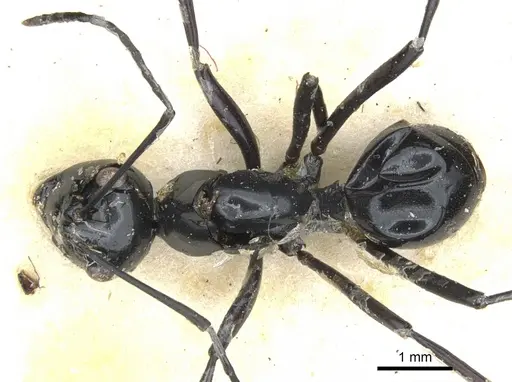
FOCOL0436
View on AntWeb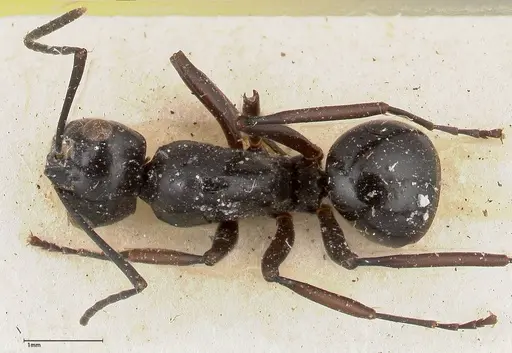
FOCOL0437
View on AntWeb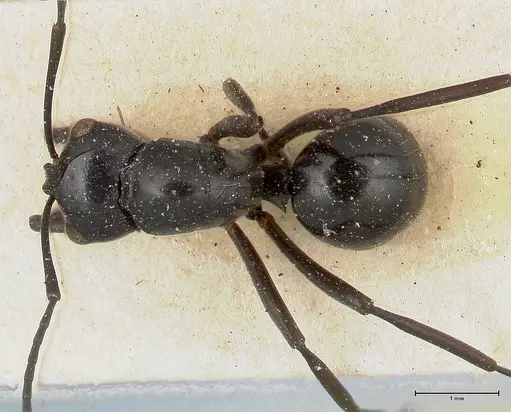
FOCOL2673
View on AntWeb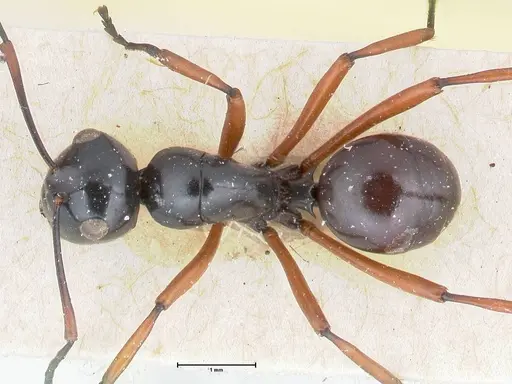
Literature
Loading...Loading products...