

Polyrhachis esuriens
- Scientific Name
- Polyrhachis esuriens
- Subgenus
- Myrmhopla
- Tribe
- Camponotini
- Subfamily
- Formicinae
- Author
- Emery, 1897
- Distribution
- Found in 1 countries
Polyrhachis esuriens Overview
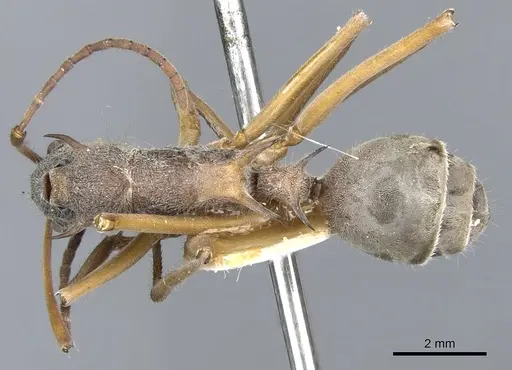
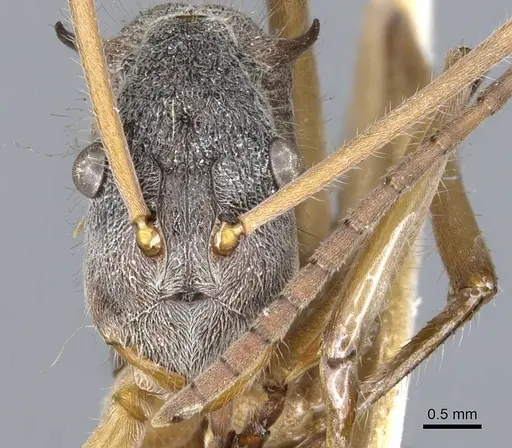
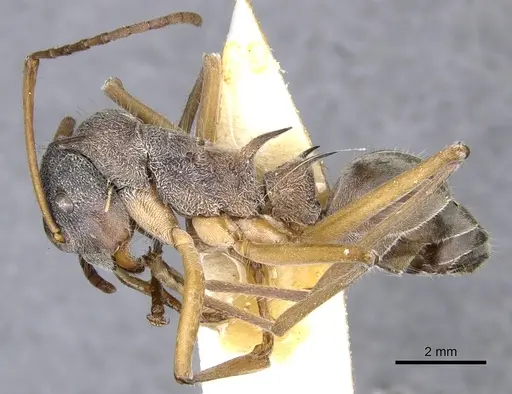
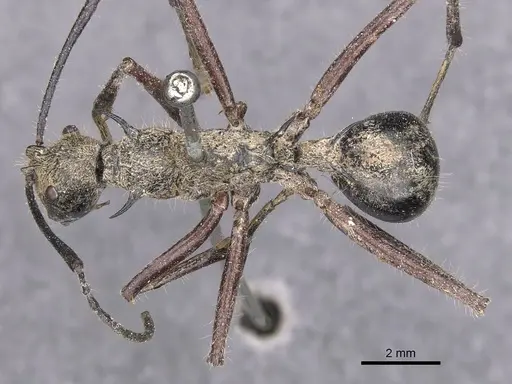
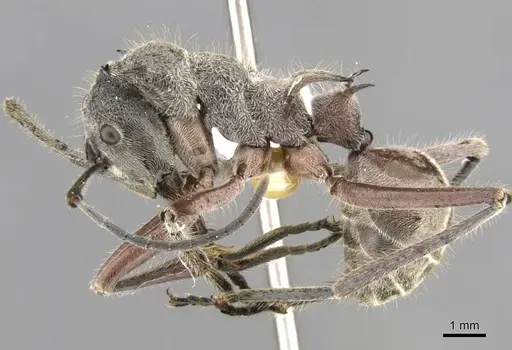
Polyrhachis esuriens is an ant species of the genus Polyrhachis. It is primarily documented in 1 countries , including Papua New Guinea. Detailed taxonomic data and occurrence records can be further explored via authoritative databases such as AntWeb or the Global Biodiversity Information Facility (GBIF).
Polyrhachis esuriens
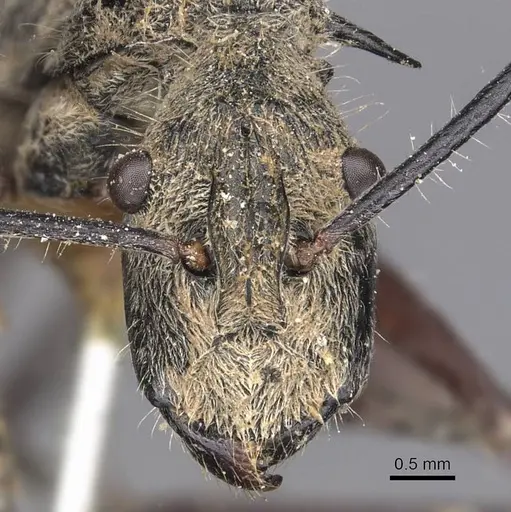
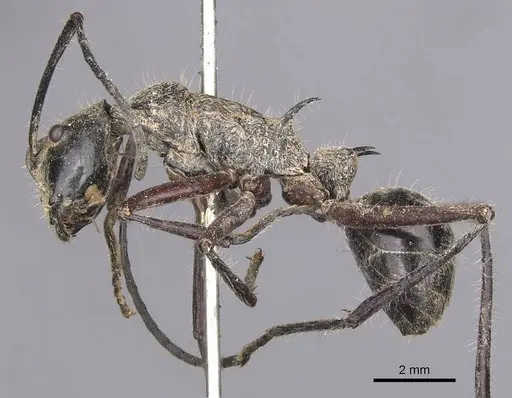
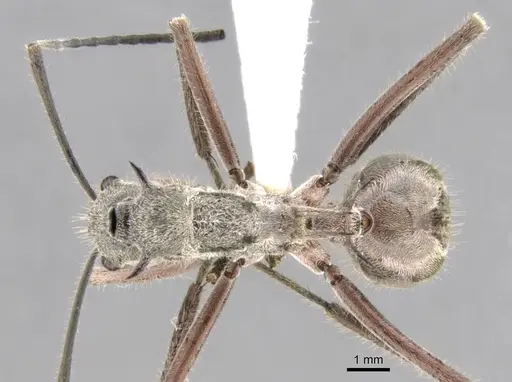
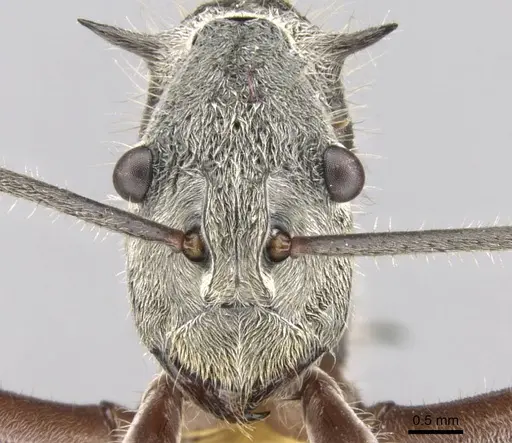
Polyrhachis esuriens is a tropical arboreal ant belonging to the Myrmhopla subgenus, part of the sexspinosa-group. Workers are moderately sized with the characteristic spines on the thorax common to this group. This species is native to New Guinea and the Philippines, where it nests in trees and shrubs in tropical forest environments [1]. Like other Myrmhopla species, they construct nests using carton material, a papery substance made from plant fibers bound with ant secretions. They spin cocoons around their pupae, which is notable since many Formicinae species pupate naked. These ants are arboreal by nature, so they prefer elevated spaces and climbing opportunities over ground-level nesting.
Quick Summary
- Difficulty: Medium
- Origin & Habitat: New Guinea and Philippines, tropical rainforest environments where they nest arboreally in trees and shrubs [1].
- Colony Type: Likely monogyne (single queen) based on typical Myrmhopla patterns, though colony structure has not been directly documented for this specific species.
- Colony: Monogyne
- Founding: Claustral
- Size & Growth:
- Queen: Estimated 10-12mm based on related Polyrhachis species in the sexspinosa-group
- Worker: Estimated 6-8mm based on genus patterns
- Colony: Likely moderate, several hundred workers based on typical Myrmhopla colony sizes
- Growth: Moderate, estimated 6-10 weeks from egg to worker at tropical temperatures
- Development: 6-10 weeks (estimated based on related Polyrhachis species and tropical temperature range) (Development time is temperature-dependent, warmer temperatures within the tropical range may accelerate development)
- Antkeeping:
- Temperature: Keep at 24-28°C (tropical conditions). A gentle gradient allowing warmer and cooler areas is ideal. Avoid temperatures below 22°C for extended periods [2].
- Humidity: High humidity (70-85%), these are tropical forest ants. Keep the nest area consistently moist but ensure ventilation prevents stagnation. The arboreal nesting preference means they can handle some drying better than ground-nesting species, but substrate moisture is still important.
- Diapause: No, as a tropical species from New Guinea and the Philippines, they do not require hibernation. Keep them warm year-round.
- Nesting: Arboreal specialists, they need vertical space and climbing structures. A naturalistic setup with branches, cork bark, or plant material works well. They will construct carton nests, so providing suitable materials for this behavior is beneficial. Acrylic or plaster nests with added climbing enrichment can also work.
- Behavior: Generally calm and non-aggressive compared to many ant species. They are arboreal and spend most of their time climbing rather than foraging on the ground. Workers are moderately active and will explore their environment. Escape risk is moderate, they are good climbers but not particularly small, so standard barriers are usually sufficient. They spin cocoons around their pupae, which is distinctive for Formicinae ants.
- Common Issues: tropical temperature requirements mean colonies can struggle in cool rooms or during winter if not heated, arboreal nature means they need vertical space and climbing structures, a flat horizontal nest will limit their natural behavior, carton nest building may be disrupted in artificial nests, provide materials that allow this natural behavior, high humidity needs can lead to mold problems if ventilation is inadequate, limited specific research means some care aspects are estimates based on related species
Housing and Nest Setup
Polyrhachis esuriens is an arboreal species that needs vertical space and climbing opportunities. Unlike ground-nesting ants, they prefer to live above the substrate level. A naturalistic setup with branches, cork bark pieces, or artificial plants works exceptionally well, this allows them to build their characteristic carton nests. If using an artificial formicarium, choose one with multiple levels or add climbing structures like ropes, mesh, or branches. They will attach their nest material to surfaces, so rough-textured materials (cork, wood, stone) work better than smooth acrylic for natural nest attachment. A combination approach works well: a formicarium for feeding and humidity control, with branches and plants for natural nesting behavior. [2]
Temperature and Heating
Being a tropical species from New Guinea and the Philippines, these ants need warm conditions year-round. Keep the nest area at 24-28°C for optimal brood development. Room temperature alone may be insufficient in cooler climates, use a heating cable or small heat mat on one side of the nest to create a gentle thermal gradient. Place the heating on top of the nest to avoid drying out the substrate from below. The gradient allows workers to self-regulate by moving between warmer and cooler areas. Avoid temperatures below 22°C for extended periods, as this can slow development and weaken the colony. A stable temperature is more important than extreme warmth, avoid fluctuations. [2]
Feeding and Diet
Like other Polyrhachis species, they are omnivorous with a preference for protein sources. Offer small insects (fruit flies, small crickets, mealworms) as a primary protein source. They will also accept sugar water, honey, or nectar substitutes. In a naturalistic setup, they may tend aphids for honeydew. Feed protein 2-3 times per week, and keep a constant sugar source available. Remove uneaten prey after 24-48 hours to prevent mold. Fresh water should always be available. Their arboreal nature means they are good foragers and will readily take prey from various locations in their enclosure. [1]
Humidity and Water
These tropical ants need high humidity, ideally 70-85% in the nest area. Keep the substrate consistently moist but not waterlogged, there should be some drier areas available for the ants to choose. Mist the enclosure regularly, but allow surfaces to dry slightly between misting to prevent mold. In naturalistic setups, live plants help maintain humidity naturally through transpiration. A water tube or small water dish should always be available. The arboreal nesting preference means they can tolerate brief dry periods better than ground-nesting species, but consistent moisture is still important for brood development. [2]
Colony Development
Queens are estimated at 10-12mm and workers at 6-8mm based on related species in the sexspinosa-group. Development from egg to worker likely takes 6-10 weeks at optimal tropical temperatures (26-28°C). The first workers (nanitics) will be smaller than mature workers. As the colony grows, they will produce larger workers. Unlike many Formicinae, they spin cocoons around their pupae, this is an important distinction for monitoring development. A mature colony likely reaches several hundred workers. Growth is moderate, expect 1-2 years to reach moderate colony size under good conditions. The claustral founding process sees the queen seal herself in a chamber and raise the first brood without leaving to forage. [2]
Behavior and Temperament
Polyrhachis esuriens is generally calm and less aggressive than many ant species. Workers are active climbers and spend most of their time on vertical surfaces rather than the ground. They construct carton nests by mixing plant fibers with secretions, this behavior is fascinating to observe and should be encouraged by providing appropriate materials. They are not particularly defensive and rarely sting, making them manageable for antkeepers. Their escape risk is moderate, they are good climbers but not tiny, so standard barrier methods (fluon on rim edges, tight-fitting lids) work well. They are diurnal and most active during daylight hours. [2]
Frequently Asked Questions
Can I keep Polyrhachis esuriens in a test tube setup?
Test tubes can work for founding colonies, but these arboreal ants will be much happier in a setup with vertical space and climbing structures. Consider transitioning to a naturalistic or formicarium setup with branches once the colony reaches 20-30 workers.
What temperature do Polyrhachis esuriens need?
Keep them at 24-28°C (tropical conditions). Use a heating cable or heat mat on one side to maintain warmth, especially in cooler climates. Avoid temperatures below 22°C.
How long does it take for the first workers to emerge?
Expect 6-10 weeks from egg to first worker at optimal tropical temperatures (26-28°C). Development is temperature-dependent, cooler temperatures will slow growth significantly.
Do Polyrhachis esuriens need hibernation?
No, they are tropical ants from New Guinea and the Philippines and do not require hibernation. Keep them warm year-round.
Are Polyrhachis esuriens good for beginners?
They are rated as medium difficulty. The main challenges are maintaining tropical temperatures and providing appropriate arboreal housing with climbing space. If you can meet these requirements, they are manageable for intermediate antkeepers.
What do Polyrhachis esuriens eat?
They are omnivorous. Offer small insects (fruit flies, small crickets, mealworms) as protein 2-3 times per week, and keep sugar water or honey available at all times. They may also accept nectar and honeydew.
How big do Polyrhachis esuriens colonies get?
Based on related Myrmhopla species, colonies likely reach several hundred workers. A mature colony may take 1-2 years to develop under good conditions.
When should I move my colony to a formicarium?
Move from a founding setup to a larger enclosure when the colony reaches 30-50 workers. They will benefit from having climbing structures and vertical space as early as possible.
Can I keep multiple queens together?
This has not been documented for this specific species. Based on typical Polyrhachis patterns, they are likely single-queen (monogyne) colonies. Keeping multiple unrelated queens together is not recommended.
References

This caresheet is licensed under CC BY-SA 4.0 .
Literature
Loading...Loading products...