

Polyrhachis equina
- Scientific Name
- Polyrhachis equina
- Subgenus
- Campomyrma
- Tribe
- Camponotini
- Subfamily
- Formicinae
- Author
- Smith, 1857
- Distribution
- Found in 2 countries
Polyrhachis equina Overview
Polyrhachis equina is an ant species of the genus Polyrhachis. It is primarily documented in 2 countries , including Brunei Darussalam, Malaysia. Detailed taxonomic data and occurrence records can be further explored via authoritative databases such as AntWeb or the Global Biodiversity Information Facility (GBIF).
Polyrhachis equina
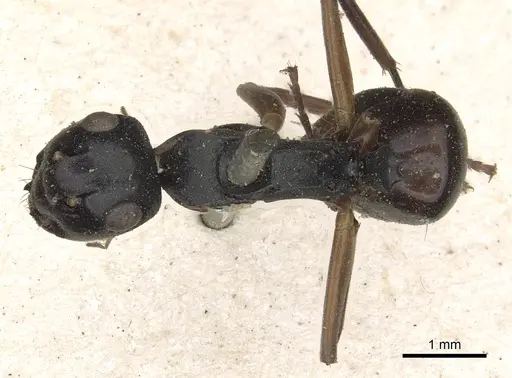
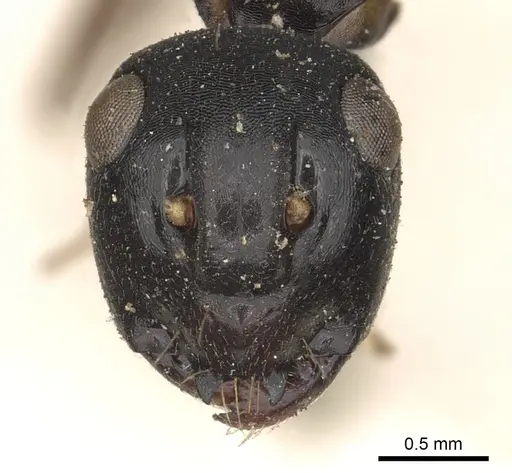
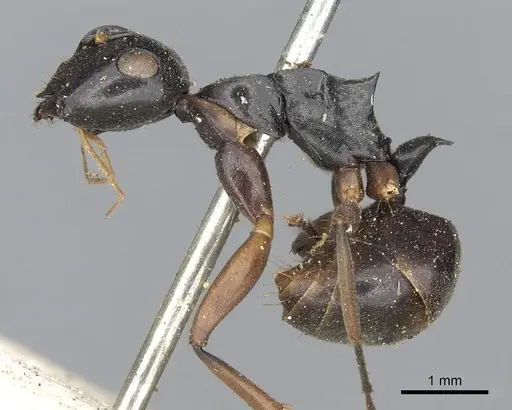
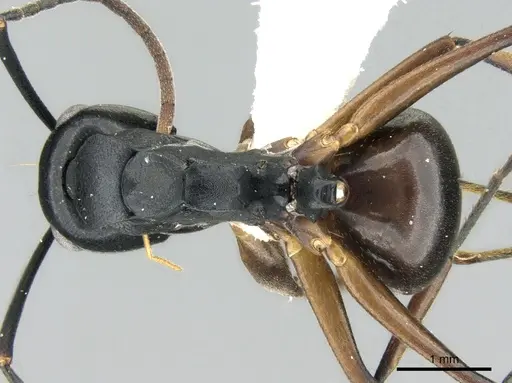
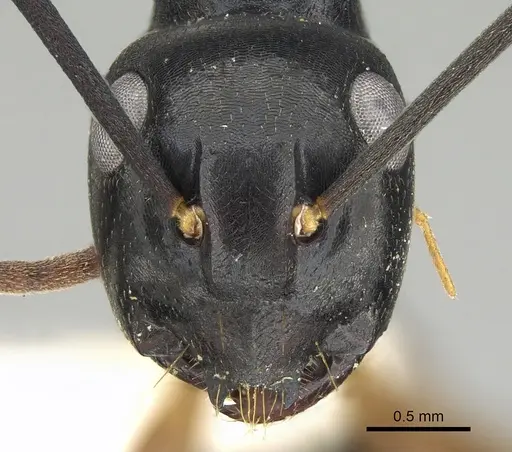
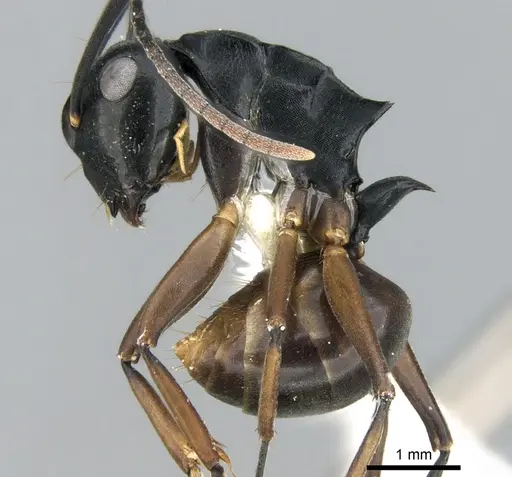
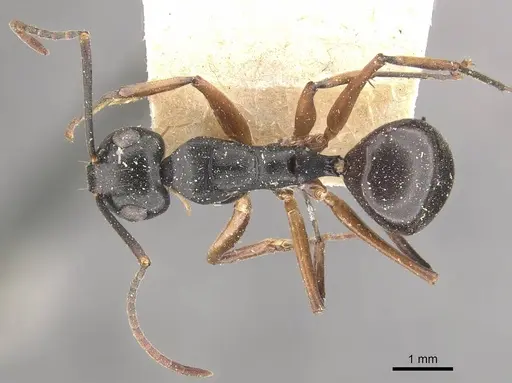
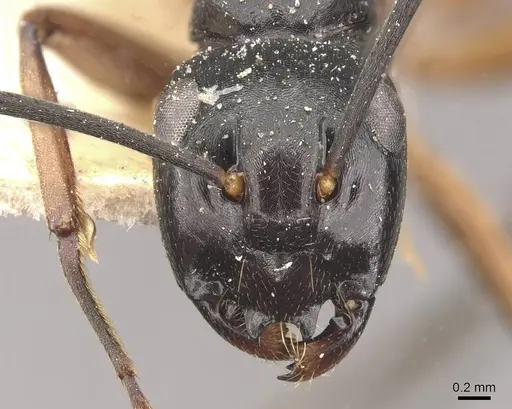
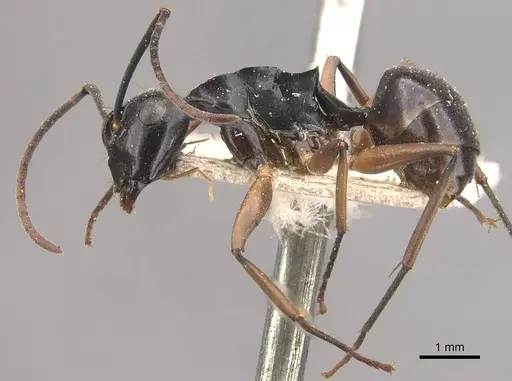
Polyrhachis equina is a medium-sized spiny ant species native to Southeast Asia, found throughout Borneo, Malaysia, and Indonesia. Workers measure 6.0-6.7mm and feature the characteristic spines protruding from their body, a hallmark of the Polyrhachis genus. They have a dark brown to black coloration with a distinctly bilobed clypeus (the area just above the mouth) and concave mesonotal and propodeal dorsa. These ants are diurnal foragers, typically spotted traversing tree trunks and vegetation in their natural rainforest habitat [1][2].
What makes P. equina interesting is its arboreal lifestyle, unlike many ground-nesting ants, this species is lignicolous, meaning it nests in hollow branches and decaying wood rather than underground. They are opportunistic foragers that feed on honeydew from hemipterans, nectar from extrafloral nectaries, and small arthropod prey. Colonies can range from small single-queen groups with a few hundred workers to large polydomous colonies with thousands of workers spanning multiple nest sites [2][3].
Quick Summary
- Difficulty: Medium
- Origin & Habitat: Tropical rainforest of Borneo, Sarawak, Malaysia, and Indonesia. In nature, they nest in hollow branches and decaying wood, foraging on tree trunks and vegetation layer [1][2].
- Colony Type: Facultatively polygynous, colonies can be monogyne (single queen) or polygynous (multiple queens). Some populations form polydomous colonies spanning multiple connected nest sites. Small colonies may have just a few hundred workers, while established colonies can reach several thousand [2].
- Colony: Optionally polygyne
- Founding: Claustral
- Size & Growth:
- Queen: Not directly measured in available literature, estimated 10-12mm based on worker size and genus patterns [1]
- Worker: 6.05-6.65mm [1]
- Colony: Several hundred to several thousand workers, small monogynous colonies have a few hundred, while polygynous polydomous colonies can reach 10,000+ [2][3]
- Growth: Moderate, based on related Polyrhachis species, expect 6-10 weeks from egg to first worker at optimal temperature
- Development: 6-10 weeks estimated based on genus-level data for related species (Development time varies with temperature, tropical species develop faster at warmer temperatures within their range)
- Antkeeping:
- Temperature: Keep at 24-28°C. These are tropical ants requiring warm, stable conditions. A heating cable on one side of the nest creates a gradient allowing workers to self-regulate. Room temperature may suffice if your home stays in this range [2].
- Humidity: Moderate to high humidity (60-80%). As arboreal wood-nesters, they prefer damp but not waterlogged conditions. Provide a water tube and mist occasionally, but ensure ventilation prevents mold buildup.
- Diapause: No, being tropical, they do not require hibernation. However, slight temperature reductions during cooler months may slow activity naturally.
- Nesting: Lignicolous (wood-nesting) preference. Y-tong (AAC) nests work well, or a naturalistic setup with cork bark/branches. They do well in acrylic formicariums with narrow chambers scaled to their medium size. Avoid overly wet substrates that could cause fungal issues.
- Behavior: Polyrhachis equina is a diurnal, arboreal-foraging species. Workers actively patrol tree trunks and vegetation during the day, searching for honeydew, nectar, and small prey. They are not particularly aggressive toward keepers but will defend their nest if threatened. Their spiny morphology provides some defense. Escape risk is moderate, they are medium-sized ants but good climbers. Ensure your setup has smooth barrier edges and consider that they may attempt to climb out along walls. They are relatively active and alert, making them engaging to watch [2].
- Common Issues: mold in nest due to over-misting, use proper ventilation and condition-based watering rather than fixed schedules, temperature drops below tropical range, use heating if room temperature falls below 24°C, escape through gaps in lid, they are active climbers, check barriers regularly, overfeeding leading to mold in outworld, remove uneaten prey after 24 hours, stress from excessive disturbance, minimize nest inspections during founding and early growth phases
Nest Preferences and Housing
Polyrhachis equina is a lignicolous species, meaning it naturally nests in decaying wood and hollow branches rather than underground. In captivity, Y-tong (AAC) nests replicate this well, or you can use a naturalistic setup with cork bark pieces and small branches. Acrylic formicariums with appropriately scaled chambers also work. The key is providing a dry, cavity-based nest area while allowing access to a moist outworld for foraging. They do not require soil or substrate in the nest chamber itself. Ensure the nest has multiple chambers connected by small tunnels, as they like some vertical space. The outworld should include climbing structures like twigs or mesh where they can forage realistically [1][2].
Feeding and Diet
In the wild, Polyrhachis equina feeds on hemipteran honeydew, extrafloral nectar, and small arthropod prey. In captivity, offer a varied diet: sugar water or honey should be available constantly, as these ants have a sweet tooth like most Formicinae. For protein, provide small insects like fruit flies, pinhead crickets, or mealworms. They are opportunistic predators and will take most small prey offered. Some keepers report success with specialized ant diets as well. Feed protein 2-3 times per week, and keep sugar sources available at all times. Remove uneaten prey after 24 hours to prevent mold. Unlike some specialized predators, these ants are generalists and adapt well to captive diets [2].
Temperature and Seasonal Care
Being tropical ants from Borneo and surrounding regions, Polyrhachis equina requires warm conditions year-round. Keep the nest area at 24-28°C. A small heating cable placed on one side of the nest creates a temperature gradient that lets workers choose their comfort zone. Avoid temperatures below 22°C for extended periods, as this can slow development and weaken the colony. They do not require hibernation or diapause, in fact, temperature drops can be harmful. If your room temperature naturally fluctuates with seasons, ensure it stays within the tropical range. These ants are active during the day (diurnal), so observe peak foraging activity during daylight hours [2].
Behavior and Observation
Polyrhachis equina is a rewarding species to observe. Workers are active foragers during the day, systematically patrolling surfaces in search of food. Their spiny morphology is distinctive, the genus name literally means 'many-spined.' Workers communicate through chemical trails and will quickly recruit nestmates to good food sources. Unlike some ground-nesting ants, they are comfortable climbing and will readily traverse twigs, mesh, and other vertical surfaces. They are not overly aggressive but will bite if provoked. The colony will establish defensive perimeter behavior around the nest entrance when disturbed. Watching workers navigate and forage provides hours of entertainment, they are alert, purposeful, and clearly communicate with each other [2].
Colony Establishment and Growth
Founding queens seal themselves in a small chamber (claustral founding) and raise the first brood alone using stored fat reserves. After 4-8 weeks, the first nanitic (first-generation) workers emerge. These initial workers are smaller than mature workers but immediately begin foraging to support the growing colony. Growth is moderate, expect the colony to reach 50-100 workers within the first year under good conditions. Colonies can eventually grow to several thousand workers, though this takes several years. The key to successful founding is providing a quiet, dark location and minimal disturbance until the first workers emerge. Offer food only after workers appear, not before. Once established, these colonies are relatively resilient and long-lived [1].
Frequently Asked Questions
How long does it take for Polyrhachis equina to have first workers?
Expect first workers (nanitics) to emerge 6-10 weeks after the queen lays eggs, assuming optimal temperature (24-28°C). This is based on typical development times for related Polyrhachis species. The exact timing depends on temperature and whether the queen was mated before capture.
What do Polyrhachis equina ants eat?
They need a balanced diet of sugar and protein. Provide constant access to sugar water or honey. For protein, offer small insects like fruit flies, pinhead crickets, or mealworms 2-3 times per week. They are generalist feeders and will accept most standard ant foods.
Do Polyrhachis equina ants need hibernation?
No, they are tropical ants and do not require hibernation. Keep them warm year-round at 24-28°C. Temperature drops below 22°C for extended periods can be harmful.
What is the best nest type for Polyrhachis equina?
Y-tong (AAC) nests work well, or a naturalistic setup with cork bark/branches. They are lignicolous (wood-nesting) by nature, so cavity-based nests replicate their natural preferences better than soil-based setups.
Are Polyrhachis equina ants good for beginners?
They are intermediate-level ants. They are more challenging than common genus like Lasius or Camponotus due to specific temperature and humidity needs, but not as difficult as rare or parasitic species. Their tropical requirements and moderate size make them manageable for those with some experience.
How big do Polyrhachis equina colonies get?
Colonies can reach several thousand workers. Small monogynous colonies may have a few hundred workers, while established polygynous polydomous colonies can grow to 10,000+ workers over several years.
Can I keep multiple queens together?
Polyrhachis equina is facultatively polygynous, meaning colonies can have multiple queens. However, combining unrelated foundress queens in captivity is risky and not well-documented. It is generally safer to start with a single queen colony.
Why is my Polyrhachis equina colony not growing?
Check temperature first, they need 24-28°C for optimal development. Also verify humidity is adequate (60-80%) but not excessive. Poor diet or stress from disturbance can also slow growth. Ensure the queen is still alive and laying eggs.
When should I move Polyrhachis equina to a formicarium?
Wait until the colony has at least 30-50 workers and the founding test tube setup shows condensation issues or the colony has outgrown the tube. They do well moving to a Y-tong or acrylic nest once they actively forager in an outworld.
References

This caresheet is licensed under CC BY-SA 4.0 .
Literature
Loading...Loading products...