

Polyrhachis dohrni
- Scientific Name
- Polyrhachis dohrni
- Subgenus
- Aulacomyrma
- Tribe
- Camponotini
- Subfamily
- Formicinae
- Author
- Forel, 1901
- Distribution
- Found in 1 countries
Polyrhachis dohrni Overview
Polyrhachis dohrni is an ant species of the genus Polyrhachis. It is primarily documented in 1 countries , including Papua New Guinea. Detailed taxonomic data and occurrence records can be further explored via authoritative databases such as AntWeb or the Global Biodiversity Information Facility (GBIF).
Polyrhachis dohrni
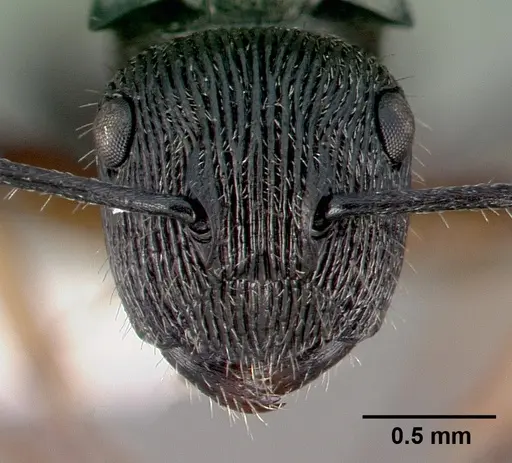
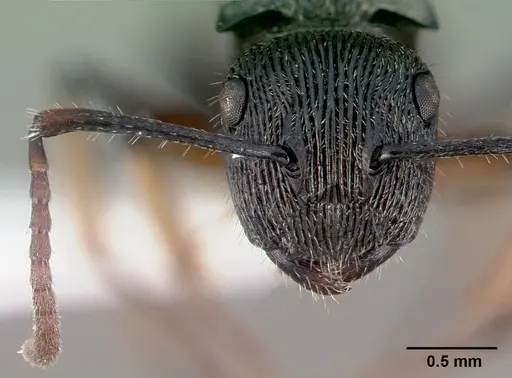
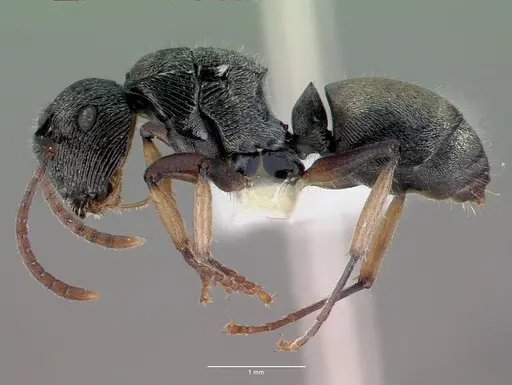
Polyrhachis dohrni is a small to medium-sized ant native to the Bismarck Archipelago in Papua New Guinea. Workers measure 4.74-5.80mm and queens reach 6.50-6.95mm. They have a distinctive black body with reddish-brown on the mandibular teeth, antennal tips, distal femora, and tarsi. Their most notable features are the sharp pronotal teeth on the shoulders and the scale-like petiole with lateral spines that curve backward. This species is arboreal, nesting inside dry hollow twigs on living trees in lowland areas. Unlike many Formicinae ants, P. dohrni has cocooned pupae and uses silk from their larvae to help construct their nests [1][2].
Quick Summary
- Difficulty: Medium
- Origin & Habitat: Bismarck Archipelago, New Britain, neighboring islands, and low altitude coastal areas of New Ireland. They nest in dry hollow twigs on living trees in lowland areas around 50m elevation[3].
- Colony Type: Likely monogyne (single queen) based on typical Polyrhachis patterns. Colony size reaches approximately 100-500 workers based on related species in the genus.
- Colony: Monogyne
- Founding: Claustral
- Size & Growth:
- Queen: 6.50-6.95mm
- Worker: 4.74-5.80mm
- Colony: Estimated 100-500 workers based on related Polyrhachis species
- Growth: Moderate
- Development: Estimated 6-10 weeks at optimal temperature based on genus-level data (Development time is inferred from related Polyrhachis species, they have cocooned pupae which typically takes longer than naked pupae)
- Antkeeping:
- Temperature: Keep at 24-28°C. Being from tropical lowland areas of New Britain, they prefer warm conditions. A gentle gradient is recommended.
- Humidity: Moderate humidity around 60-80%. They nest in dry hollow twigs in nature, so avoid excessive moisture. Provide a water tube but ensure the nest area stays relatively dry.
- Diapause: No, being a tropical species, they do not require hibernation. Keep warm year-round.
- Nesting: Arboreal species that naturally nests in hollow twigs. In captivity, they do well in Y-tong (AAC) nests, acrylic nests with narrow chambers, or test tube setups with access to a foraging area. Provide twigs or narrow tubes to mimic their natural nesting in hollow stems.
- Behavior: Generally calm and non-aggressive. Workers are moderately active and foragers. They are not known to sting and pose no danger to keepers. Their small size means escape prevention is important, use fine mesh and secure lids. They have cocooned pupae and use silk in nest construction, which is unusual for Formicinae ants [1].
- Common Issues: tropical species needs constant warmth, cold temperatures can kill the colony, arboreal nature means they need vertical space and climbing structures, small colony sizes mean losses have bigger impact, start with a healthy queen and brood, cocooned pupae need stable conditions to develop properly, avoid disturbing the nest during pupal stage, escape prevention is important given their small worker size
Housing and Nest Setup
Polyrhachis dohrni is an arboreal species that naturally nests in dry hollow twigs on living trees. In captivity, Y-tong (AAC) nests work well because they provide the dark, enclosed spaces these ants prefer. You can also use test tube setups with a separate foraging area. Because they naturally live in narrow twigs, they do well in nests with relatively narrow chambers rather than large open spaces. Add some small twigs or climbing structures in the outworld to mimic their natural arboreal environment. They are not strong climbers like some Polyrhachis species, but they appreciate having vertical options. [1]
Temperature and Heating
Being from the tropical lowlands of the Bismarck Archipelago, P. dohrni needs warm conditions year-round. Keep the nest area between 24-28°C. Room temperature may be sufficient if your home stays in this range, otherwise use a heating cable on one side of the nest to create a gentle gradient. Never let temperatures drop below 20°C for extended periods, this species has no cold tolerance and cold stress can quickly kill colonies. A small thermostat or temperature controller helps maintain stable conditions.
Feeding and Diet
Polyrhachis dohrni is an omnivore like most Polyrhachis species. Offer sugar water or honey as a constant energy source. For protein, provide small insects like fruit flies, small crickets, or mealworms. They are not large predators, so prey items should be appropriately sized to the worker size of 4-6mm. Feed protein 2-3 times per week and keep sugar sources available at all times. Remove uneaten prey after 24-48 hours to prevent mold issues.
Humidity and Water
In nature, P. dohrni nests in dry hollow twigs, so they prefer relatively dry conditions compared to ground-nesting ants. Keep humidity moderate at 60-80%, avoid overly damp nests. A water tube connected to the nest provides drinking water and helps maintain slight humidity without creating wet conditions. Mist the outworld occasionally rather than the nest itself. The key is providing a gradient between a slightly humid foraring area and a drier nest chamber. [1]
Colony Development
Queens are 6.50-6.95mm and claustral, they seal themselves in and raise the first brood alone using stored fat reserves. Unlike many Formicinae, this species has cocooned pupae, which typically extends development time. Expect 6-10 weeks from egg to first worker at optimal temperature. The first workers (nanitics) will be smaller than mature workers. Growth rate is moderate, colonies build slowly but steadily. Mature colonies likely reach 100-500 workers based on related species in the genus. [1]
Unique Behaviors
One of the most interesting aspects of P. dohrni is its use of larval silk in nest construction. While not a weaver ant like Oecophylla, Polyrhachis in the subgenus Aulacomyrma incorporate silk from their larvae into nest structures [2]. They also have cocooned pupae, which is unusual for Formicinae ants, most have naked pupae. The workers have distinctive spines on the pronotum and petiole, giving them an armored appearance. They are generally calm and not aggressive toward keepers.
Frequently Asked Questions
Is Polyrhachis dohrni good for beginners?
This species is rated as medium difficulty. While not overly demanding, they require stable warm temperatures year-round since they're tropical. If you can maintain 24-28°C consistently and provide proper housing, they can be a rewarding species to keep.
How long does it take for the first workers to emerge?
Expect 6-10 weeks from egg to first worker at optimal temperature (24-28°C). This is slower than many ants because they have cocooned pupae, which take longer to develop than naked pupae.
What size nest should I use for Polyrhachis dohrni?
Use a nest with narrow chambers scaled to their worker size of 4-6mm. Y-tong (AAC) nests or test tube setups work well. They naturally nest in hollow twigs, so avoid overly large chambers. A small to medium-sized formicarium is appropriate for a founding colony.
Can I keep multiple queens together?
Not recommended. Like most Polyrhachis species, P. dohrni likely forms single-queen colonies. Combining unrelated queens has not been documented and could result in fighting.
Do they need hibernation?
No. Being a tropical species from the Bismarck Archipelago, they do not require hibernation. Keep them warm year-round at 24-28°C.
What do they eat?
Offer sugar water or honey as a constant energy source. For protein, provide small insects like fruit flies, small crickets, or mealworms. Feed protein 2-3 times per week.
How big do colonies get?
Based on related Polyrhachis species, colonies likely reach 100-500 workers at maturity. They are not among the largest Polyrhachis species.
When should I move them to a formicarium?
You can start with a test tube setup for the founding colony. Once the colony reaches 20-30 workers and you see consistent brood development, you can consider moving to a proper formicarium like a Y-tong nest.
References

This caresheet is licensed under CC BY-SA 4.0 .
CASENT0009230
View on AntWeb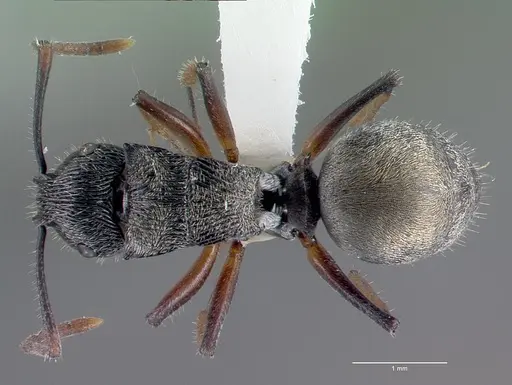
Literature
Loading...Loading products...