

Polyrhachis derecyna
- Scientific Name
- Polyrhachis derecyna
- Subgenus
- Myrmatopa
- Tribe
- Camponotini
- Subfamily
- Formicinae
- Author
- Smith, 1871
- Distribution
- Found in 1 countries
Polyrhachis derecyna Overview
Polyrhachis derecyna is an ant species of the genus Polyrhachis. It is primarily documented in 1 countries , including Indonesia. Detailed taxonomic data and occurrence records can be further explored via authoritative databases such as AntWeb or the Global Biodiversity Information Facility (GBIF).
Polyrhachis derecyna
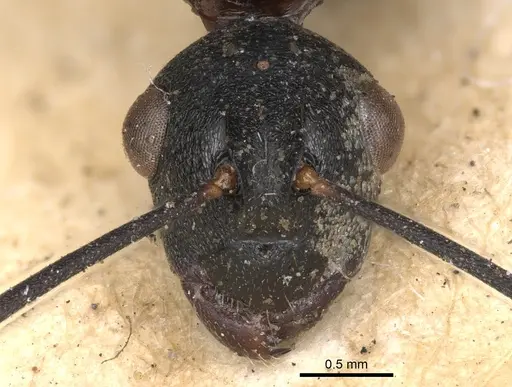
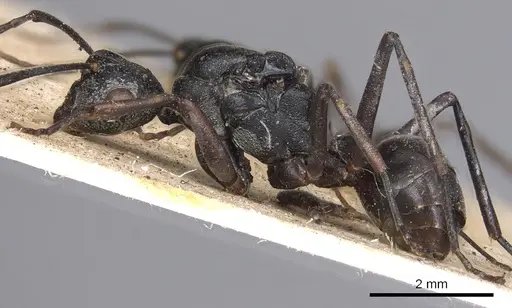
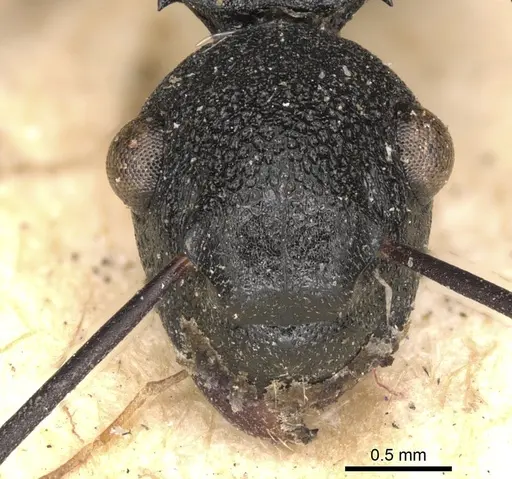
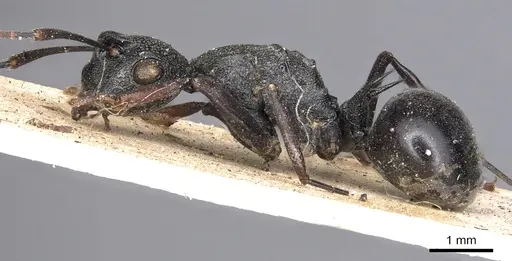
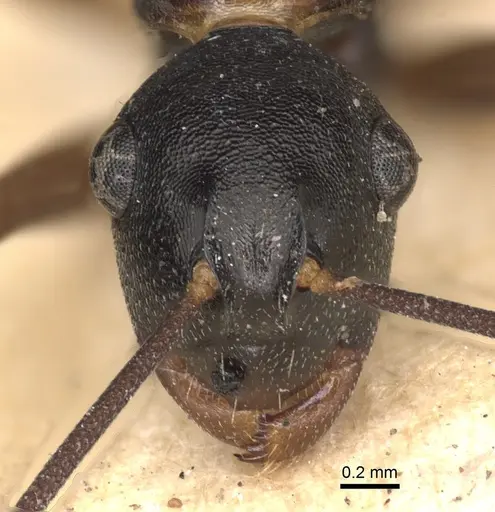
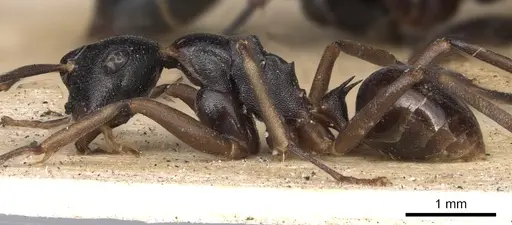
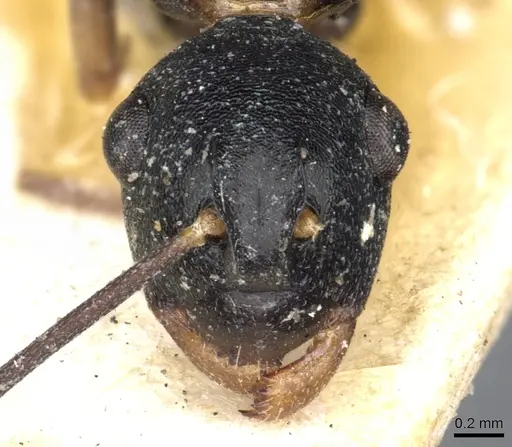
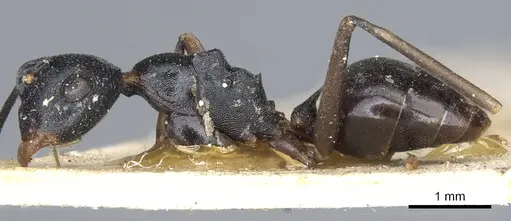
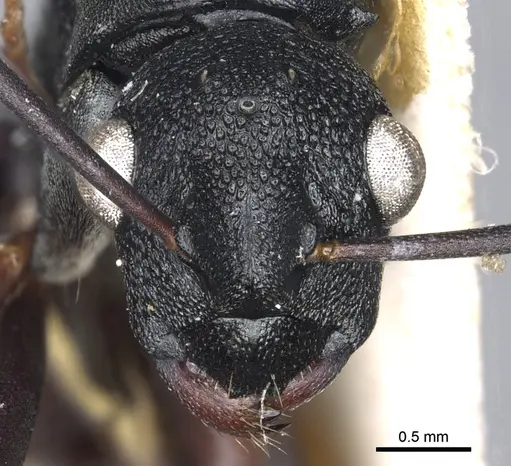
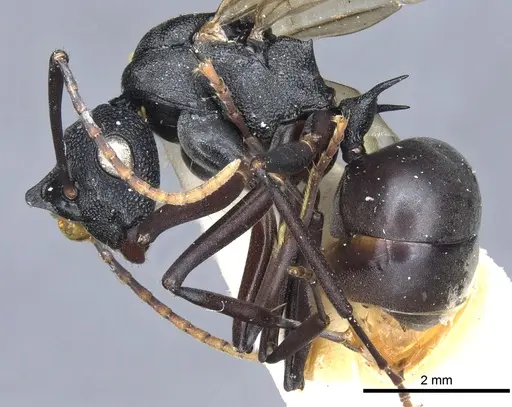
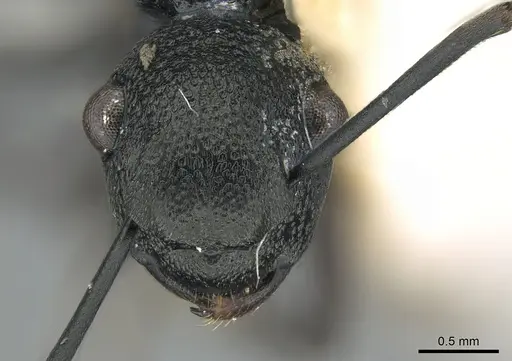
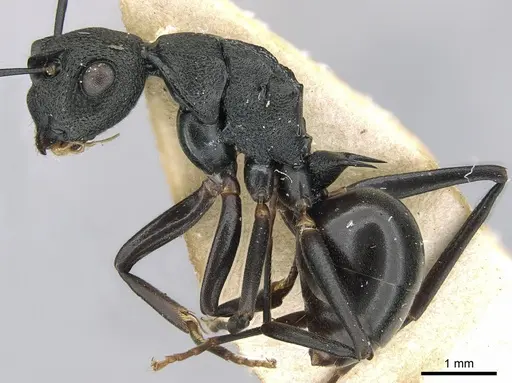
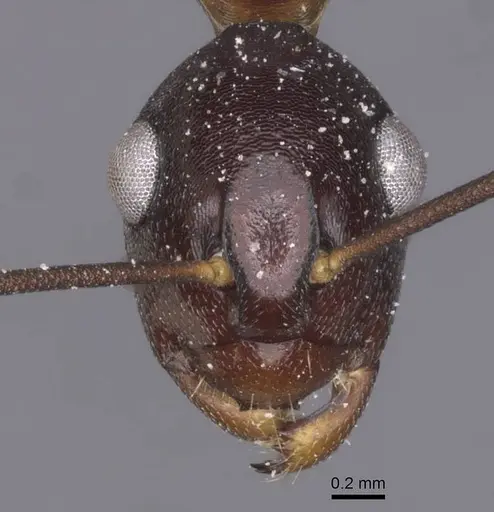
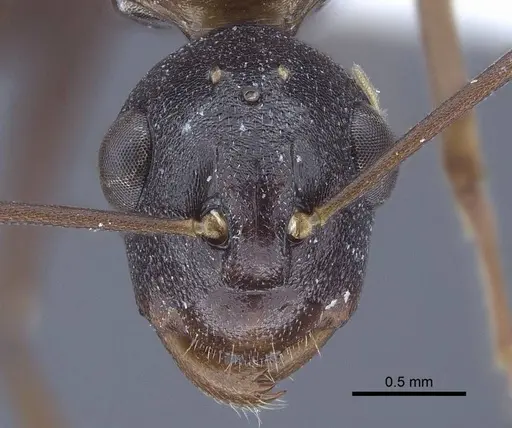
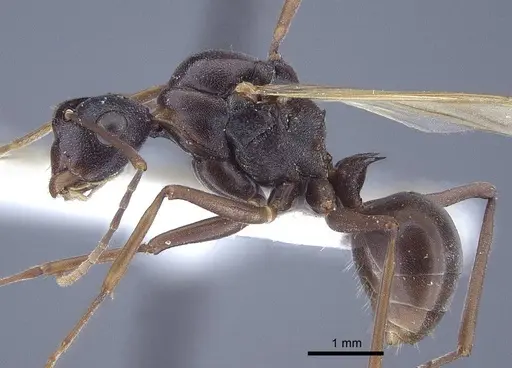
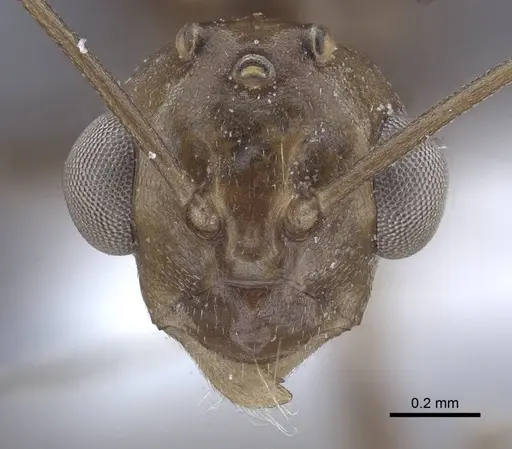
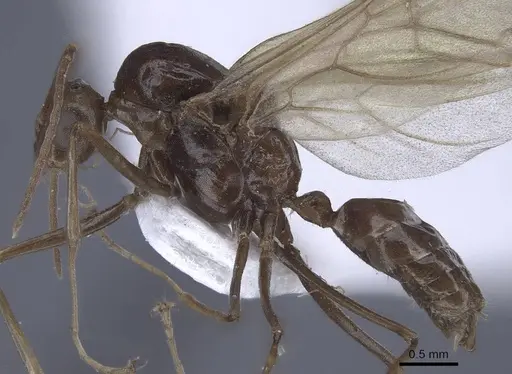
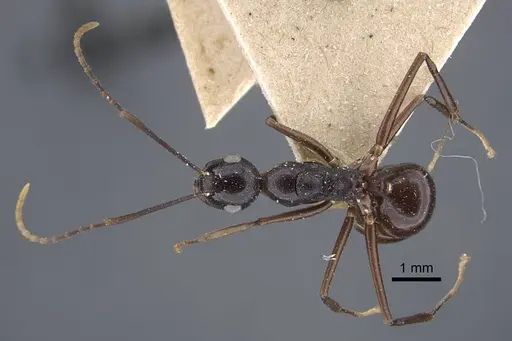
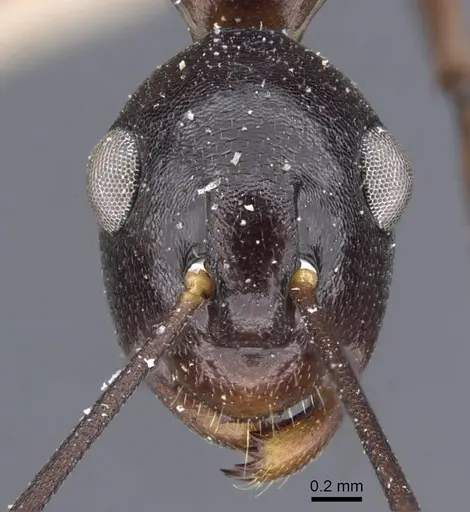
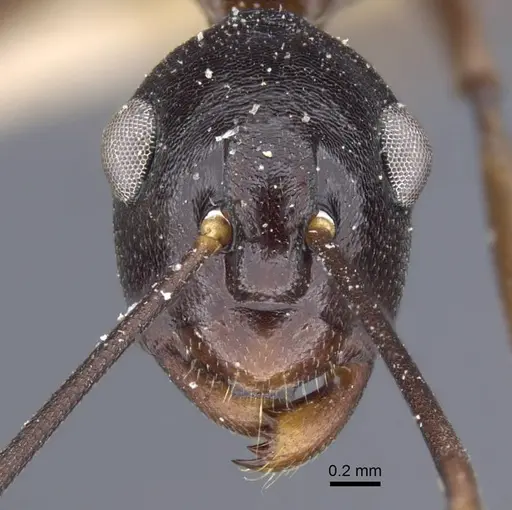
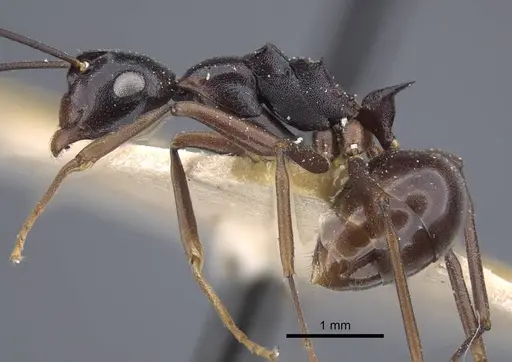
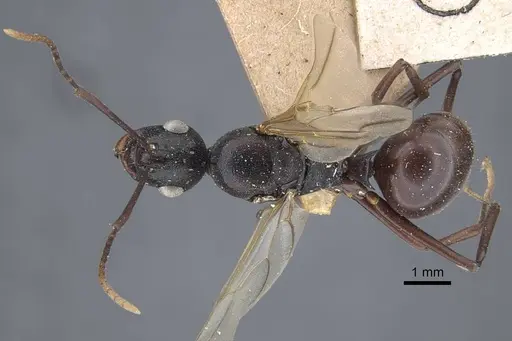
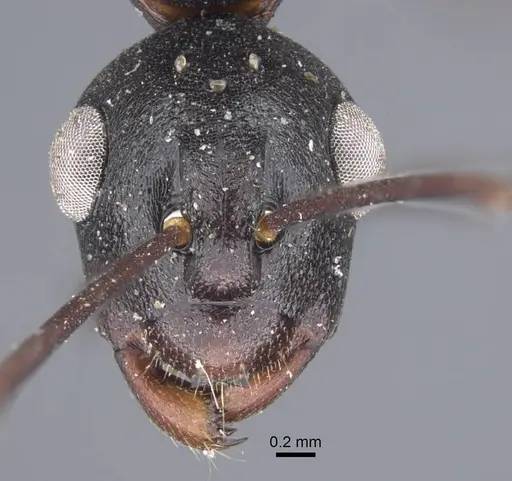
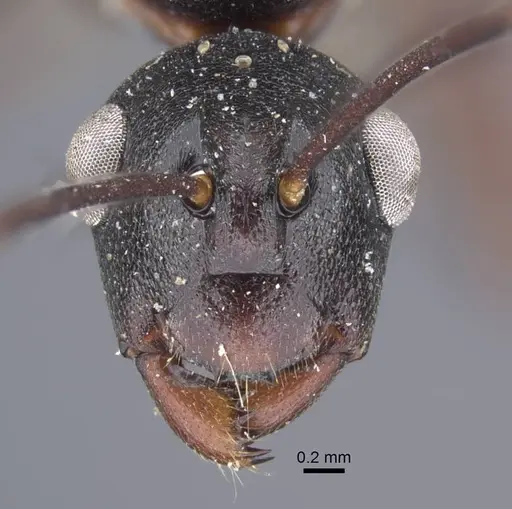
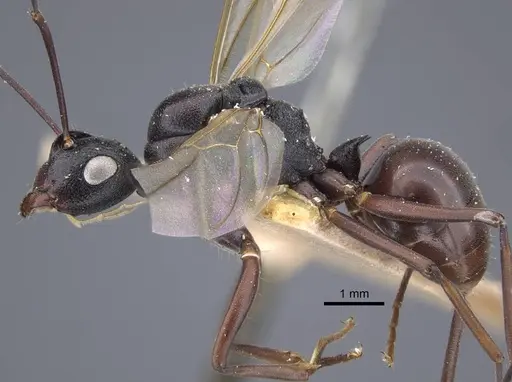
Polyrhachis derecyna is a medium-sized arboreal ant native to New Guinea and surrounding islands in the Australasian region. Workers are characterized by their spiny appearance with prominent spines on the thorax and gaster, typical of the Polyrhachis genus. The species was originally described as Polyrhachis dolomedes in 1863 but had to be renamed as that name was already taken, becoming P. derecyna in 1871 [1]. These ants nest in trees, constructing shelters from carton material and silk, a behavior that gives them the common name 'weaver ants' in related species. They have been recorded in undisturbed forest habitats across the Moluccan-Micronesian region [2].
Quick Summary
- Difficulty: Medium
- Origin & Habitat: New Guinea and surrounding islands in the Australasian region (Moluccan-Micronesian region). Found in undisturbed forest habitats [2].
- Colony Type: Likely monogyne (single queen colonies) based on typical Polyrhachis patterns. Colony size is unknown but likely moderate for the genus.
- Colony: Monogyne
- Founding: Claustral
- Size & Growth:
- Queen: Estimated 10-12mm based on genus patterns for medium-sized Polyrhachis species
- Worker: Estimated 6-8mm based on genus patterns
- Colony: Unknown, likely several hundred workers based on related Polyrhachis species
- Growth: Moderate, estimated based on typical Formicinae development
- Development: Estimated 6-8 weeks at optimal tropical temperatures (25-28°C) (Estimated based on typical Polyrhachis and Formicinae development patterns. Cocoons are present in this species [3].)
- Antkeeping:
- Temperature: Keep at 24-28°C. These are tropical ants from New Guinea, so they need warm, stable temperatures. A heating cable on one side of the nest creates a gradient [3].
- Humidity: Moderate to high humidity (60-80%). As arboreal nesters, they prefer humid conditions but the nest should not be waterlogged. Mist occasionally and provide a water tube.
- Diapause: No, these are tropical ants that do not require hibernation. Keep them warm year-round.
- Nesting: Arboreal nesters that use carton material and silk to construct their nests [3][4]. In captivity, a Y-tong (AAC) nest or naturalistic setup with branches works well. Provide twigs or small branches for them to build around. Avoid fully enclosed plaster nests as they prefer to build their own structures.
- Behavior: Workers are active foragers that patrol trees and vegetation. They are not particularly aggressive toward keepers but can defend their nest vigorously. Escape prevention is important, use fluon on nest edges. Their small size (estimated 6-8mm) means they can squeeze through small gaps, so fine mesh barriers are recommended.
- Common Issues: tropical species needs constant warmth, cold drafts can kill colonies, arboreal nature means they need vertical space and branches, flat horizontal nests may not be ideal, escape risk due to small size, use fine mesh and tight-fitting lids, carton-nesting behavior requires specific setup, standard test tubes may not be ideal for long-term housing, high humidity needs can lead to mold if ventilation is poor
Nest Preferences and Housing
Polyrhachis derecyna is an arboreal species that nests in trees using carton material and silk to construct their shelters [3][4]. This makes them different from ground-nesting ants that simply occupy pre-existing cavities. In captivity, you need to replicate this arboreal lifestyle. A Y-tong (AAC) nest with added twigs or small branches works well, or you can create a naturalistic setup with vertical elements. The key is providing them with materials they can manipulate and build around. Avoid fully enclosed plaster or acrylic nests without any structural elements, these ants prefer to have some control over their environment. A test tube setup can work for founding colonies, but established colonies should be moved to something with more vertical space and branching structures.
Feeding and Diet
Like most Polyrhachis species, these ants are omnivorous with a preference for protein. They will accept sugar sources (honey water, sugar water) and protein foods like small insects (fruit flies, small crickets, mealworms). In the wild, they forage on vegetation and trees, so they may be more arboreal in their foraging than ground-nesting species. Feed them a few small insects twice a week and keep a constant sugar water source available. Remove uneaten prey after 24-48 hours to prevent mold. Their tropical origin suggests they have high energy requirements, don't be surprised if they consume food quickly.
Temperature and Seasonal Care
As a tropical species from New Guinea, Polyrhachis derecyna needs warm, stable temperatures year-round. Keep the nest area at 24-28°C, this is warmer than many temperate species require. A small heating cable placed on one side of the nest can help maintain these temperatures, especially in cooler rooms. Never let temperatures drop below 20°C for extended periods. Unlike temperate species, they do not require diapause (winter rest). Keep them warm throughout the year. If your room temperature is naturally in this range, you may not need additional heating, but monitor during cooler months. [3]
Behavior and Colony Dynamics
Workers are active and alert, typical of the Polyrhachis genus. They are not among the most aggressive ants but will defend their nest if threatened. The species constructs nests from carton material, this is a notable behavior where workers manipulate plant fibers and secretions to create protective structures in trees [3]. This is similar to weaver ant behavior in related Oecophylla species, though P. derecyna is not a true weaver ant. Colonies likely grow moderately, expect several months before the first major increase in worker numbers. The presence of cocoons (rather than naked pupae) is confirmed for this species [3], which is typical for Polyrhachis.
Growth and Development
The complete development timeline is not specifically documented for P. derecyna, but based on typical Polyrhachis and Formicinae patterns, expect 6-8 weeks from egg to worker at optimal temperatures (25-28°C). First workers (nanitics) will likely be smaller than subsequent workers. The presence of cocoons means the pupal stage takes longer than species with naked pupae, but cocoons are easier to see and monitor. Growth rate is moderate, don't expect the rapid expansion seen in some fast-growing Myrmicinae species. Patience is key with this species. [3]
Frequently Asked Questions
How long does it take for Polyrhachis derecyna to produce first workers?
Based on typical Polyrhachis development patterns, expect 6-8 weeks from egg to first worker at optimal temperatures (25-28°C). This is an estimate as specific development timing has not been documented for this species.
Can I keep Polyrhachis derecyna in a test tube?
Test tubes work for founding colonies, but this arboreal species will do better long-term in a setup with vertical space and branches. A Y-tong nest with added twigs or a naturalistic setup is more appropriate for established colonies.
What do Polyrhachis derecyna eat?
They are omnivorous. Offer small insects (fruit flies, small crickets, mealworms) as protein and sugar water or honey water as a carbohydrate source. Feed protein 2-3 times per week with constant sugar water available.
Do Polyrhachis derecyna need hibernation?
No. These are tropical ants from New Guinea and do not require diapause. Keep them warm year-round at 24-28°C.
Are Polyrhachis derecyna good for beginners?
This species is rated as medium difficulty. While not the hardest species, their arboreal nature and specific nesting requirements (carton building) make them better suited for keepers who have already kept at least one colony successfully. Their tropical temperature needs require more attention than temperate species.
How big do Polyrhachis derecyna colonies get?
Colony size is not specifically documented, but based on related Polyrhachis species, expect several hundred workers at maturity. Growth is moderate, colonies expand gradually over several years.
When should I move Polyrhachis derecyna to a formicarium?
Keep them in a test tube or small container for the founding stage. Once the colony reaches 20-30 workers and you see them building carton material, transition to a more naturalistic setup with branches or a Y-tong nest. The key indicator is when the test tube starts to feel cramped.
Why is my Polyrhachis derecyna colony dying?
The most common causes are: temperatures too low (below 20°C), too dry conditions, or poor escape prevention. These tropical ants are sensitive to cold. Also check for mold in the nest. Ensure they have access to both sugar and protein foods.
Can I keep multiple queens together in one colony?
Polyrhachis derecyna is likely monogyne (single queen). Combining unrelated queens is not recommended as they likely will fight. Single-queen colonies are standard for this species.
References

This caresheet is licensed under CC BY-SA 4.0 .
CASENT0901814
View on AntWeb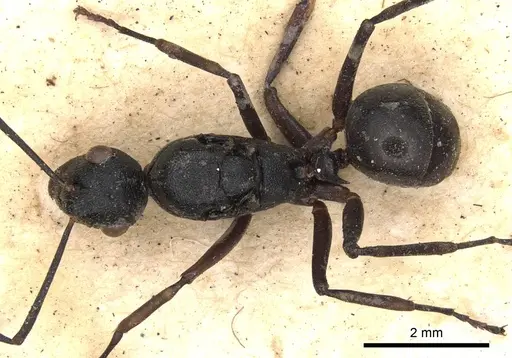
CASENT0901821
View on AntWeb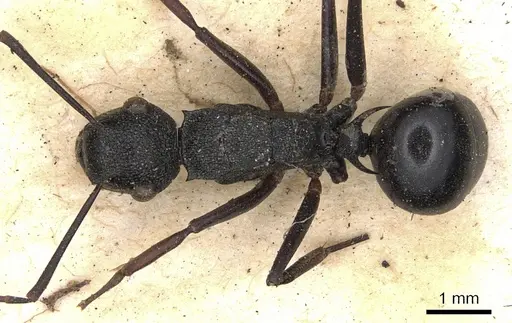
CASENT0901832
View on AntWeb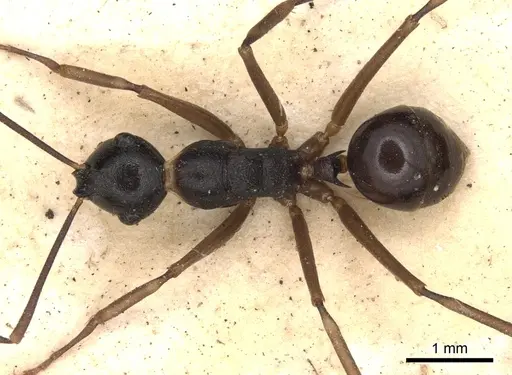
CASENT0903309
View on AntWeb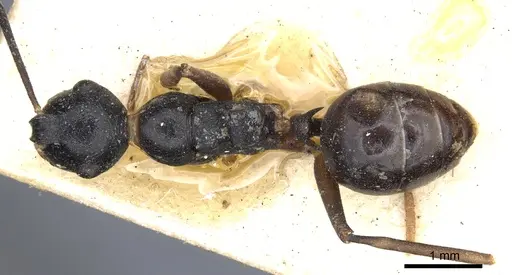
CASENT0903312
View on AntWeb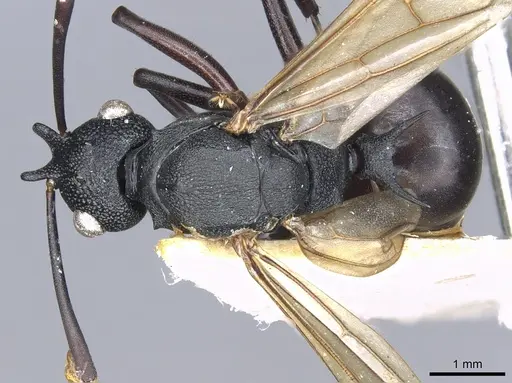
CASENT0906576
View on AntWeb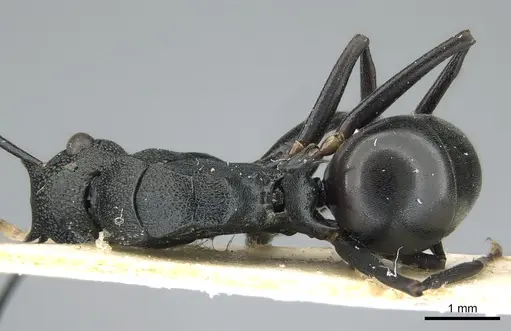
CASENT0912148
View on AntWeb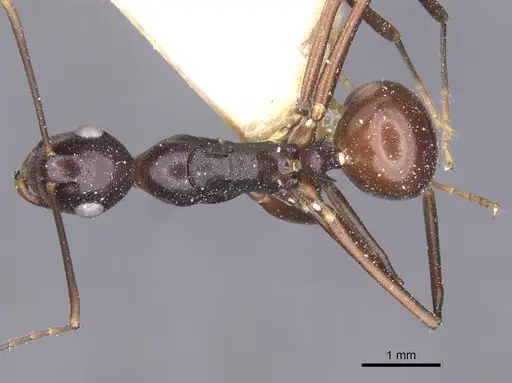
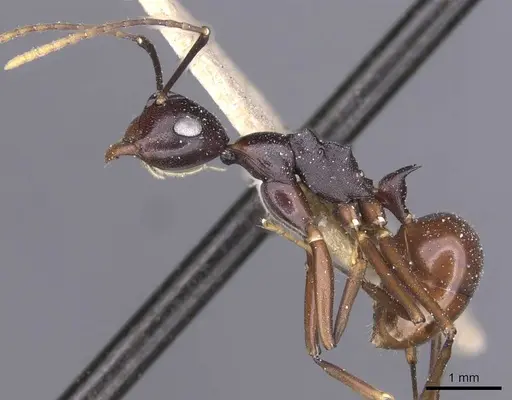
CASENT0916751
View on AntWeb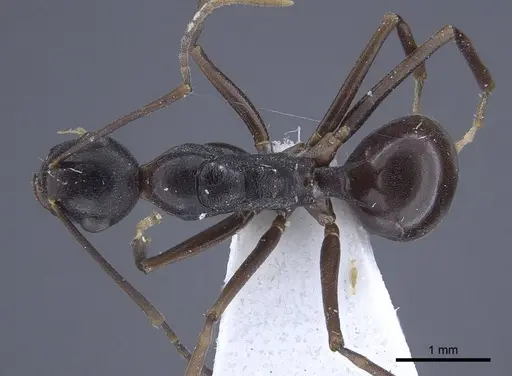
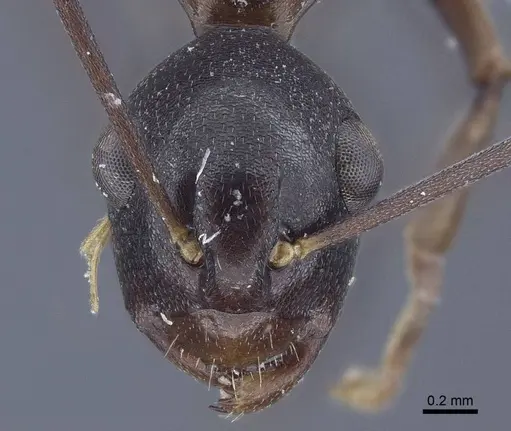
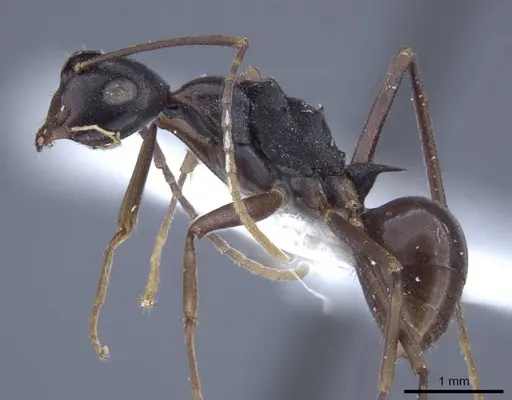
CASENT0916752
View on AntWeb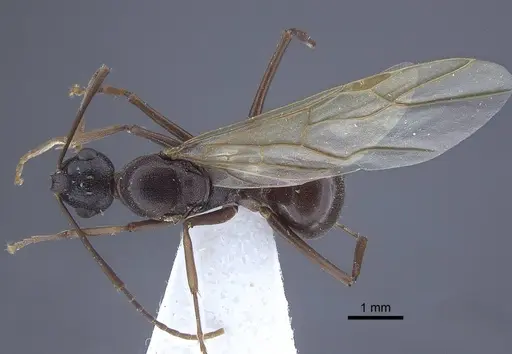
CASENT0916753
View on AntWeb
CASENT0917174
View on AntWeb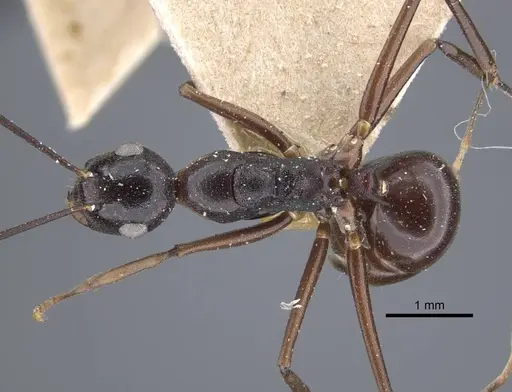
CASENT0917175
View on AntWeb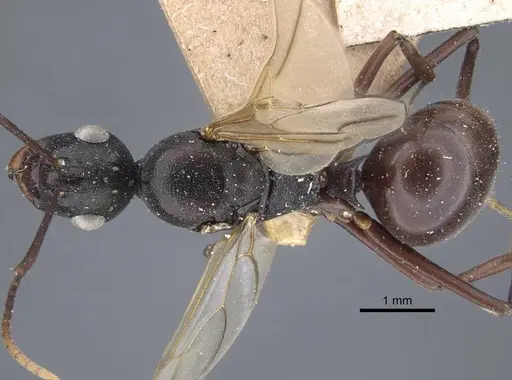
Literature
Loading...Loading products...