

Polyrhachis delicata
- Scientific Name
- Polyrhachis delicata
- Subgenus
- Myrmothrinax
- Tribe
- Camponotini
- Subfamily
- Formicinae
- Author
- Crawley, 1915
- Distribution
- Found in 1 countries
Polyrhachis delicata Overview
Polyrhachis delicata is an ant species of the genus Polyrhachis. It is primarily documented in 1 countries , including Australia. Detailed taxonomic data and occurrence records can be further explored via authoritative databases such as AntWeb or the Global Biodiversity Information Facility (GBIF).
Polyrhachis delicata
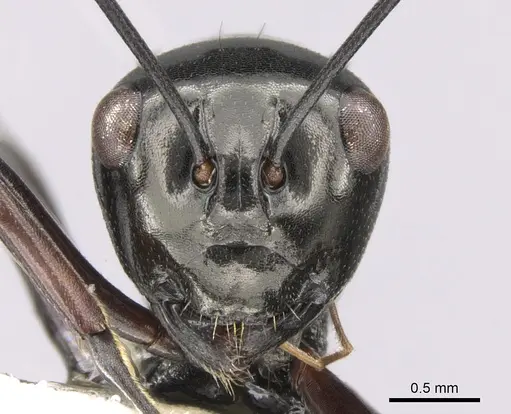
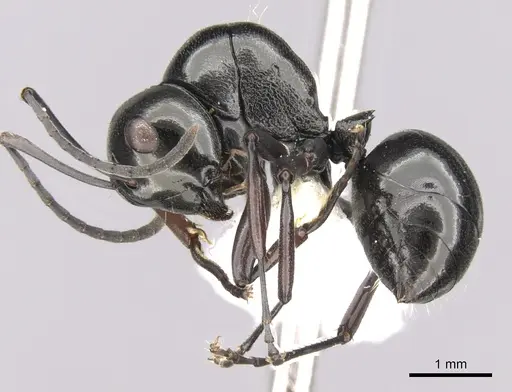
Polyrhachis delicata is an Australian arboreal ant known for its striking reddish-brown coloration with distinctive dark blotching. Workers measure 5.4-6.9mm with a medium to dark reddish-brown body often marked with light orange or red patches, while the head in fully pigmented specimens appears almost black. They have notably upturned propodeal spines and a slim petiolar node that narrows dorsally. This species nests in trees and shrubs across two isolated populations in Australia's northern regions, one around Darwin in the Northern Territory and another spanning from Cape York Peninsula to Cairns in Queensland. They construct nests by spinning silk to bind together leaves in lowland rainforests, creating distinctive woven leaf shelters typical of the subgenus Myrmothrinax.
Quick Summary
- Difficulty: Medium
- Origin & Habitat: Northern Australia in two disjunct populations: Darwin region (Northern Territory) and northern Queensland from Coen to Cairns. Inhabits lowland rainforest trees and shrubs where they use silk to join leaves into nest structures [1][2].
- Colony Type: Colony structure is unconfirmed. Based on genus patterns, likely single-queen (monogyne) colonies with multiple satellite nests typical of arboreal Polyrhachis species.
- Founding: Claustral
- Size & Growth:
- Queen: 8.11-8.67mm [1]
- Worker: 5.39-6.90mm [1]
- Colony: Unknown, likely moderate colonies typical of arboreal Formicinae
- Growth: Moderate, inferred from typical Polyrhachis growth patterns
- Development: 8-12 weeks, estimated based on related Formicinae species (Development timeline not directly studied, estimate based on genus-level data for similar arboreal Polyrhachis)
- Antkeeping:
- Temperature: Keep at 24-28°C. These are tropical rainforest ants from northern Australia requiring warm, stable conditions. A gentle heat gradient allows them to regulate temperature [1].
- Humidity: High humidity (70-85%). As arboreal rainforest ants, they need consistently moist conditions. Mist the outworld regularly and provide a water source.
- Diapause: No, being tropical, they do not require hibernation. Keep temperatures stable year-round [1].
- Nesting: Arboreal specialists requiring vertical space and climbing structures. Provide a naturalistic setup with live or artificial plants, twigs, and leaves they can weave together with silk. A Y-tong or acrylic nest with multiple chambers works, but they prefer constructing their own leaf nests. Include materials they can manipulate for nest-building.
- Behavior: Generally calm and non-aggressive compared to many Formicinae. Workers are active foragers that search for honeydew and small prey in the canopy. They have functional stings but rarely use them, preferring to flee or hide. Escape risk is moderate, they are good climbers but not particularly small. Their arboreal nature means they will use vertical space extensively. They produce pupal cocoons, which is unusual among Formicinae [2].
- Common Issues: humidity control is critical, dry conditions cause colony decline and death, they need vertical space and climbing structures, horizontal-only setups lead to stress, wild-caught colonies may be difficult to establish due to specific arboreal nesting requirements, silk-nesting behavior means they may not accept conventional horizontal nests readily, tropical species are sensitive to temperature drops below 22°C
Nest Preferences and Housing
Polyrhachis delicata is an arboreal species that naturally nests in woven leaf structures in rainforest trees and shrubs. In captivity, they need vertical space with climbing opportunities and materials they can manipulate. A naturalistic setup works best, provide artificial plants, twigs, and leaves they can bind together with silk. If using a formicarium, choose a Y-tong or acrylic nest with multiple chambers and ensure the outworld has plenty of climbing structures. They will not thrive in horizontal-only test tube setups. The key is providing materials that allow their natural silk-weaving behavior, artificial leaves, moss, or fabric strips work well. Keep the nest area humid but ensure ventilation prevents mold. [1][2]
Feeding and Diet
Like most Polyrhachis species, these ants are omnivorous with a preference for honeydew and small invertebrates. Offer sugar water or honey as a constant energy source. For protein, provide small live insects like fruit flies, pinhead crickets, or mealworms. They are arboreal foragers, so place food on elevated platforms or in the upper regions of the outworld. Fresh fruit can also be accepted. Feed protein 2-3 times per week and ensure sugar sources are always available. Remove uneaten prey after 24 hours to prevent mold.
Temperature and Seasonal Care
As a tropical species from northern Australia's rainforests, Polyrhachis delicata requires warm conditions year-round. Maintain temperatures between 24-28°C with a gentle gradient allowing workers to choose their preferred zone. They do not tolerate cool temperatures well, avoid anything below 22°C. No hibernation or diapause is required. Room temperature within this range is acceptable, but you may need a heating cable or mat in cooler climates. Place heating on the top or side of the nest, not underneath, to prevent excessive drying. Monitor for signs of stress if temperatures fluctuate. [1]
Behavior and Colony Dynamics
This species forms multiple nests per colony, a characteristic of arboreal Polyrhachis in the subgenus Myrmothrinax. Workers are active foragers that readily climb and explore vertical space. They are generally docile and will flee rather than engage when threatened. Unlike most Formicinae, they produce pupal cocoons, which means you may see silk-like cocoons in the nest rather than naked pupae. The colony will expand gradually, expect moderate growth rates with founding colonies taking several months to produce their first major worker batches. Queens are relatively large (8-11mm) and chunky, capable of claustral founding. [2][1]
Unique Silk-Nesting Behavior
Polyrhachis delicata belongs to the subgenus Myrmothrinax, known for their distinctive silk-weaving behavior. Workers use silk from their larvae to bind leaves together, creating protective nest structures in tree canopies. In captivity, you can observe this behavior by providing suitable materials. Artificial leaves, fabric strips, or moss placed in the outworld will be manipulated and woven into nest-like structures. This is one of the more fascinating behaviors to observe in captivity and represents a key part of their natural history. Providing varied materials allows them to display this species-typical behavior. [2][1]
Frequently Asked Questions
Can I keep Polyrhachis delicata in a test tube?
Test tubes are not ideal for this species. As arboreal ants, they need vertical space and climbing structures. A test tube-only setup will cause stress and prevent natural silk-weaving behavior. Use a naturalistic setup with climbing materials or a Y-tong nest with an outworld that has plenty of vertical elements.
How long until first workers in Polyrhachis delicata?
Expect 8-12 weeks from egg to first worker at optimal temperature (24-28°C). This is an estimate based on related Formyrhachis species, as the specific development timeline has not been directly studied. claustral founding means the queen raises the first brood alone without foraging.
What do Polyrhachis delicata eat?
They are omnivorous. Offer sugar water or honey as a constant energy source and protein sources like small insects (fruit flies, pinhead crickets, mealworms) 2-3 times per week. They will also accept fresh fruit. Place food on elevated platforms since they are arboreal foragers.
Are Polyrhachis delicata good for beginners?
This species is rated as medium difficulty. While not the most challenging, they do require specific conditions: high humidity, warm temperatures, and vertical climbing space. They are not as forgiving as some common species like Lasius. Beginners should ensure they can maintain warm, humid conditions year-round before attempting this species.
Do Polyrhachis delicata need hibernation?
No. Being a tropical species from northern Australia's rainforests, they do not require hibernation or any cooling period. Keep temperatures stable between 24-28°C year-round. Temperature drops below 22°C can stress or kill the colony.
When should I move Polyrhachis delicata to a formicarium?
Move them when the colony reaches 20-30 workers and you see them exploring beyond the initial setup. They prefer naturalistic setups with climbing materials over traditional formicaria. Ensure the new setup maintains high humidity and provides vertical space for their arboreal lifestyle.
Why is my Polyrhachis delicata colony declining?
The most common causes are: low humidity (below 70%), temperatures below 22°C, insufficient climbing space, or poor nutrition. Check all parameters first. Also ensure they have materials for silk-weaving behavior, without it, they may become stressed. Wild-caught colonies can be difficult to establish if they were stressed during collection.
Can I keep multiple queens together?
Colony structure is unconfirmed for this specific species. Based on typical Polyrhachis patterns, they likely form single-queen colonies. Combining unrelated queens is not recommended as it has not been documented for this species and could result in aggression.
How big do Polyrhachis delicata colonies get?
Colony size is not well documented, but based on related species, expect moderate colonies of several hundred workers. They are polydomous (maintain multiple nests), so the colony can spread across several nest sites in captivity.
References

This caresheet is licensed under CC BY-SA 4.0 .
CASENT0217425
View on AntWeb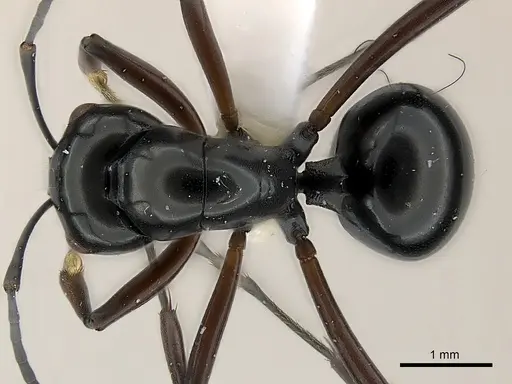
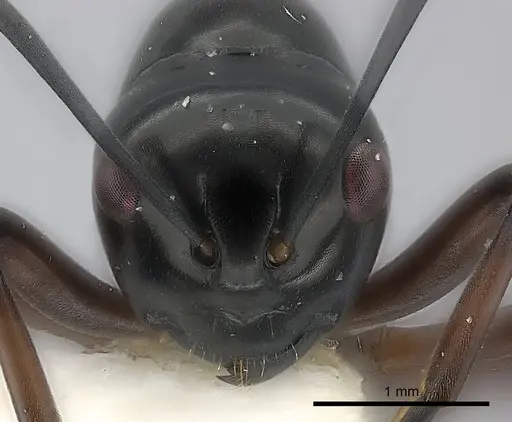
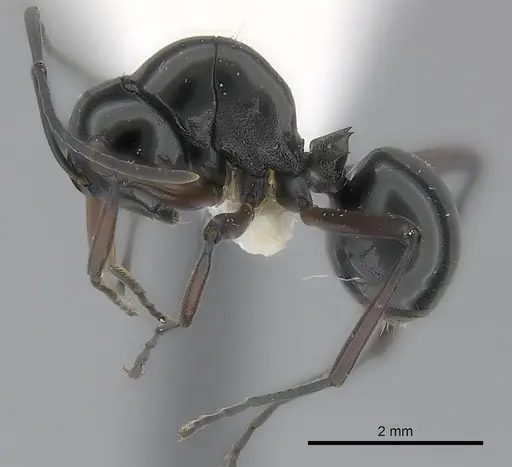
CASENT0281363
View on AntWeb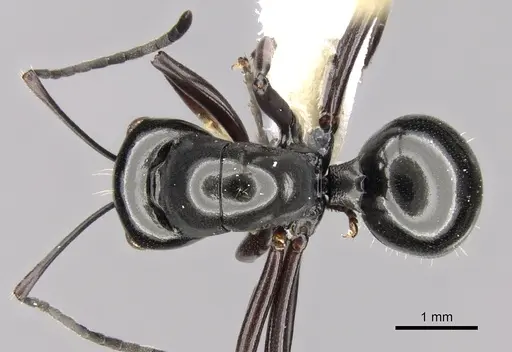
CASENT0903325
View on AntWeb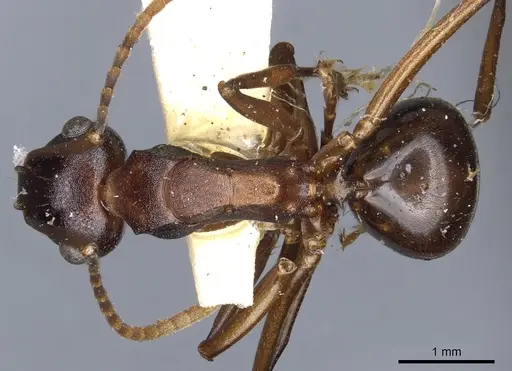
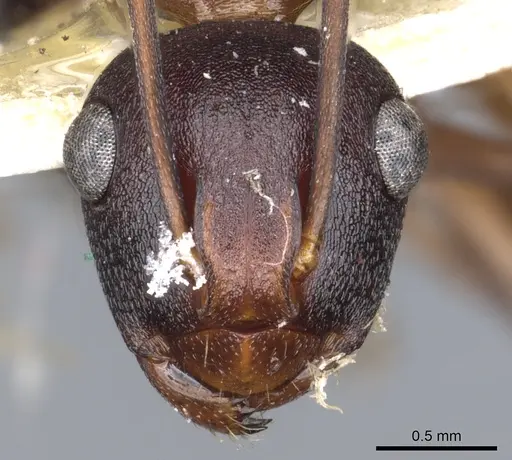
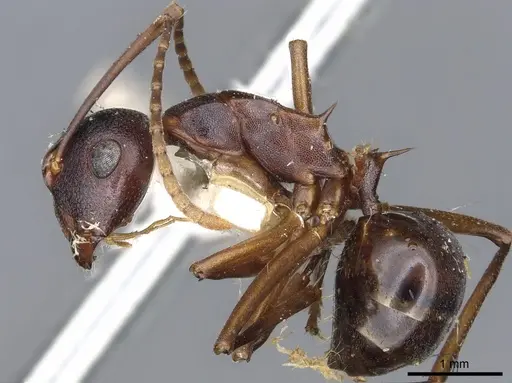
CASENT0912163
View on AntWeb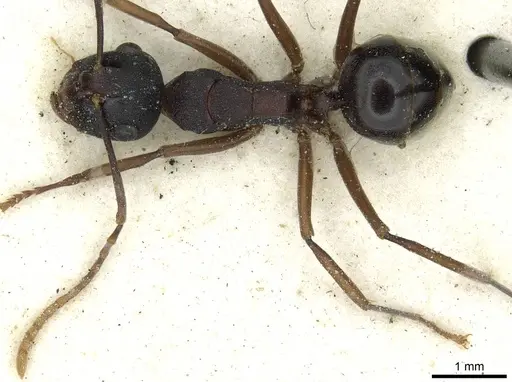
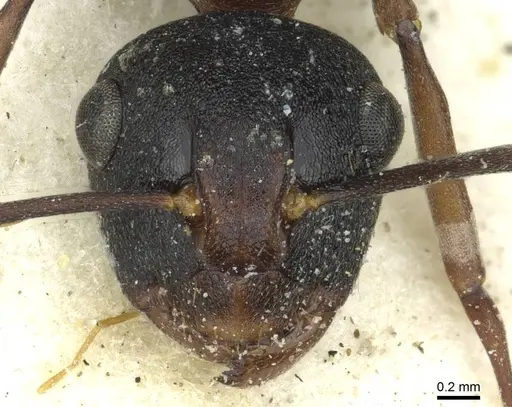
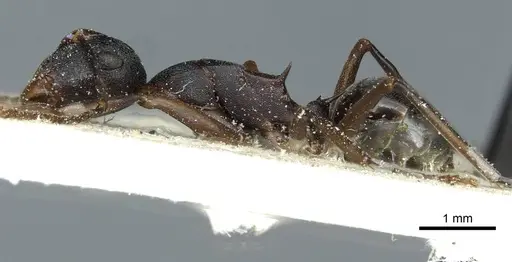
Literature
Loading...Loading products...