

Polyrhachis decumbens
- Scientific Name
- Polyrhachis decumbens
- Subgenus
- Cyrtomyrma
- Tribe
- Camponotini
- Subfamily
- Formicinae
- Author
- Kohout, 2006
- Distribution
- Found in 1 countries
Polyrhachis decumbens Overview
Polyrhachis decumbens is an ant species of the genus Polyrhachis. It is primarily documented in 1 countries , including Australia. Detailed taxonomic data and occurrence records can be further explored via authoritative databases such as AntWeb or the Global Biodiversity Information Facility (GBIF).
Polyrhachis decumbens
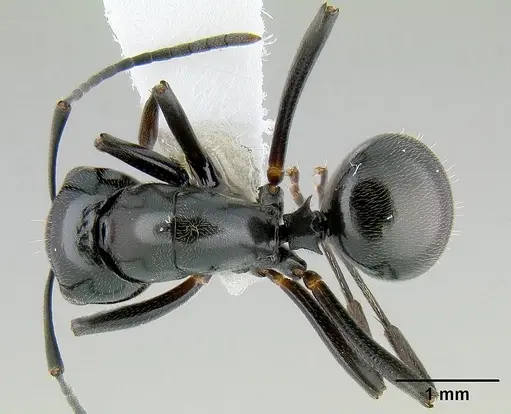
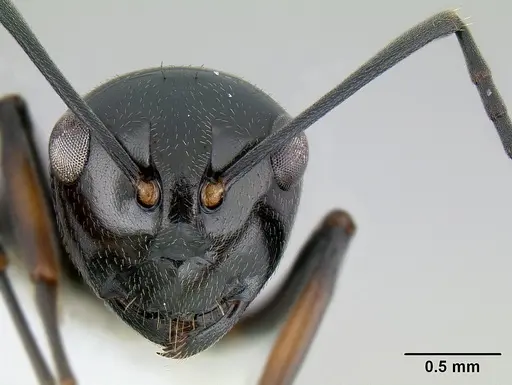
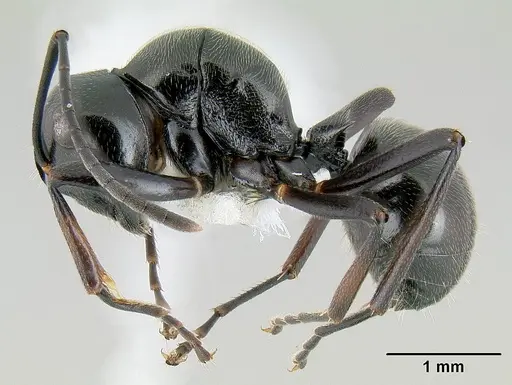
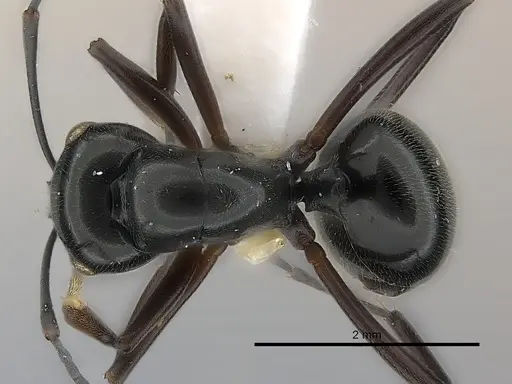
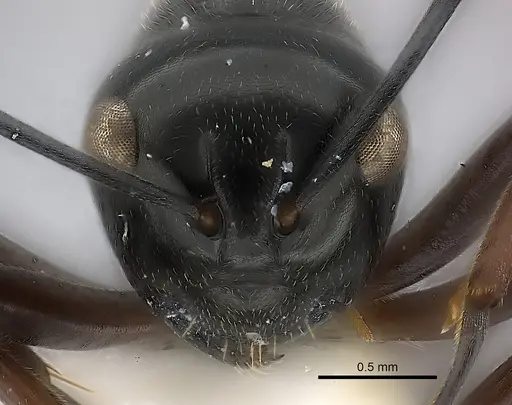
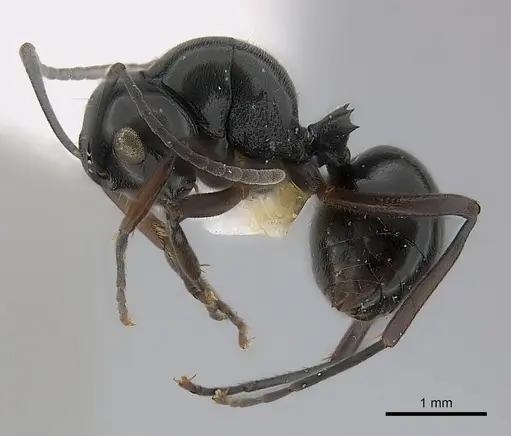
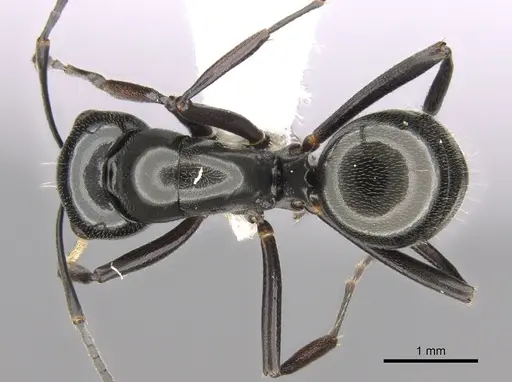
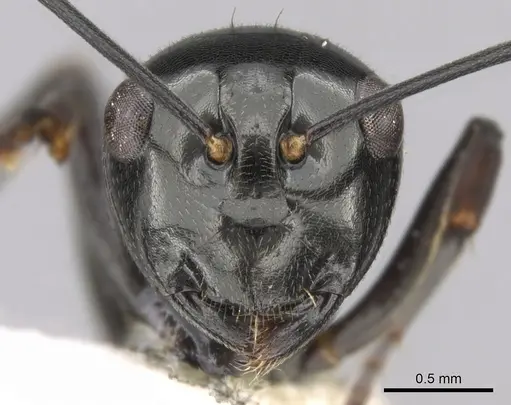
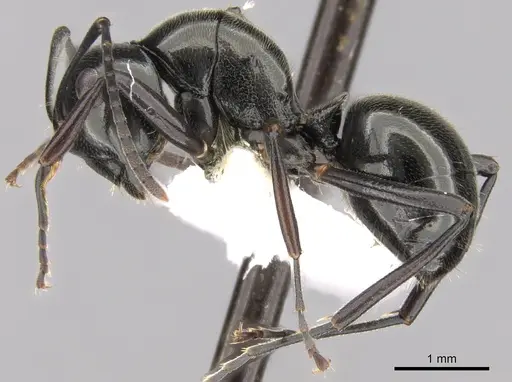
Polyrhachis decumbens is a medium-sized arboreal ant native to the rainforests of Cape York Peninsula in northern Australia and southern Papua New Guinea. Workers measure 4.79-5.49mm and are distinctively covered in short, decumbent hairs that give them a velvety appearance. They are black with reddish-brown mandibles, clypeus, and tibiae. Queens are larger at 7.00-7.26mm and closely resemble workers except for sexual characters. This species builds nests between leaves in trees and shrubs, using silk to bind vegetation debris together, a common behavior in the subgenus Cyrtomyrma. Unlike many ants, they do not spin cocoons around their pupae. They are closely related to Polyrhachis nomo but can be distinguished by their abundant pubescence and the shape of their heads.
Quick Summary
- Difficulty: Medium
- Origin & Habitat: Cape York Peninsula (north of 13° parallel) extending to southern Papua New Guinea, found in rainforest habitats [1]
- Colony Type: Colony structure is unconfirmed, the species has not been studied for queen number. Based on related Polyrhachis species, likely single-queen colonies.
- Size & Growth:
- Queen: 7.00-7.26mm [1]
- Worker: 4.79-5.49mm [1]
- Colony: Unknown, no colony size data available for this species
- Growth: Unknown, no development timing has been documented
- Development: Unknown, no direct measurements available. Based on typical Polyrhachis patterns, expect 6-10 weeks at tropical temperatures. (This is an estimated timeline based on genus-level patterns, not species-specific data.)
- Antkeeping:
- Temperature: As a tropical rainforest species, keep them warm at 24-28°C. A gentle temperature gradient allows ants to regulate their body heat.
- Humidity: High humidity is essential, rainforest species need 70-85% humidity. Keep the nest substrate consistently moist but not waterlogged.
- Diapause: No, this is a tropical species that does not require hibernation. Maintain warm conditions year-round.
- Nesting: Arboreal nesters in the wild, they build silk-bound nests between leaves. In captivity, they do well in acrylic nests or naturalistic setups with vertical climbing structures. Avoid fully horizontal setups, they prefer to build upward. Y-tong nests with multiple chambers work well, or provide twigs/branches they can nest between.
- Behavior: Generally peaceful and not aggressive toward keepers. Workers are active foragers that search for honeydew and small prey. They have a unique nutritional symbiosis with Blochmannia bacteria, which they acquire by tending sap-feeding insects, this means sugar sources are readily accepted. Escape risk is moderate since workers are around 5mm, standard barrier methods work well. Unlike many ants, they do not have a functional stinger, so they pose no danger to keepers.
- Common Issues: tropical species may struggle in cool rooms, monitor temperature closely, arboreal nature means they need vertical space, horizontal-only nests may cause stress, high humidity requirements can lead to mold if ventilation is poor, lack of documented colony data means keepers are working with estimates, monitor colony health and adjust care accordingly
Nest Preferences and Housing
Polyrhachis decumbens is an arboreal species that naturally nests between leaves in trees and shrubs, using silk to bind vegetation debris into a protective structure. In captivity, you should replicate this by providing vertical space and climbing structures. Y-tong (acrylic) nests work well, especially with multiple connected chambers. You can also create naturalistic setups with twigs, leaves, or cork bark positioned vertically. Avoid horizontal-only setups, these ants prefer to build upward and may become stressed without vertical space. The nest should have areas of tight fit where workers can feel secure, plus open spaces for foraging. Because they lack cocoons, ensure the nest material won't stick to developing pupae. [1]
Feeding and Diet
Like other Polyrhachis species in the tribe Camponotini, P. decumbens has a nutritional symbiosis with Blochmannia bacteria, they acquire these beneficial bacteria by tending sap-feeding insects. This means sugar sources are readily accepted. Offer a constant supply of sugar water or honey. They also need protein, small insects like fruit flies, pinhead crickets, or mealworms are appropriate for their size. Being arboreal foragers, they will search for food actively. Feed protein 2-3 times per week and keep sugar water available at all times. Remove uneaten prey after 24 hours to prevent mold.
Temperature and Humidity
As a tropical rainforest species from northern Australia and Papua New Guinea, P. decumbens requires warm, humid conditions. Keep temperatures in the range of 24-28°C. A heating cable on one side of the nest creates a gentle gradient that lets ants choose their preferred temperature. Humidity should be high, aim for 70-85%. The nest substrate should remain consistently moist but never waterlogged. Mist occasionally and use a water reservoir in the outworld to maintain humidity. Good ventilation is important to prevent mold while maintaining humidity, avoid both stagnant air and excessive drying. [1]
Behavior and Colony Dynamics
Workers of P. decumbens are active foragers that search for honeydew from sap-feeding insects and small prey. They are generally peaceful and do not show aggressive behavior toward keepers. The colony will establish multiple chambers connected by tunnels when given vertical space. Unlike many ant species, P. decumbens does not have a functional stinger, making them completely safe to handle. Workers are covered in short, velvety hairs that help them blend into their leafy environment. Queens closely resemble workers in appearance, which is unusual, most ant species have more distinct queen morphology. [1]
Growth and Development
The development timeline for P. decumbens has not been directly documented. Based on typical Polyrhachis patterns at tropical temperatures, expect 6-10 weeks from egg to first worker. Queens lay eggs which develop through larval and pupal stages, note that this species does not spin cocoons, so pupae are exposed. The first workers (nanitics) will be smaller than normal workers but will quickly be replaced by larger workers as the colony grows. Monitor colony activity levels, if workers are clustering near heat sources, the colony may need warmer conditions, if they avoid heated areas, reduce temperature slightly.
Frequently Asked Questions
How long does it take for Polyrhachis decumbens to produce first workers?
The exact timeline is unknown for this species, but based on typical Polyrhachis development at tropical temperatures (24-28°C), expect 6-10 weeks from egg to first worker. This is an estimate since species-specific development data has not been documented.
What do Polyrhachis decumbens ants eat?
They accept sugar readily (honey or sugar water) due to their Blochmannia symbiosis acquired from tending sap-feeding insects. They also need protein from small insects like fruit flies, pinhead crickets, or mealworms. Feed protein 2-3 times per week with sugar constantly available.
Can I keep Polyrhachis decumbens in a test tube?
Test tubes can work for founding colonies but are not ideal long-term. This is an arboreal species that prefers vertical space. Consider moving them to a Y-tong or naturalistic setup once the colony reaches 15-20 workers.
What temperature do Polyrhachis decumbens need?
Keep them warm at 24-28°C. As a tropical rainforest species from northern Australia and Papua New Guinea, they need consistent warmth year-round with no hibernation period.
Do Polyrhachis decumbens need hibernation?
No. This is a tropical species that does not require diapause or hibernation. Maintain warm conditions throughout the year.
Are Polyrhachis decumbens good for beginners?
They are rated as Medium difficulty. While not aggressive and do not sting, they have specific requirements, high humidity, warm temperatures, and vertical nesting space. Some experience with ant keeping is helpful.
How big do Polyrhachis decumbens colonies get?
Colony size data has not been documented for this species. Based on related Polyrhachis species, colonies likely reach several hundred to a few thousand workers over time.
When should I move my colony to a formicarium?
Move them when the test tube becomes crowded or the colony reaches around 15-20 workers. Provide a setup with vertical space and climbing structures to accommodate their arboreal nature.
Why is my Polyrhachis decumbens colony not growing?
Check temperature (should be 24-28°C), humidity (70-85%), and food availability. Ensure sugar is constantly available and protein is offered 2-3 times weekly. Arboreal species may also be stressed in horizontal-only setups, consider adding vertical structures.
References

This caresheet is licensed under CC BY-SA 4.0 .
Literature
Loading...Loading products...