

Polyrhachis debilis
- Scientific Name
- Polyrhachis debilis
- Subgenus
- Cyrtomyrma
- Tribe
- Camponotini
- Subfamily
- Formicinae
- Author
- Emery, 1887
- Distribution
- Found in 2 countries
Polyrhachis debilis Overview
Polyrhachis debilis is an ant species of the genus Polyrhachis. It is primarily documented in 2 countries , including Australia, Papua New Guinea. Detailed taxonomic data and occurrence records can be further explored via authoritative databases such as AntWeb or the Global Biodiversity Information Facility (GBIF).
Polyrhachis debilis
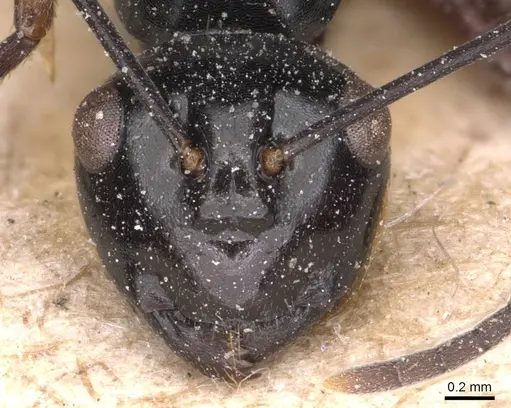
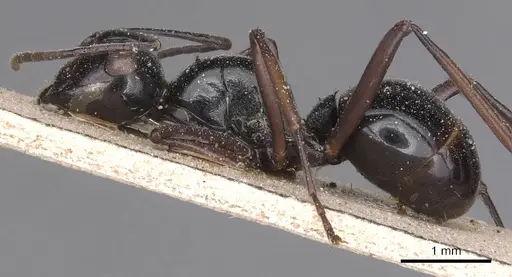
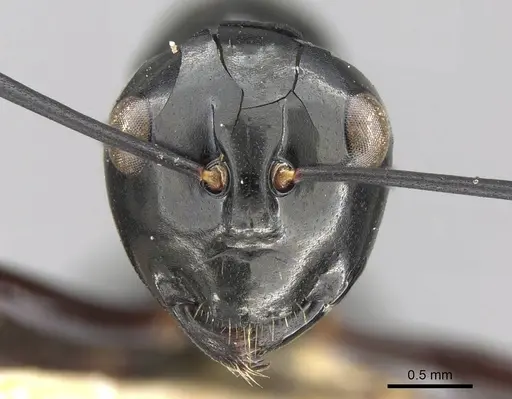
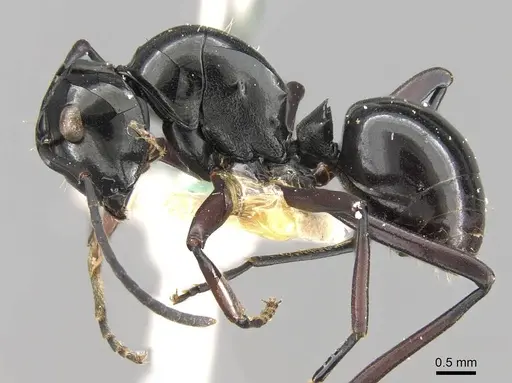
Polyrhachis debilis is a medium-sized arboreal ant belonging to the subgenus Cyrtomyrma. Workers measure around 7.5mm in total length with a distinctive dark black body and reddish-brown leg segments. They have small propodeal denticles (tiny spines on the rear of the thorax) and a relatively wide head. This species is found across Papua New Guinea, eastern Indonesia, Taiwan, and southern China, where it inhabits tropical rainforests.
What makes P. debilis particularly interesting is its nesting behavior, like other Cyrtomyrma species, these ants weave leaves together with silk to create arboreal nests in trees and shrubs [1][2]. They are also a known host for the zombie ant fungus (Ophiocordyceps unilateralis), which has been studied in Taiwan populations [3][4]. This fungal parasite manipulates infected ants to bite onto leaf veins before killing them, leaving distinctive dumbbell-shaped scars [4].
Quick Summary
- Difficulty: Medium
- Origin & Habitat: Tropical rainforests of Papua New Guinea, eastern Indonesia islands, Taiwan, and southern China (Hainan). They are arboreal nesters, building woven silk nests in trees and shrubs at various elevations up to 900m[5].
- Colony Type: Colony structure is unconfirmed. Based on related Polyrhachis species, likely single-queen (monogyne) colonies, though this has not been directly documented.
- Size & Growth:
- Queen: Similar to worker but larger, with more rounded pronotal shoulders and reduced propodeal teeth. Estimated 8-9mm based on genus patterns.
- Worker: 7.5mm total length (HL 1.5mm, HW 1.5mm).
- Colony: Unknown. Based on related arboreal Polyrhachis species, likely several hundred workers at maturity.
- Growth: Unknown, no development data available for this species.
- Development: Unconfirmed. Based on typical Polyrhachis patterns and tropical climate, estimated 6-8 weeks at optimal temperature. (No direct development studies exist for this species. Estimates based on genus-level data for related Cyrtomyrma species.)
- Antkeeping:
- Temperature: Tropical species, keep at 24-28°C. Provide a temperature gradient allowing workers to choose their preferred warmth.
- Humidity: High humidity required (70-85%). These ants naturally live in humid rainforest environments. Keep nest substrate moist but not waterlogged, with good ventilation to prevent mold[1].
- Diapause: No, as a tropical species, they do not require hibernation. Maintain consistent warm temperatures year-round.
- Nesting: Arboreal specialists. They need vertical space and materials to weave. Provide a setup with branches, leaves, or cork bark that allows for silk nest construction. Y-tong nests with added vegetation or a naturalistic setup with woven materials works well. Avoid fully enclosed test tube setups, they need access to build their characteristic silk nests [1][2].
- Behavior: Generally calm and non-aggressive compared to many arboreal ants. Workers are active foragers that search for honeydew and small insects in vegetation. They are medium-sized ants but not particularly defensive, their primary defense is fleeing. They have no functional sting. Escape risk is moderate, they can climb but are not especially small. They are primarily active in the warmer hours of the day.
- Common Issues: high humidity needs make mold a constant threat, ensure good ventilation while maintaining moisture, arboreal setup is more complex than ground-nesting ants, beginners may struggle with proper vertical housing, tropical warmth requirements mean higher energy costs for heating in temperate climates, zombie fungus infection risk exists in captivity, maintain clean conditions and good air circulation, colony growth is slow, new keepers may lose patience and abandon the colony
Nest Preferences and Housing
Polyrhachis debilis is an arboreal species that naturally nests in woven leaf structures in trees and shrubs. In the wild, workers use silk to bind leaves together, creating protected chambers for the colony [1][2]. This is a key consideration for captive care, they are not suited to standard test tube setups or underground formicaria.
For captive housing, provide a naturalistic or semi-naturalistic setup with vertical elements. Cork bark, live or artificial plants, and small branches give them materials to weave. Some keepers use mesh-sided enclosures that allow for natural nest construction. A Y-tong nest can work if supplemented with woven materials and vegetation that the ants can incorporate into their nest.
The key is giving them vertical space and appropriate materials. They will construct their nest by weaving leaves or other materials together with silk, just as they do in nature. This behavior is fascinating to observe and is one of the reasons keeping Polyrhachis is rewarding for experienced antkeepers.
Feeding and Diet
Like most Polyrhachis species, P. debilis is a generalist forager that collects honeydew from aphids and scale insects, plus small insects and other protein sources. In captivity, offer sugar water or honey as an energy source, along with small live or frozen insects (fruit flies, small crickets, mealworms).
They are arboreal foragers, so place food in elevated positions within their enclosure rather than on the ground. Fresh protein should be offered 2-3 times per week, with sugar water available constantly. Remove uneaten prey after 24-48 hours to prevent mold.
Because they lack cocoons (their pupae are naked), you can actually see the brood development, which helps you gauge whether your feeding regimen is supporting healthy growth. If you see healthy, progressing brood, your feeding is adequate. If brood appears to stall or workers look underweight, increase feeding frequency. [1][2]
Temperature and Humidity Requirements
As a tropical species from Papua New Guinea, Taiwan, and southern China, P. debilis requires warm, humid conditions. Maintain temperatures between 24-28°C with a slight gradient so workers can self-regulate. A heating cable on one side of the enclosure can provide this gradient.
Humidity should be kept at 70-85%. This is higher than many common ant species need, reflecting their rainforest origins. Mist the enclosure regularly and keep the nest material moist but never waterlogged. Good ventilation is essential, without it, mold will quickly become a problem in such humid conditions.
Because they are tropical, no hibernation or winter diapause is required. Maintain consistent temperatures year-round. Sudden drops in temperature or humidity can stress the colony and lead to decline. These ants are adapted to stable tropical conditions, so consistency is key. [5][4]
Behavior and Colony Dynamics
Polyrhachis debilis workers are active foragers that patrol vegetation in search of honeydew and prey. They are generally calm-tempered and not particularly aggressive toward keepers. While they can bite, their mandibles are small and the bite is not painful to humans.
Colonies appear to grow at a moderate pace, though exact development times are unknown. The absence of cocoons means pupae are visible throughout development, which makes monitoring brood health easier. Workers care for brood and maintain the nest structure.
Their arboreal nature means they are comfortable climbing on various surfaces. Provide enrichment with branches, leaves, and other vegetation that allows them to exhibit natural behaviors. Watching them weave nest materials is one of the most engaging aspects of keeping this species. [1][2]
Health Concerns and the Zombie Fungus
One notable aspect of P. debilis is its status as a host for Ophiocordyceps unilateralis, the zombie ant fungus. This parasitic fungus infects ants and manipulates their behavior, causing infected ants to bite onto leaf veins before the fungus kills them and produces reproductive structures (stromata) [3][4].
While this is primarily a concern in the wild, it highlights the importance of good husbandry in captivity. Maintain clean conditions, ensure good air circulation, and avoid introducing wild-caught insects that might carry fungal spores. The infection rate in wild populations in Taiwan was found to be around 6.8% [4], so while not common, it's a known risk.
For captive colonies, the risk is low if you maintain hygiene and avoid introducing potentially infected insects from areas where the fungus is known. Healthy colonies with good nutrition are more resilient to various health issues.
Frequently Asked Questions
Can I keep Polyrhachis debilis in a test tube setup?
No, test tube setups are not suitable for this species. P. debilis is an arboreal ant that weaves leaves together with silk to create nests. They need vertical space with branches, leaves, or cork bark to construct their natural woven nests. A naturalistic setup with mesh sides or a Y-tong nest supplemented with vegetation works best.
How long does it take for Polyrhachis debilis to produce first workers?
The exact development timeline is unconfirmed for this species. Based on related Polyrhachis species and tropical development patterns, expect approximately 6-8 weeks from egg to worker at optimal temperatures (24-28°C). This is an estimate, actual times may vary.
Are Polyrhachis debilis good for beginners?
This species is not ideal for beginners. Their arboreal nesting requirements, high humidity needs, and need for warm tropical conditions make them more challenging than common ground-nesting species. They also require a more complex setup with vertical elements and materials for nest weaving. Consider starting with a more established species first.
What temperature do Polyrhachis debilis need?
Keep them at 24-28°C. As a tropical species from Papua New Guinea, Taiwan, and southern China, they require consistent warmth. A heating cable on one side of the enclosure creates a gradient that allows workers to self-regulate their temperature.
Do Polyrhachis debilis need hibernation?
No, they do not require hibernation. As a tropical species, they need consistent warm temperatures year-round. Sudden temperature drops or seasonal cooling can stress the colony. Maintain 24-28°C throughout the year.
How big do Polyrhachis debilis colonies get?
Colony size is not well documented for this species. Based on related arboreal Polyrhachis species, mature colonies likely reach several hundred workers. Growth is moderate, but exact timelines are unknown.
What do Polyrhachis debilis eat?
They are generalist foragers. Offer sugar water or honey as an energy source, plus small insects (fruit flies, small crickets, mealworms) for protein. Place food in elevated positions since they are arboreal foragers. Remove uneaten prey after 24-48 hours to prevent mold.
Why are my Polyrhachis debilis dying?
Common causes include: temperature too low (they need 24-28°C), humidity too low or too high without ventilation (aim for 70-85% with good airflow), improper housing (they need vertical space and nest materials, not test tubes), or poor nutrition. Check these parameters first. Also ensure they are not being stressed by excessive handling or vibrations.
References

This caresheet is licensed under CC BY-SA 4.0 .
CASENT0905544
View on AntWeb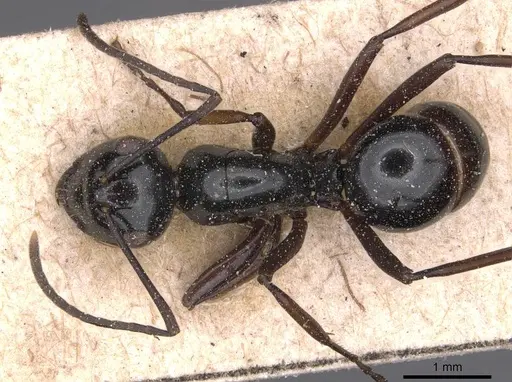
CASENT0906789
View on AntWeb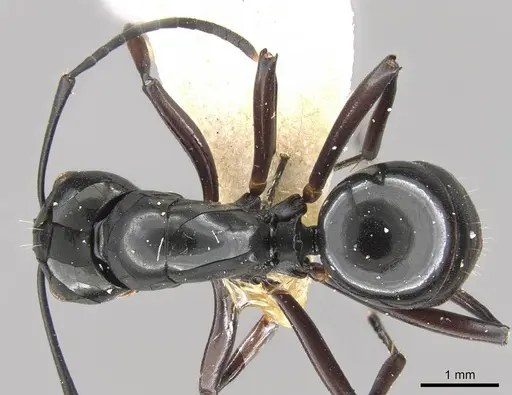
Literature
Loading...Loading products...