

Polyrhachis dahlii
- Scientific Name
- Polyrhachis dahlii
- Subgenus
- Myrmothrinax
- Tribe
- Camponotini
- Subfamily
- Formicinae
- Author
- Forel, 1901
- Distribution
- Found in 1 countries
Polyrhachis dahlii Overview
Polyrhachis dahlii is an ant species of the genus Polyrhachis. It is primarily documented in 1 countries , including Solomon Islands. Detailed taxonomic data and occurrence records can be further explored via authoritative databases such as AntWeb or the Global Biodiversity Information Facility (GBIF).
Polyrhachis dahlii
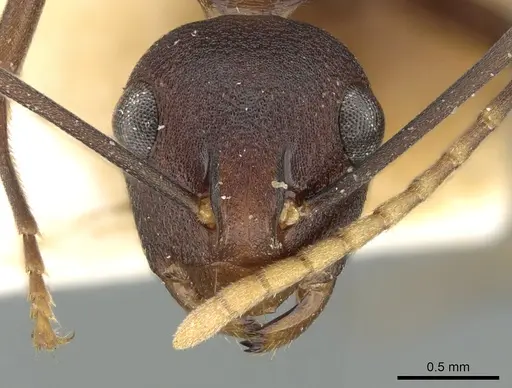
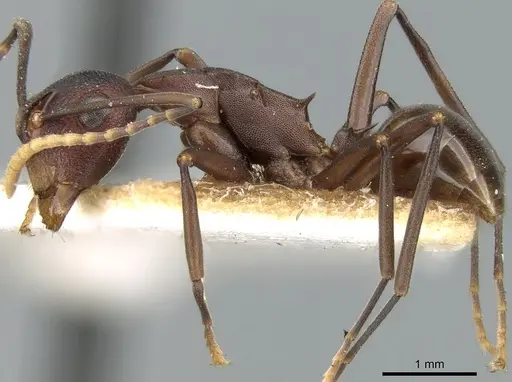
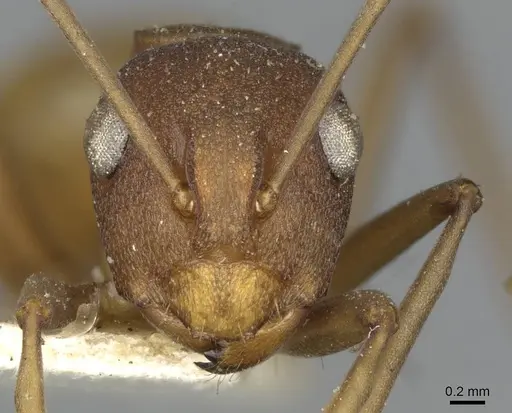
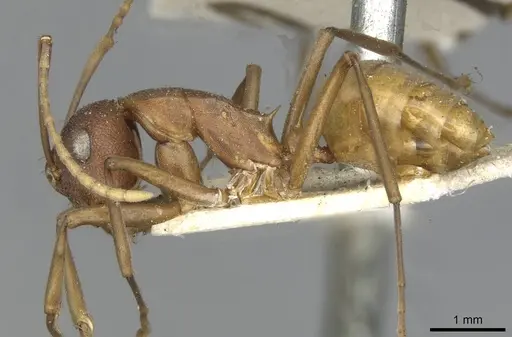
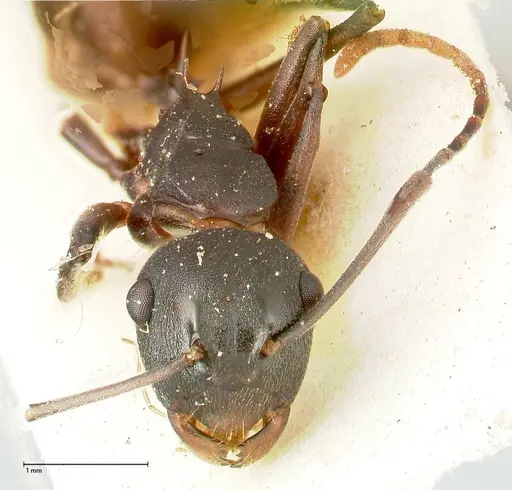
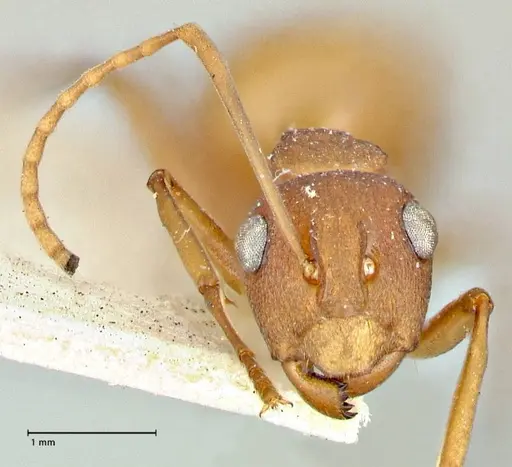
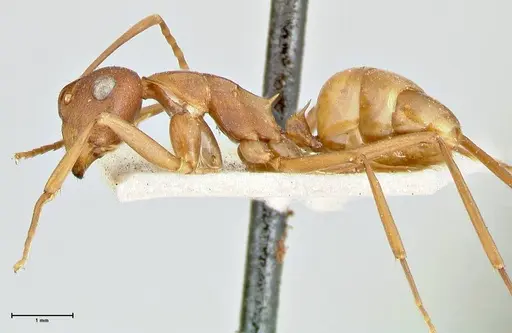
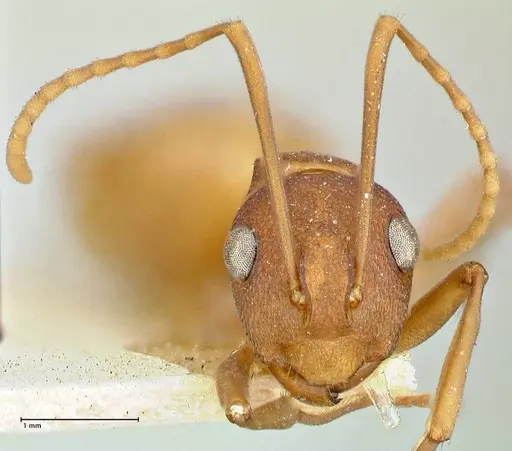
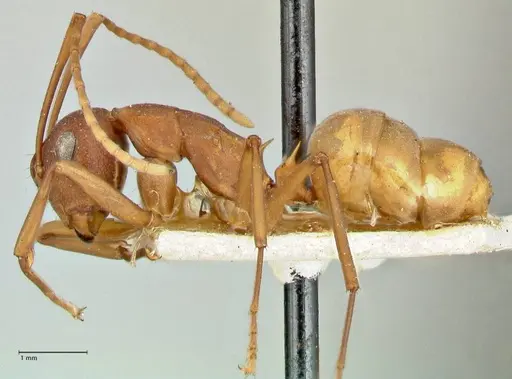
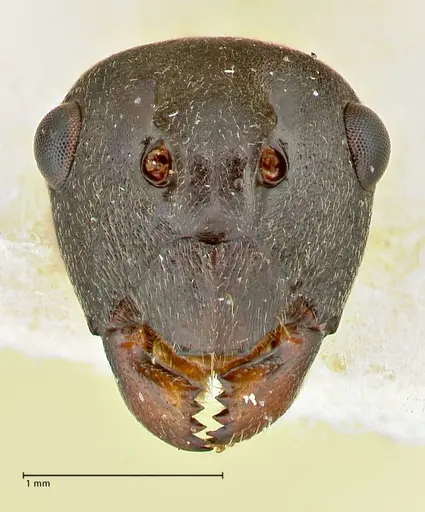
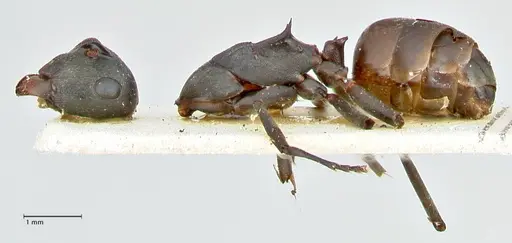
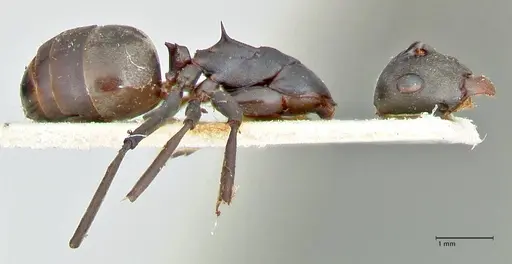
Polyrhachis dahliii is a tropical ant species native to the Bismarck Archipelago and Solomon Islands region in the southwestern Pacific [1]. Workers are yellow to very light yellowish-brown, with brown markings on the mandibular teeth, anterior clypeal margin, frontal carina, and the lateral margins of the pronotum and mesonotum. The head and mesosoma have coarse reticulate-punctate sculpturing, while the gaster is finely shagreened and highly polished. This species is considered relatively rare, with its distribution centered on the Bismarck Archipelago and extending to several Solomon Islands including Makira, Guadalcanal, Malaita, and Santa Isabel [2]. The species was first described by Forel in 1901 and has been confused historically with the similar-looking P. queenslandica, which is darker in color.
Quick Summary
- Difficulty: Medium
- Origin & Habitat: Bismarck Archipelago and Solomon Islands, tropical Pacific islands with humid, warm conditions. Found in lowland forest habitats [1][2].
- Colony Type: Single-queen (monogyne) colonies based on typical Polyrhachis patterns. Colony size appears modest based on limited collection records.
- Colony: Monogyne
- Founding: Claustral
- Size & Growth:
- Queen: Approximately 8-10mm (estimated from related Polyrhachis species)
- Worker: 6-8mm
- Colony: Likely several hundred workers based on typical genus patterns
- Growth: Moderate
- Development: Estimated 6-8 weeks at tropical temperatures (25-28°C), based on typical Polyrhachis development (Development time inferred from genus-level data, specific timing for this species unconfirmed)
- Antkeeping:
- Temperature: Keep at 24-28°C. Being a tropical species from the Solomon Islands, they need consistently warm conditions [3]. A heating cable on one side of the nest creates a suitable gradient.
- Humidity: Maintain moderate to high humidity (60-80%). Mist the outworld occasionally and keep the nest substrate slightly moist but not waterlogged. Tropical species appreciate a humid environment.
- Diapause: No, being a tropical species, they do not require hibernation. Keep them warm year-round.
- Nesting: In the wild, Polyrhachis species often nest in rotting wood, under bark, or in arboreal locations. In captivity, a Y-tong (AAC) nest, plaster nest, or naturalistic setup with wood pieces works well. They prefer tight, enclosed chambers.
- Behavior: Polyrhachis ants are generally moderate in activity level and not overly aggressive. Workers are medium-sized and can defend themselves if threatened. They are not known to be particularly escape-prone compared to smaller ants, but standard escape prevention (Fluon on test tube rims, fine mesh on outworlds) is still recommended. They typically forage for sugar sources and protein prey. They may show arboreal tendencies and appreciate climbing structures in the outworld.
- Common Issues: tropical species may suffer if temperatures drop below 22°C, keep warm year-round, limited distribution data means colony size and exact needs are estimates, monitor colony behavior and adjust, wild-caught colonies may be stressed from collection and transport, give them time to acclimate, tropical humidity requirements mean dry housing can cause problems, maintain moisture in nest, small colony sizes in the wild mean founding colonies may be slow to develop
Housing and Nest Setup
Polyrhachis dahliii does well in standard ant housing setups. A test tube setup works for founding colonies, with a cotton ball separating the water reservoir from the chamber. Once the colony reaches 15-20 workers, you can move them to a small formicarium. Y-tong (AAC) nests are excellent for this species because they provide the dark, enclosed chambers that Polyrhachis prefer. Plaster nests also work well and help maintain humidity. The outworld should be simple, a plastic container with a layer of substrate for foraging. Because they may show some arboreal tendencies, adding small branches or vertical structures gives them enrichment. Ensure escape prevention is in place, though they are not particularly escape-prone compared to tiny ants. [3]
Feeding and Diet
Like most Polyrhachis species, P. dahlii accepts a varied diet. Offer sugar water or honey as a constant energy source, they will readily take it. For protein, provide small insects like fruit flies, small crickets, or mealworms. In the wild, they likely forage for honeydew and small arthropods. Feed them a few times per week, offer protein 2-3 times weekly and keep sugar water available at all times. Remove uneaten prey after 24-48 hours to prevent mold. Adjust feeding based on colony size and appetite. [3]
Temperature and Humidity
Being from the tropical Solomon Islands and Bismarck Archipelago, P. dahlii requires warm, humid conditions. Keep the nest area at 24-28°C consistently. A small heating cable or heat mat on one side of the nest creates a temperature gradient that lets the ants choose their comfort zone. Room temperature may be too cool unless you live in a warm climate. Humidity should be moderate to high (60-80%). The nest substrate should feel slightly moist. Mist the outworld occasionally and consider a water reservoir in the formicarium. Avoid both drying out the nest and creating standing water. [3]
Colony Development
A claustral queen will seal herself in a chamber and raise the first workers (nanitics) entirely on her stored fat reserves. Do not disturb her during this founding period, it typically takes 4-8 weeks for the first workers to emerge, depending on temperature. Once workers arrive, they will take over foraging while the queen continues laying eggs. Colony growth is moderate, expect several months to reach 50 workers, and over a year to reach several hundred. Be patient with founding colonies as they are vulnerable to stress. Do not overfeed or over-handle new colonies. [3]
Seasonal Care
Unlike temperate species, P. dahlii does not require hibernation or winter dormancy. They should be kept warm year-round. If your room temperature drops below 22°C in winter, consider using a small heater or heat cable to maintain tropical temperatures. Their natural habitat in the Solomon Islands has minimal seasonal temperature variation, so consistency is key. Sudden temperature drops can stress or kill colonies. [3]
Frequently Asked Questions
How long does it take for Polyrhachis dahlii to produce first workers?
Expect first workers (nanitics) in about 6-8 weeks at optimal tropical temperatures (25-28°C). This is typical for Polyrhachis species. The exact timing depends on temperature, warmer conditions speed development, while cooler temperatures slow it down.
What do Polyrhachis dahlii ants eat?
They accept sugar sources (honey, sugar water) and protein (small insects like fruit flies, crickets, mealworms). Feed protein 2-3 times per week and keep sugar water available constantly. Remove uneaten prey after a day.
Do Polyrhachis dahlii ants need hibernation?
No. Being a tropical species from the Solomon Islands, they do not require hibernation. Keep them warm year-round at 24-28°C. They are active throughout the year in their native habitat.
Are Polyrhachis dahlii good for beginners?
They are moderate difficulty, not the easiest but not challenging. They require warm, humid conditions typical of tropical ants, which means you need to monitor temperature more carefully than for temperate species. If you can provide consistent warmth, they are manageable for intermediate antkeepers.
How big do Polyrhachis dahlii colonies get?
Based on typical Polyrhachis patterns, colonies likely reach several hundred workers. They are not among the largest Polyrhachis species. Exact maximum colony size for this specific species is unconfirmed due to limited field data.
Can I keep multiple Polyrhachis dahlii queens together?
This species appears to be monogyne (single-queen colonies) based on typical Polyrhachis behavior. Combining unrelated queens is not recommended as they would likely fight. Only keep one queen per colony.
What temperature is best for Polyrhachis dahlii?
Keep them at 24-28°C. Being from tropical Pacific islands, they need consistently warm conditions. A small heat gradient allows them to regulate their temperature. Avoid temperatures below 22°C.
When should I move Polyrhachis dahlii from a test tube to a formicarium?
Move them once the colony reaches 15-30 workers and the test tube is becoming crowded. Make sure the new nest has appropriate humidity and dark chambers. They adapt well to formicaria once established.
Why is my Polyrhachis dahlii colony declining?
Common causes include: temperatures too low (below 22°C), humidity too low (drying out), overfeeding leading to mold, or stress from disturbance. Check all environmental parameters and reduce handling. Wild-caught colonies may also carry parasites.
References

This caresheet is licensed under CC BY-SA 4.0 .
CASENT0906579
View on AntWeb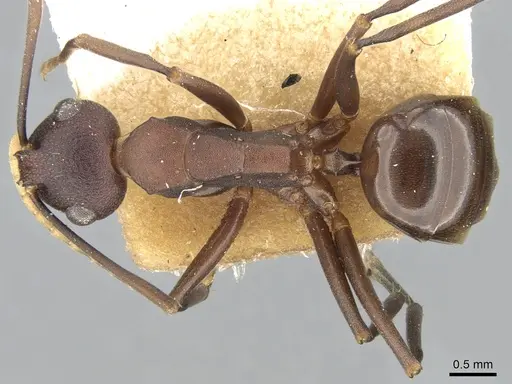
CASENT0910792
View on AntWeb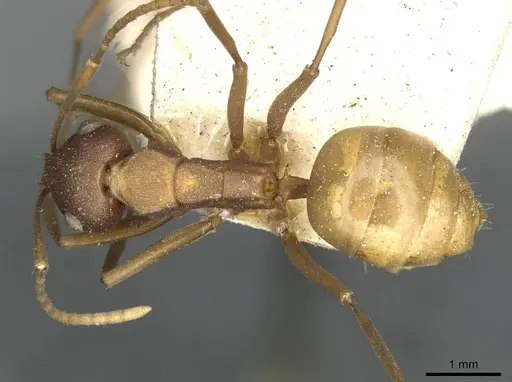
FOCOL0453
View on AntWeb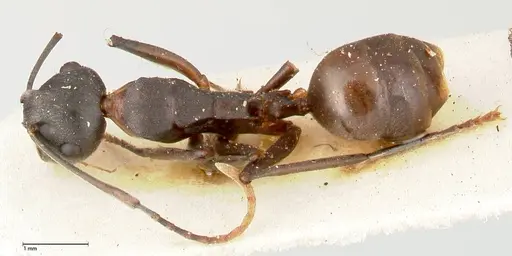
FOCOL2535
View on AntWeb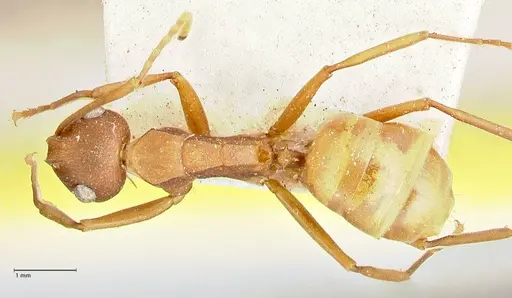
FOCOL2536
View on AntWeb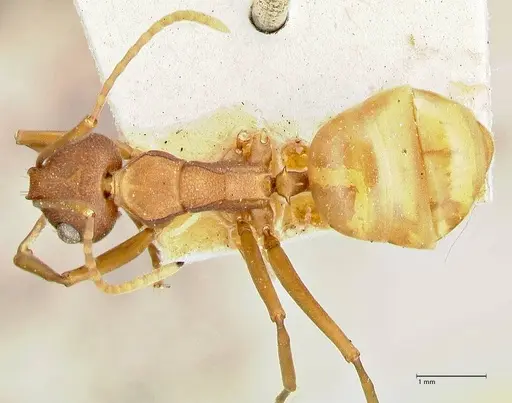
FOCOL2541
View on AntWeb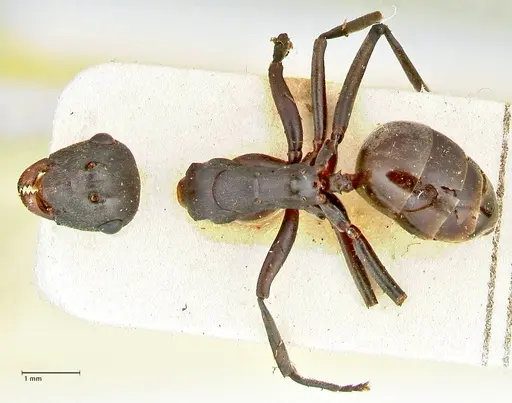
Literature
Loading...Loading products...