

Polyrhachis cyrus
- Scientific Name
- Polyrhachis cyrus
- Subgenus
- Chariomyrma
- Tribe
- Camponotini
- Subfamily
- Formicinae
- Author
- Forel, 1901
- Distribution
- Found in 2 countries
Polyrhachis cyrus Overview
Polyrhachis cyrus is an ant species of the genus Polyrhachis. It is primarily documented in 2 countries , including Australia, Papua New Guinea. Detailed taxonomic data and occurrence records can be further explored via authoritative databases such as AntWeb or the Global Biodiversity Information Facility (GBIF).
Polyrhachis cyrus
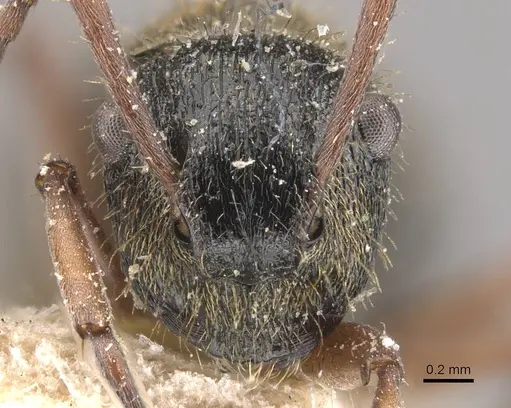
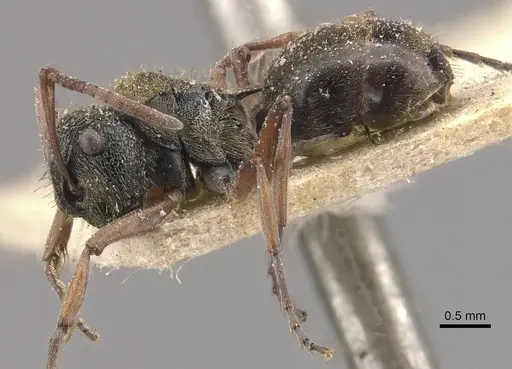
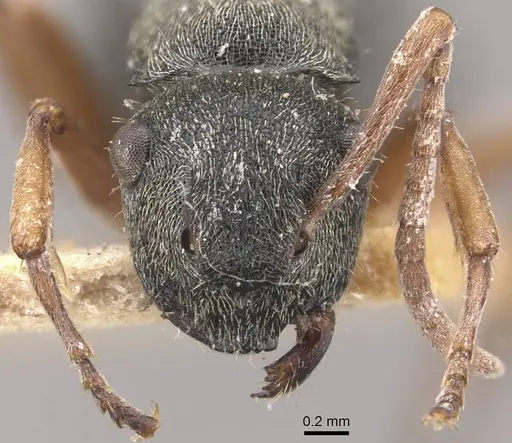
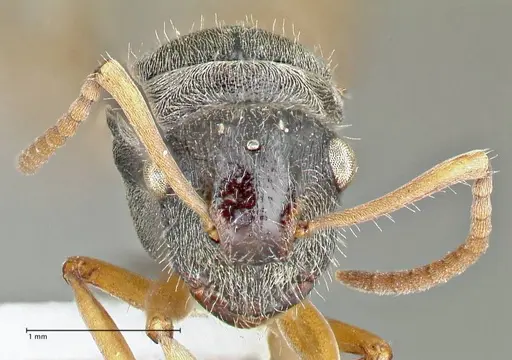
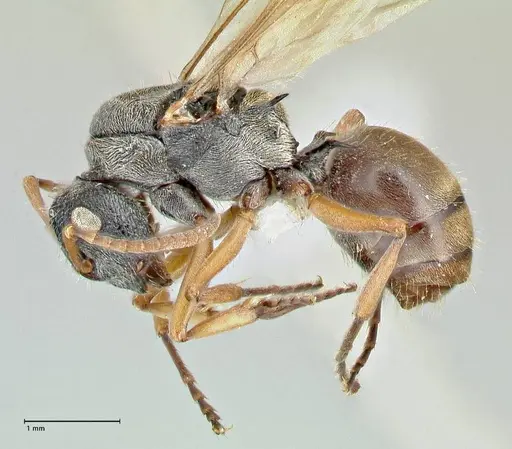
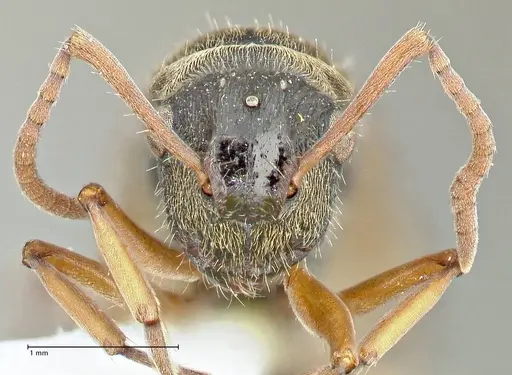
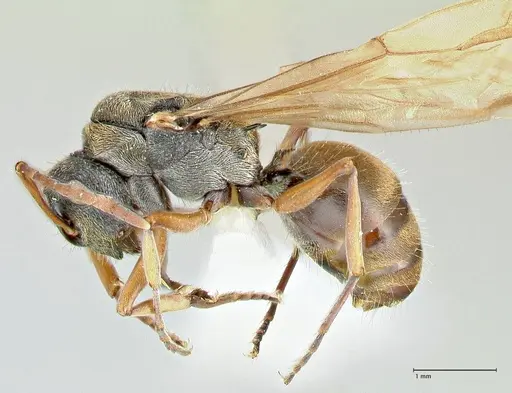
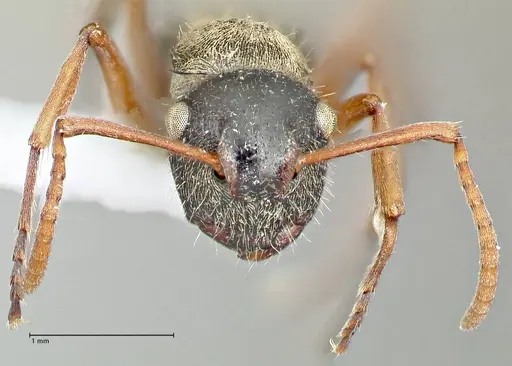
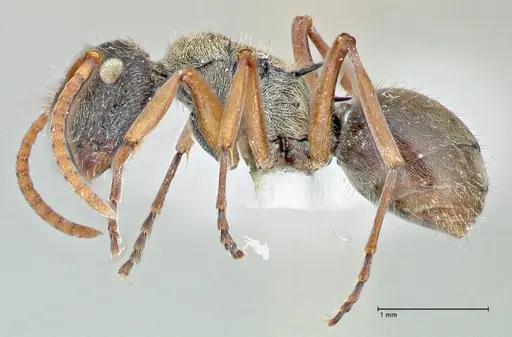
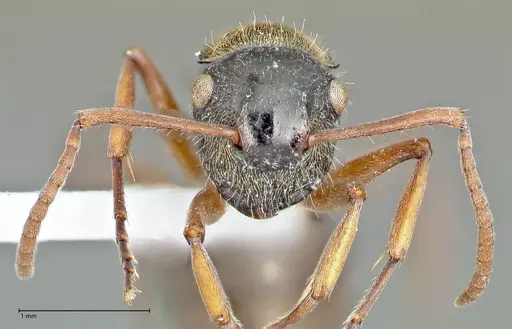
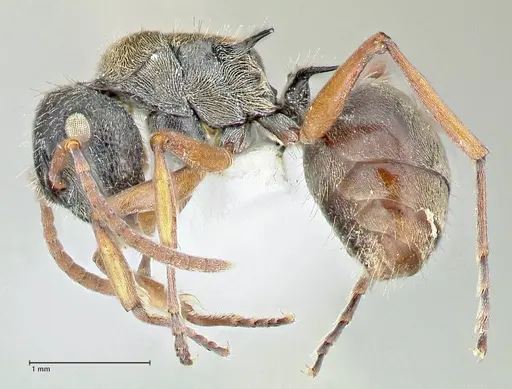
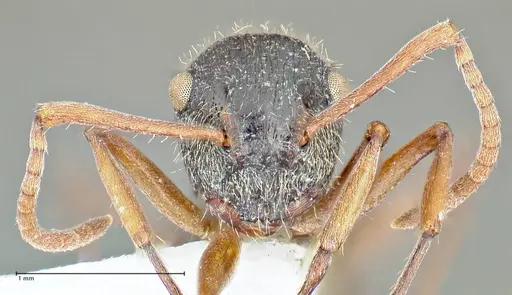
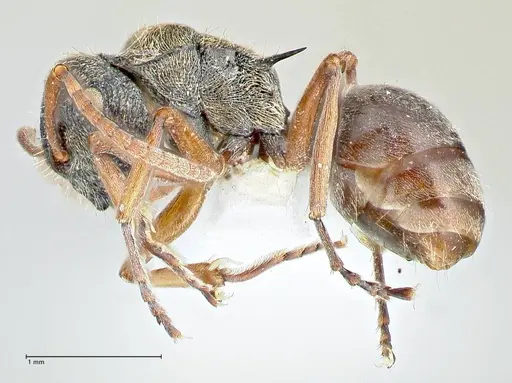
Polyrhachis cyrus is a medium-sized ant species found across northern Australia and New Guinea. Workers are typically dark brown to black with distinctive spines protruding from the thorax and abdomen, giving them their common name of 'spiny ant.' The genus Polyrhachis is known for these ornamental spines, which serve as defense mechanisms against predators. Queens are larger than workers and can be distinguished by their more robust build and developed thorax. This species belongs to the subgenus Chariomyrma and is part of the Subordinate Camponotini functional group, indicating a relatively peaceful temperament compared to more aggressive ant species [1].
Quick Summary
- Difficulty: Medium
- Origin & Habitat: Northern Australia and New Guinea (Bismarck Archipelago). This species has a Torresian biogeographic affinity, meaning it originates from the tropical northern Australian and Papuan region [1]. In the wild, they nest in subterranean locations or in rotting wood (lignicolous) [2].
- Colony Type: Colony structure is not well documented for this specific species. Most Polyrhachis species establish single-queen colonies, though some can be polygynous under certain conditions. The presence of ergatoid (wingless) replacement reproductives has not been documented for P. cyrus.
- Founding: Claustral
- Size & Growth:
- Queen: Estimated 10-12mm based on genus patterns, species-specific measurements not available
- Worker: Estimated 6-9mm based on genus patterns, species-specific measurements not available
- Colony: Unknown for this species. Polyrhachis colonies typically range from hundreds to a few thousand workers
- Growth: Moderate, based on typical Formicinae development patterns
- Development: Estimated 6-8 weeks at optimal tropical temperatures based on related Formicinae species (Development time is estimated from genus-level data since species-specific measurements are not available. Cocoons are present, which is typical for this genus [2][3].)
- Antkeeping:
- Temperature: Keep at 24-28°C. As a tropical species from northern Australia and New Guinea, they require warm conditions year-round. A heating cable on one side of the nest can create a temperature gradient [2].
- Humidity: Moderate to high humidity (60-80%). Their natural habitat in the humid tropics of northern Australia and New Guinea suggests they prefer damp conditions. Keep the nest substrate consistently moist but not waterlogged. Provide a water tube for drinking access.
- Diapause: Likely minimal or no true diapause. As a tropical species, they probably do not require hibernation. However, slight temperature reduction during winter months (around 22-24°C) may be beneficial to simulate natural seasonal cycles.
- Nesting: Subterranean or lignicolous (wood-nesting). In captivity, they do well in Y-tong (AAC) nests, plaster nests, or naturalistic setups with soil substrate. They prefer tight, enclosed chambers that mimic their natural underground or rotting wood nesting sites [2].
- Behavior: Polyrhachis cyrus belongs to the Subordinate Camponotini functional group, suggesting they are relatively non-aggressive and may be outcompeted by more dominant ants [1]. Workers are active foragers but not particularly aggressive toward keepers. They have spines for defense, which can deter predators but pose minimal threat to humans. Escape risk is moderate, they are not tiny ants but can climb smooth surfaces. Use standard escape prevention measures like Fluon on test tube rims. They are primarily nocturnal or crepuscular foragers in the wild.
- Common Issues: tropical species requires consistent warmth, cold temperatures can slow or stop brood development, subterranean nesting means they need secure, dark chambers, exposure to light may cause stress, wild-caught colonies may carry parasites that can decimate captive colonies, moderate growth rate means colonies take time to establish, patience is required, humidity control is important, too dry and brood desiccates, too wet and mold becomes a problem
Housing and Nest Setup
Polyrhachis cyrus does well in several nest types that accommodate their subterranean and lignicolous (wood-nesting) preferences. Y-tong (acrylic) nests work excellently for this species, providing dark chambers that simulate underground conditions. Plaster nests are also suitable, as they allow you to maintain consistent humidity levels. If using a naturalistic setup, provide a deep soil layer (at least 5cm) so they can dig their own chambers. Avoid tall, open spaces, these ants prefer compact, tight-fitting chambers. The outworld should include a water tube for drinking and a foraging area with easy access to food. Because they are tropical ants, avoid placing the nest near air conditioning vents or cold windows. [2][3]
Feeding and Diet
In the wild, Polyrhachis ants are omnivorous, feeding on honeydew, small insects, and plant secretions. In captivity, offer a varied diet: sugar water or honey as an energy source (always available), and protein sources like mealworms, small crickets, or other feeder insects 2-3 times per week. Remove uneaten prey after 24 hours to prevent mold. Some Polyrhachis species also accept fruit, but observe your colony's preferences. Fresh water should always be available. Since they are tropical ants, ensure food does not spoil quickly in warm conditions.
Temperature and Seasonal Care
As a tropical species from northern Australia and New Guinea, Polyrhachis cyrus requires warm temperatures year-round. Maintain nest temperatures between 24-28°C. A heating cable placed on one side of the nest creates a gradient that allows ants to regulate their own temperature. During winter, you can slightly reduce temperatures to 22-24°C, but avoid dropping below 20°C. Unlike temperate species, they do not require a true hibernation period. However, slight seasonal temperature variation may help maintain natural activity cycles. Monitor colony behavior, if workers become sluggish, increase temperature slightly. [1]
Colony Growth and Development
Polyrhachis cyrus produces cocoons, which is typical for the genus [2][3]. The first workers (nanitics) will be smaller than mature workers but should emerge within 6-8 weeks under optimal conditions. Growth rate is moderate, do not expect rapid expansion. A healthy colony will grow steadily over months and years. The queen can live for many years, with colonies potentially reaching several thousand workers. Be patient during the founding phase, claustral queens seal themselves in and do not forage while raising the first brood. Disturb the nest as little as possible during this critical period.
Handling and Temperament
This species belongs to the Subordinate Camponotini functional group, indicating relatively peaceful colony dynamics [1]. Workers are not particularly aggressive and will typically flee rather than attack when threatened. However, they possess defensive spines that can deter predators. For antkeepers, they are generally easy to handle, they are not prone to biting and their spines are too small to penetrate human skin. They are moderate escape artists, while not tiny, they can climb smooth surfaces. Apply Fluon or similar barriers to prevent escapes, especially around test tube setups. They are best kept as a observation colony rather than for handling.
Frequently Asked Questions
How long does it take for Polyrhachis cyrus to produce first workers?
Based on typical Formicinae development, expect first workers (nanitics) in approximately 6-8 weeks at optimal temperatures of 24-28°C. This is an estimate since species-specific development times have not been documented.
What temperature do Polyrhachis cyrus ants need?
Keep them warm at 24-28°C year-round. As a tropical species from northern Australia and New Guinea, they require consistent warmth. A heating cable on one side of the nest can provide the warmth they need.
Do Polyrhachis cyrus ants need hibernation?
No, they likely do not require true hibernation. As a tropical species, they prefer warm conditions year-round. You can provide a slight temperature reduction (to around 22-24°C) in winter, but avoid cold temperatures below 20°C.
What do Polyrhachis cyrus ants eat?
They are omnivorous. Offer sugar water or honey constantly for energy, and protein sources like small insects (mealworms, crickets) 2-3 times per week. Remove uneaten prey within 24 hours.
Are Polyrhachis cyrus good for beginners?
They are rated as medium difficulty. They require warm, humid conditions and have slower growth than some species. They are peaceful and easy to handle, but their tropical requirements make them better suited for keepers who can maintain stable temperatures.
How big do Polyrhachis cyrus colonies get?
Exact colony size is unknown for this species, but Polyrhachis colonies typically reach several hundred to a few thousand workers over several years.
Can I keep multiple Polyrhachis cyrus queens together?
Colony structure is not well documented for this species. Most Polyrhachis species are monogyne (single queen), but some can be polygynous. It is not recommended to combine unrelated foundress queens as aggression is likely.
Why is my Polyrhachis cyrus colony not growing?
Check temperature (should be 24-28°C), humidity (60-80% moisture), and food availability. Cold temperatures, dry conditions, or insufficient protein can all slow growth. Also ensure the queen is still laying eggs and the colony is not stressed by excessive disturbance.
References

This caresheet is licensed under CC BY-SA 4.0 .
CASENT0906745
View on AntWeb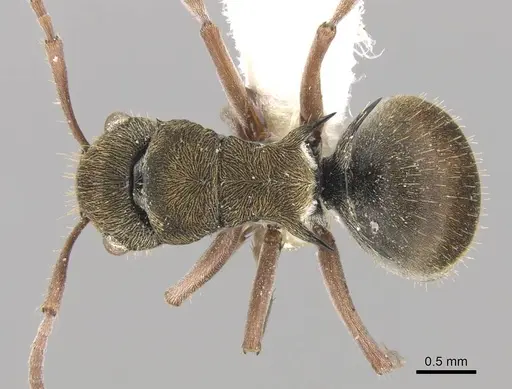
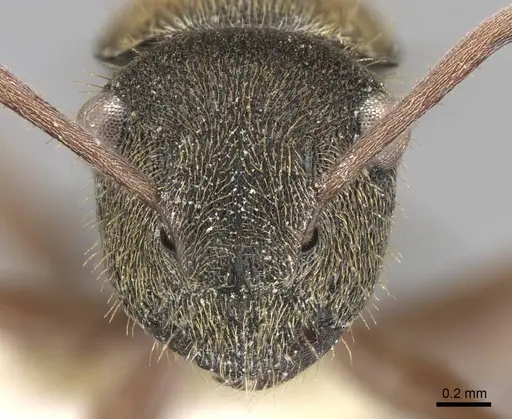
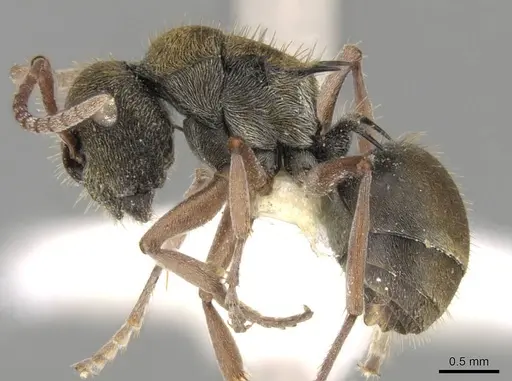
CASENT0910821
View on AntWeb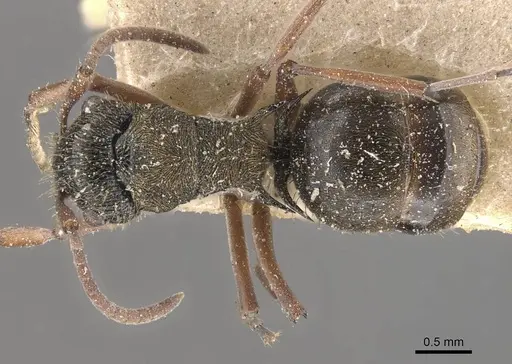
CASENT0910832
View on AntWeb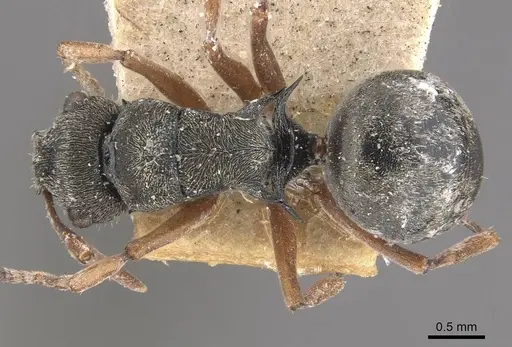
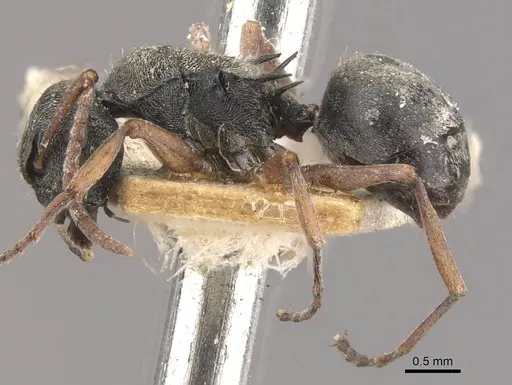
FOCOL2601-1
View on AntWeb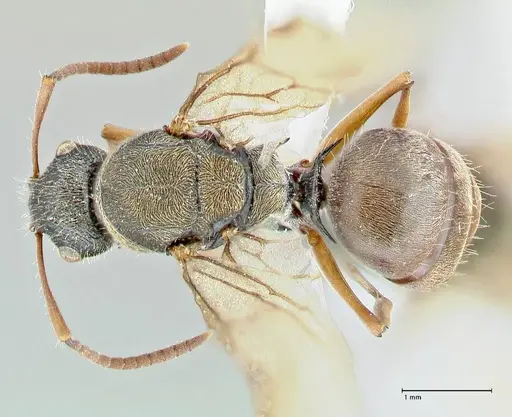
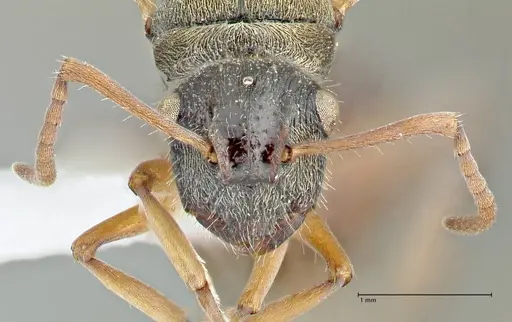
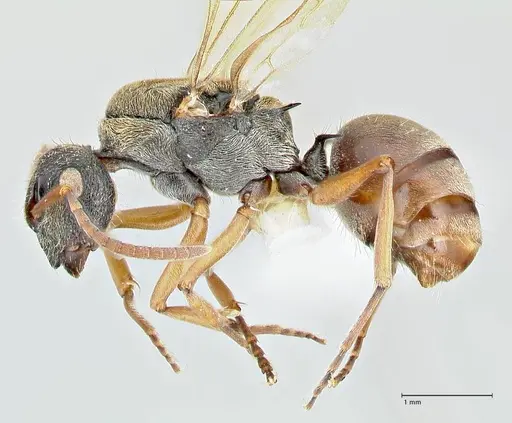
FOCOL2601-2
View on AntWeb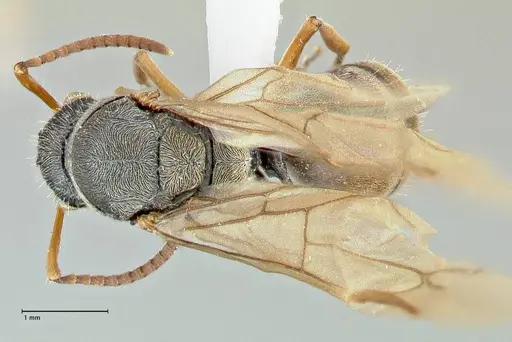
FOCOL2601-3
View on AntWeb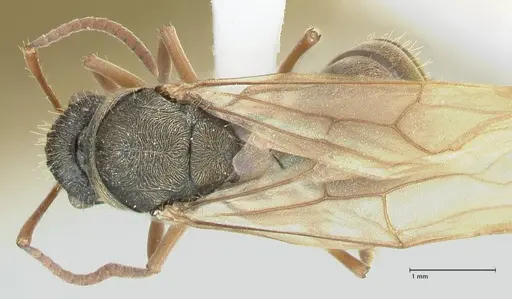
FOCOL2602-1
View on AntWeb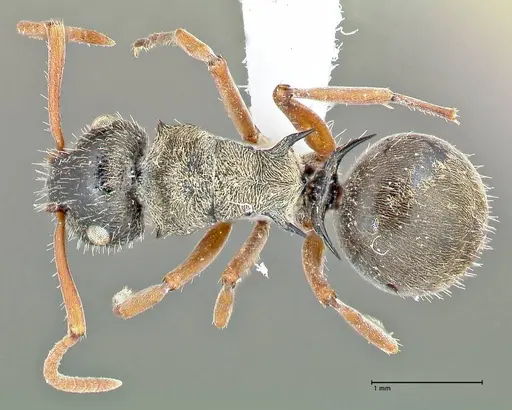
FOCOL2602-2
View on AntWeb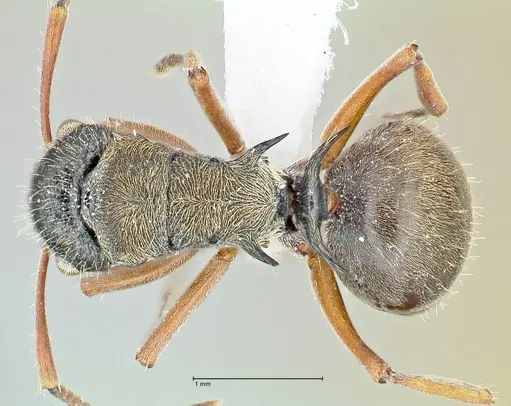
FOCOL2602-3
View on AntWeb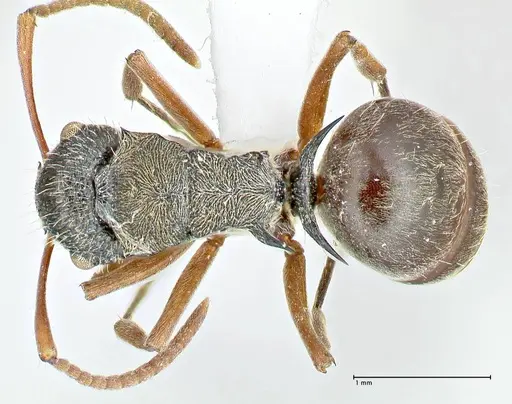
Literature
Loading...Loading products...