

Polyrhachis cyaniventris
- Scientific Name
- Polyrhachis cyaniventris
- Subgenus
- Myrma
- Tribe
- Camponotini
- Subfamily
- Formicinae
- Author
- Smith, 1858
- Distribution
- Found in 1 countries
Polyrhachis cyaniventris Overview
Polyrhachis cyaniventris is an ant species of the genus Polyrhachis. It is primarily documented in 1 countries , including Philippines. Detailed taxonomic data and occurrence records can be further explored via authoritative databases such as AntWeb or the Global Biodiversity Information Facility (GBIF).
Polyrhachis cyaniventris
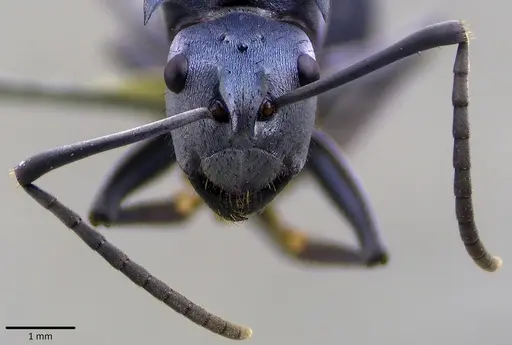
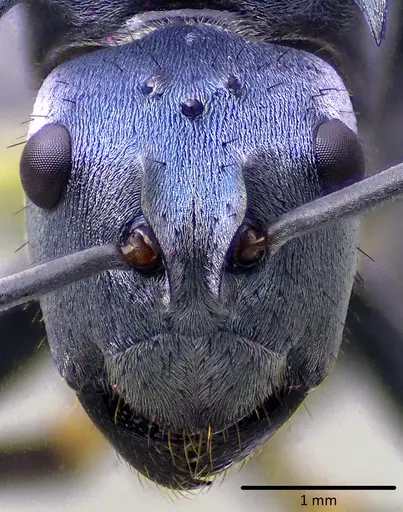
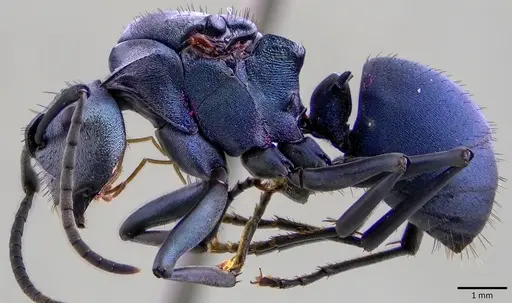
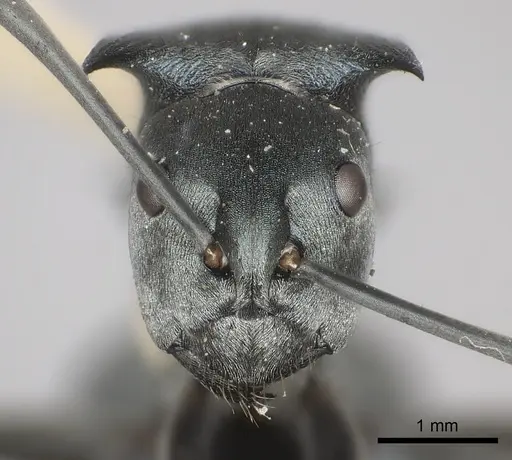
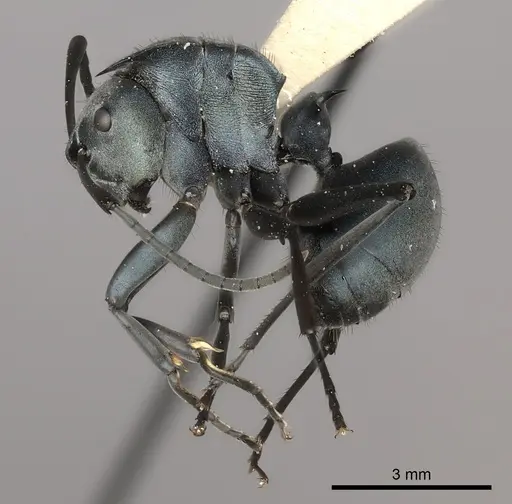
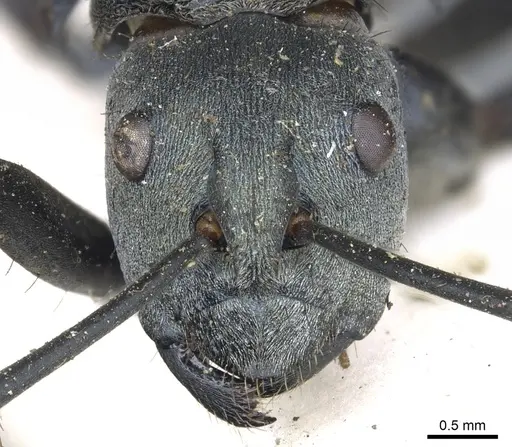
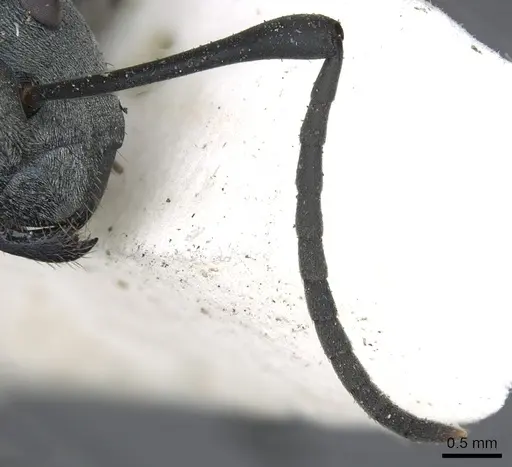
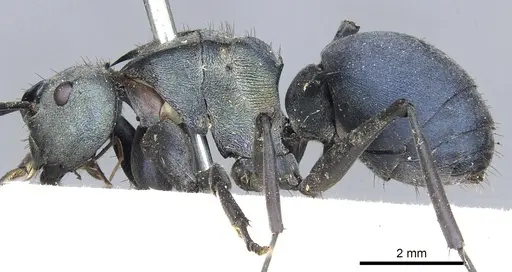
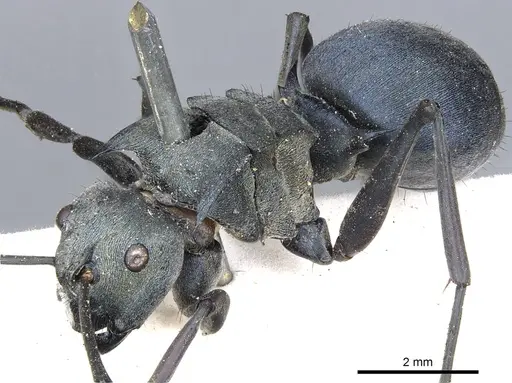
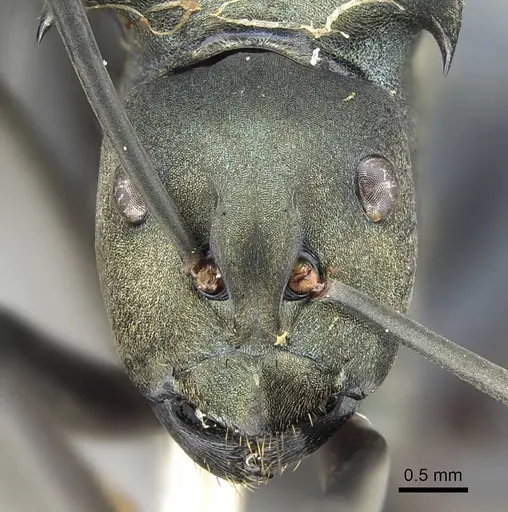
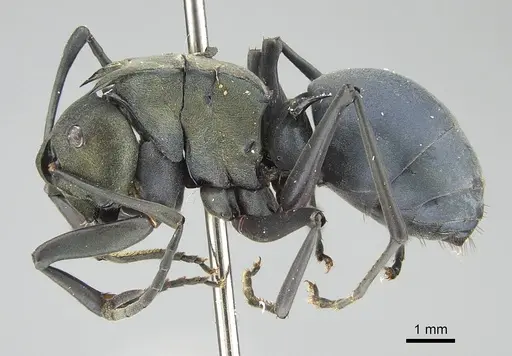
Polyrhachis cyaniventris is a medium-sized ant from the Philippines, with a dark bluish metallic shimmer. Workers are 7.9-10.1 mm long, and queens are 9.4-10.9 mm long [1]. They belong to the subgenus Myrma and the Polyrhachis cyaniventris species group, characterized by numerous short black setae and longitudinal striation [1][2].
This species is arboreal, nesting in cavities in branches and foraging on leaves and twigs during the day [1]. Colonies are small, with up to 100 individuals and a single queen [1]. They are found in the Philippines on islands including Luzon, Catanduanes, Mindoro, Samar, Leyte, and Cebu [1][2][3].
Quick Summary
- Difficulty: Medium
- Origin & Habitat: Philippines (Central and Southern Luzon, Catanduanes, Mindoro, Samar, Leyte, Cebu). Inhabits degraded primary dipterocarp forests, secondary forests, and coconut groves with rich undergrowth in lowlands and low montane regions [1].
- Colony Type: Single-queen colonies (monogyne) with up to 100 workers per nest [1].
- Size & Growth:
- Antkeeping:
- Temperature: Temperature needs are unclear, start around 24-28°C and observe, based on their tropical habitat [1].
- Humidity: Keep nest substrate consistently moist but not waterlogged, as they inhabit forests with rich undergrowth [1].
- Diapause: No, tropical species, no hibernation required [1].
- Nesting: Arboreal nester in the wild, they occupy cavities in branches. In captivity, use Y-tong (AAC) or plaster nests with narrow chambers. Provide climbing structures like twigs [1].
- Behavior: Generally calm and non-aggressive. They lack a functional sting and spray formic acid for defense. Workers are diurnal foragers [4]. Escape risk is moderate due to medium size, standard prevention measures are recommended.
- Common Issues: tropical warmth requirements mean colonies can struggle in cool rooms, monitor temperatures closely., small colony size means slower growth and less buffer against mistakes, be patient during founding., arboreal nature means they need climbing structures, a flat test tube setup may not suit them., humidity needs are moderate to high, dry conditions can cause colony decline., limited availability in the antkeeping hobby means established colonies may be difficult to find.
Housing and Nest Setup
Polyrhachis cyaniventris is an arboreal species, nesting in cavities within branches in the wild. In captivity, use Y-tong (AAC) or plaster nests with narrow chambers to mimic tree holes. Add climbing structures like twigs to the outworld since they forage on vegetation [1]. Escape prevention is important, apply Fluon barriers to the nest rim [1].
Feeding and Diet
Diet is unconfirmed, offer sugar water or honey for energy, and protein sources like small crickets or fruit flies. Since they are diurnal foragers, provide food during daylight hours [1][4]. Remove uneaten protein after 24-48 hours to prevent mold.
Temperature and Humidity
As a tropical species, they require warm conditions. Keep the nest area warm, roughly 24-28°C, with a gradient if possible. For humidity, keep the nest substrate moist but not waterlogged, as they inhabit forests [1].
Colony Development and Growth
Colonies are small, with up to 100 workers [1]. Development time is unconfirmed, but based on typical Polyrhachis patterns, it may take 6-10 weeks from egg to worker. Founding queens likely seal themselves in, but specific founding behavior is unknown [1].
Behavior and Observation
These ants are diurnal and arboreal, making them interesting to watch as workers patrol leaves and twigs. They are generally calm, lack a sting, and spray formic acid for defense. Escape risk is moderate due to medium size [1][4].
Frequently Asked Questions
How long does it take for Polyrhachis cyaniventris to produce first workers?
Development time is unknown, no species-specific data. Based on typical Polyrhachis patterns, it may take 6-10 weeks from egg to worker, but this is unconfirmed [1].
Can I keep multiple Polyrhachis cyaniventris queens together?
No. This species is monogyne, meaning they form single-queen colonies. Field observations show nests contain only one queen [1]. Combining unrelated queens is not recommended.
What do Polyrhachis cyaniventris eat?
Diet is unconfirmed, offer sugar water or honey for energy, and protein sources like small crickets or fruit flies. They are diurnal foragers, so provide food during daylight hours [1].
What temperature do Polyrhachis cyaniventris need?
Temperature needs are unclear, start around 24-28°C and observe, based on their tropical habitat [1].
Do Polyrhachis cyaniventris need hibernation?
No. As a tropical species from the Philippines, they do not require diapause or hibernation [1].
How big do Polyrhachis cyaniventris colonies get?
Colonies are relatively small, reaching up to 100 workers in established nests [1].
Are Polyrhachis cyaniventris good for beginners?
They are rated as medium difficulty. While not the most challenging, they have specific warmth and humidity requirements. Their rarity in the hobby means established colonies may be harder to find [1].
What type of nest is best for Polyrhachis cyaniventris?
Y-tong (AAC) or plaster nests work well. They are arboreal nesters, so prefer enclosed chambers with climbing structures [1].
Where is Polyrhachis cyaniventris found in the wild?
They are endemic to the Philippines, found on islands including Luzon, Catanduanes, Mindoro, Samar, Leyte, and Cebu. They inhabit forests from lowlands to low montane regions [1][2][3].
Report an Issue
The current care sheet is based fully on literature. See inconsistencies, or something that's incorrect? Please , it will be resolved after review from an admin. Contributing to the blogs tab also helps providing information, to make us be able to further improve the caresheets. Thank you for your support!
References

This caresheet is licensed under CC BY-SA 4.0 .
ANTWEB1041821
View on AntWeb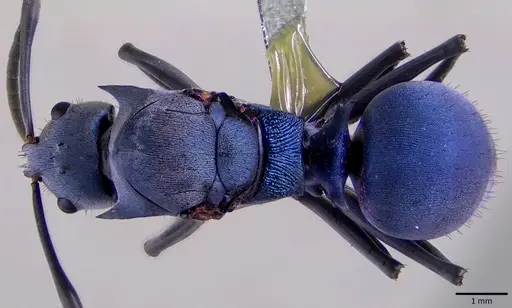
CASENT0217766
View on AntWeb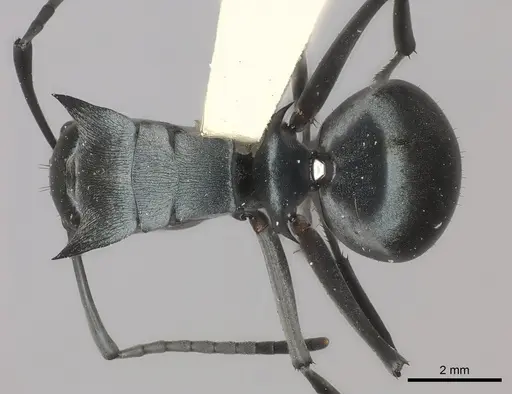
CASENT0903434
View on AntWeb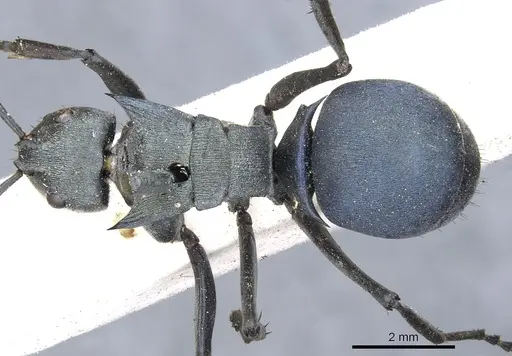
CASENT0919851
View on AntWeb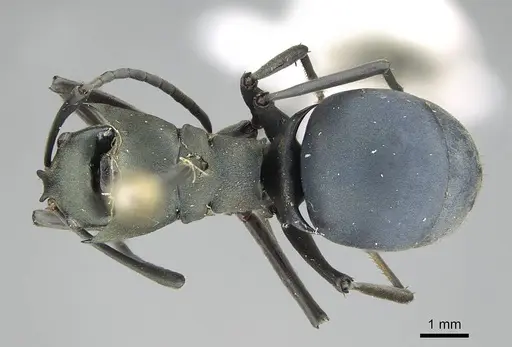
CASENT0923488
View on AntWeb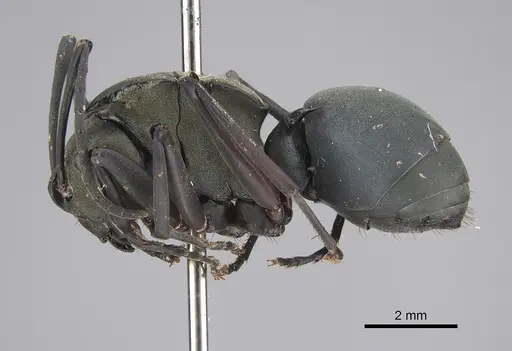
Literature
Loading...Loading products...