

Polyrhachis cupreata
- Scientific Name
- Polyrhachis cupreata
- Subgenus
- Hedomyrma
- Tribe
- Camponotini
- Subfamily
- Formicinae
- Author
- Emery, 1895
- Distribution
- Found in 1 countries
Polyrhachis cupreata Overview
Polyrhachis cupreata is an ant species of the genus Polyrhachis. It is primarily documented in 1 countries , including Australia. Detailed taxonomic data and occurrence records can be further explored via authoritative databases such as AntWeb or the Global Biodiversity Information Facility (GBIF).
Polyrhachis cupreata
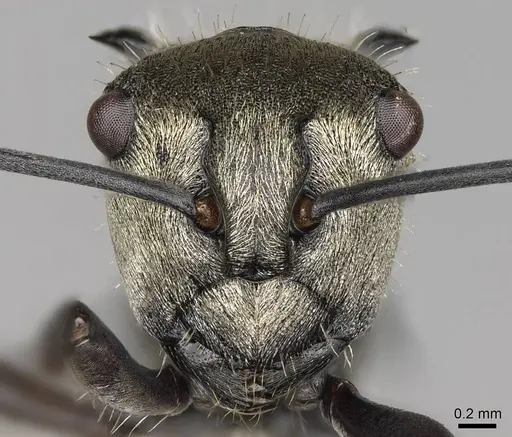
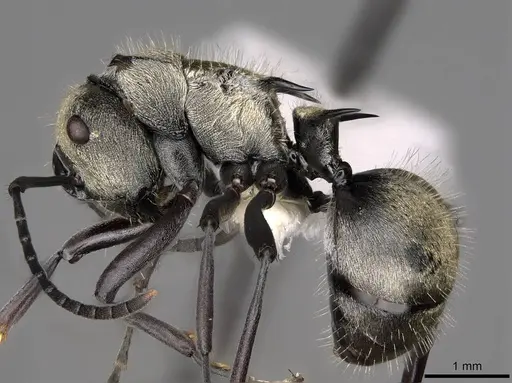
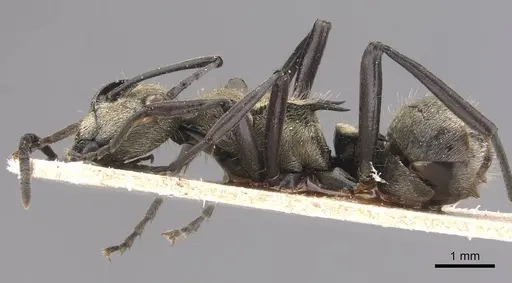
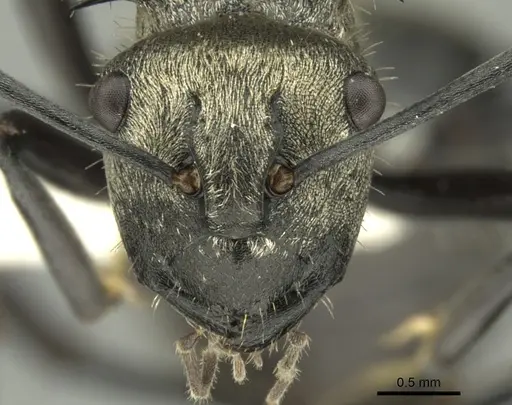
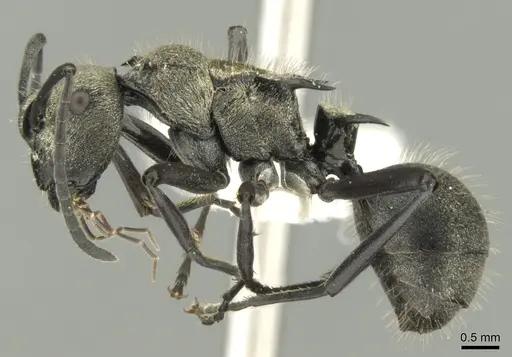
Polyrhachis cupreata is a distinctive Australian ant species known for its beautiful golden pubescence that covers the entire dorsum of the body. Workers are medium-sized ants with a characteristic metallic sheen. This species is confined to the coastal wetlands of North Queensland, with records spanning from the Torres Strait islands south to Townsville, and into the Northern Territory near Darwin and Cobourg Peninsula. The species was originally described as a variety of P. hermione but was later raised to full species status in 1988.
Unlike many ants that nest in soil or rotting wood, P. cupreata is an arboreal species that constructs nests in vegetation, particularly at the base of clumped Pandanus leaves. These nests are built from vegetation debris bonded together with brownish silk, a characteristic behavior of the subgenus Hedomyrma. This silk-producing ability is shared with weaver ants (Oecophylla) and makes them unique among Australian ants.
Quick Summary
- Difficulty: Medium
- Origin & Habitat: Coastal wetlands of North Queensland, Australia, and Northern Territory. Found in arboreal situations in pandanus vegetation in humid coastal areas.
- Colony Type: Colony structure is not well-documented in scientific literature. Based on genus patterns, likely monogyne (single queen) colonies, though this requires confirmation for this specific species.
- Colony: Monogyne
- Founding: Claustral
- Size & Growth:
- Queen: Estimated 8-10mm based on genus patterns (Polyrhachis queens typically 8-12mm)
- Worker: Estimated 5-8mm based on genus patterns
- Colony: Estimated several hundred to a few thousand workers based on typical Polyrhachis colony sizes
- Growth: Moderate, estimated based on genus patterns
- Development: Estimated 6-10 weeks at optimal temperature based on related Formicinae species (Development timeline is estimated, no specific study exists for this species. Temperature-dependent, likely faster in warmer conditions.)
- Antkeeping:
- Temperature: Tropical species requiring warm conditions. Aim for 24-28°C with a gentle gradient. Avoid temperatures below 20°C as this is a tropical Australian species from coastal wetlands.
- Humidity: High humidity required, these ants inhabit coastal wetlands in nature. Keep nest substrate consistently moist but not waterlogged. Provide humidity levels of 70-85% to mimic their natural pandanus habitat.
- Diapause: No, as a tropical species from coastal North Queensland, they do not require hibernation. Maintain warm conditions year-round.
- Nesting: Arboreal nester, requires vertical or diagonal nest setups that allow them to nest above ground. naturalistic setups with vegetation (fake or real pandanus leaves), cork bark, or Y-tong nests work well. They produce silk to bind nest materials, so provide suitable materials for this behavior.
- Behavior: Generally calm temperament compared to some more aggressive ant species. Workers are active foragers that tend sap-feeding insects for honeydew, this is confirmed by their Blochmannia bacterial symbiosis. They are not aggressive stingers but may use their spines (hence 'spiny ant') for defense if threatened. Escape risk is moderate, ensure secure enclosures but they are not extreme escape artists like some tiny species.
- Common Issues: humidity management is critical, too dry and colonies will fail in captivity, arboreal nesting means standard horizontal test tube setups may not be ideal, provide vertical nesting options, tropical species cannot tolerate cool temperatures, keep warm year-round, silk-producing behavior requires appropriate materials, plain acrylic nests may not satisfy natural nesting instincts, wild-caught colonies may have parasites or diseases that cause captive failures
Nest Preferences and Housing
Polyrhachis cupreata is an arboreal species that naturally nests in vegetation, particularly at the base of clumped Pandanus leaves. In captivity, you should provide nest setups that accommodate this arboreal lifestyle. Vertical or diagonal nests work better than horizontal test tubes. naturalistic setups with cork bark, fake plants, or actual vegetation work well. They use silk to bind vegetation debris together to form their nests, so providing materials they can work with (small leaf fragments, plant matter, cotton fibers) allows them to exhibit this natural behavior.
Y-tong (acrylic) nests with narrow chambers can work, but adding some loose nesting material or providing a secondary area with vegetation debris will encourage natural nest-building behavior. The key is providing vertical space and materials they can manipulate with silk. Avoid completely enclosed acrylic nests without any loose materials, these ants need to build.
Feeding and Diet
Like all ants in the tribe Camponotini (which includes Polyrhachis, Camponotus, and Echinopla), P. cupreata has a nutritional symbiosis with Blochmannia bacteria. This bacteria provides essential nutrients that the ants cannot produce on their own. This symbiosis evolved because their ancestors tended sap-feeding insects (like aphids and scale insects) for honeydew, a sugar-rich liquid waste that these insects produce.
In captivity, feed them a varied diet including sugar sources (honey water, sugar water) as they would get honeydew from tended insects. They also need protein, offer small insects like fruit flies, small crickets, or mealworms. Fresh fruits can also be accepted. The key is providing both sugar and protein. Feed protein sources 2-3 times per week and keep sugar water available constantly.
Temperature and Humidity
As a tropical species from the coastal wetlands of North Queensland and the Northern Territory, P. cupreata requires warm and humid conditions. Maintain temperatures between 24-28°C year-round. A heating cable on one side of the nest can create a gentle gradient, but ensure they can move to cooler areas if needed. Never allow temperatures to drop below 20°C for extended periods.
Humidity is equally important, these ants live in coastal wetlands with high ambient moisture. Keep the nest substrate consistently moist but not waterlogged. Mist the outworld regularly and consider using a water reservoir in the nest set-up. Target humidity levels of 70-85%. The pandanus habitat they naturally inhabit is consistently humid, so dry conditions will stress the colony.
Behavior and Colony Dynamics
Polyrhachis ants are generally calmer than many other ant species. Workers are active foragers that will search for food both in the nest area and the outworld. They are not particularly aggressive but will defend the nest if threatened. The genus name 'Polyrhachis' means 'many-spined', these ants have spines on their thorax and gaster that they can use for defense, though their sting is mild compared to some other ants.
Colony growth is moderate, starting with a claustral founding where the queen seals herself in and raises the first workers alone on stored fat reserves. Once the first workers (nanitics) emerge, the colony will gradually grow. Expect the first workers to appear several months after founding, depending on temperature. Colonies can eventually reach several hundred to a few thousand workers.
Frequently Asked Questions
How long does it take for Polyrhachis cupreata to produce first workers?
First workers typically emerge in 6-10 weeks at optimal temperature (around 26°C), though this is estimated based on related Formicinae species. The exact timeline for P. cupreata has not been specifically studied. The queen seals herself in during founding and lives on stored fat reserves until her first brood develops.
What is the best nest type for Polyrhachis cupreata?
Arboreal species like P. cupreata need vertical or diagonal nest setups. naturalistic setups with cork bark, fake plants, or loose vegetation debris work best. They produce silk to bind materials together, so providing loose materials they can manipulate is important. Y-tong nests with some loose nesting material can also work.
What do Polyrhachis cupreata eat?
They need both sugar and protein. Provide sugar water or honey constantly. For protein, offer small insects like fruit flies, small crickets, or mealworms. They also may accept fresh fruit. This matches their natural diet of honeydew from sap-feeding insects plus prey insects.
Do Polyrhachis cupreata need hibernation?
No, as a tropical species from coastal North Queensland, they do not require hibernation. Keep them warm year-round at 24-28°C. Cool temperatures below 20°C can stress or kill the colony.
Are Polyrhachis cupreata good for beginners?
They are rated as medium difficulty. They require specific conditions (high humidity, warm temperatures, vertical nesting) that may challenge beginners. However, they are generally calm and not aggressive. If you're new to antkeeping, start with a more common species and ensure you can maintain warm, humid conditions before trying Polyrhachis.
How big do Polyrhachis cupreata colonies get?
Based on typical Polyrhachis colony sizes, expect several hundred to a few thousand workers at maturity. Exact colony size for this specific species is not documented, but the genus shows moderate colony development over several years.
Can I keep multiple Polyrhachis cupreata queens together?
This has not been documented for this specific species. Based on genus patterns, they are likely monogyne (single queen) colonies. Combining unrelated queens is not recommended as it could lead to aggression. If you have multiple foundress queens, house them separately.
Why is my Polyrhachis cupreata colony dying?
The most common causes are: too low humidity (they need 70-85%), temperatures below 20°C, or improper nesting (they need vertical/arboreal setups with materials for silk-binding). Check your conditions first. Wild-caught colonies may also carry parasites or diseases that cause captive failures.
When should I move my Polyrhachis cupreata to a formicarium?
Wait until the colony has at least 20-30 workers before moving to a formicarium. For arboreal species like this, a naturalistic setup with vertical elements works better than a standard formicarium. Make sure the formicarium provides adequate humidity and vertical space.

This caresheet is licensed under CC BY-SA 4.0 .
CASENT0281373
View on AntWeb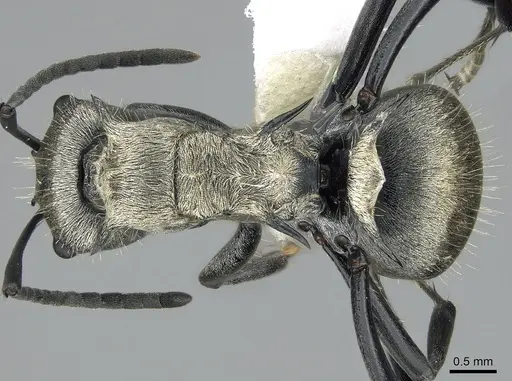
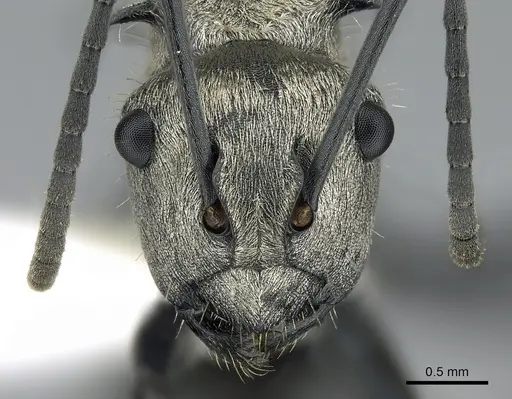
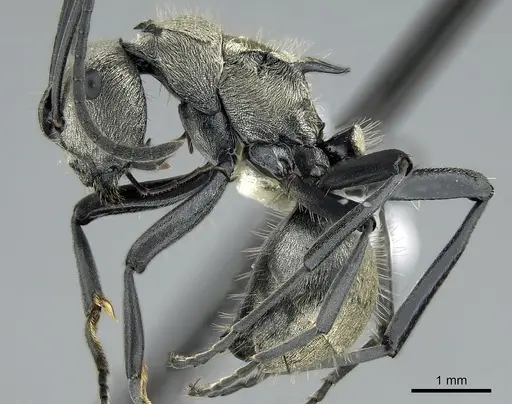
CASENT0281420
View on AntWeb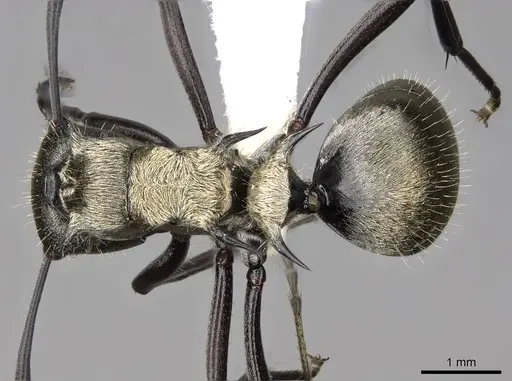
CASENT0905575
View on AntWeb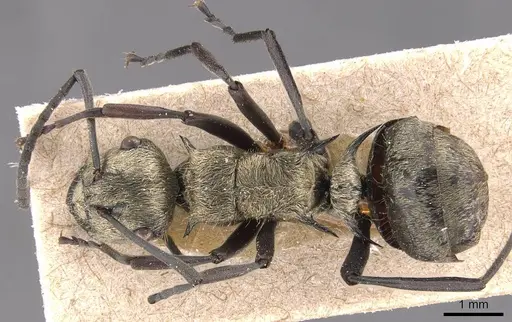
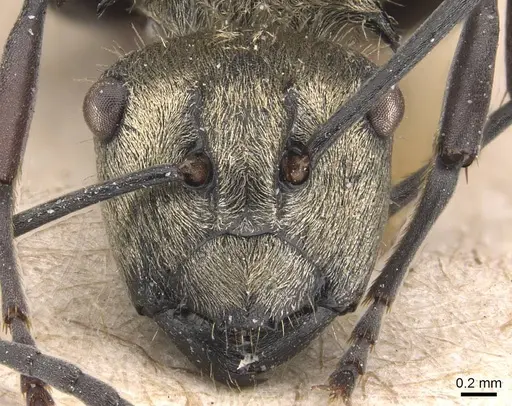
CASENT0906601
View on AntWeb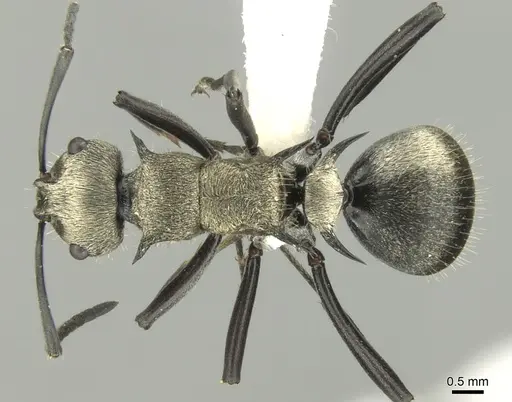
Literature
Loading...Loading products...