

Polyrhachis cubaensis
- Scientific Name
- Polyrhachis cubaensis
- Subgenus
- Myrma
- Tribe
- Camponotini
- Subfamily
- Formicinae
- Author
- Mayr, 1862
- Distribution
- Found in 2 countries
Polyrhachis cubaensis Overview
Polyrhachis cubaensis is an ant species of the genus Polyrhachis. It is primarily documented in 2 countries , including Tanzania, United Republic of, South Africa. Detailed taxonomic data and occurrence records can be further explored via authoritative databases such as AntWeb or the Global Biodiversity Information Facility (GBIF).
Polyrhachis cubaensis
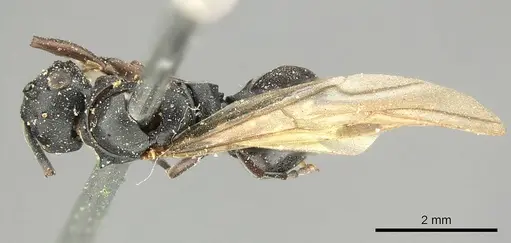
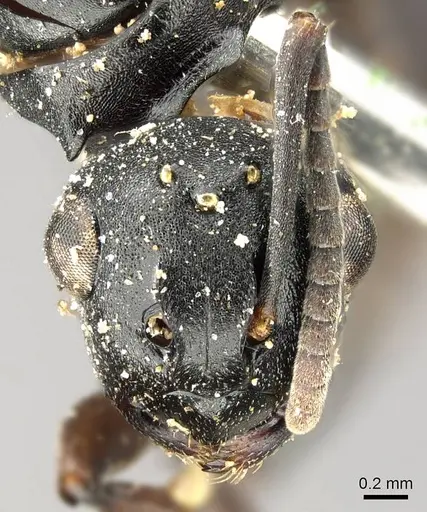
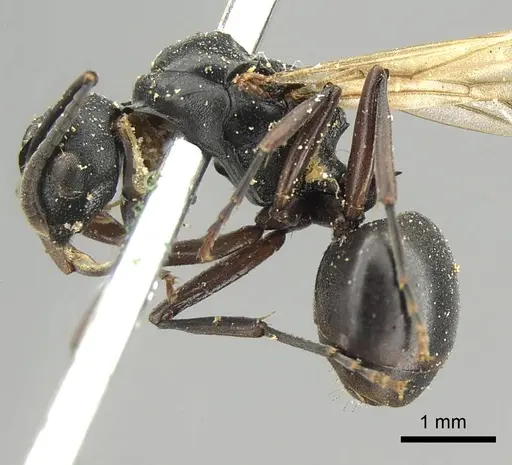
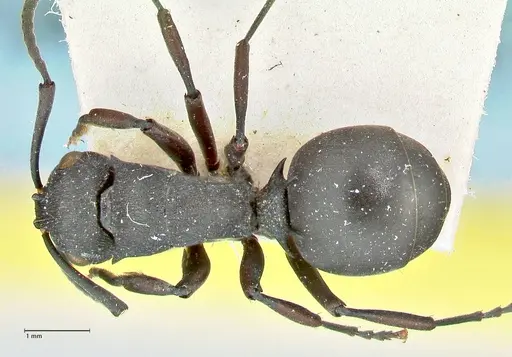
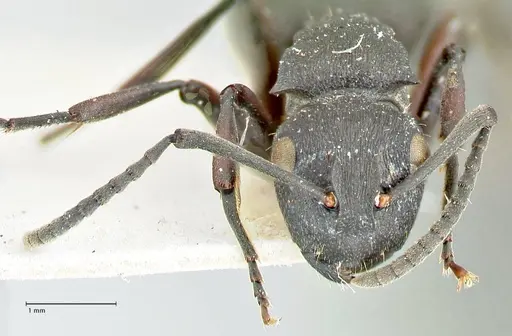
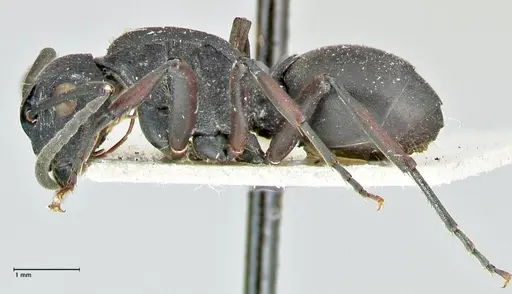
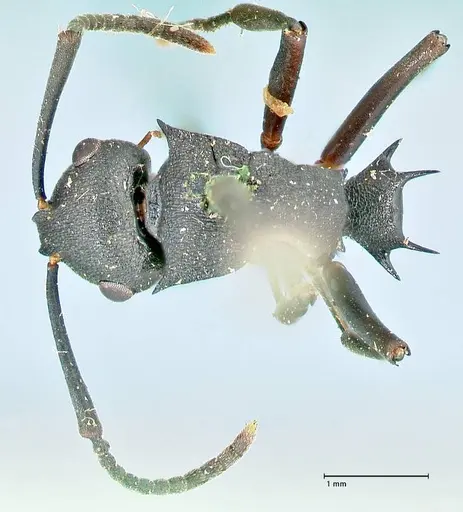
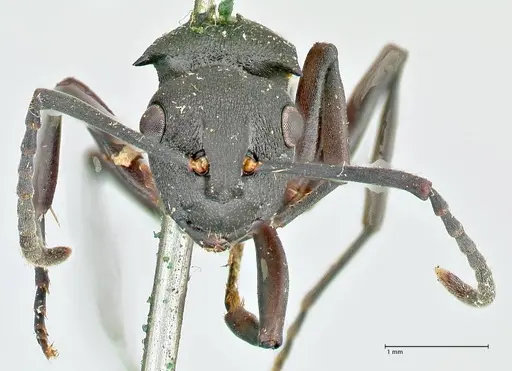
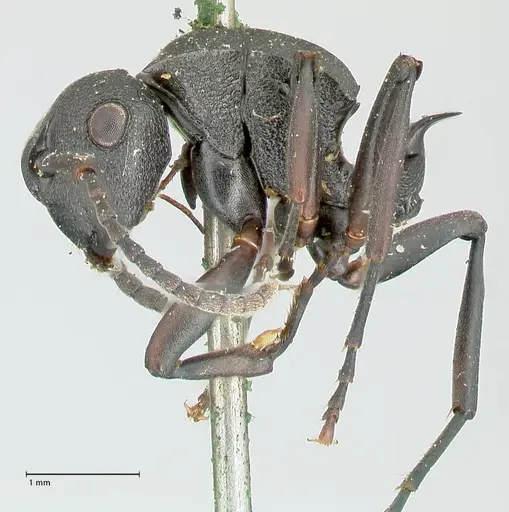
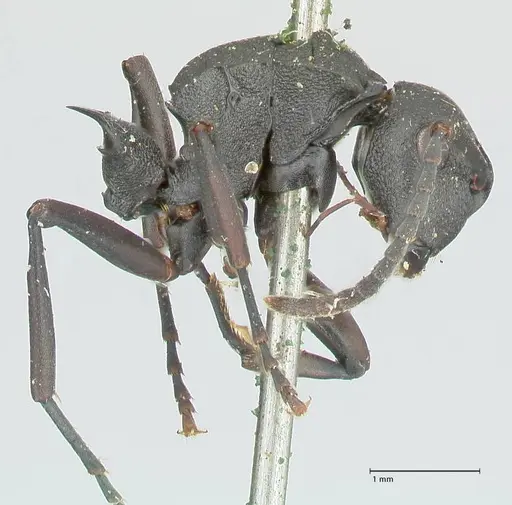
Polyrhachis cubaensis is a medium-sized African ant belonging to the subgenus Myrma and the viscosa species-group. Workers measure 6.4-7.5mm and have a distinctive appearance with black body coloration and dark brown legs. They are easily recognized by their spiny morphology: each worker has broad spines on the pronotum, upcurved spines on the propodeum, and four spines on the petiole (the segment connecting the thorax and abdomen). The dorsal pair of petiolar spines curves backward over the base of the gaster. This species was originally mislabeled as coming from Cuba (hence the name cubaensis) but was later corrected to South Africa, Port Natal (now Durban) [1].
What makes P. cubaensis interesting is its nesting behavior, it is one of the Polyrhachis species that uses silk to construct its nests, a trait shared with other members of the viscosa-group. In the wild, they nest in hollow plant stems, including galls, where they line the interior with silk webbing. This lignicolous (wood-nesting) habit means they need different housing than typical soil-nesting ants. The genus Polyrhachis is known for being generally docile and non-aggressive compared to many other ants [2].
Quick Summary
- Difficulty: Medium
- Origin & Habitat: Found across eastern and southern Africa including Kenya, Mozambique, South Africa, Sudan, and Tanzania. Inhabits savannah woodland and forest edge habitats where they nest in hollow plant stems, twigs, and galls [3][2].
- Colony Type: Colony structure is not well documented in scientific literature. Based on typical Polyrhachis patterns, they likely establish single-queen colonies, though this requires confirmation.
- Founding: Claustral
- Size & Growth:
- Queen: Approximately 9-11mm (estimated from genus patterns, specific measurements unavailable for this species)
- Worker: 6.4-7.5mm [1]
- Colony: Unknown from available research, likely reaches several hundred workers based on genus patterns
- Growth: Moderate, Polyrhachis species typically develop at moderate pace
- Development: Estimated 8-12 weeks at optimal temperature based on related Polyrhachis species development patterns (Development time is inferred from genus-level data since species-specific measurements are unavailable. Polyrhachis generally have slower development than smaller ant genera.)
- Antkeeping:
- Temperature: Keep at 24-28°C. As an African species from savannah habitats, they prefer warm conditions. A heating cable on one side of the nest creates a temperature gradient allowing workers to regulate their exposure [2].
- Humidity: Moderate humidity around 50-70%. Their natural habitat in savannah regions experiences seasonal variation, so they tolerate drier conditions better than rainforest species. Keep nest substrate slightly moist but allow some drying between waterings.
- Diapause: Likely experiences reduced activity during cooler months in their native range. Consider a mild winter rest period (2-3 months at 15-18°C) if colony shows reduced activity, though this is not well-documented for this specific species.
- Nesting: Lignicolous (wood-nesting) species. In captivity, they do well in Y-tong (AAC) nests, wooden formicaria, or test tube setups with access to dry areas. Provide twigs or hollow decorations they can adopt as nest sites. The presence of silk in their nests means they may web over surfaces in the outworld [2].
- Behavior: Generally docile and non-aggressive. Workers are active foragers but not particularly aggressive toward keepers. They are moderate escape artists, not as small as some species but can still squeeze through small gaps. Use standard barrier methods like Fluon on container rims. They are primarily arboreal, foraging in trees and shrubs rather than on the ground [2].
- Common Issues: wood-nesting requirements mean standard soil formicaria may not be ideal, provide appropriate nesting options, escape prevention is important despite moderate size, they can fit through small gaps, slow to moderate growth may frustrate beginners expecting rapid colony development, cocooned pupae require slightly different humidity considerations than naked pupae, limited availability in the antkeeping hobby means established colonies may be difficult to obtain
Housing and Nest Preferences
Polyrhachis cubaensis is a lignicolous species, meaning it nests in wood and plant stems rather than soil. In captivity, they do well in Y-tong (acrylic) nests with narrow chambers, wooden formicaria, or test tube setups with additional wooden elements. The key is providing them with enclosed spaces that mimic their natural hollow stem habitats. You can add small twigs, hollow bamboo sections, or cork bark pieces to the outworld as potential nest sites. They may even web over surfaces using silk, which they naturally use to line their nest chambers [2]. Avoid fully soil-based formicaria unless you also provide substantial wood or plant stem structures for nesting. A naturalistic setup with both nesting areas and foraging space works best.
Feeding and Diet
Like other Polyrhachis species, P. cubaensis is omnivorous with a preference for protein sources. Feed them small insects like fruit flies, small crickets, and mealworms. They will also accept sugar sources such as honey water or sugar water, especially when the colony is growing and needs energy. In the wild, they forage on trees and shrubs, hunting small arthropods and collecting honeydew from aphids and scale insects. Offer protein prey 2-3 times per week for established colonies, and keep a sugar water source available at all times. Remove uneaten prey after 24-48 hours to prevent mold issues.
Temperature and Seasonal Care
As an African species from savannah habitats, Polyrhachis cubaensis prefers warm conditions. Maintain nest temperatures between 24-28°C for optimal brood development. Room temperature in most homes (20-24°C) is acceptable, but a slight boost with a heating cable on one side of the nest will encourage more active foraging and faster growth. If using a heating cable, place it on top of the nest rather than underneath to avoid evaporating moisture too quickly. During winter months in temperate climates, you may notice reduced activity. A mild rest period at 15-18°C for 2-3 months may benefit the colony, though this is not strictly required if temperatures remain warm year-round.
Behavior and Handling
Polyrhachis cubaensis is one of the more docile ant species, making them suitable for keepers who want to observe their colonies without aggressive defensive behavior. Workers are active and will readily explore the outworld in search of food. They are not particularly prone to biting, and their sting is mild to nonexistent for most keepers. However, they are still capable of defending their nest if threatened. They are moderate escape artists, while not among the smallest ants, they can still squeeze through surprisingly small gaps. Always use barrier methods like Fluon on container rims and ensure your setup has no gaps larger than about 1mm. Their arboreal foraging nature means they will readily climb and explore vertical spaces.
Frequently Asked Questions
What kind of nest is best for Polyrhachis cubaensis?
Y-tong (AAC) nests, wooden formicaria, or test tube setups with wood elements work best. They are lignicolous (wood-nesting), so provide enclosed spaces that mimic hollow plant stems rather than soil chambers [2].
How long does it take for Polyrhachis cubaensis to produce first workers?
Based on related Polyrhachis species, expect 8-12 weeks from egg to first worker at optimal temperature (24-28°C). Development is slower than smaller ant genera.
What do Polyrhachis cubaensis eat?
They are omnivorous, preferring small insects and arthropods. Feed small crickets, fruit flies, mealworms, and offer sugar water or honey water as an energy source.
Are Polyrhachis cubaensis good for beginners?
They are moderate difficulty, more challenging than common species like Lasius or Camponotus due to their specific nesting requirements, but their docile nature makes them manageable for intermediate keepers.
Do Polyrhachis cubaensis need hibernation?
They may benefit from a mild winter rest period (2-3 months at 15-18°C) if kept in a climate with seasonal temperature changes, though this is not strictly required in temperature-controlled environments.
How big do Polyrhachis cubaensis colonies get?
Based on genus patterns, colonies likely reach several hundred workers. Exact maximum size is not documented in scientific literature.
Can I keep multiple Polyrhachis cubaensis queens together?
This has not been documented for this species. Based on typical Polyrhachis behavior, single-queen colonies are most common. Do not combine unrelated foundress queens.
Why is my Polyrhachis cubaensis colony not growing?
Check that temperatures are warm enough (24-28°C), protein feeding is regular (2-3 times weekly), and humidity is appropriate. Slow growth is normal for this genus, be patient.
Do Polyrhachis cubaensis use silk in their nests?
Yes, they are one of the Polyrhachis species that uses silk to line their nest chambers, a trait shared with other members of the viscosa-group [2].
References

This caresheet is licensed under CC BY-SA 4.0 .
Literature
Loading...Loading products...