

Polyrhachis creusa
- Scientific Name
- Polyrhachis creusa
- Subgenus
- Campomyrma
- Tribe
- Camponotini
- Subfamily
- Formicinae
- Author
- Emery, 1897
- Distribution
- Found in 2 countries
Polyrhachis creusa Overview
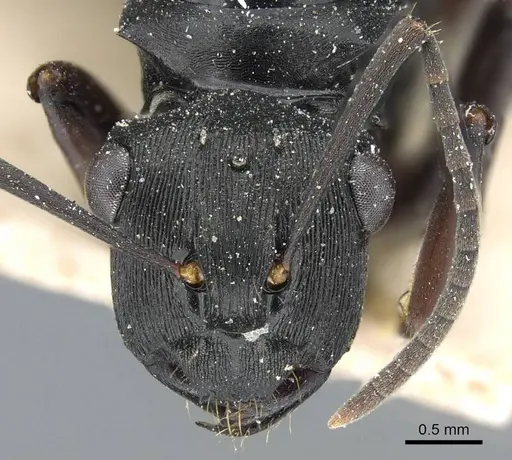
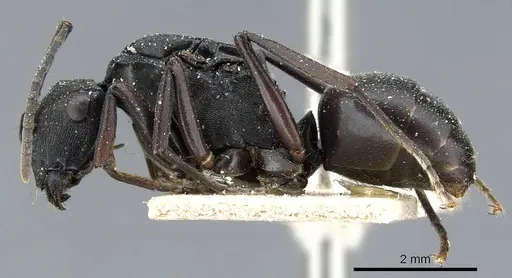
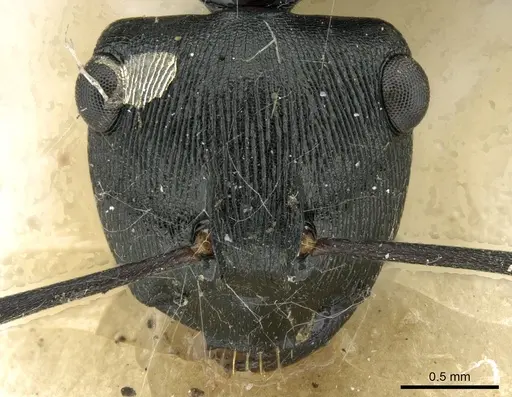
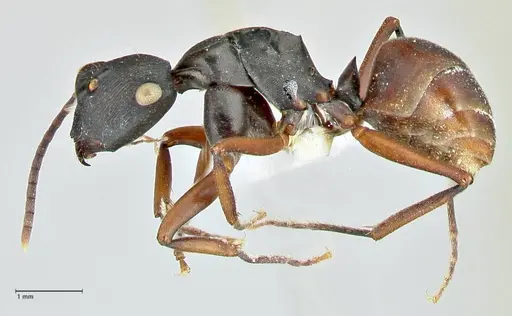
Polyrhachis creusa is an ant species of the genus Polyrhachis. It is primarily documented in 2 countries , including Australia, Papua New Guinea. Detailed taxonomic data and occurrence records can be further explored via authoritative databases such as AntWeb or the Global Biodiversity Information Facility (GBIF).
Polyrhachis creusa
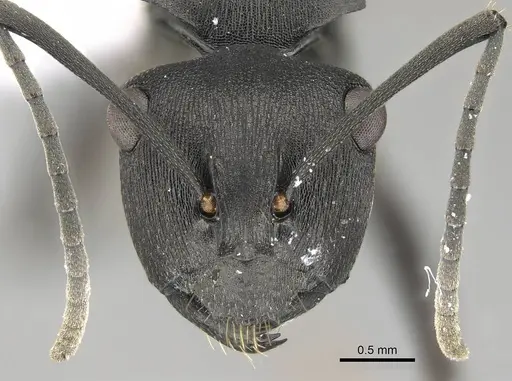
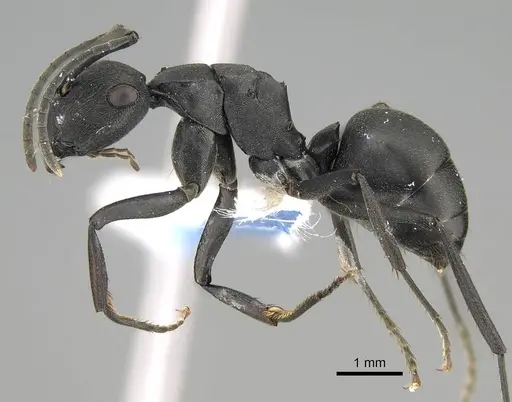
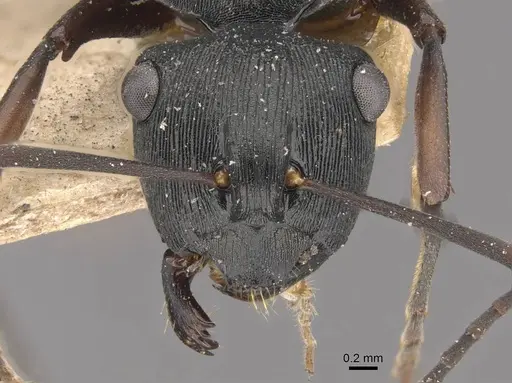
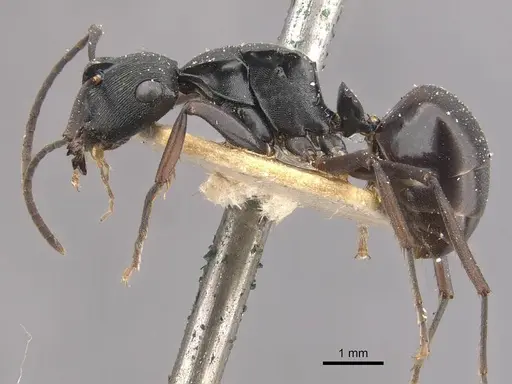
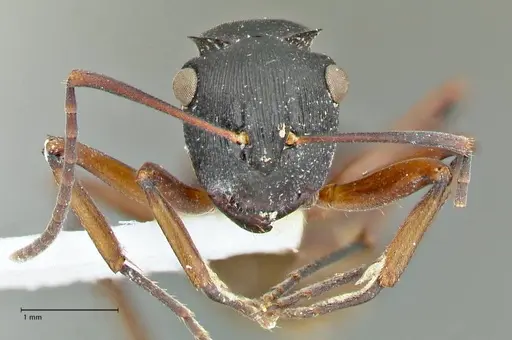
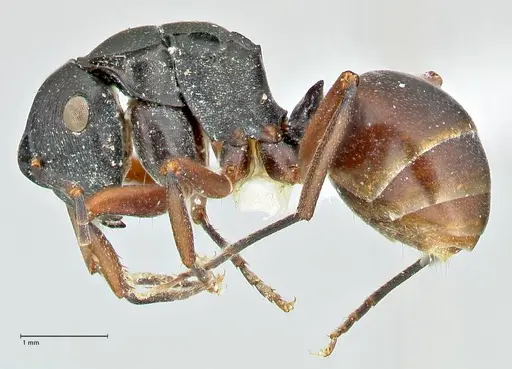
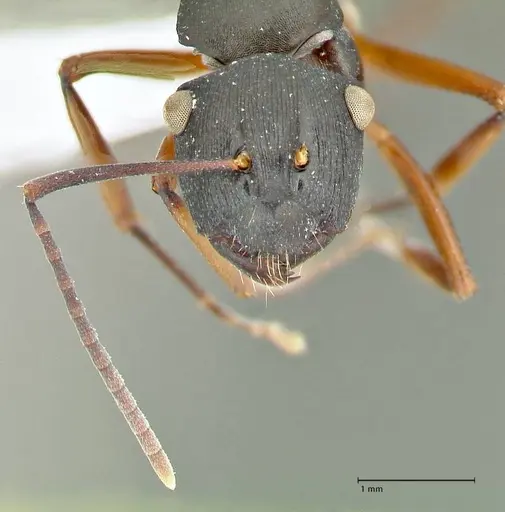
Polyrhachis creusa is a medium-sized ant species belonging to the subgenus Campomyrma, originally described by Emery in 1897 from New Guinea [1]. Workers of the genus Polyrhachis are typically characterized by their spiny appearance, with P. creusa showing the typical morphology of its subgenus including well-developed spines on the mesosoma. The species has been recorded across the Australasian region including Australia, New Guinea, and the Indonesian islands, as well as parts of the Indomalaya region [2][1]. This species nests subterranean, meaning underground, and produces cocoons during development [3][4]. The species was historically confused with several synonyms (chlorizans, hecuba, distinguenda) before being consolidated. Unlike some Polyrhachis species that build elaborate silk-weaved arboreal nests, P. creusa follows the more typical subterranean nesting habit of the Campomyrma subgenus.
Quick Summary
- Difficulty: Medium
- Origin & Habitat: Native to the Australasian region including northern Australia, New Guinea, and the Indonesian islands (Ambon, New Britain). Found in undisturbed forest habitats [5]. This is a tropical to subtropical species adapted to warm, humid conditions.
- Colony Type: Monogyne (single-queen colonies) based on typical Polyrhachis colony structure. The colony structure follows the standard pattern for the genus with one founding queen establishing a colony that grows over time.
- Colony: Monogyne
- Founding: Claustral
- Size & Growth:
- Queen: Estimated 10-12mm based on typical Polyrhachis queen size range for the genus
- Worker: Estimated 6-9mm based on typical Polyrhachis worker measurements
- Colony: Estimated several hundred to a few thousand workers based on typical Polyrhachis colony sizes
- Growth: Moderate, based on typical Polyrhachis development patterns
- Development: Estimated 6-8 weeks at optimal temperature based on related Polyrhachis species development (Development time is temperature-dependent, warmer conditions within acceptable range accelerate development. Cocoon stage present as confirmed by research [3][4].)
- Antkeeping:
- Temperature: Keep at 24-28°C. Being a tropical species from northern Australia and New Guinea, they require warm conditions. A heating cable on one side of the nest can create a gentle gradient if room temperature falls below this range.
- Humidity: Moderate to high humidity (60-80%). Their natural habitat in tropical forests and subterranean nests requires consistently moist substrate. Keep the nest substrate damp but not waterlogged, with some drier areas available for the ants to regulate their own humidity.
- Diapause: No, being a tropical species, they do not require hibernation. However, slight temperature reductions during cooler months may slow activity naturally.
- Nesting: Subterranean nesting species. In captivity, they do well in Y-tong (AAC) nests, plaster nests, or naturalistic setups with deep soil substrate. Provide soil or other substrate deep enough for them to dig chambers. They prefer dark, enclosed spaces similar to their natural underground nests.
- Behavior: Polyrhachis ants are generally moderate in temperament. They are not typically aggressive toward keepers but will defend their nest if threatened. Workers are active foragers, characteristic of the genus. Escape prevention should be moderate, while not among the smallest ants, they are agile and can climb smooth surfaces. Use standard barrier methods like fluon on test tube rims or formicarium openings.
- Common Issues: tropical species may struggle if temperatures drop below 22°C, monitor heating, subterranean nesting means they need deeper nest chambers or soil substrate to feel secure, cocoon production means they need appropriate space for pupal development, high humidity requirements can lead to mold if ventilation is inadequate, balance humidity with airflow, wild-caught colonies may have parasites that can devastate captive colonies, quarantine and monitor new colonies
Nest Preferences and Housing
Polyrhachis creusa is a subterranean nester, meaning they naturally dig and live in underground chambers [3][4]. In captivity, this translates to needing deeper nest spaces rather than shallow horizontal setups. Y-tong (AAC) nests work well because they provide dark, enclosed chambers that mimic underground conditions. Plaster nests or acrylic nests with soil chambers are also suitable. The key is providing enough depth for the colony to establish brood chambers and for the queen to feel secure. A test tube setup can work for founding colonies, but be prepared to move them to a larger formicarium once the colony reaches 20-30 workers. They do not need the elaborate silk-weaving structures that some Polyrhachis species (like those in subgenus Hirtomyrma) create, simple dark chambers suit them fine [2].
Feeding and Diet
Like most Polyrhachis species, P. creusa is omnivorous, feeding on honeydew from sap-sucking insects, nectar from plants, and small insects for protein. In captivity, offer a consistent sugar source such as sugar water, honey, or diluted honey water. For protein, provide small insects like fruit flies, small crickets, mealworms, or other appropriately-sized prey. Feed protein prey 2-3 times per week, removing any uneaten prey after 24 hours. Fresh water should always be available. Unlike some specialized predators, they are not difficult feeders and typically accept a wide range of foods. Observe your colony's preferences, some colonies may favor certain foods over others.
Temperature and Seasonal Care
Being native to tropical regions of northern Australia, New Guinea, and Indonesia, Polyrhachis creusa requires warm conditions to thrive. Keep the nest area at 24-28°C consistently. Temperatures below 22°C can slow their activity significantly and may stress the colony. Use a heating cable or heating mat on one side of the nest to create a warm zone if your room temperature is below this range. Place the heating element on top of the nest, not underneath, to avoid drying out the substrate too quickly. Since they come from regions near the equator, they do not require hibernation or diapause. However, they may show slightly reduced activity during cooler periods in your home, which is natural.
Behavior and Temperament
Polyrhachis creusa workers are active foragers, patrolling their territory and searching for food. They are not among the most aggressive ant species, but they will vigorously defend their nest if disturbed. The workers are medium-sized and relatively robust, capable of climbing smooth surfaces but not as adept at escaping as some tiny species. Standard escape prevention methods like fluon barriers on rim edges work well. The colony will likely establish a clear foraging pattern once settled, with workers emerging to collect sugar sources and protein prey. Queens are claustral, meaning they seal themselves away to raise the first brood alone without foraging, this is typical for the genus.
Colony Development
P. creusa produces cocoons during development, which is confirmed for the genus and subgenus [3][4]. This means you may see white cocoons in the nest rather than naked pupae. Development from egg to worker likely takes 6-8 weeks at optimal temperature, though this is estimated based on related species rather than directly studied for this specific species. The first workers (nanitics) are typically smaller than mature workers but will quickly help expand the colony. Growth rate is moderate, don't expect the explosive growth seen in some faster-developing species, but also not the extremely slow development of some tropical ants. Patience is key during the founding phase.
Frequently Asked Questions
How long does it take for Polyrhachis creusa to produce first workers?
Based on typical Polyrhachis development, expect 6-8 weeks from egg to first worker at optimal temperature (24-28°C). The queen will seal herself in during founding and emerge with her first nanitic workers.
What is the best nest type for Polyrhachis creusa?
Y-tong (AAC) nests or plaster nests with deep chambers work best. They are subterranean nesters, so they need enclosed dark spaces rather than exposed setups. Provide enough depth for brood chambers.
Do Polyrhachis creusa ants need hibernation?
No. Being a tropical species from northern Australia and New Guinea, they do not require hibernation. Keep them warm year-round at 24-28°C.
What do Polyrhachis creusa ants eat?
They are omnivorous. Offer sugar water or honey constantly for carbohydrates, and small insects (fruit flies, small crickets, mealworms) 2-3 times per week for protein. They also need fresh water.
Are Polyrhachis creusa ants aggressive?
They are moderate in temperament, not particularly aggressive toward keepers but will defend their nest if threatened. Standard caution when handling is sufficient.
How big do Polyrhachis creusa colonies get?
Estimated several hundred to a few thousand workers based on typical Polyrhachis colony sizes. Growth is moderate over several years.
Can I keep multiple Polyrhachis creusa queens together?
Not recommended. Polyrhachis creusa is typically monogyne (single-queen colonies). Combining unrelated queens has not been documented and would likely result in aggression.
What temperature range is ideal for Polyrhachis creusa?
Keep them at 24-28°C. This tropical species needs consistent warmth. Avoid temperatures below 22°C as it can stress the colony.
Are Polyrhachis creusa ants good for beginners?
They are rated as medium difficulty. They require warm, humid conditions and proper nesting setup, which is manageable for hobbyists with some ant-keeping experience.
Why is my Polyrhachis creusa colony declining?
Common causes include temperatures too low (below 22°C), humidity too low or too high (aim for 60-80% with ventilation), mold from poor ventilation, or parasites from wild-caught colonies. Check all parameters and ensure the queen is still laying eggs.
When should I move my Polyrhachis creusa colony to a formicarium?
Move them when the test tube or founding setup becomes crowded (typically 30+ workers) or when the water reservoir is depleted. They prefer deeper nest spaces as they grow.
References

This caresheet is licensed under CC BY-SA 4.0 .
CASENT0740817
View on AntWeb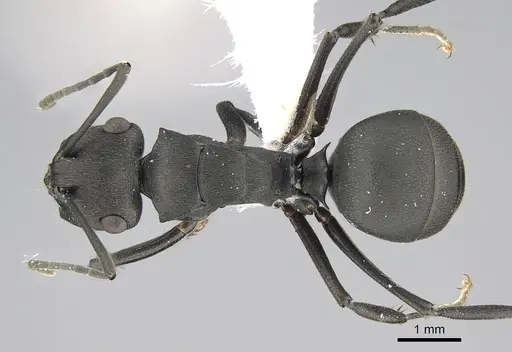
CASENT0905558
View on AntWeb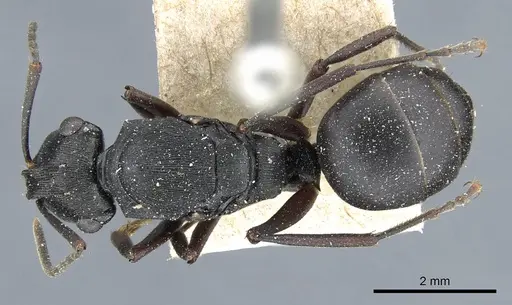
CASENT0906325
View on AntWeb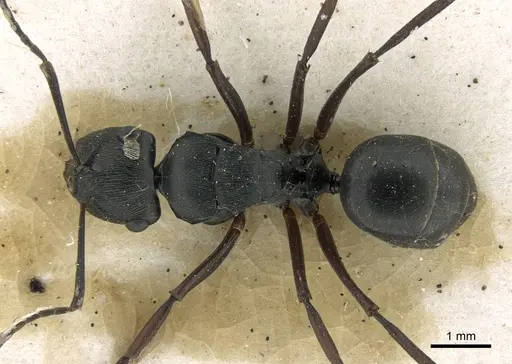
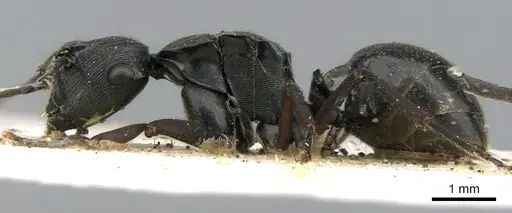
CASENT0910767
View on AntWeb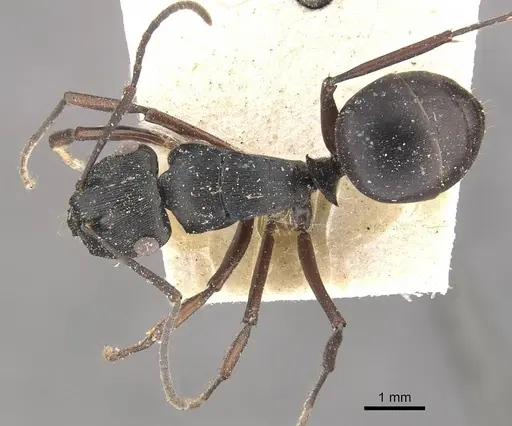
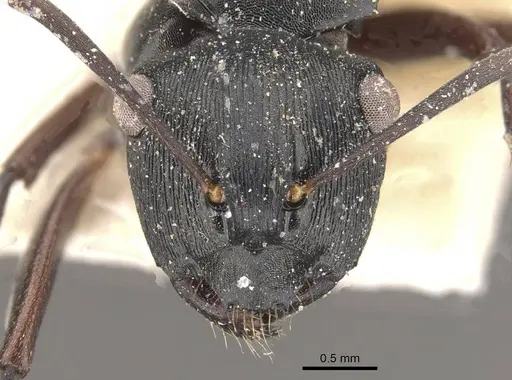
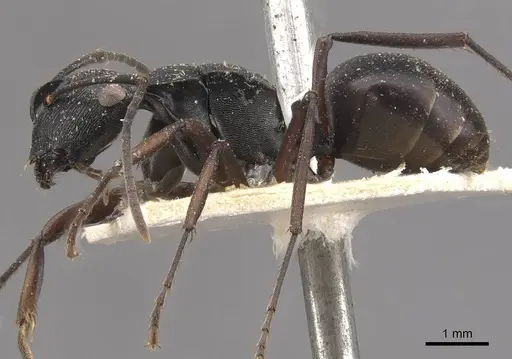
CASENT0910770
View on AntWeb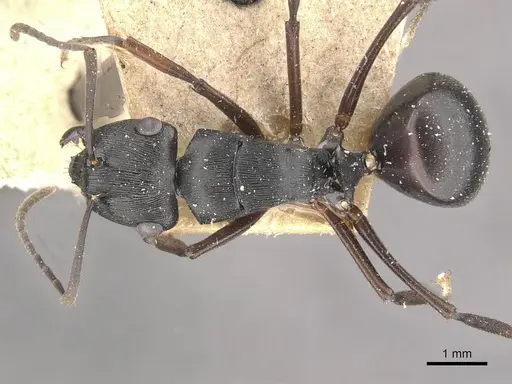
FOCOL2542-1
View on AntWeb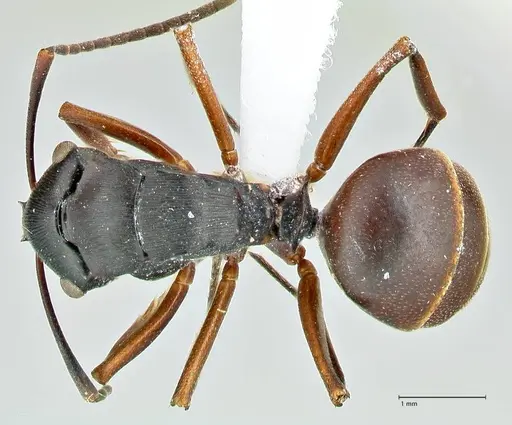
FOCOL2542-2
View on AntWeb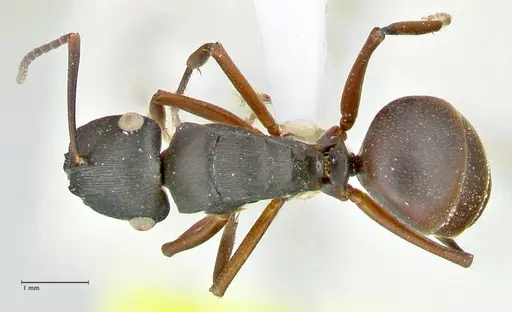
Literature
Loading...Loading products...