

Polyrhachis contemta
- Scientific Name
- Polyrhachis contemta
- Subgenus
- Chariomyrma
- Tribe
- Camponotini
- Subfamily
- Formicinae
- Author
- Mayr, 1876
- Distribution
- Found in 1 countries
Polyrhachis contemta Overview
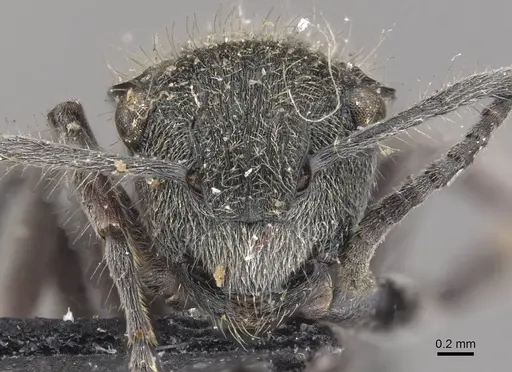
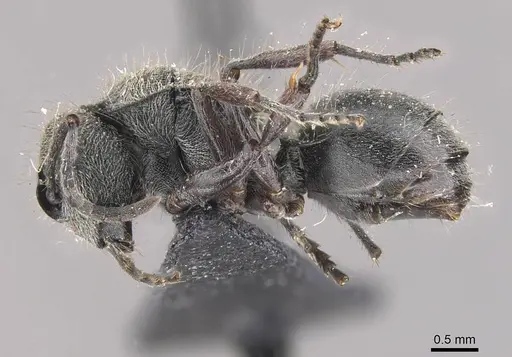
Polyrhachis contemta is an ant species of the genus Polyrhachis. It is primarily documented in 1 countries , including Australia. Detailed taxonomic data and occurrence records can be further explored via authoritative databases such as AntWeb or the Global Biodiversity Information Facility (GBIF).
Polyrhachis contemta
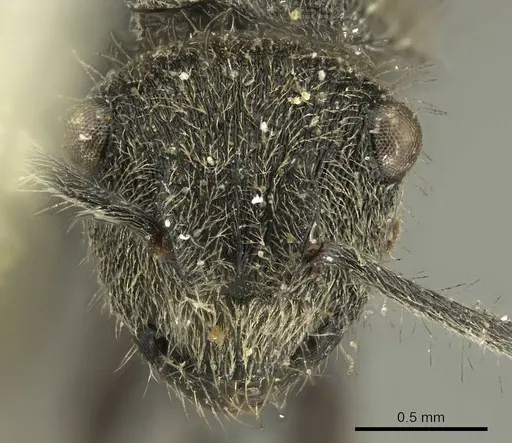
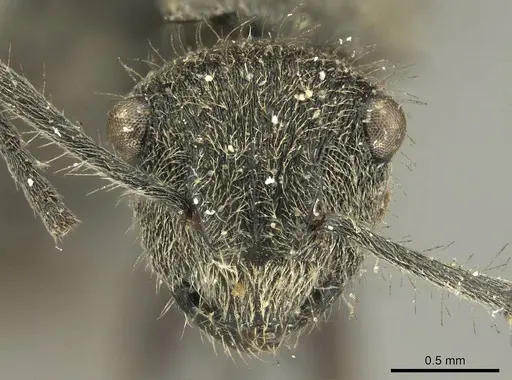
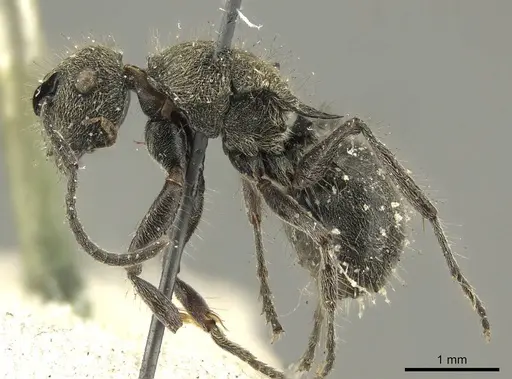
Polyrhachis contemta is a small to medium-sized ant species belonging to the genus Polyrhachis, commonly known as spiny ants due to their distinctive spines projecting from the thorax. Workers measure approximately 5-7mm and feature the characteristic spiny protrusions that give these ants their common name. The species is native to New Caledonia, a tropical Pacific island chain east of Australia [1]. In their natural habitat, these ants likely inhabit forested areas, with many Polyrhachis species preferring arboreal or semi-arboreal nesting sites in tropical environments. The genus is known for its diverse morphology and behaviors, with many species exhibiting interesting nest construction and foraging patterns.
Quick Summary
- Difficulty: Medium
- Origin & Habitat: New Caledonia (tropical Pacific island), likely forested habitats with high humidity
- Colony Type: Likely single-queen (monogyne) colonies based on typical genus patterns
- Colony: Monogyne
- Founding: Claustral
- Size & Growth:
- Queen: Estimated 7-9mm based on genus morphology
- Worker: Estimated 5-7mm based on genus morphology
- Colony: Likely moderate colonies of several hundred workers based on typical Polyrhachis growth
- Growth: Moderate, typical for tropical Formicinae
- Development: Estimated 6-10 weeks at tropical temperatures (25-28°C) based on genus-level inference (Development time is estimated from related Polyrhachis species, specific data for P. contemta is unavailable)
- Antkeeping:
- Temperature: Keep at 24-28°C (tropical conditions). A gentle gradient allowing warmer and cooler areas is recommended. New Caledonia is tropical, so these ants expect consistent warmth year-round.
- Humidity: High humidity (70-85%) is essential. These are forest-dwelling ants that prefer damp conditions. Keep nest substrate consistently moist but not waterlogged.
- Diapause: Unlikely required. As a tropical species from New Caledonia, they probably do not enter true diapause. However, a slight reduction in temperature during winter months (reducing to around 22-24°C) may be appropriate if room temperature drops significantly.
- Nesting: Arboreal or semi-arboreal nesting is likely. Provide options like Y-tong nests, cork setups, or naturalistic setups with wood/branches. They may accept test tube setups if humidity is maintained, but wood-based nests better match their natural arboreal preferences.
- Behavior: Generally peaceful and not aggressive toward keepers. Like most Polyrhachis species, they are not known for stinging, they may use their spines for defense if handled roughly. They are active foragers and likely hunt small insects or scavenge. Escape risk is moderate, ensure enclosures have secure lids but their size is not extreme so standard barriers are usually adequate.
- Common Issues: high humidity can lead to mold growth if ventilation is inadequate, balance is key, tropical species may struggle if room temperature drops below 22°C during winter, arboreal nesting preferences mean they may not readily accept basic test tube setups without additional structure, limited species-specific information means care is based on genus-level inference rather than direct observation
Housing and Nest Preferences
Polyrhachis contemta originates from New Caledonia, a tropical island with high humidity and warm temperatures year-round. In the wild, most Polyrhachis species are arboreal or semi-arboreal, nesting in hollow branches, under bark, or in vegetation. For captive care, consider Y-tong (AAC) nests, cork nests, or naturalistic setups that provide wood structures. Test tube setups can work if you maintain high humidity, but these ants may prefer having wood or plant material to walk on. Ensure the nest has multiple chambers connected by passages, and provide an outworld area for foraging. The key is replicating their natural arboreal habitat, think damp forest with wood structures rather than bare plastic. [1]
Feeding and Diet
Like other Polyrhachis species, P. contemta is likely omnivorous with a preference for protein. Offer small live insects such as fruit flies, pinhead crickets, or small mealworms as a primary protein source. They will likely accept sugar water, honey, or diluted syrup as an energy source. In nature, these ants are opportunistic foragers that hunt small invertebrates and tend aphids for honeydew. Feed protein-rich foods 2-3 times per week, and keep a constant sugar water source available. Remove uneaten prey after 24-48 hours to prevent mold issues in the humid environment they require.
Temperature and Seasonal Care
As a tropical species from New Caledonia, Polyrhachis contemta requires warm conditions year-round. Maintain temperatures between 24-28°C in the nest area. A heating cable on one side of the nest can create a gentle temperature gradient, allowing ants to self-regulate. Avoid temperatures below 22°C for extended periods. Unlike temperate species, these ants do not require a true diapause or hibernation period. However, if your room temperature naturally drops in winter, a slight reduction to 22-24°C is acceptable. Consistent warmth is more important than exact temperature precision, stability matters more than hitting a specific number.
Humidity Management
High humidity is critical for this species, think tropical rainforest conditions. Maintain 70-85% relative humidity in the nest area. The nest substrate (if using a naturalistic or plaster setup) should feel consistently damp but never waterlogged. In test tube setups, ensure the water reservoir is adequate but not so large that flooding occurs. Condensation on the nest walls is a good sign that humidity is in the right range. However, balance humidity with adequate ventilation to prevent mold growth, which can be deadly to ant colonies. A small ventilation hole or mesh top helps while still maintaining high humidity.
Behavior and Handling
Polyrhachis contemta is generally calm and not prone to aggressive behavior toward keepers. They are active foragers that will readily explore their outworld in search of food. While they possess the characteristic spines of the genus, these are primarily for defense against predators rather than offensive weapons. When handled gently, these ants are unlikely to bite or sting. Their moderate size (5-7mm workers) makes them easy to observe without being so small that escapes are a constant concern. However, always use secure lids and check for gaps in enclosure seals, ants are surprisingly good at finding escape routes.
Frequently Asked Questions
How long does it take for Polyrhachis contemta to produce first workers?
Based on genus-level inference, expect first workers (nanitics) approximately 6-10 weeks after the queen lays eggs, assuming temperatures around 25-28°C. This is typical for tropical Formicinae species. The exact timeline for P. contemta specifically is unknown due to limited research.
Can I keep Polyrhachis contemta in a test tube setup?
Yes, test tubes can work, but you must maintain high humidity (70-85%) and provide a water reservoir. However, these ants are likely arboreal by nature, so they may do better in Y-tong, cork, or naturalistic setups that include wood structures. Consider transitioning to a more natural setup once the colony reaches 20-30 workers.
What temperature range is best for Polyrhachis contemta?
Keep them at 24-28°C consistently. As a tropical species from New Caledonia, they do not tolerate cool temperatures well. Avoid letting temperatures drop below 22°C for extended periods.
How often should I feed Polyrhachis contemta?
Offer protein (small insects) 2-3 times per week. Keep sugar water, honey, or diluted syrup available at all times as an energy source. Remove uneaten prey after 24-48 hours to prevent mold in the humid environment.
Do Polyrhachis contemta need hibernation?
No, hibernation is not required. As a tropical species from New Caledonia, they do not enter diapause. Simply maintain warm temperatures year-round (24-28°C) and they will remain active.
How big do Polyrhachis contemta colonies get?
Based on typical Polyrhachis growth patterns, colonies likely reach several hundred workers over time. The exact maximum size for this specific species is unknown due to limited research, but moderate colony sizes are expected.
Is Polyrhachis contemta good for beginners?
This species is rated as Medium difficulty. While not the easiest species for beginners, it is manageable for those who can maintain high humidity and warm tropical conditions. The main challenges are humidity management and providing appropriate arboreal-style housing.
Can I keep multiple Polyrhachis contemta queens together?
Polyrhachis contemta is likely monogyne (single queen) based on typical genus patterns. Combining unrelated queens is not recommended as they would likely fight. If you start with multiple foundress queens, house them separately.
Why is my Polyrhachis contemta colony declining?
Common causes include: temperatures too low (below 22°C), humidity too low or too high (causing mold), insufficient protein in diet, or stress from excessive disturbance. Review your temperature and humidity levels first, as these are the most common issues with tropical species in captivity.
References

This caresheet is licensed under CC BY-SA 4.0 .
CASENT0910820
View on AntWeb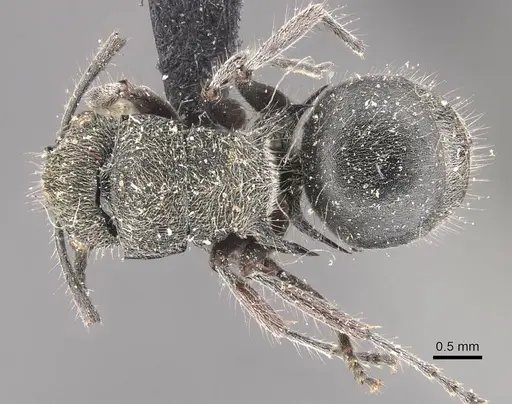
CASENT0915610
View on AntWeb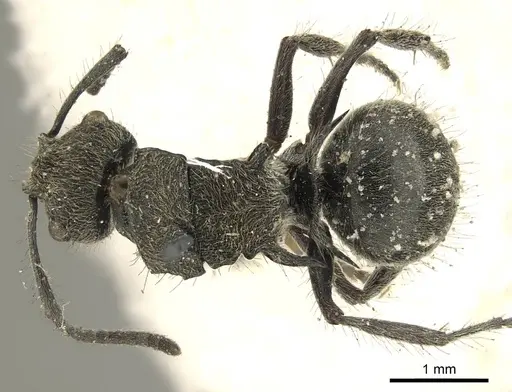
Literature
Loading...Loading products...