

Polyrhachis constricta
- Scientific Name
- Polyrhachis constricta
- Subgenus
- Chariomyrma
- Tribe
- Camponotini
- Subfamily
- Formicinae
- Author
- Emery, 1897
- Distribution
- Found in 1 countries
Polyrhachis constricta Overview
Polyrhachis constricta is an ant species of the genus Polyrhachis. It is primarily documented in 1 countries , including Australia. Detailed taxonomic data and occurrence records can be further explored via authoritative databases such as AntWeb or the Global Biodiversity Information Facility (GBIF).
Polyrhachis constricta
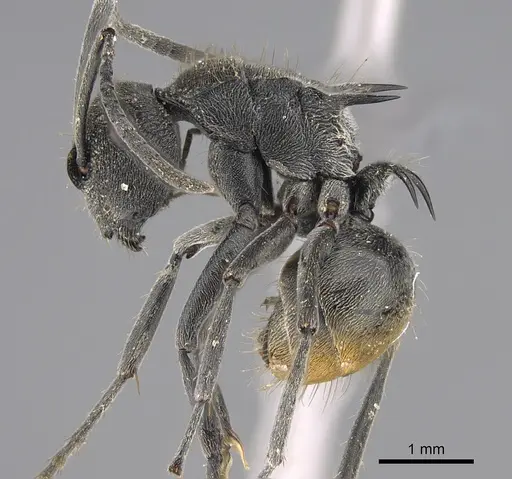
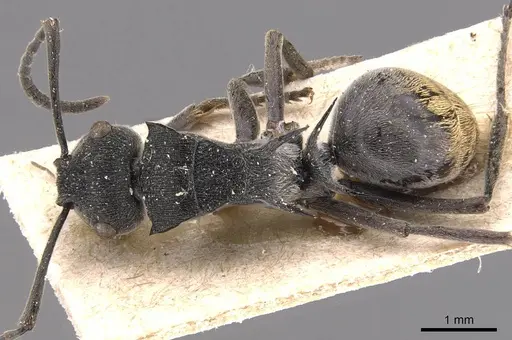
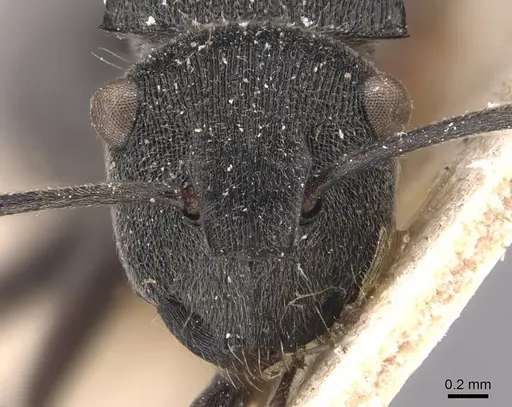
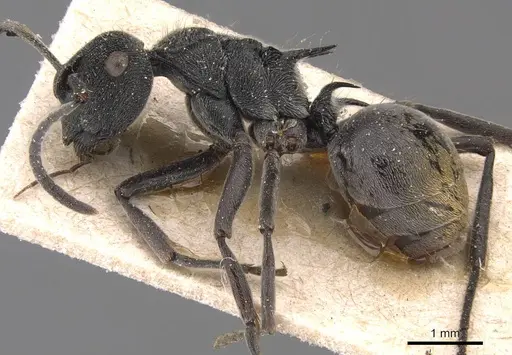
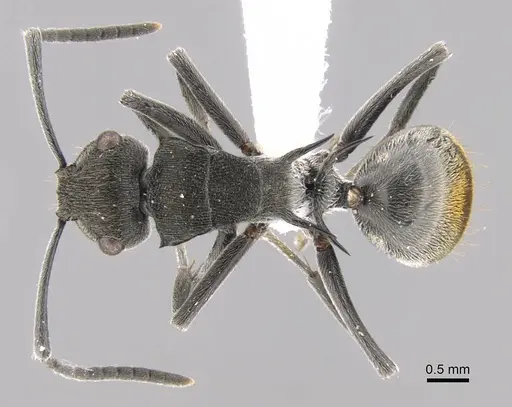
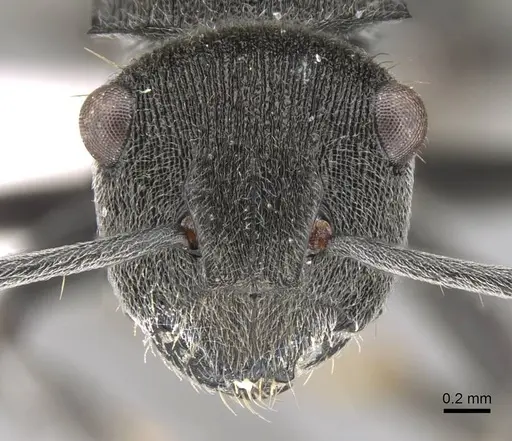
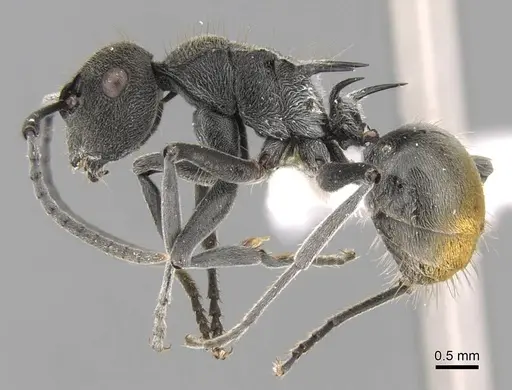
Polyrhachis constricta is a medium-sized ant species native to northern Australia, particularly the monsoonal tropics of Queensland and the Tiwi Islands. Workers measure around 6-8mm and feature the characteristic spines on their thorax that give Polyrhachis ants their common name of 'spiny ants.' They have a dark brown to black coloration with subtle sculpturing on the body. This species nests underground in subterranean chambers, which is typical for the Chariomyrma subgenus [1]. Unlike some related species that build elaborate nests in vegetation, P. constricta keeps a lower profile, creating simple underground galleries. A notable adaptation of this species is its ability to survive tidal flooding in mangrove habitats by using bell-shaped galleries that trap air pockets [2].
Quick Summary
- Difficulty: Medium
- Origin & Habitat: Northern Australia (Queensland wet tropics, Tiwi Islands), monsoonal tropical environment with wet and dry seasons [3]
- Colony Type: Likely monogyne (single queen colony) based on typical Polyrhachis patterns, though colony structure is not specifically documented for this species
- Colony: Monogyne
- Founding: Claustral
- Size & Growth:
- Queen: Estimated 10-12mm based on genus patterns
- Worker: 6-8mm [3]
- Colony: Likely several hundred workers based on related Polyrhachis species
- Growth: Moderate, estimated based on genus patterns
- Development: Estimated 6-8 weeks at optimal temperature based on Formicinae development patterns (Development time inferred from related Formicinae species, specific data for P. constricta not available)
- Antkeeping:
- Temperature: Keep at 24-28°C, these are tropical ants from northern Australia and need warm conditions. A heating cable on one side of the nest creates a gentle gradient
- Humidity: Moderate to high, they come from monsoonal tropics with distinct wet season. Keep substrate consistently moist but not waterlogged. The mangrove adaptation suggests they can tolerate periodic flooding [2]
- Diapause: Likely minimal or no true diapause given tropical origin, they may show reduced activity during the dry season but probably do not require hibernation like temperate species
- Nesting: Subterranean nester, they need soil or substrate deep enough to create underground chambers. A naturalistic setup with deep soil (at least 5-10cm) or a plaster/acrylic nest with moist chambers works well. Avoid dry, airy nests [1]
- Behavior: Generally calm and non-aggressive compared to many ant species. Workers are active foragers but not particularly territorial or defensive. They are not known to sting readily, though the spines can give a minor pinch. Escape risk is moderate, they are not tiny ants but can climb smooth surfaces. Use standard barrier methods
- Common Issues: tropical species may struggle in cool, air-conditioned rooms, keep warm, subterranean nesting means they need depth, shallow nests will stress them, overwatering can drown colonies in sealed nests, ensure proper drainage, wild-caught colonies may carry parasites, quarantine and observe new colonies
Nest Preferences and Housing
Polyrhachis constricta is a subterranean nester, meaning they dig and live in underground chambers. In captivity, they need a nest that provides soil or substrate deep enough for them to create galleries. A naturalistic setup with a deep soil layer (at least 5-10cm) works well, or you can use a plaster/acrylic formicarium with moist chambers. The key is providing consistent moisture in the substrate, these ants come from environments with distinct wet seasons and have even adapted to survive tidal flooding in mangroves by using air pockets in their galleries [2]. Avoid completely dry nests or those with poor humidity retention. They do not need elaborate nest materials like vegetation, simple soil chambers are sufficient [1].
Feeding and Diet
Like most Formicinae ants, Polyrhachis constricta is omnivorous. Workers forage for honeydew from aphids and scale insects, and they hunt small insects and arthropods for protein. In captivity, offer a varied diet: sugar water or honey as a constant energy source, and protein sources like small crickets, mealworms, or other insects. They are not picky eaters and will readily accept most standard ant foods. Feed them 2-3 times per week with protein, and keep sugar water available at all times. Remove uneaten prey after 24-48 hours to prevent mold. Given their tropical origin, they are likely year-round active foragers, so maintain feeding throughout winter if kept warm.
Temperature and Seasonal Care
Being from northern Australia's tropical regions, Polyrhachis constricta needs warm temperatures to thrive. Keep the nest area at 24-28°C for optimal colony health and development. A heating cable placed on one side of the nest creates a temperature gradient that allows ants to regulate their own temperature by moving between warmer and cooler areas. They do not require hibernation like temperate species, but may show reduced activity during the dry season in their natural habitat. If your room temperature falls below 22°C, consider adding supplemental heating. These ants have evolved in a monsoonal climate with distinct wet and dry seasons, so they can handle brief periods of cooler, drier conditions, but prolonged cold will slow or stop colony growth.
Humidity and Water Requirements
Polyrhachis constricta comes from Queensland's monsoonal tropics, where humidity is high for much of the year. Keep the nest substrate consistently moist, it should feel damp to the touch but not be waterlogged or muddy. The species has even adapted to survive tidal flooding in mangrove areas by creating bell-shaped galleries that trap air pockets [2], showing they can tolerate wet conditions better than many ants. However, avoid standing water in the nest as this can drown brood. A test tube water reservoir connected to the nest works well for maintaining humidity. Monitor the substrate regularly and rehydrate when the surface begins drying out, rather than following a fixed schedule.
Behavior and Colony Dynamics
Workers of Polyrhachis constricta are active foragers that search for food both on the ground and on low vegetation. They are generally calm-tempered and not particularly aggressive toward humans or other colonies. Unlike some Polyrhachis species that build nests in trees or shrubs, this species keeps to the ground, excavating simple subterranean chambers. The colony will likely grow gradually over several years, reaching several hundred workers at maturity. Queens are claustral, they seal themselves in a chamber and raise the first brood alone using stored fat reserves, then the first workers (nanitics) emerge and begin expanding the nest and foraging. This species is not known for stinging, though the spines on their thorax can provide a minor mechanical defense.
Frequently Asked Questions
How long does it take for Polyrhachis constricta to produce first workers?
Expect first workers (nanitics) around 6-8 weeks after the queen lays eggs, assuming temperatures around 25-27°C. This is an estimate based on related Formicinae species, specific development data for P. constricta is not available. The claustral queen seals herself in and raises the first brood alone, so be patient and avoid disturbing the founding chamber.
Can I keep Polyrhachis constricta in a test tube setup?
Test tubes can work for founding colonies, but you'll need to move them to a more spacious setup once the colony reaches 20-30 workers. These are subterranean ants that need soil depth for proper nesting. A naturalistic setup with deep substrate or a plaster nest with moist chambers is more suitable for established colonies.
What temperature do Polyrhachis constricta ants need?
Keep them warm at 24-28°C. These tropical ants from northern Australia need consistent warmth for healthy colony development. A heating cable on part of the nest creates a gradient they can regulate themselves. Avoid cool rooms below 22°C.
How big do Polyrhachis constricta colonies get?
Based on related species, colonies likely reach several hundred workers at maturity. Exact maximum is unknown for this specific species. Growth is moderate, expect several years to reach large colony size.
What do Polyrhachis constricta ants eat?
They are omnivorous. Offer sugar water or honey as a constant energy source, and protein sources like small crickets, mealworms, or other insects 2-3 times per week. They will also collect honeydew if you keep aphids nearby.
Do Polyrhachis constricta need hibernation?
Probably not. Being from tropical northern Australia, they likely do not require a true diapause period. They may reduce activity during the dry season in their natural habitat, but standard room temperatures year-round should be fine. Just keep them warm.
When should I move my Polyrhachis constricta colony to a formicarium?
Move them when the test tube setup becomes crowded (typically 30+ workers) or when the water reservoir runs low and cannot be easily replaced. A naturalistic setup with deep, moist soil or a plaster nest works well for this subterranean species.
Are Polyrhachis constricta good for beginners?
They are rated Medium difficulty. They are more forgiving than some tropical species but do require warmth and proper humidity. Their subterranean nesting habit means they need deeper nests than some arboreal Polyrhachis species. They are calm and not aggressive, making them manageable for intermediate antkeepers.
Why is my Polyrhachis constricta colony dying?
The most common causes are: too cool temperatures (below 22°C), improper humidity (too dry or waterlogged), or disturbance during founding. Check that your heating is adequate, the substrate stays consistently moist but not soggy, and that the queen and brood have not been exposed to vibrations or light. Wild-caught colonies may also carry parasites.
References

This caresheet is licensed under CC BY-SA 4.0 .
Literature
Loading...Loading products...